Ginger Benefits: Digestion, Nausea & Inflammation

Ginger Benefits: Digestion, Nausea & Inflammation
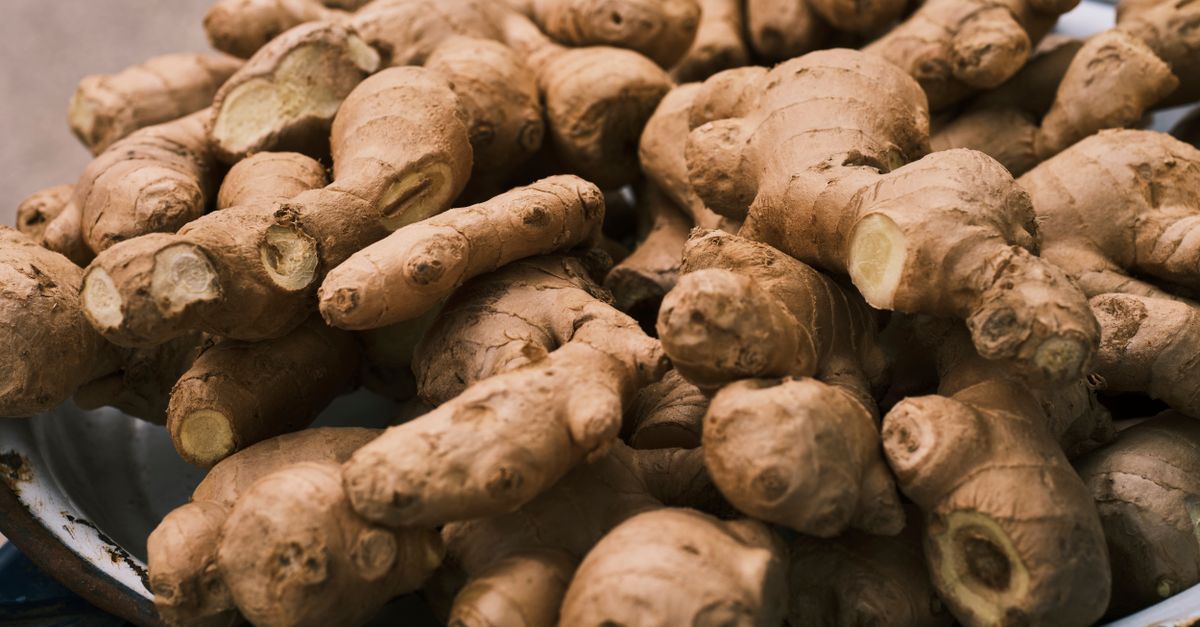
For thousands of years, across countless cultures, ginger has been prized as both a spice and a medicine. This knobbly root brings warmth and zing to food — and a genuinely impressive list of health benefits.
Here is what ginger really does, backed by science, how to use it, and an easy ginger tea recipe with prep and cook times.
What makes ginger special?
Ginger’s power comes largely from a compound called gingerol. This is the bioactive substance responsible for much of its distinctive flavor and most of its medicinal effects.
Gingerol has powerful antioxidant and anti-inflammatory properties, which is why ginger turns up in remedies for everything from upset stomachs to sore muscles. It is one of the few kitchen staples with a serious body of research behind it.
The benefits of ginger
Ginger is one of the most studied natural remedies, and the evidence is encouraging.
- Eases nausea — ginger is well proven for calming nausea, including morning sickness and motion sickness.
- Aids digestion — it can help speed stomach emptying and soothe digestive discomfort.
- Fights inflammation — gingerol’s anti-inflammatory effects may help with muscle and joint pain.
- Antioxidant-rich — ginger helps protect your cells from oxidative stress.
- May support immunity — its warming, antioxidant properties make it a cold-season favorite.
According to the NCCIH, ginger is one of the best-supported natural remedies for nausea and is generally safe for most people.
Ginger for nausea
If ginger is famous for one thing, it is settling the stomach — and this is its best-proven benefit. Studies consistently show ginger can ease nausea from several causes.
It is widely used for morning sickness in pregnancy, motion sickness on the road or at sea, and nausea after surgery or treatment. A cup of ginger tea, a piece of crystallized ginger or even ginger candy can bring real relief. It is a gentle, natural option that many people reach for before anything else.
Easy fresh ginger tea recipe
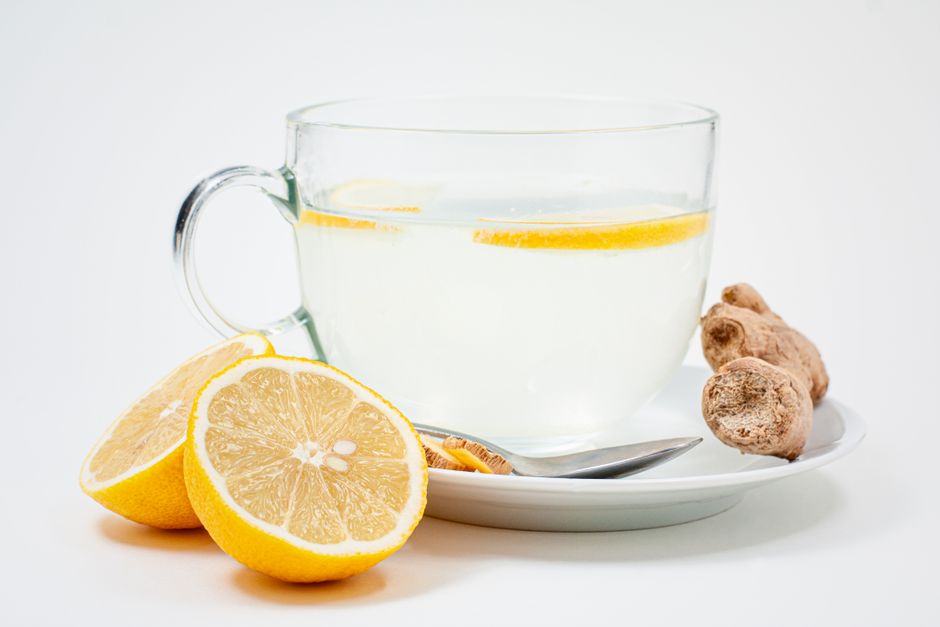
The simplest way to enjoy ginger’s benefits is a warm, soothing cup of tea.
Ingredients
- 1–2 inches fresh ginger, sliced
- 2 cups water
- Juice of ½ lemon
- Honey to taste
Instructions
- Simmer the sliced ginger in the water for about 10 minutes.
- Strain into mugs.
- Stir in lemon and honey to taste and enjoy warm.

Prefer a stronger hit? A concentrated ginger shot delivers the same goodness in one quick gulp.
Ginger and inflammation
Beyond the stomach, ginger is valued for fighting inflammation. The gingerol it contains has anti-inflammatory and antioxidant effects that have been studied for easing aches and pains.
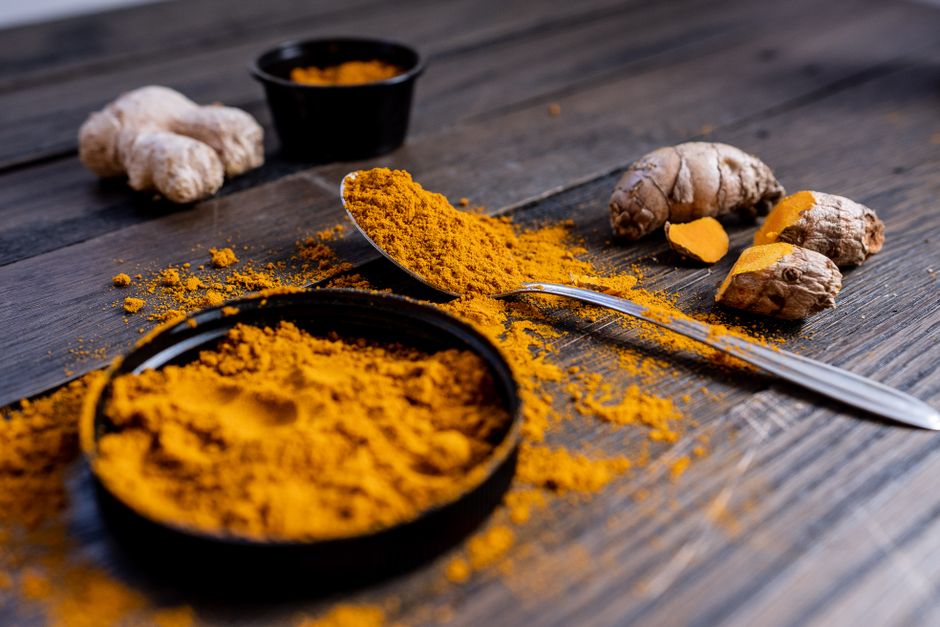
Some research suggests ginger may help reduce muscle soreness after exercise and ease the discomfort of conditions like osteoarthritis. It works beautifully alongside other anti-inflammatory foods like turmeric — in fact, the two are a classic pairing, as in our turmeric shots. Together they make a warming, soothing duo.
How to use ginger
One of ginger’s great strengths is its versatility. It works in sweet and savory dishes, hot drinks and cold ones.
- Fresh — grate or slice it into stir-fries, curries, soups and dressings.
- Tea — simmer slices in water for a soothing brew.
- Smoothies and juices — a small knob adds a warming kick.
- Shots — concentrated ginger for a quick wellness boost.
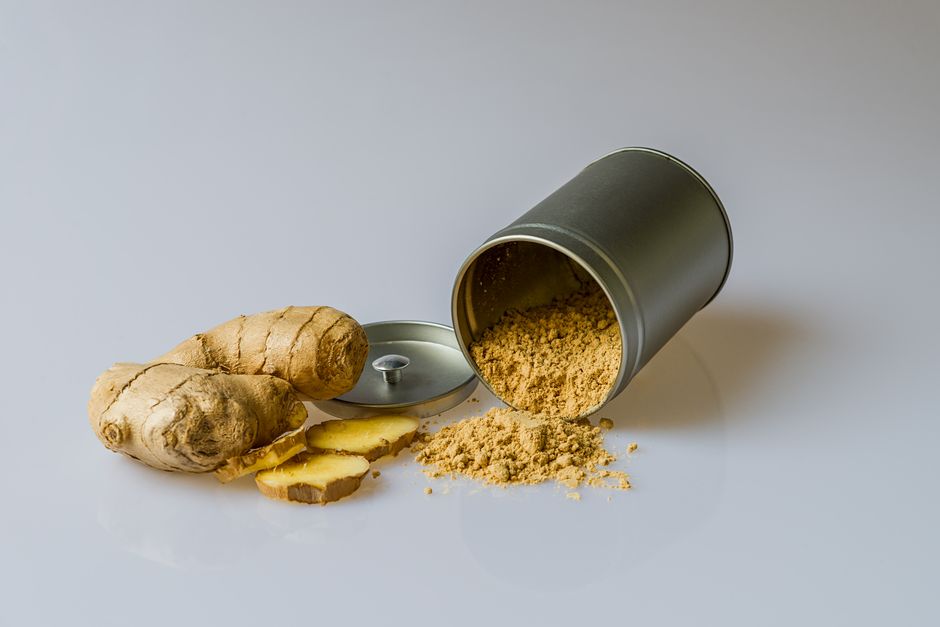
- Ground — dried ginger powder is perfect for baking and spice blends.
Keeping fresh ginger in your kitchen makes it easy to add a little every day.
How much ginger is safe?
For most people, ginger is very safe, and you can enjoy it freely in food and drinks. Studies often use up to around 3 to 4 grams a day, which is more than most people get through cooking.
Very large amounts may cause mild heartburn or an upset stomach in some people. If you take blood-thinning medication, are pregnant, or have a medical condition, it is wise to check with your doctor before taking large, concentrated doses. As an everyday spice and tea, though, ginger is a gentle, friendly addition to your routine.
Fresh vs. ground ginger
Both forms are useful, with slightly different strengths. Fresh ginger has a bright, zingy, slightly spicy flavor and is ideal for teas, juices, stir-fries and dressings.
Ground dried ginger is more concentrated and warming, perfect for baking, spice mixes and quick seasoning when you do not have fresh on hand. They are not always interchangeable in equal amounts, since dried is stronger, but keeping both in your kitchen means you are always ready to add ginger’s flavor and benefits to whatever you are making.
Ginger for digestion
Beyond easing nausea, ginger is a long-trusted aid for general digestion. It can help food move through the stomach more quickly, easing the bloated, overly full feeling after a big meal.
This is why ginger tea is such a popular after-dinner drink, and why many cultures finish a meal with something ginger-based. If you often feel sluggish or uncomfortable after eating, a warm cup of ginger tea is a gentle, natural way to help things along.
Can ginger help with a cold?
Ginger is a cold-and-flu-season staple for good reason. Its warming nature feels soothing on a sore throat, and its antioxidant and anti-inflammatory compounds may offer gentle support when you are under the weather.
A hot ginger tea with lemon and honey is a classic home remedy — the ginger warms and soothes, the lemon adds vitamin C, and the honey calms an irritated throat. It will not cure a cold, but it is a comforting, hydrating way to feel a little better while you recover.
Few ingredients pack as much flavor and function into such a small package as ginger. With strong evidence for easing nausea and aiding digestion, plus antioxidant and anti-inflammatory benefits, this ancient root is as practical as it is delicious. Brew it into tea, blend it into smoothies, or grate it into your cooking — a little ginger every day is one of the tastiest healthy habits you can build.
Feel the warmth, the Green Apple way
We make our ginger shots and wellness drinks fresh with real ginger — no concentrates, no added sugar — for a clean, warming boost whenever you need it. It is the easiest way to enjoy ginger’s zing every day.
Ginger’s classic partner is honey — explore the benefits of honey too.
Frequently asked questions
What are the benefits of ginger?
Ginger eases nausea, aids digestion, and has antioxidant and anti-inflammatory effects thanks to its gingerol compound. It may also help with muscle and joint pain and support immunity.
Does ginger help with nausea?
Yes — this is ginger’s best-proven benefit. Studies show it can ease nausea from morning sickness, motion sickness and surgery. Ginger tea, candy or shots can all bring relief.
How do you make ginger tea?
Simmer 1-2 inches of sliced fresh ginger in 2 cups of water for about 10 minutes, then strain and add lemon and honey to taste. Total time is about 15 minutes.
How much ginger is safe per day?
Most people can safely enjoy ginger freely in food and drinks; studies often use up to 3-4 grams a day. Large concentrated doses may cause mild heartburn, so check with your doctor if you take blood thinners or are pregnant.