Honey Benefits: Natural Sweetener with Real Perks

Honey Benefits: Natural Sweetener with Real Perks
Golden, sweet and produced by busy bees, honey is one of the oldest and most beloved natural foods. Beyond its delicious taste, honey has been valued for its soothing and healthful properties for thousands of years.
Here is an honest look at the benefits of honey, how it compares to sugar, and an easy honey-lemon tonic recipe with prep time.
What is in honey?
Honey is far more than just sugar. While it is high in natural sugars, raw honey also contains a range of beneficial compounds that set it apart from refined sweeteners.
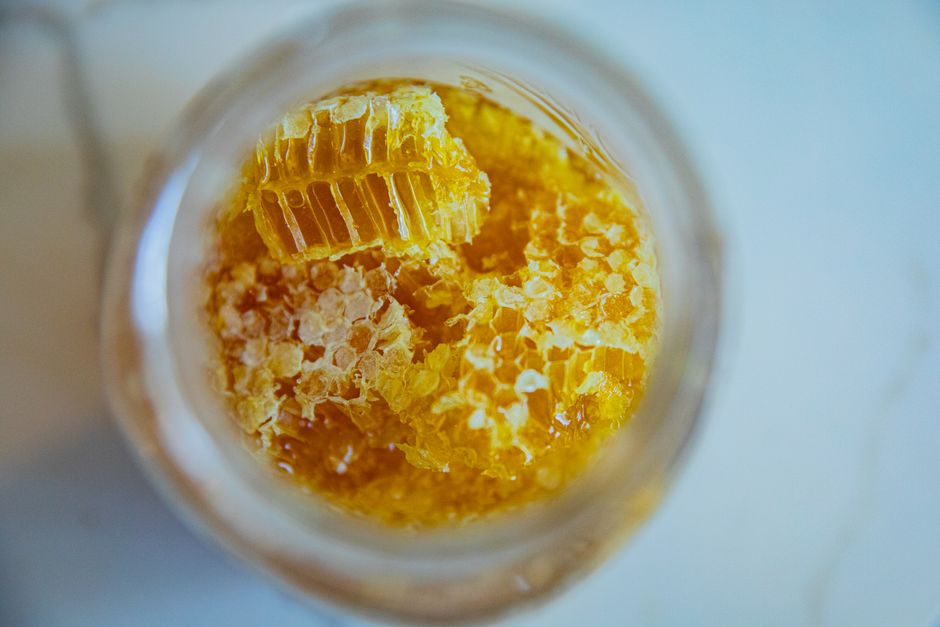
It contains antioxidants, trace enzymes, vitamins and minerals, and raw honey in particular retains more of these natural goodies. Its exact makeup varies with the flowers the bees visit, giving different honeys their unique flavors and properties.
The benefits of honey
Honey offers several genuine benefits when enjoyed in moderation.

- Contains antioxidants — especially raw and darker honeys, helping fight oxidative stress.
- Soothes sore throats — a well-proven, time-honored remedy for coughs.
- A better-than-sugar sweetener — with trace nutrients refined sugar lacks.
- Antibacterial properties — honey has natural antimicrobial qualities.
- Natural energy — its sugars provide a quick, natural lift.
As Medical News Today notes, honey contains antioxidants and has antibacterial properties, and is a well-supported remedy for soothing coughs.
Honey for sore throats and coughs
If honey has one well-proven benefit, it is soothing a sore throat and calming a cough. This is not just folklore — research supports it.

Honey’s thick texture coats and soothes an irritated throat, and studies have found it can be as effective as some over-the-counter cough remedies. A spoonful of honey, or honey stirred into warm water or tea with lemon, is a comforting, natural choice when you feel a tickle coming on. (Note: honey should never be given to babies under one year old.)
Easy honey-lemon tonic recipe
This simple, soothing tonic is perfect first thing in the morning or when you feel under the weather.
Ingredients
- 1 tablespoon raw honey
- Juice of ½ lemon
- 1 cup warm (not boiling) water
- A thin slice of fresh ginger (optional)
Instructions
- Stir the honey into the warm water until dissolved.
- Add the lemon juice and ginger.
- Stir and sip while warm.
Pair it with the benefits of fresh lemon water for a soothing daily ritual.
Honey vs. sugar: which is better?
Honey is often called a healthier alternative to sugar, and there is truth to it — with an important caveat. Honey does contain antioxidants and trace nutrients that refined sugar completely lacks, and it is sweeter, so you can use a little less.
However, honey is still a sugar, high in calories and capable of raising blood sugar. It is a better choice than refined sugar for its added benefits, but it should still be enjoyed in moderation. Think of honey as a more wholesome sweetener, not a free pass to sweeten everything.
Choosing good honey
Not all honey is created equal, so it pays to choose well.

- Raw honey — unprocessed, retaining the most antioxidants and enzymes.
- Local honey — fresh, supports local beekeepers, and is often raw.
- Darker varieties — tend to have more antioxidants than lighter ones.
- Pure honey — check the label to avoid blends with added syrups.
Raw, local honey is usually the best choice for both flavor and benefits.
Ways to enjoy honey
Honey is wonderfully versatile in the kitchen. A drizzle sweetens oatmeal, yogurt and smoothies naturally, and it stirs beautifully into tea and warm water.
It works in salad dressings and marinades, adds depth to baked goods, and makes a simple, natural sweetener for almost anything. Because it is sweeter than sugar, you often need less. Just remember to add honey to warm rather than boiling liquids, since very high heat can diminish some of its beneficial compounds.
A note on moderation
For all its benefits, honey is still a form of sugar, and this is worth keeping in mind. The antioxidants and soothing properties are real, but they do not cancel out the calories and sugar content.
Enjoyed in moderation — a drizzle here, a spoonful there — honey is a wholesome, natural sweetener with genuine perks. Used by the jarful, it is simply a lot of sugar. Treat it as a special, beneficial sweetener rather than an unlimited health food, and you get the best of what it offers.
Honey for energy
Honey is a natural source of quick energy, which is why athletes sometimes use it before or during exercise. Its natural sugars are easily absorbed, providing a fast, accessible fuel for your muscles.
Unlike refined sugar, honey delivers that energy alongside trace antioxidants and nutrients. A spoonful before a workout, or stirred into water, can give a gentle, natural lift. Just remember it is still concentrated sugar, so a little goes a long way — perfect as an occasional pre-exercise boost.
Honey in skincare
Honey is not just for eating — it has been used on the skin for centuries. Its natural antibacterial and moisturizing properties make it a popular ingredient in face masks and home remedies.
Many people use raw honey as a gentle, hydrating face mask, and it is sometimes applied to minor wounds for its soothing, antimicrobial qualities. While we focus on its benefits as a food, honey’s versatility — from the kitchen to skincare — is part of what has made it so treasured across cultures and centuries.
Does honey ever spoil?
Remarkably, pure honey never truly spoils — archaeologists have even found edible honey in ancient Egyptian tombs. Its low moisture and natural acidity make it inhospitable to bacteria.
Stored in a sealed container at room temperature, honey keeps almost indefinitely. If it crystallizes and turns grainy over time, that is completely natural; simply warm the jar gently in warm water and it returns to its smooth, golden state.
Honey is a wonderful example of a natural food with real, time-tested benefits — from its antioxidants to its proven power to soothe a sore throat. Choose raw, local honey for the most goodness, use it to replace refined sugar where you can, and always enjoy it in moderation. Treated thoughtfully, this golden gift from the bees is a delicious, wholesome addition to a balanced, natural diet.
Naturally sweet, the Green Apple way
We believe in natural ingredients and letting real flavors shine — sweetening with wholesome touches like honey rather than refined sugar. Taste the difference natural makes in our fresh juices, smoothies and wellness drinks.
Honey’s perfect partner is cinnamon — explore the benefits of cinnamon too.
Frequently asked questions
What are the benefits of honey?
Honey contains antioxidants and has antibacterial properties, and it is a well-proven remedy for soothing sore throats and coughs. As a natural sweetener, it offers trace nutrients that refined sugar lacks.
Is honey better than sugar?
Honey is a better choice for its antioxidants and trace nutrients, and being sweeter you can use less. But it is still a sugar, high in calories, so enjoy it in moderation rather than as a free pass.
Does honey help a sore throat?
Yes, this is one of honey’s best-proven benefits. Its thick texture soothes an irritated throat, and studies show it can be as effective as some over-the-counter cough remedies.
What is the healthiest honey?
Raw, local honey is usually best, as it is unprocessed and retains the most antioxidants and enzymes. Darker varieties tend to have more antioxidants, and pure honey avoids added syrups.