Heart-Healthy Foods: Eat to Protect Your Heart
Heart-Healthy Foods: Eat to Protect Your Heart
Your heart works tirelessly for you every second of your life, and one of the most powerful ways to look after it is through what you eat. A heart-healthy diet can help manage cholesterol, blood pressure and inflammation, supporting your cardiovascular health for the long term. The best part is that heart-healthy eating is both delicious and simple.
Here are the best heart-healthy foods, the ones to limit, and an easy heart-healthy oat bowl recipe with prep time.
How food affects your heart
The food you eat has a direct and powerful effect on your heart health. Certain foods help manage the key factors in cardiovascular disease — cholesterol, blood pressure and inflammation — while others can work against them.
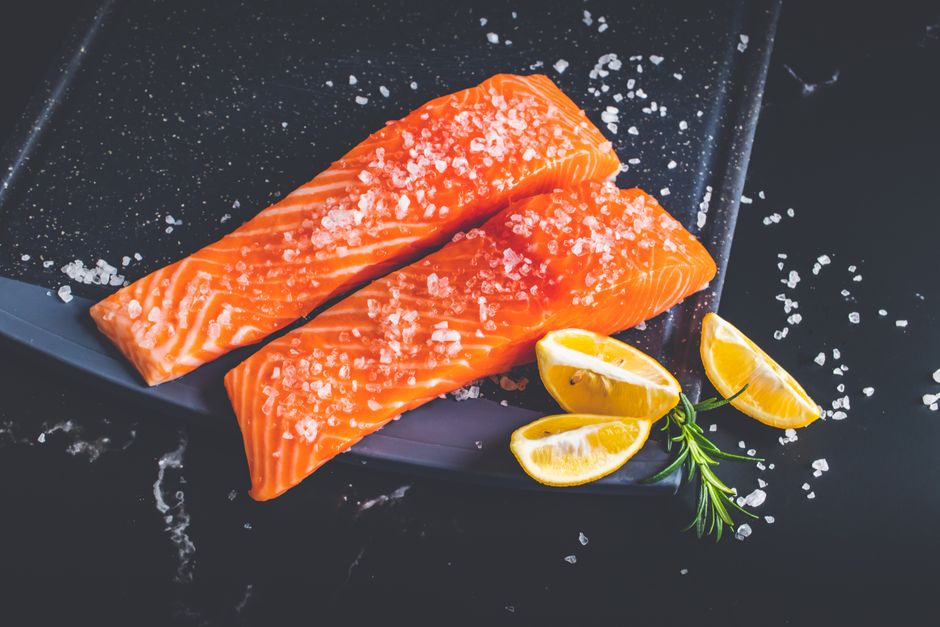
A diet rich in fruits, vegetables, whole grains, healthy fats and fish supports healthy cholesterol and blood pressure, while a diet high in processed foods, salt and unhealthy fats does the opposite. The encouraging news is that simple, consistent dietary choices can have a genuine, protective effect on your heart over time.
The best heart-healthy foods
These foods are among the most powerful for protecting your heart.
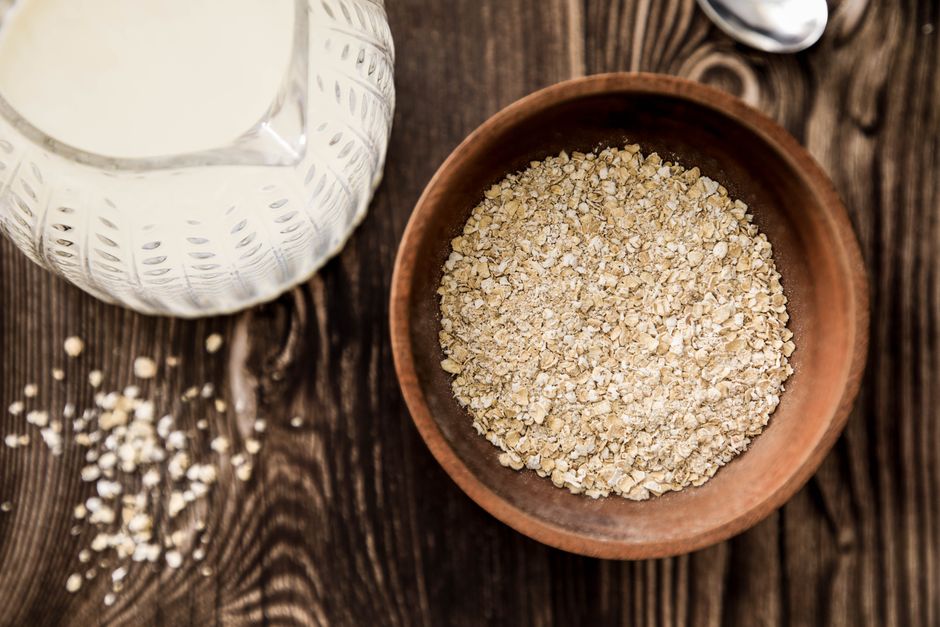
- Fatty fish — salmon and sardines for heart-protective omega-3 fats.
- Oats and whole grains — their fiber helps lower cholesterol.
- Nuts — walnuts and almonds support healthy cholesterol.
- Olive oil — its healthy fats are a heart-friendly staple.
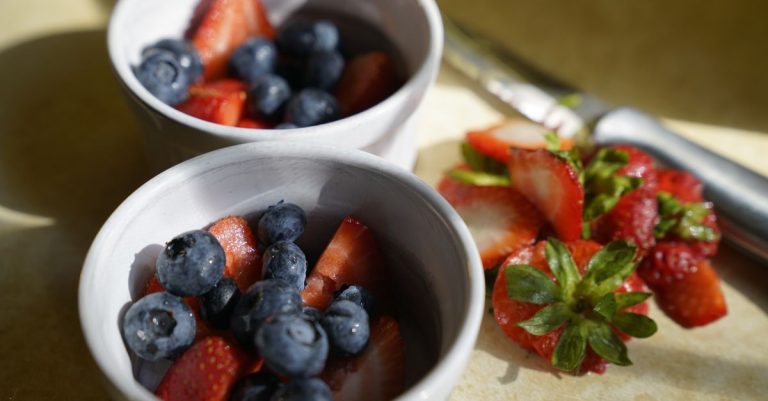
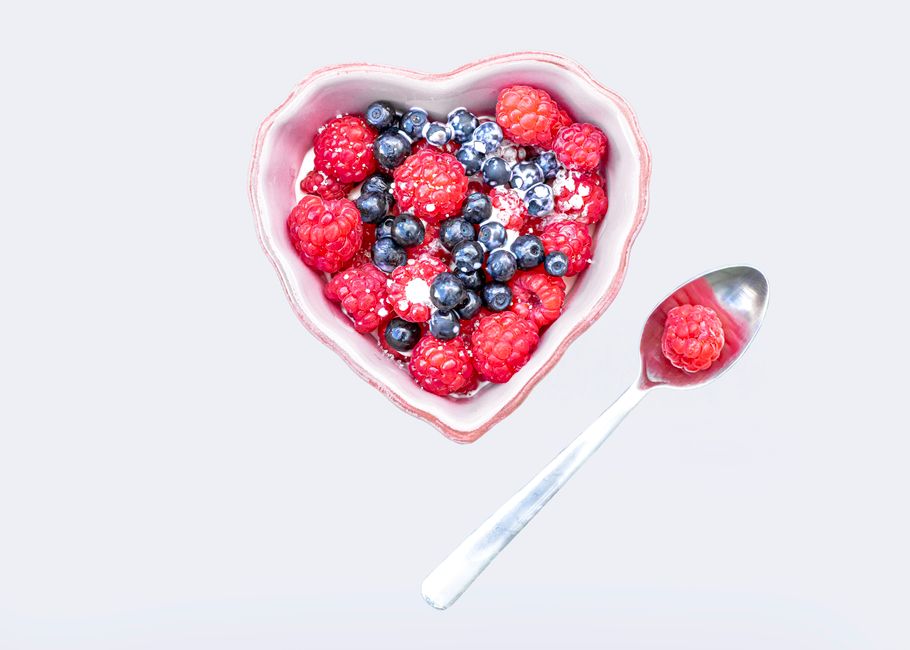
- Berries and leafy greens — rich in heart-protective antioxidants.
- Beans and legumes — their fiber supports heart health.
As the American Heart Association recommends, a diet rich in fruits, vegetables, whole grains, healthy fats and fish supports a healthy heart.
The power of soluble fiber
One of the most important heart-healthy nutrients is soluble fiber, found in foods like oats, beans, apples and flaxseed. This special type of fiber has a remarkable effect on cholesterol.
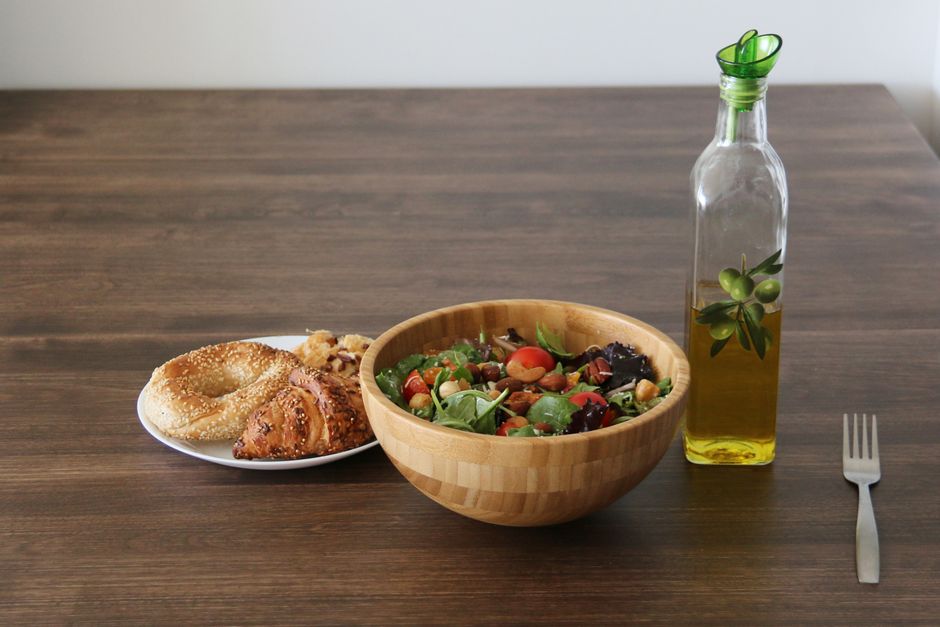
Soluble fiber forms a gel in your digestive system that binds to cholesterol and helps remove it from your body, which can lower LDL (the “bad” cholesterol). This is why a bowl of oats is such a celebrated heart-healthy breakfast. Including plenty of soluble-fiber-rich foods is a simple, effective way to support healthy cholesterol levels, as our guide to oats benefits explains.
Easy heart-healthy oat bowl recipe
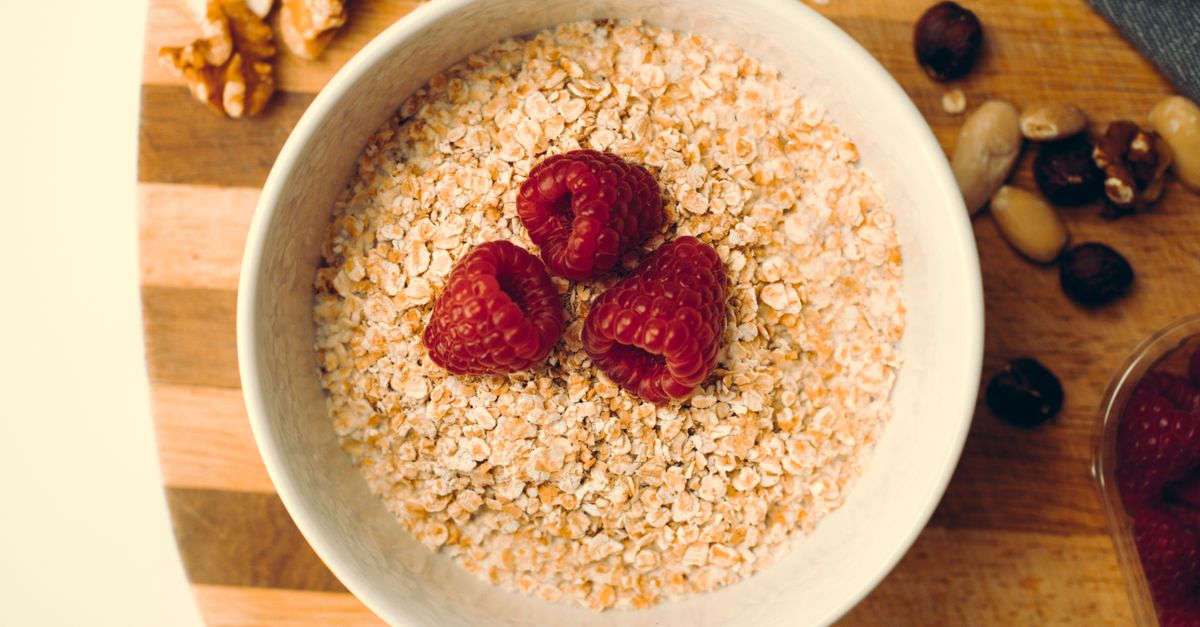
This overnight oat bowl combines several heart-healthy foods in one delicious breakfast.
Ingredients
- ½ cup rolled oats
- 1 tablespoon ground flaxseed
- ½ cup milk
- ½ cup berries
- 1 tablespoon walnuts
Instructions
- Stir the oats, flaxseed and milk together in a jar.
- Refrigerate overnight.
- Top with berries and walnuts in the morning and enjoy.
Omega-3s and your heart
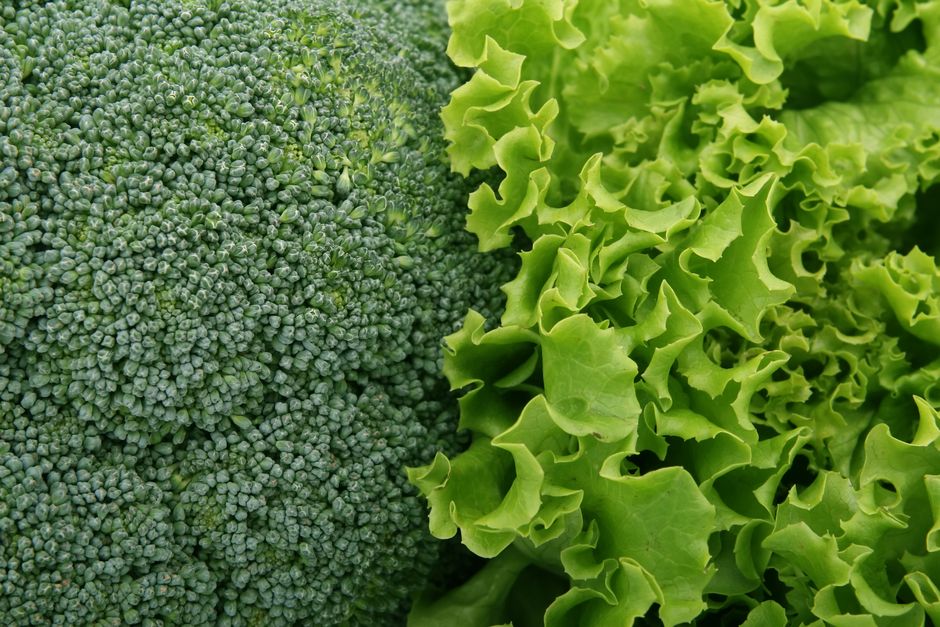
Omega-3 fatty acids are among the most heart-protective nutrients you can eat. These healthy fats, found in fatty fish like salmon and in plant sources like walnuts and flaxseed, support your heart in several ways.
Omega-3s are linked to healthy triglyceride levels, support for healthy blood pressure, and reduced inflammation in the blood vessels. Eating fatty fish a couple of times a week, or including plant omega-3 sources regularly, is one of the best things you can do for your cardiovascular health, as our healthy fats guide explores.
Foods that harm your heart
Just as some foods protect your heart, others can harm it, so it pays to limit them. Being mindful of these is an important part of heart-healthy eating.
- Excess salt — raises blood pressure; watch processed and packaged foods.
- Trans fats — found in some fried and processed foods, genuinely harmful.
- Excess added sugar — linked to heart risk factors.
- Processed and red meat — best enjoyed in moderation.
You do not have to be perfect — simply leaning toward whole, heart-healthy foods most of the time makes a real difference.
A heart-healthy way of eating
Rather than focusing on single foods, the most powerful approach is a whole heart-healthy eating pattern. The Mediterranean diet is the gold standard, naturally rich in everything good for your heart.
It centers on vegetables, fruit, whole grains, fish, olive oil, nuts and legumes, with little processed food, salt or added sugar. You do not need to follow it perfectly — simply shifting your meals in that direction brings real benefits. Combined with regular activity, not smoking and managing stress, a heart-healthy diet is one of the best investments you can make in a long, healthy life.
The DASH and Mediterranean diets
Two eating patterns stand out for heart health, and both are worth knowing. The Mediterranean diet, rich in vegetables, fish, olive oil, nuts and whole grains, is consistently linked to better heart health.
The DASH diet, designed specifically to lower blood pressure, emphasizes fruits, vegetables, whole grains and low-fat dairy while limiting salt. The two overlap heavily, and you do not need to follow either perfectly — simply adopting their shared principles of more plants, healthy fats and less salt and processed food is a powerful step for your heart.
Beyond food: a heart-healthy lifestyle
While food is powerful, your heart benefits most from a whole healthy lifestyle. Regular physical activity strengthens your heart and supports healthy blood pressure and cholesterol, complementing a heart-healthy diet.
Not smoking, managing stress, getting enough quality sleep and maintaining a healthy weight all play major roles too. Think of heart-healthy eating as one essential pillar among several. Together, these habits give your heart the best possible support for a long, healthy life.
Small heart-smart swaps
Heart-healthy eating is built on small, consistent swaps rather than drastic change. Choose olive oil over butter, whole grains over refined, fish over processed meat, and fruit over sugary snacks. Each simple swap, repeated daily, adds up to real protection for your heart over time.
Protecting your heart through food is both powerful and delicious. By filling your diet with fatty fish, oats, nuts, olive oil, berries, leafy greens and beans — while limiting salt, trans fats and added sugar — you support healthy cholesterol, blood pressure and circulation. Lean toward a Mediterranean-style way of eating, stay active, and your heart will thank you. A few consistent, heart-smart choices today add up to a healthier heart for years to come.
Heart-smart and fresh, the Green Apple way
We build our menu around fresh, whole, heart-healthy ingredients — from fiber-rich oats and greens to nourishing smoothies and juices, all with no added sugar. Look after your heart with us, part of the world of healthy food in Miami.
Potassium is especially heart-friendly — see the best potassium-rich foods to eat more of.
Frequently asked questions
What are the best heart-healthy foods?
Fatty fish, oats and whole grains, nuts, olive oil, berries and leafy greens, and beans and legumes are among the best. They support healthy cholesterol, blood pressure and circulation through fiber, healthy fats and antioxidants.
How does soluble fiber help your heart?
Soluble fiber, found in oats, beans, apples and flaxseed, forms a gel that binds to cholesterol and helps remove it from your body, which can lower LDL (“bad”) cholesterol. This is why oats are a heart-healthy staple.
Are omega-3s good for your heart?
Yes. Omega-3 fats from fatty fish, walnuts and flaxseed support healthy triglycerides and blood pressure and reduce inflammation in blood vessels. Eating fatty fish a couple of times a week is heart-protective.
What foods are bad for your heart?
Excess salt (raising blood pressure), trans fats from fried and processed foods, excess added sugar, and a lot of processed or red meat can harm your heart. Lean toward whole, heart-healthy foods most of the time.