Kale Benefits: The Nutrient-Packed Leafy Green

Kale Benefits: The Nutrient-Packed Leafy Green
Once a humble garnish, kale has become the poster child of healthy eating — and unlike many food trends, it genuinely deserves the hype. This sturdy leafy green is among the most nutrient-dense foods on the planet.
Here is what makes kale so good for you, how to enjoy it, and an easy massaged kale salad recipe with prep time that will change your mind if you think you dislike kale.
Why kale is a nutritional superstar
Kale delivers an extraordinary amount of nutrition for almost no calories. A single cup is low in calories yet overflowing with vitamins and minerals.
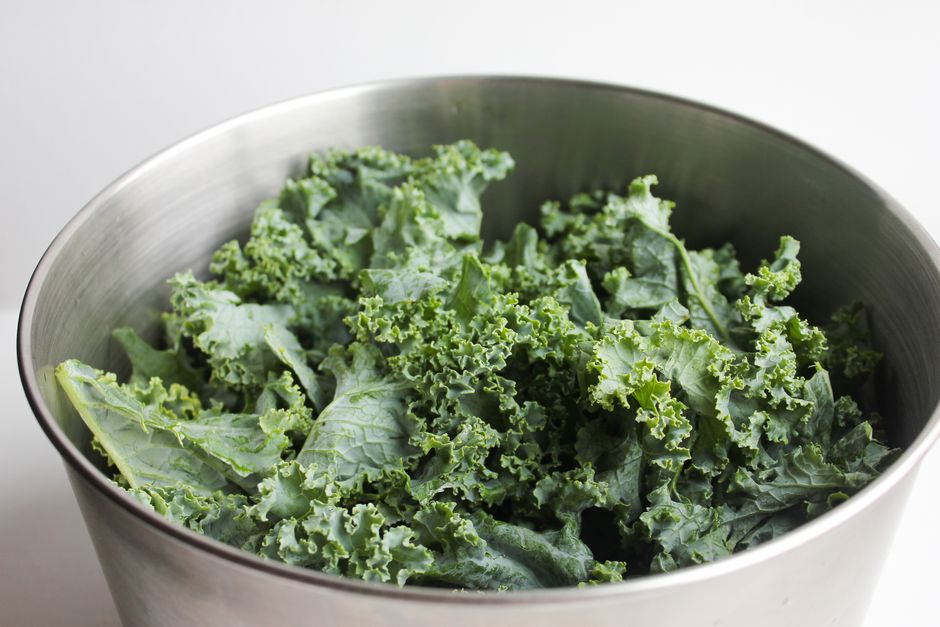
It is exceptionally high in vitamin K, vitamin A and vitamin C, and provides manganese, calcium, potassium and a wealth of antioxidants. Few foods can match its nutrient density gram for gram.
The health benefits of kale
That dense nutrition translates into real benefits for your body.
- Antioxidant powerhouse — kale is loaded with compounds like quercetin and kaempferol that fight oxidative stress.
- Supports bone health — it is one of the best plant sources of vitamin K.
- Heart-friendly — the fiber and antioxidants in kale support healthy cholesterol and blood pressure.
- Eye health — like spinach, kale is rich in lutein and zeaxanthin for your eyes.
- Immune support — its high vitamin C content helps keep your immune system strong.
As WebMD explains, kale is exceptionally rich in vitamins K, A and C and antioxidants that support heart, bone and eye health.
Kale vs. spinach: which is better?
Both are leafy-green superstars, and you really cannot go wrong with either. Kale is higher in vitamin C and has a sturdier, heartier texture that holds up well to cooking and dressing.
Spinach is more tender and milder, with more folate and iron, and it blends more seamlessly into smoothies. Rather than choosing a winner, the smart move is to rotate them, since variety gives you a broader spread of nutrients. For more on the milder green, see our guide to spinach benefits.
Easy massaged kale salad recipe
If raw kale has ever seemed tough or bitter, this technique is the secret. Massaging it transforms the texture completely.
Ingredients
- 1 bunch kale, stems removed and chopped
- 1 tablespoon olive oil
- Juice of ½ lemon
- Pinch of salt
- Toppings: avocado, seeds, parmesan
Instructions
- Add the chopped kale, olive oil, lemon juice and salt to a bowl.
- Massage the kale with your hands for 2–3 minutes until it softens and darkens.
- Add your toppings and serve.

The lemon and a little healthy fat from avocado make this salad both delicious and more nutritious.
The secret to delicious kale
The number one reason people think they dislike kale is texture. Raw kale straight from the bunch can be tough, chewy and a little bitter — but a couple of minutes of massaging changes everything.
Working the leaves with a little oil, lemon and salt breaks down the tough fibers, leaving the kale tender, silky and far less bitter. The acid and salt mellow its flavor, and the result tastes nothing like the raw leaf. It is a small step that makes a huge difference.
Best ways to eat kale
Kale is wonderfully versatile and works in many dishes beyond salad.

- Massaged salads — the best way to enjoy it raw and tender.
- Smoothies — a handful blends into a green smoothie for a nutrient boost.
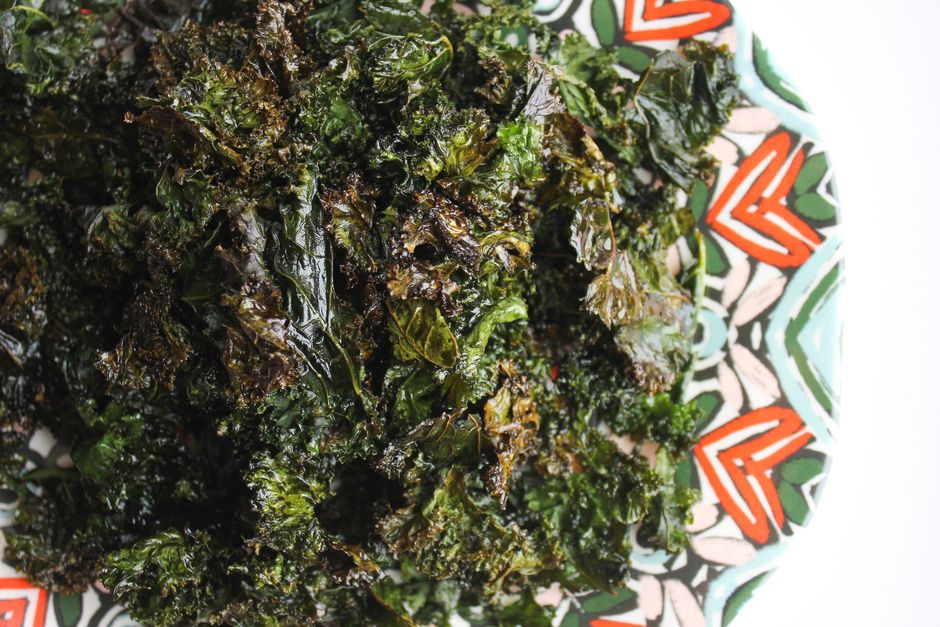
- Kale chips — baked with a little oil and salt for a crunchy snack.
- Soups and stews — its sturdy leaves hold up beautifully in broth.
- Sautéed — quickly cooked with garlic and olive oil as a side.
With so many options, there is a kale dish to suit almost any taste.
Are kale chips healthy?
Homemade kale chips are a genuinely healthy snack and a fantastic alternative to potato chips. Baked with just a little olive oil and salt, they turn crispy and savory while keeping most of kale’s nutrition.
The key is to make them yourself, so you control the oil and salt. Store-bought versions can be surprisingly high in added oil and seasoning. A homemade batch satisfies a crunchy, salty craving for a fraction of the calories of chips — and you still get fiber and antioxidants.
Is kale good for weight loss?
Kale is an excellent food for weight management. It is very low in calories yet high in fiber, which helps you feel full and satisfied, making it easy to eat a generous portion without overdoing calories.
Its fiber slows digestion and steadies blood sugar, while its dense nutrition means you are nourishing your body even while cutting back. Adding kale to salads, soups and smoothies is a simple way to make meals more filling and more nutritious at the same time.
Can you eat kale every day?
Kale is a wonderful food to enjoy regularly, and a daily serving is healthy for most people. Its dense nutrition makes it one of the best vegetables to build into your routine.
A couple of small notes: kale is high in vitamin K, so anyone on blood-thinning medication should keep their intake consistent and talk to their doctor. And like all cruciferous vegetables, very large raw amounts may bother some sensitive stomachs, in which case lightly cooking it helps. For most people, though, daily kale is a brilliant habit.
Growing your own kale
Kale is one of the easiest vegetables to grow at home, even for beginners. It is hardy, tolerates cool weather and keeps producing leaves over a long season.
You can snip outer leaves as you need them and the plant keeps growing, giving you a steady supply of the freshest possible greens. Whether in a garden bed or a large pot, home-grown kale is satisfying, economical and means a superfood is always within reach.
Kale has earned its superfood reputation honestly. Bursting with vitamins K, A and C, antioxidants and fiber for barely any calories, it is one of the most nourishing things you can eat. The trick is preparation: massage it for salads, bake it into chips, or blend it into smoothies, and you will discover just how delicious this mighty green can be. Give it a place on your plate and your whole body benefits.
Fresh greens, the Green Apple way
We load our green smoothies and juices with kale, spinach and other powerhouse greens — no concentrates, no added sugar — so a daily dose of leafy nutrition is effortless. Skip the chopping and sip your greens instead.
Need a natural lift? Discover the best foods for energy.
Frequently asked questions
What are the benefits of kale?
Kale is one of the most nutrient-dense foods around, rich in vitamins K, A and C, plus antioxidants and fiber. It supports bone, heart and eye health and a strong immune system, all for very few calories.
How do you make kale taste good?
For raw kale, massage the chopped leaves with a little olive oil, lemon juice and salt for 2-3 minutes. This breaks down the tough fibers, leaving it tender and far less bitter.
Is kale or spinach healthier?
Both are excellent. Kale has more vitamin C and a heartier texture, while spinach has more folate and iron and a milder taste. Rotating them gives you the broadest range of nutrients.
Are kale chips healthy?
Homemade kale chips baked with a little olive oil and salt are a healthy, crunchy snack that keeps most of kale’s nutrition. Make them yourself to control the oil and salt.