Metabolism-Boosting Foods: Eat to Support Your Metabolism


Metabolism-Boosting Foods: Eat to Support Your Metabolism
We often hear about “boosting your metabolism,” and while no food is a magic fix, certain foods can genuinely give your metabolism gentle support. From protein that burns energy during digestion to green tea and spicy foods, the right choices help your body work efficiently. Understanding how these foods really work is the key to using them wisely.
Here are the best metabolism-boosting foods, how they work, and an easy metabolism-supporting smoothie recipe with prep time.
How metabolism really works
Your metabolism is the process by which your body converts food into energy to power everything you do, from breathing to moving. Your metabolic rate — how many calories you burn — is influenced mostly by factors like your age, muscle mass, genetics and activity level.
While food cannot dramatically transform your metabolism, some foods do provide a modest, helpful boost. They work in a few ways: protein burns more energy during digestion, certain compounds in green tea and chili may slightly increase calorie burn, and building muscle through protein and exercise raises your resting metabolism. Used realistically alongside an active lifestyle, these foods are a smart, supportive tool.
The key metabolism-supporting foods
Several foods can give your metabolism gentle support.

- Protein-rich foods — burn more energy to digest than other foods.
- Green tea — contains compounds linked to modest calorie burn.
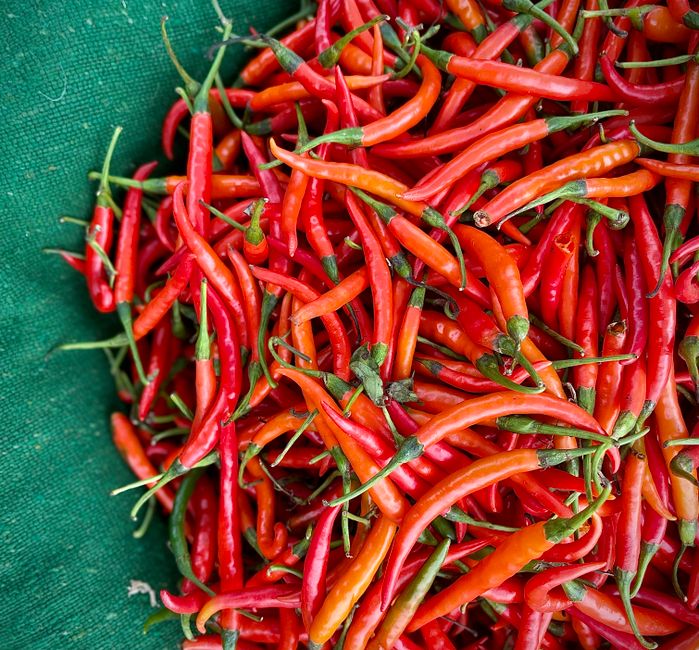
- Chili peppers — capsaicin may slightly raise energy use.
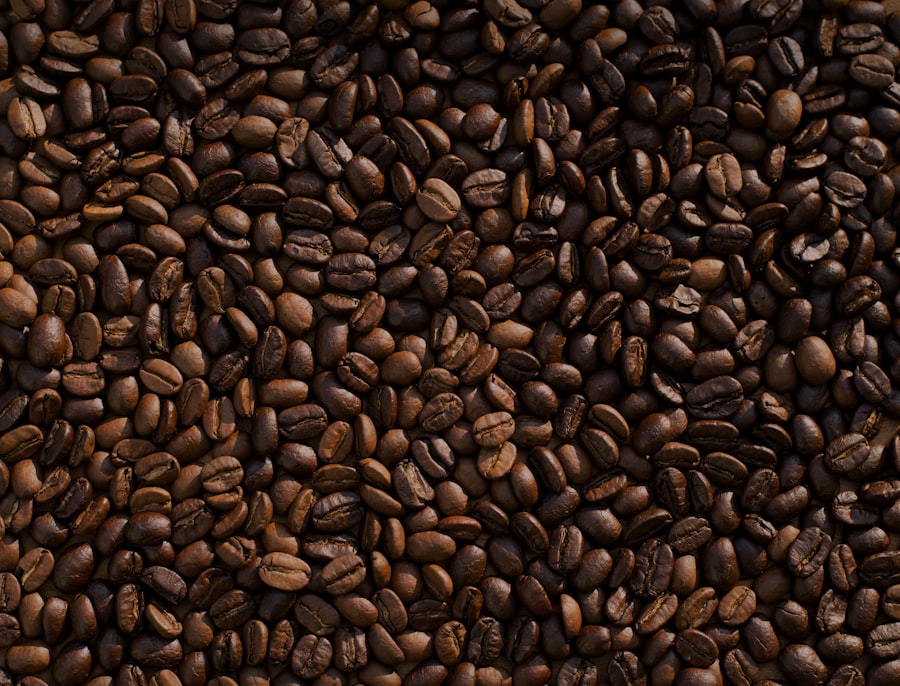
- Coffee — caffeine can give a temporary metabolic lift.
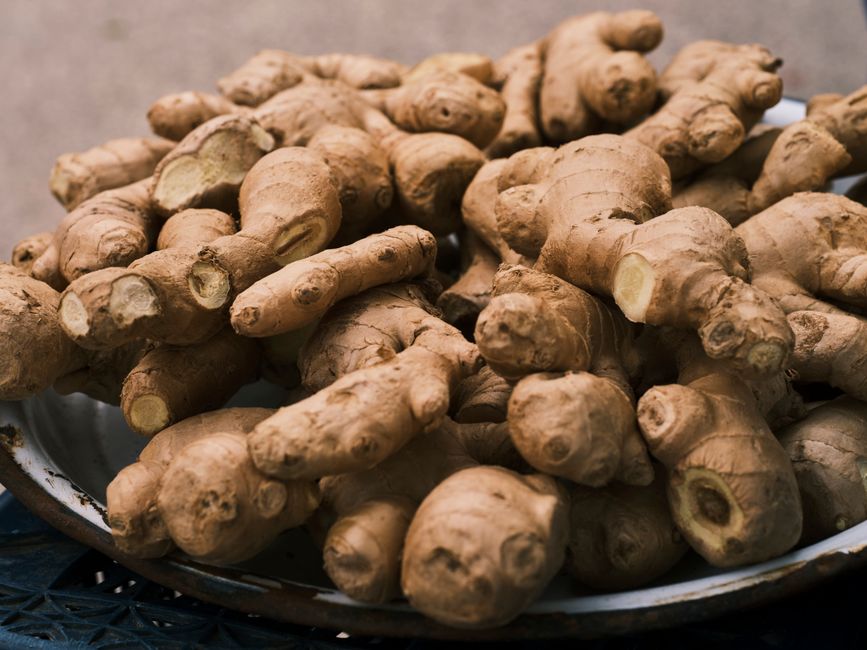
- Ginger and spices — may have a small thermogenic effect.
- Water-rich and whole foods — supporting an efficient body.
As Healthline notes, foods like protein, green tea, chili and coffee can give the metabolism a modest, helpful boost.
Why protein matters most
Of all the metabolism-supporting foods, protein has the most meaningful effect, for two reasons. First, your body burns more energy digesting protein than it does digesting carbohydrates or fats — an effect called the thermic effect of food — so a higher-protein meal slightly increases calorie burn.
Second, and even more importantly, eating enough protein supports the building and maintenance of muscle, and muscle tissue burns more calories at rest than fat does. This means that protein, combined with strength-building activity, helps raise your resting metabolic rate over time. Including a good source of protein at each meal — whether from beans, fish, eggs, yogurt or plant proteins — is the single most effective dietary way to support your metabolism.
Easy metabolism smoothie recipe
This smoothie combines green tea, protein and ginger to gently support your metabolism.
Ingredients
- 1 cup cooled green tea
- ½ banana
- 1 handful spinach
- 1 tablespoon chia seeds
- ½ cup Greek yogurt
- 1 small piece ginger
Instructions
- Add all the ingredients to a blender.
- Blend until smooth and creamy.
- Pour and enjoy this metabolism-supporting smoothie.
The role of green tea and spices
Beyond protein, a few specific foods and drinks have been studied for their gentle metabolic effects. Green tea contains both caffeine and beneficial compounds called catechins, which together may slightly increase calorie burning and fat oxidation, making it a popular metabolism-supporting drink.
Spicy foods owe their kick to capsaicin, the compound in chili peppers, which research suggests may modestly raise energy expenditure and even slightly reduce appetite. Coffee’s caffeine can give a similar temporary lift. While the effects of these foods are real, they are modest, so they work best as small, helpful additions rather than miracle solutions. Enjoying green tea and a little spice is a pleasant, supportive habit, much like the benefits of green tea more broadly.
Realistic expectations
It is important to approach metabolism-boosting foods with realistic expectations. The effects of these foods, while genuine, are modest, and no single food or drink will dramatically transform your metabolism or melt away weight on its own.

The biggest drivers of a healthy metabolism are staying active, building and maintaining muscle through movement and adequate protein, getting enough sleep, and not drastically under-eating, which can slow your metabolism down. Metabolism-supporting foods are best seen as helpful tools within this bigger picture, not shortcuts. Used alongside a balanced diet and an active lifestyle, they give your metabolism gentle, genuine support, which is exactly how to use them wisely.
Easy ways to support your metabolism
Small daily habits make a real difference.
- Eat protein at every meal — the most effective food strategy.
- Drink green tea — a gentle, pleasant boost.
- Add a little spice — chili and ginger in your cooking.
- Stay hydrated — supporting an efficient body.
- Stay active — building metabolism-raising muscle.
Pairing protein-rich foods with regular movement is the real metabolism booster.
When to focus on metabolism
Supporting your metabolism is worthwhile at any time, but it becomes especially relevant as you age, since metabolism tends to slow with the natural loss of muscle over the years. Prioritizing protein and strength-building activity helps counter this.
It is also helpful when you are working toward fitness or body-composition goals, where supporting muscle and energy use matters. Rather than chasing quick fixes, building these supportive foods and habits into your everyday routine is the sustainable approach. A steady focus on protein, activity and wholesome foods keeps your metabolism well supported for the long term.
The role of hydration and sleep
Two often-overlooked factors have a real influence on your metabolism: hydration and sleep. Staying well hydrated supports your body’s many metabolic processes, and some research suggests that drinking water may give a small, temporary boost to calorie burning, while even mild dehydration can leave you feeling sluggish.
Sleep is just as important, as poor or insufficient sleep can disrupt the hormones that regulate appetite and metabolism, making it harder to maintain a healthy weight and energy level. Prioritizing enough good-quality sleep and drinking water throughout the day are simple, powerful ways to keep your metabolism running smoothly. Together with protein-rich foods and regular movement, these everyday habits give your metabolism the steady, genuine support it needs.
While no food is a magic metabolism booster, the right choices give your body gentle, genuine support. Protein is the standout, burning energy to digest and helping build calorie-burning muscle, while green tea, chili, coffee and ginger offer modest extra lifts. The real key is combining these foods with an active lifestyle, enough sleep and adequate protein. Approached realistically, metabolism-supporting foods are a smart, sustainable part of a healthy, energized life.
Energized eating, the Green Apple way
Our menu is full of protein-rich, wholesome foods and energizing drinks like green tea that support your metabolism and vitality. Come discover smoothies, bowls and dishes made for an energized you.
Frequently asked questions
What foods boost metabolism?
Protein-rich foods help most, as they burn more energy to digest and support calorie-burning muscle. Green tea, chili peppers, coffee and ginger can also give a modest boost. Their effects are real but gentle, not miracle solutions.
How do you make a metabolism smoothie?
Blend 1 cup cooled green tea, ½ banana, a handful of spinach, 1 tablespoon chia seeds, ½ cup Greek yogurt and a small piece of ginger until smooth. It combines green tea, protein and ginger and takes about 5 minutes.
Why is protein important for metabolism?
Protein burns more energy to digest than carbs or fat (the thermic effect of food), and it supports building and maintaining muscle, which burns more calories at rest. Eating enough protein with strength activity raises your resting metabolism.
Can foods really speed up your metabolism?
Some foods give a modest, genuine boost, but no food dramatically transforms your metabolism. The biggest drivers are staying active, building muscle, getting enough sleep and eating enough protein. Metabolism-boosting foods are helpful tools, not shortcuts.