Black Beans Benefits: A Hearty, Antioxidant-Rich Legume

Black Beans Benefits: A Hearty, Antioxidant-Rich Legume
Hearty, satisfying and a beautiful deep black, black beans are one of the most nourishing and beloved legumes, especially across Latin American cuisine. Rich in plant protein, fiber, antioxidants and minerals, these dark beans bring substance and flavor to countless dishes. From soups to salads to tacos, black beans are a wholesome, versatile staple worth celebrating.
Here are the key black beans benefits, an easy black bean salad recipe with prep time, and tasty ways to enjoy them.
What makes black beans special?
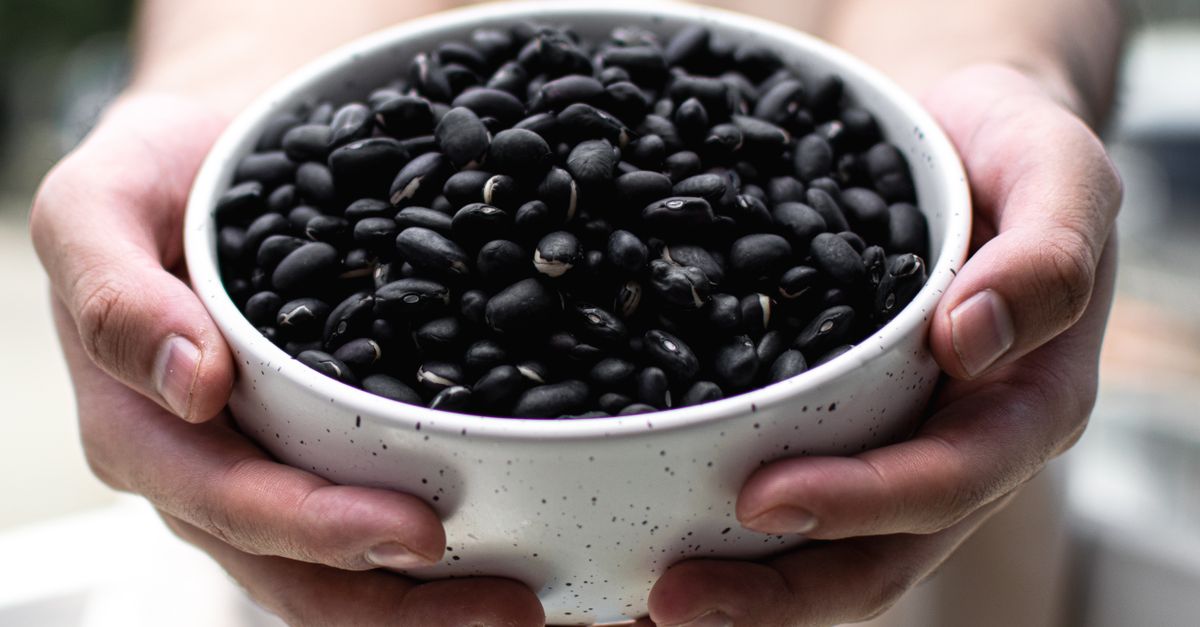
Black beans, also called turtle beans, are small, dense legumes with a glossy black skin and creamy interior. A cornerstone of Latin American, Caribbean and Southwestern cooking, they have a rich, mildly sweet, earthy flavor and a satisfying, hearty texture that holds up beautifully in all kinds of dishes.
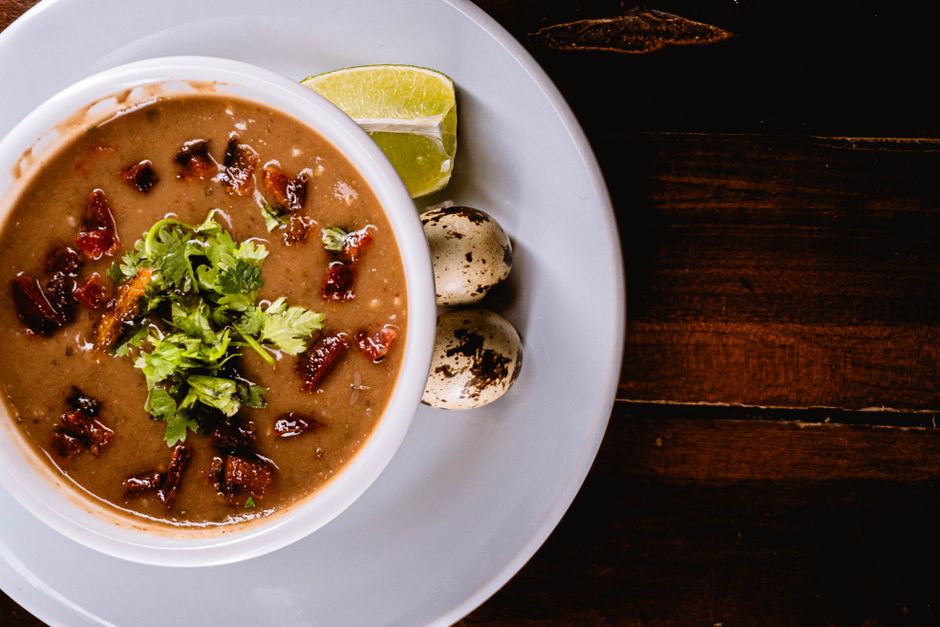
What sets black beans apart, beyond their flavor and versatility, is their nutrition. Like other beans, they are packed with protein and fiber, but their dark color also signals a rich content of antioxidants. Affordable, filling and endlessly adaptable, black beans are a brilliant foundation for hearty, healthy, plant-forward meals.
The benefits of black beans
Behind their hearty texture, black beans deliver impressive nutrition.
- High in plant protein — a satisfying, filling protein source.
- Rich in fiber — supporting digestion, fullness and blood sugar.
- High in antioxidants — their dark skin is rich in protective compounds.
- Good source of minerals — including iron, magnesium and folate.
- Support heart health — linked to healthy cholesterol and blood sugar.
As WebMD notes, black beans are rich in plant protein, fiber, antioxidants and minerals, and support heart health and digestion.
An antioxidant-rich bean
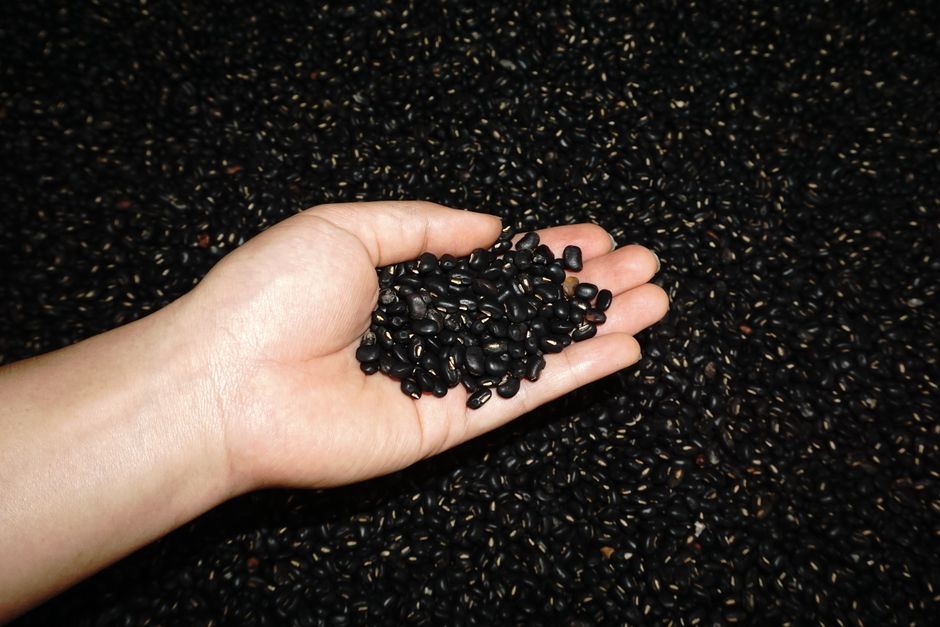
One special black beans benefit sets them apart from paler beans: their high antioxidant content. That deep, glossy black skin is colored by anthocyanins, the same powerful antioxidants found in dark berries and other deeply pigmented foods.
These antioxidants help protect your cells from everyday oxidative damage, adding to the impressive nutritional profile black beans already offer through their protein and fiber. In fact, black beans are among the most antioxidant-rich of all common beans. This combination of hearty plant protein, generous fiber and protective antioxidants makes them a genuinely nourishing choice, fitting beautifully into an antioxidant-rich diet.
Easy black bean salad recipe
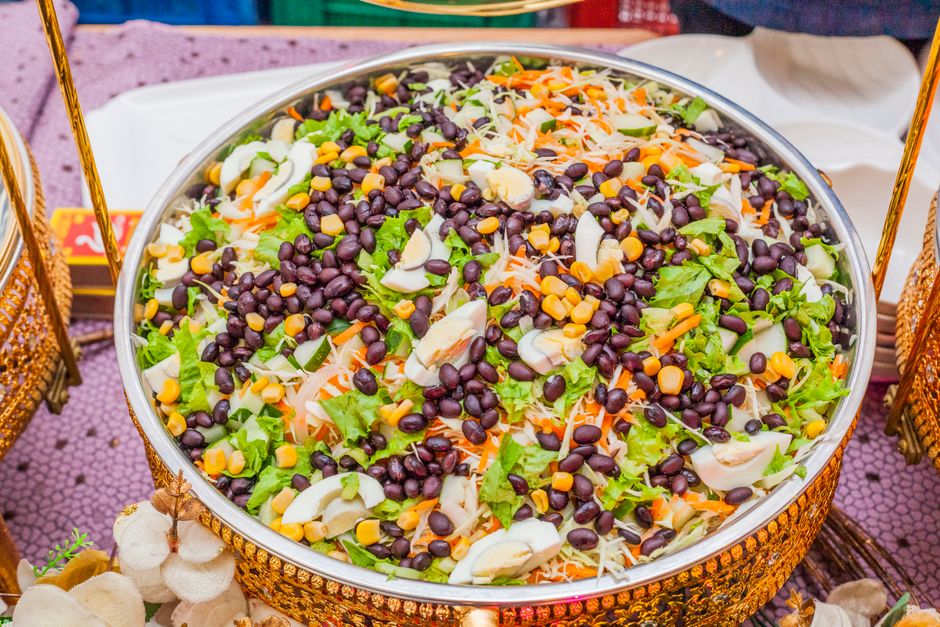
This fresh, colorful salad is one of the easiest ways to enjoy black beans.
Ingredients
- 1 can black beans, rinsed
- 1 cup corn
- 1 red pepper, diced
- ¼ cup red onion, diced
- Juice of 1 lime
- A handful of cilantro
Instructions
- Combine the beans, corn, pepper and onion in a bowl.
- Add the lime juice and chopped cilantro.
- Toss well, season, and serve fresh.

The perfect protein pairing
One classic way black beans shine nutritionally is when paired with rice, a beloved combination across many cultures, and there is real science behind why it works so well. While beans are high in protein, they are slightly low in one essential amino acid, methionine, and grains like rice are slightly low in another, lysine.
Together, beans and rice complement each other perfectly, forming a complete protein with all the essential amino acids. This is why the timeless pairing of black beans and rice is not just delicious but genuinely smart nutrition, providing high-quality plant protein at very low cost. It is a perfect example of how traditional food combinations often reflect great nutritional wisdom.
Are black beans good for you?
For most people, black beans are one of the healthiest, most economical foods you can eat. They provide plant protein, generous fiber, antioxidants and minerals like iron and folate, supporting your heart, digestion and steady energy, all affordably and conveniently.
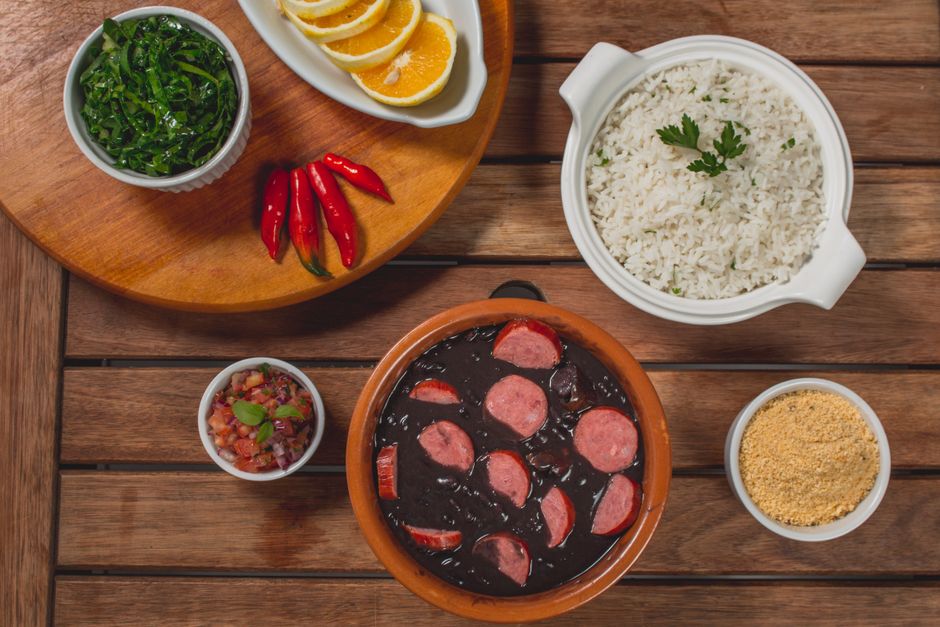
Because they are high in fiber, introducing them gradually helps if you are not used to beans, and rinsing canned black beans reduces sodium. Pairing them with rice creates a complete protein, and adding a vitamin C source boosts iron absorption. Hearty, versatile and deeply nourishing, black beans are a brilliant staple for healthy, plant-forward eating, much like lentils and other legumes.
Delicious ways to enjoy black beans
Black beans are wonderfully versatile.
- Black bean soup — hearty, warming and satisfying.
- Tacos and burritos — a classic, protein-rich filling.
- Black bean salad — fresh, colorful and easy.
- Beans and rice — the complete-protein classic.
- Black bean burgers — hearty, satisfying veggie patties.
Black beans and rice is a timeless, nourishing and complete-protein meal.
When to enjoy black beans
Black beans suit many meals throughout the week. At lunch or dinner, they add protein and substance to soups, salads, tacos and bowls that keep you full for hours. As a meat alternative, they bring heartiness to plant-based versions of classic dishes.
They are also a brilliant meal-prep staple, since cooked beans keep well and reheat beautifully for easy meals all week. For anyone eating plant-based or on a budget, black beans are a reliable, nourishing favorite. Whenever you want a hearty, wholesome and economical meal, black beans deliver.
Tips for cooking black beans
A few simple tips ensure delicious black beans every time. Canned black beans are wonderfully convenient — just rinse them well to reduce sodium — while dried beans are more economical and let you control the texture and seasoning.
If cooking dried black beans, soak them overnight, then simmer for an hour or more until creamy and tender, adding salt near the end. Cooking them with aromatics like onion, garlic, cumin and a bay leaf builds wonderful flavor, and a squeeze of lime or splash of vinegar at the end brightens them beautifully. Cooked black beans keep well in the fridge for several days and freeze perfectly, so a big batch gives you easy, nourishing meals all week.
Black beans are a hearty, antioxidant-rich legume that brings both nourishment and flavor to the table. Packed with plant protein, generous fiber, protective antioxidants and minerals, they support your heart, digestion and energy while being affordable and endlessly versatile. Pair them with rice for a complete protein, toss them into salads and tacos, or simmer them into soups. Deeply satisfying and genuinely good for you, black beans are a staple worth loving.
Hearty and wholesome, the Green Apple way
We love hearty, plant-based ingredients like black beans that fuel you with real nutrition. Come discover our wholesome bowls and plant-forward dishes made with quality ingredients.
Frequently asked questions
What are the benefits of black beans?
Black beans are high in plant protein and fiber, rich in antioxidants from their dark skin, and provide minerals like iron, magnesium and folate. They support heart health, digestion, steady blood sugar and energy.
How do you make black bean salad?
Combine 1 can rinsed black beans, 1 cup corn, 1 diced red pepper and ¼ cup diced red onion, then add the juice of 1 lime and a handful of cilantro. Toss and season. It takes about 15 minutes.
Why are black beans and rice a complete protein?
Beans are slightly low in the amino acid methionine, while rice is slightly low in lysine. Eaten together, they complement each other to provide all the essential amino acids, forming a complete protein at very low cost.
Are canned black beans healthy?
Yes. Canned black beans are convenient and just as nutritious as dried — simply rinse them to reduce sodium. They provide the same protein, fiber, antioxidants and minerals, ready to use straight from the tin.