Zinc-Rich Foods: The Best Sources for Immunity & Healing

Zinc-Rich Foods: The Best Sources for Immunity & Healing
Zinc is an essential mineral that quietly powers some of your body’s most important functions, from immunity to healing and beyond. Yet many people do not give it much thought, and some fall short of their needs. The good news is that plenty of delicious whole foods are naturally rich in zinc, making it easy to get enough through your diet.
Here are the best zinc-rich foods, why this mineral matters, and an easy zinc-boosting trail mix recipe with prep time.
Why zinc matters
Zinc is an essential trace mineral involved in hundreds of processes throughout the body. It plays a starring role in supporting a healthy immune system, helping wounds heal, and enabling your body to make proteins and DNA, among many other vital jobs.
Because your body cannot store zinc in large amounts, you need a regular supply from your diet. Zinc is especially well known for its role in immunity, which is why it often appears in cold remedies. Getting enough zinc-rich food supports not just your immune system but your skin, sense of taste and smell, and overall health.
The benefits of zinc
Getting enough zinc supports your body in several important ways.
- Supports the immune system — zinc is essential for immune defense.
- Aids wound healing — important for skin repair and recovery.
- Supports growth and DNA — needed to make proteins and cells.
- Maintains taste and smell — zinc supports these senses.
- Supports skin health — often used for clear, healthy skin.
As WebMD notes, zinc is essential for immune function, wound healing and many other processes, and is found in a range of animal and plant foods.
The best zinc-rich foods
Many whole foods are good sources of zinc, across both animal and plant options.
- Pumpkin seeds — one of the best plant sources of zinc.
- Meat and poultry — among the richest, most absorbable sources.
- Shellfish — oysters are exceptionally high in zinc.
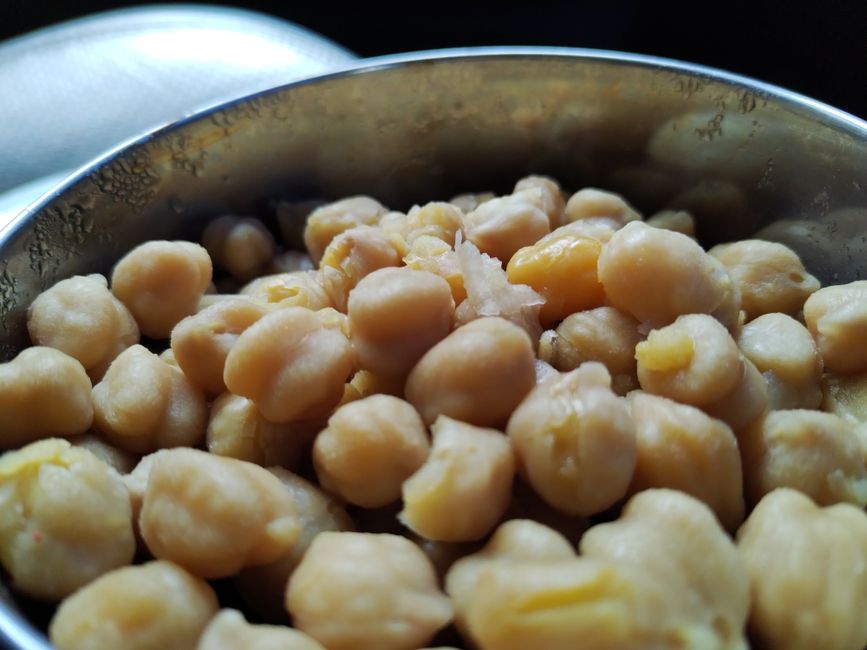
- Legumes — chickpeas, lentils and beans for plant-based zinc.
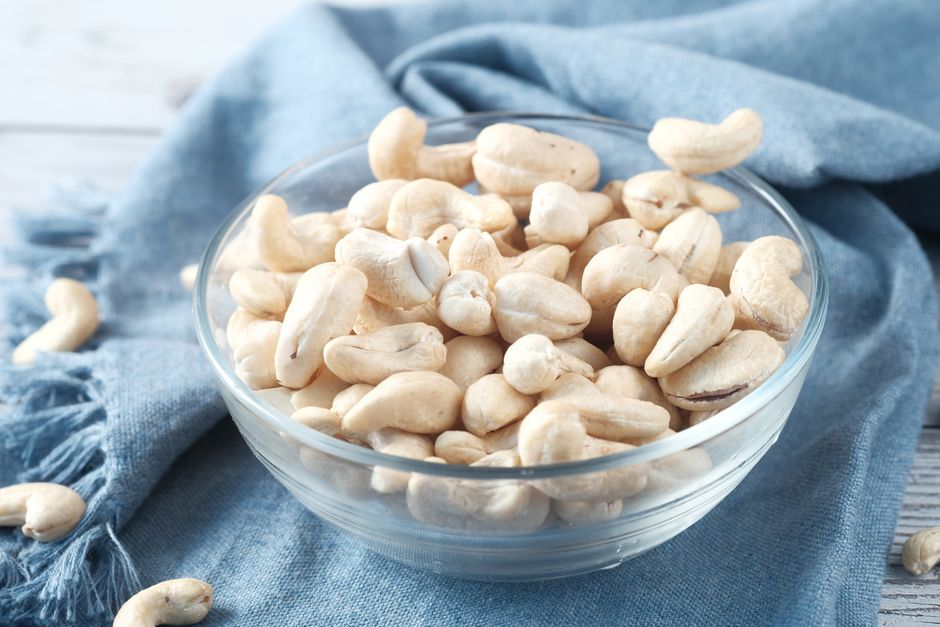
- Nuts and seeds — cashews, hemp seeds and more.
- Whole grains — providing zinc along with fiber.
Our guides to pumpkin seeds and cashews cover two zinc-rich favorites.
Easy zinc-rich trail mix
This simple trail mix combines several zinc-rich foods into a convenient snack.
Ingredients
- ½ cup pumpkin seeds
- ½ cup cashews
- ¼ cup hemp seeds
- ¼ cup dark chocolate chips
- ¼ cup dried cranberries
Instructions
- Combine all the ingredients in a bowl or jar.
- Mix well to distribute evenly.
- Store in an airtight container and enjoy a handful as a zinc-rich snack.
Animal vs. plant sources of zinc
Zinc is found in both animal and plant foods, but there is an important difference in how well your body absorbs it. Zinc from animal sources like meat, poultry and shellfish is generally more easily absorbed, which is part of why these foods are such efficient sources.
Plant sources like legumes, nuts, seeds and whole grains also provide zinc, but they contain compounds called phytates that can reduce its absorption. The good news is that simple preparation methods — soaking, sprouting or fermenting beans, grains and seeds — help reduce phytates and improve zinc absorption. This means that with a little know-how, plant-based eaters can absolutely meet their zinc needs through a varied, well-prepared diet.
How to get enough zinc
Meeting your zinc needs is straightforward with a varied, whole-food diet. Including a mix of zinc-rich foods across your meals ensures a steady supply of this important mineral.
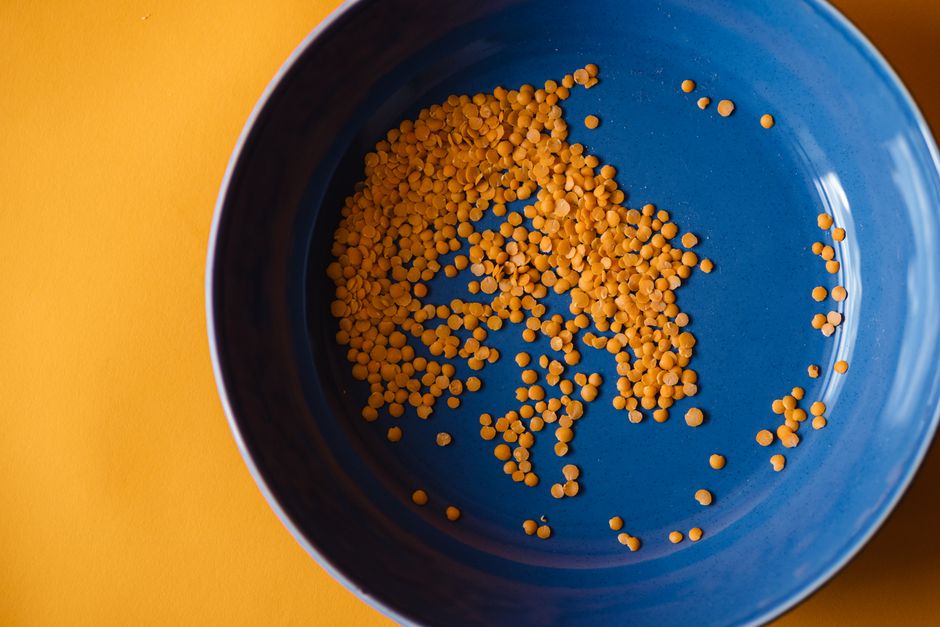
Snack on pumpkin seeds and cashews, enjoy legumes like chickpeas and lentils in soups and salads, include lean meats or shellfish if you eat them, and choose whole grains over refined. For plant-based eaters, leaning on seeds, legumes and nuts — prepared by soaking or sprouting where possible — helps maximize absorption. A diverse diet built around these foods naturally provides the zinc your immune system and body need.
Signs you might need more zinc
Because zinc supports so many functions, falling short can show up in various ways, though only a doctor can diagnose a deficiency. Some possible signs of low zinc include frequent illness or a weakened immune response, slow wound healing, and changes in taste or smell.
Other signs can include hair thinning and skin issues. Since these symptoms have many possible causes, they are not proof of a zinc deficiency, but if you experience them and eat a diet low in zinc-rich foods, boosting your intake is a sensible step. Certain groups, including vegetarians, vegans and pregnant women, may have higher needs. As always, speak with your doctor if you have ongoing concerns.
Can you have too much zinc?
While getting enough zinc is important, it is also worth knowing that more is not always better. When it comes to zinc from food, there is very little to worry about, as a normal, varied diet provides a healthy amount without any risk of overdoing it.
The caution applies mainly to supplements, where taking high doses of zinc over time can actually backfire, interfering with the absorption of other minerals like copper and potentially upsetting your stomach. This is exactly why food is the ideal source: it delivers zinc safely, in balanced amounts, alongside other nutrients. For most people, focusing on zinc-rich whole foods is the smartest, safest approach, with supplements reserved for cases where a doctor specifically recommends them. If you do take a zinc supplement for a cold or another reason, it is best used short-term and at sensible doses rather than as a high-dose daily habit, and checking with a healthcare provider is always wise.
Zinc is a quiet but mighty mineral, essential for immunity, healing, growth and so much more. The solution to getting enough is delicious: pumpkin seeds, cashews, legumes, whole grains, and lean meats or shellfish are all naturally rich in zinc. By building your meals and snacks around these whole foods — and preparing plant sources to boost absorption — you can support your immune system and overall health the natural way. A zinc-rich trail mix is a tasty place to start.
Mineral-rich nutrition, the Green Apple way
We pack our menu with nutrient-dense whole foods like seeds, nuts and legumes. Come discover smoothies, bowls and snacks that make getting your minerals delicious.
Black beans are a great plant source of zinc — discover more about black beans.
Frequently asked questions
What foods are high in zinc?
Good sources include pumpkin seeds, meat and poultry, shellfish (especially oysters), legumes like chickpeas and lentils, nuts and seeds such as cashews and hemp seeds, and whole grains. Variety helps you get enough.
Why is zinc important?
Zinc is an essential mineral involved in hundreds of processes. It supports the immune system, aids wound healing, helps your body make proteins and DNA, maintains taste and smell, and supports skin health.
How do you make a zinc-rich snack?
Combine ½ cup pumpkin seeds, ½ cup cashews, ¼ cup hemp seeds, ¼ cup dark chocolate chips and ¼ cup dried cranberries for an easy zinc-rich trail mix. It takes about 5 minutes.
Can you get enough zinc on a plant-based diet?
Yes. Legumes, nuts, seeds and whole grains all provide zinc. Plant sources contain phytates that reduce absorption, but soaking, sprouting or fermenting them helps. A varied, well-prepared plant-based diet can meet your zinc needs.