
Magnesium-Rich Foods: The Best Sources to Eat More Of

Magnesium-Rich Foods: The Best Sources to Eat More Of
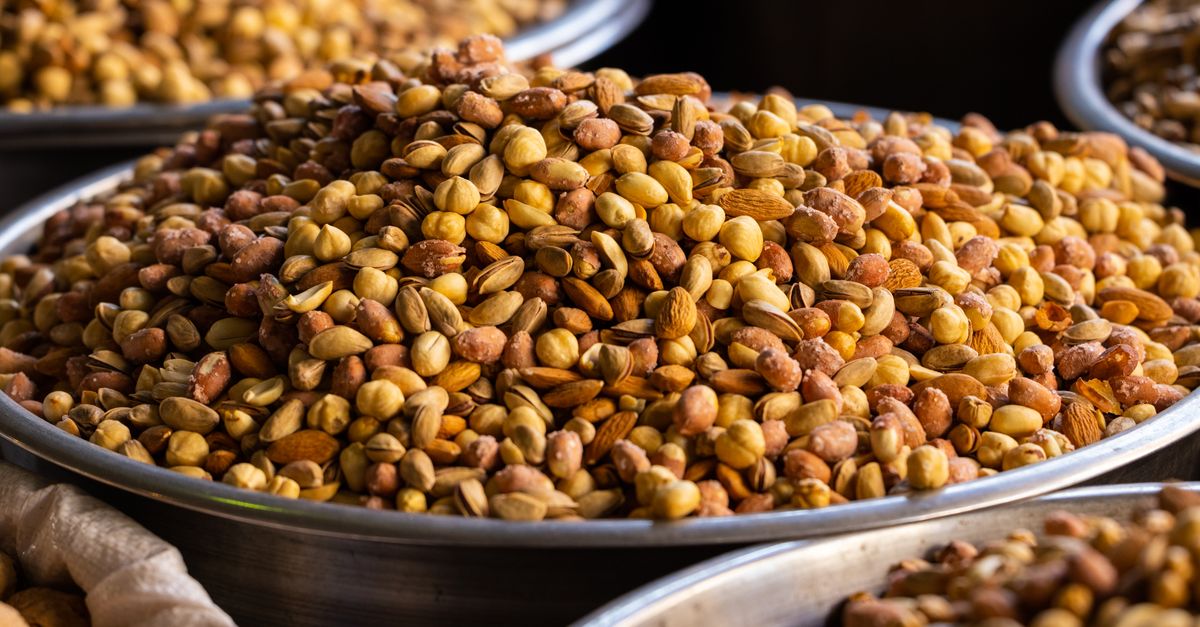
Magnesium is one of the most important minerals your body needs, yet many people do not get enough of it. Involved in hundreds of processes — from energy production to muscle function and sleep — magnesium is essential for feeling your best. The good news is that plenty of delicious whole foods are naturally rich in it, making it easy to top up through your diet.
Here are the best magnesium-rich foods, why this mineral matters, and an easy magnesium-boosting smoothie recipe with prep time.
Why magnesium matters
Magnesium is a mineral involved in more than 300 enzyme reactions in the body, making it absolutely vital for health. It plays a key role in producing energy, supporting healthy muscles and nerves, regulating blood sugar, and even helping you relax and sleep.
Despite its importance, surveys suggest that many people fall short of their daily magnesium needs. Modern diets high in processed foods tend to be low in this mineral, which is found mostly in whole, plant-based foods. Eating more magnesium-rich foods is a simple, natural way to support your energy, mood and overall wellbeing.
The benefits of magnesium
Getting enough magnesium supports your body in many important ways.

- Supports energy production — magnesium helps convert food into usable energy.
- Promotes muscle function — important for relaxation and preventing cramps.
- May improve sleep — magnesium supports the systems that help you relax.
- Helps regulate blood sugar — playing a role in insulin function.
- Supports bone health — a large share of body magnesium is stored in bones.
As Healthline reports, magnesium is essential for energy, muscle and nerve function, and is found in many nuts, seeds, greens and legumes.
The best magnesium-rich foods
Many everyday whole foods are excellent sources of magnesium. Building your meals around these makes getting enough effortless.
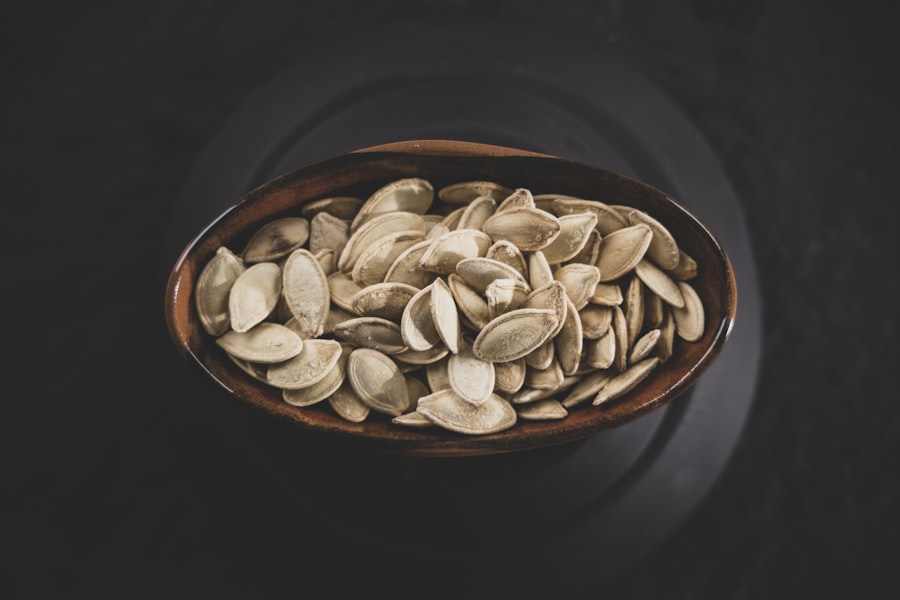
- Pumpkin seeds — one of the richest sources, perfect for snacking.
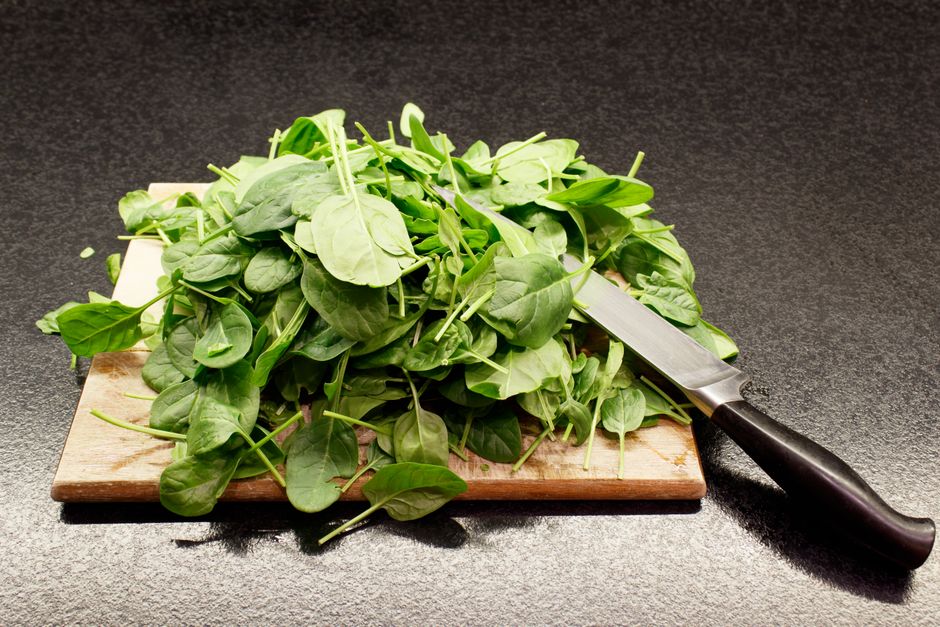
- Spinach and leafy greens — cooked spinach is especially high.
- Dark chocolate — a delicious source (choose 70% or higher).
- Almonds and cashews — convenient, magnesium-packed nuts.
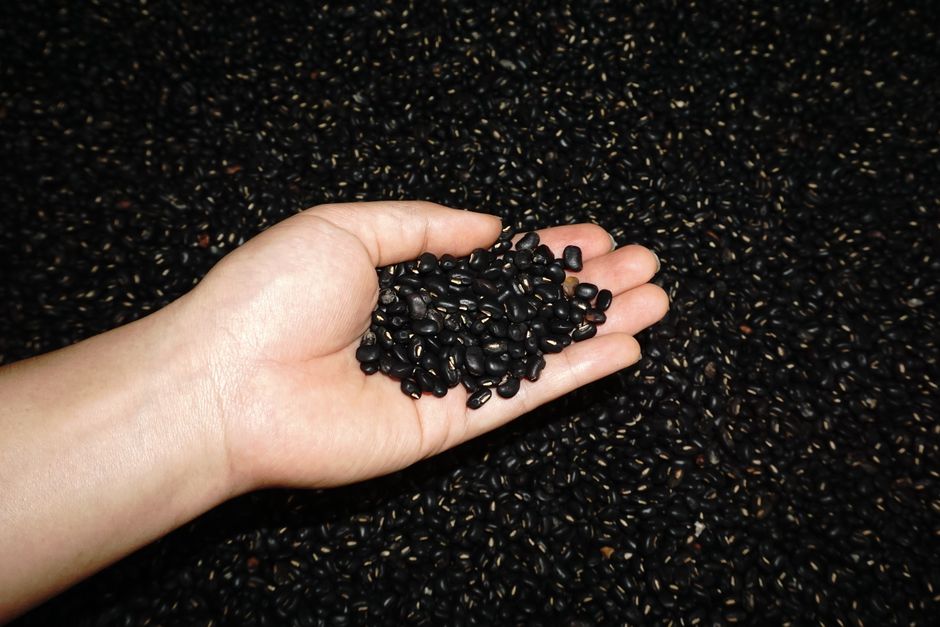
- Black beans and legumes — hearty, fiber-rich and mineral-dense.
- Avocado and bananas — creamy fruits with a good magnesium boost.
Our guide to cashews and sunflower seeds covers two more nutrient-dense options.
Easy magnesium smoothie recipe
This rich, chocolatey smoothie combines several magnesium-rich foods into one delicious treat.
Ingredients
- 1 frozen banana
- 1 tablespoon cocoa powder
- 1 tablespoon almond butter
- 1 handful spinach
- 1 cup milk of choice
- 1 teaspoon honey (optional)
Instructions
- Add all the ingredients to a blender.
- Blend until smooth and creamy.
- Pour and enjoy this magnesium-rich treat.

Signs you might need more magnesium
Because magnesium is involved in so many processes, falling short can show up in various ways. While only a doctor can diagnose a deficiency, some common signs are worth being aware of.
These can include muscle cramps and twitches, fatigue and low energy, difficulty sleeping, and feeling more stressed or on edge than usual. Since these symptoms have many possible causes, they are not proof of a deficiency, but if you experience them and eat a diet low in whole foods, boosting your magnesium intake is a sensible, healthy step. Eating more magnesium-rich foods is a safe, natural place to start, ideally alongside advice from your doctor if symptoms persist.
How to get enough magnesium
The best way to meet your magnesium needs is through a varied, whole-food diet, and it is easier than you might think. Simply including a mix of nuts, seeds, leafy greens, legumes and whole grains across your meals goes a long way.
Snack on a handful of pumpkin seeds or almonds, add spinach to smoothies and stir-fries, enjoy beans and lentils in soups and salads, and treat yourself to a square or two of dark chocolate. Because cooking and processing can reduce magnesium, leaning on whole, minimally processed foods helps you get the most. A diet rich in these foods naturally supports healthy magnesium levels and overall wellbeing.
Easy ways to add more magnesium
Small daily habits make a big difference to your magnesium intake.
- Add seeds — sprinkle pumpkin seeds on salads and oats.
- Blend in greens — a handful of spinach in your smoothie.
- Snack on nuts — almonds and cashews are easy on-the-go options.
- Choose whole grains — brown rice, oats and quinoa over refined.
- Enjoy dark chocolate — a delicious, mineral-rich treat in moderation.
A magnesium-rich smoothie is one of the easiest ways to combine several sources at once.
Can you get too much magnesium?
When it comes to magnesium from food, there is very little to worry about. Your kidneys are excellent at removing any excess magnesium you get from a normal diet, so it is essentially impossible to overdo it by eating magnesium-rich whole foods like nuts, seeds and greens.
The picture is different with supplements, where very high doses can cause digestive upset such as loose stools, and very large amounts can be harmful, especially for people with kidney problems. This is exactly why food is the ideal source: it delivers magnesium safely, alongside fiber and other nutrients, with built-in protection against overdoing it. For most people, focusing on magnesium-rich foods is the smartest, safest approach, with supplements reserved for cases where a doctor advises them.
When magnesium matters most
Magnesium supports your body around the clock, but a few moments stand out. In the evening, magnesium-rich foods may help you relax and wind down, supporting better sleep. After exercise, magnesium supports muscle recovery and helps prevent cramps.
During stressful periods, when the body uses up more magnesium, keeping your intake up is especially helpful. And as part of everyday energy and focus, steady magnesium levels keep you feeling your best. Building these foods into your daily routine ensures your body always has what it needs to thrive.
Magnesium is a quiet powerhouse mineral, essential for energy, muscles, sleep and so much more — yet easy to fall short on. The solution is delicious: nuts, seeds, leafy greens, legumes, avocado and even dark chocolate are all naturally rich in magnesium. By building your meals and snacks around these whole foods, and blending them into treats like a chocolate smoothie, you can support your magnesium levels and your overall wellbeing the natural way.
Nutrient-rich by nature, the Green Apple way
We pack our menu with whole, nutrient-dense ingredients like leafy greens, seeds and nuts. Come discover smoothies, bowls and juices that make getting your minerals delicious.
Magnesium also supports energy — see our guide to the best foods for energy.
Frequently asked questions
What foods are high in magnesium?
Excellent sources include pumpkin seeds, spinach and leafy greens, dark chocolate, almonds, cashews, black beans and other legumes, avocado, bananas and whole grains. Building meals around these makes getting enough easy.
Why is magnesium important?
Magnesium is involved in more than 300 reactions in the body. It supports energy production, healthy muscles and nerves, blood sugar regulation, bone health, and helps you relax and sleep.
How do you make a magnesium smoothie?
Blend 1 frozen banana, 1 tablespoon cocoa powder, 1 tablespoon almond butter, a handful of spinach and 1 cup milk until smooth. It combines several magnesium-rich foods and takes about 5 minutes.
What are the signs of low magnesium?
Possible signs include muscle cramps and twitches, fatigue, trouble sleeping and feeling more stressed. These have many causes, so they are not proof of deficiency, but boosting magnesium-rich foods is a safe step, ideally with a doctor’s advice if symptoms persist.