Antioxidant Foods: Eat the Rainbow for Better Health
Antioxidant Foods: Eat the Rainbow for Better Health
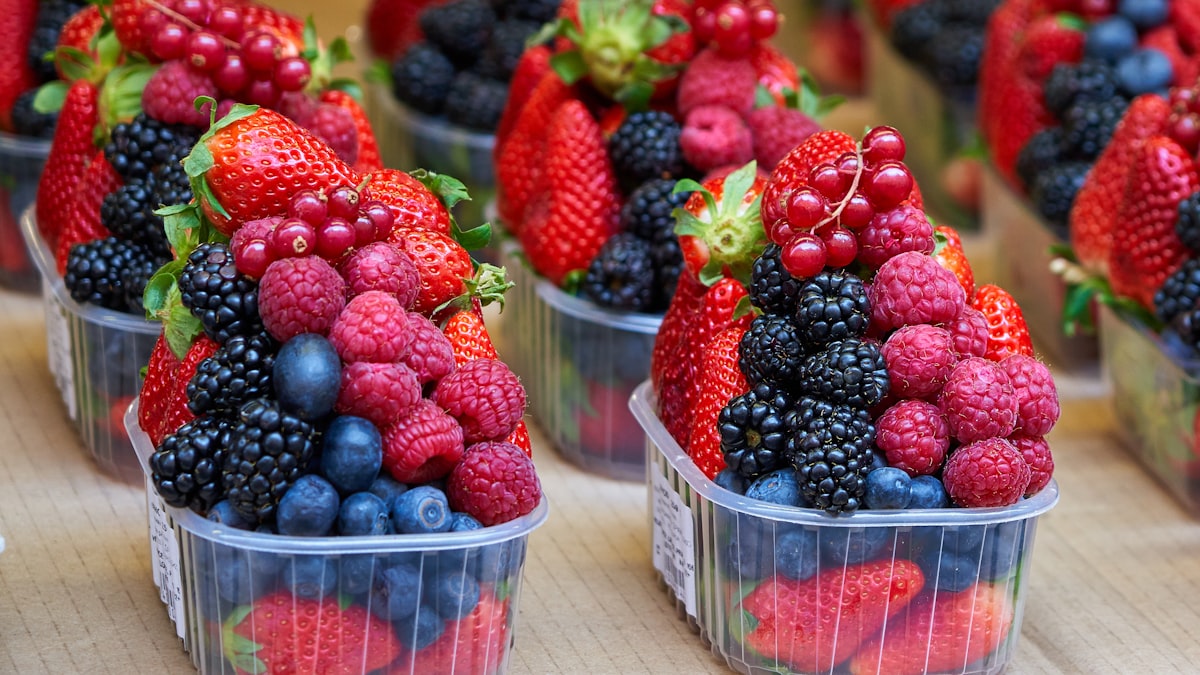
You have probably heard that antioxidants are good for you, but what exactly are they, and which foods are richest in them? Antioxidants are powerful compounds that help protect your cells from damage, supporting healthy aging and overall wellbeing. The best way to get them is gloriously simple: eat a colorful, varied diet.
Here is what antioxidants do, the best antioxidant-rich foods to eat, and an easy antioxidant berry bowl recipe with prep time.
What are antioxidants?
Antioxidants are compounds that protect your cells from damage caused by unstable molecules called free radicals. Free radicals form naturally in your body and from external sources like pollution, sun and stress, and over time they can damage cells in a process called oxidative stress.
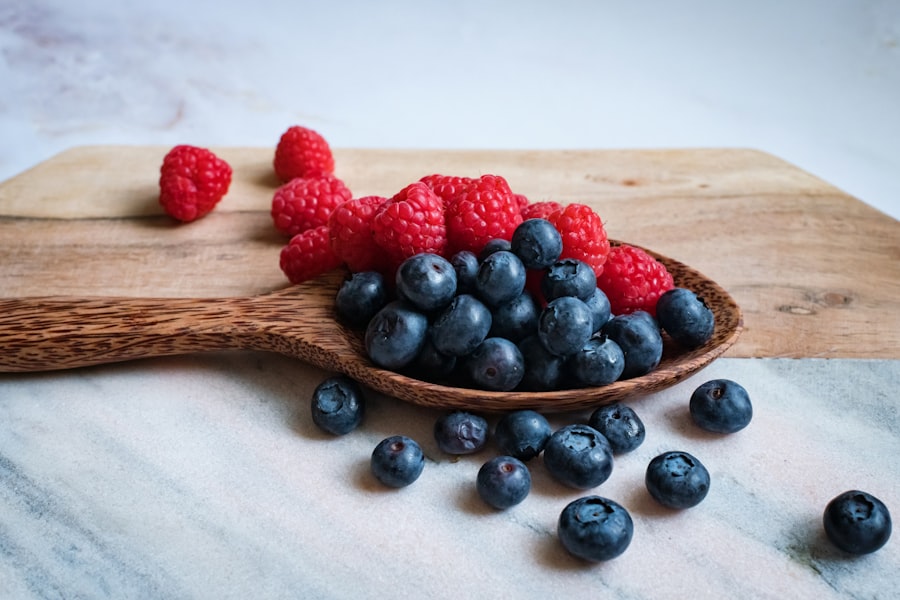
Antioxidants neutralize these free radicals, helping to limit the damage. This is why a diet rich in antioxidants is linked to healthy aging and a lower risk of many chronic conditions. Your body makes some antioxidants, but you also get a wealth of them from colorful plant foods.
The best antioxidant-rich foods
Some foods are especially rich in these protective compounds.
- Berries — blueberries and others are among the most antioxidant-rich foods.
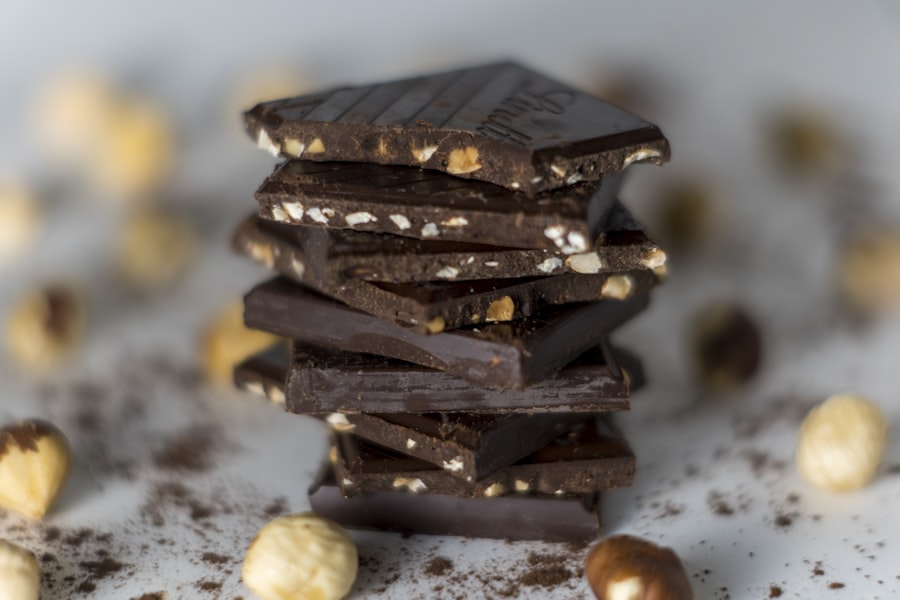
- Dark chocolate — rich in flavonoid antioxidants (in moderation).
- Colorful vegetables — the deeper the color, the more antioxidants.
- Nuts and seeds — especially walnuts and pecans.
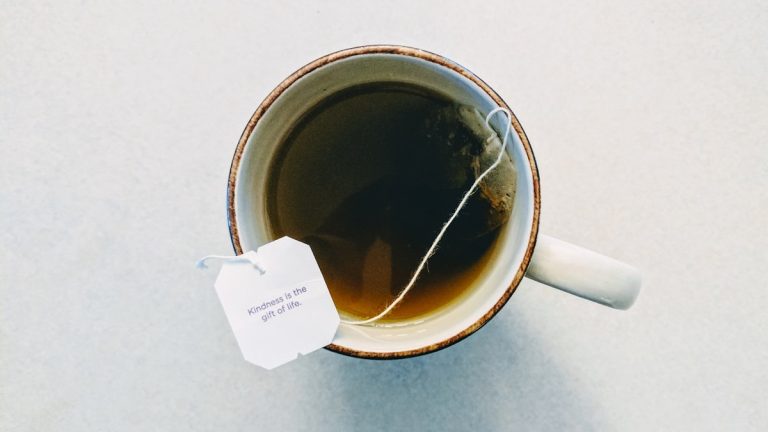
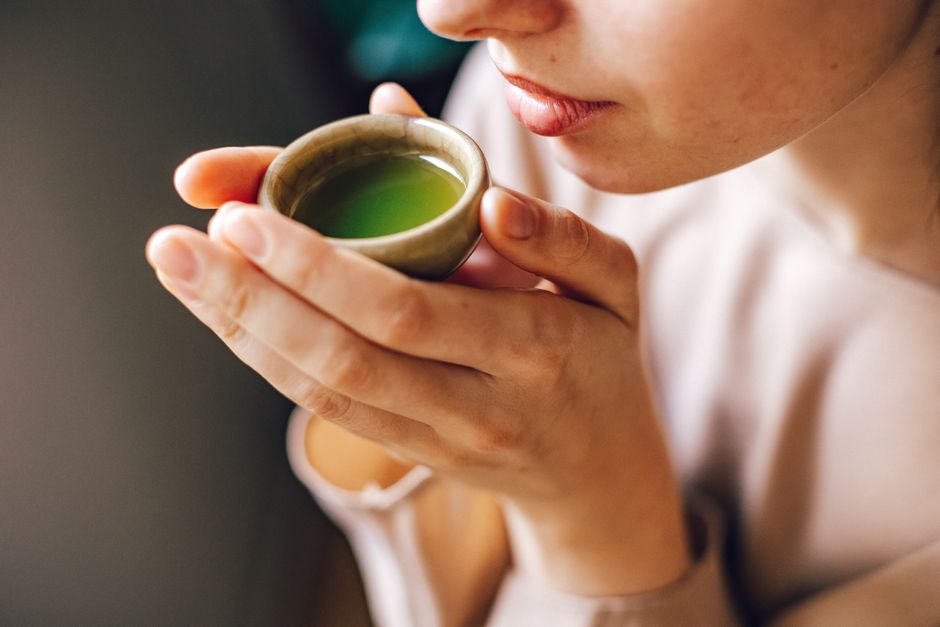
- Green tea — rich in powerful catechin antioxidants.
- Spices — turmeric, cinnamon and others are antioxidant powerhouses.
As Medical News Today notes, antioxidant-rich foods like berries, dark chocolate, nuts and colorful vegetables help protect cells from oxidative stress.
Eat the rainbow
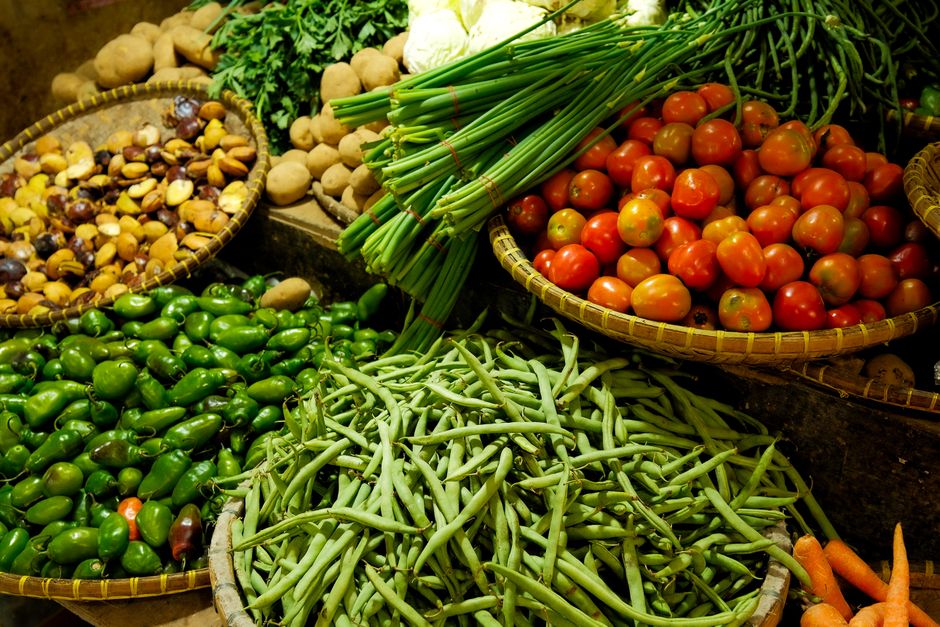
The single best piece of advice for getting plenty of antioxidants is to “eat the rainbow.” The vibrant colors of fruits and vegetables come from different antioxidant compounds, so eating a wide variety of colors ensures you get a broad range of these protective nutrients.
The deep blue of blueberries, the bright red of tomatoes, the orange of carrots and sweet potatoes, the green of leafy vegetables — each color represents different antioxidants with different benefits. Filling your plate with as many colors as possible is a simple, delicious way to maximize your antioxidant intake, much like the approach in our guide to foods for glowing skin.
Easy antioxidant berry bowl recipe
This simple bowl brings together several top antioxidant foods in one delicious treat.
Ingredients
- 1 cup Greek yogurt
- ½ cup mixed berries
- 1 tablespoon dark chocolate shavings
- 1 tablespoon nuts
- A drizzle of honey
Instructions
- Spoon the Greek yogurt into a bowl.
- Top with berries, dark chocolate and nuts.
- Drizzle with honey and enjoy.
Antioxidants and healthy aging
One of the most exciting areas of antioxidant research is their role in healthy aging. Oxidative stress and the cellular damage it causes are thought to be a major factor in the aging process and in many age-related conditions.
By neutralizing free radicals, antioxidants help protect your cells over time, supporting not just longevity but also how well you feel and function as you age. A diet consistently rich in colorful, antioxidant-packed foods is one of the most powerful and enjoyable things you can do to support healthy aging, alongside other anti-inflammatory foods.
Antioxidants for your skin and brain
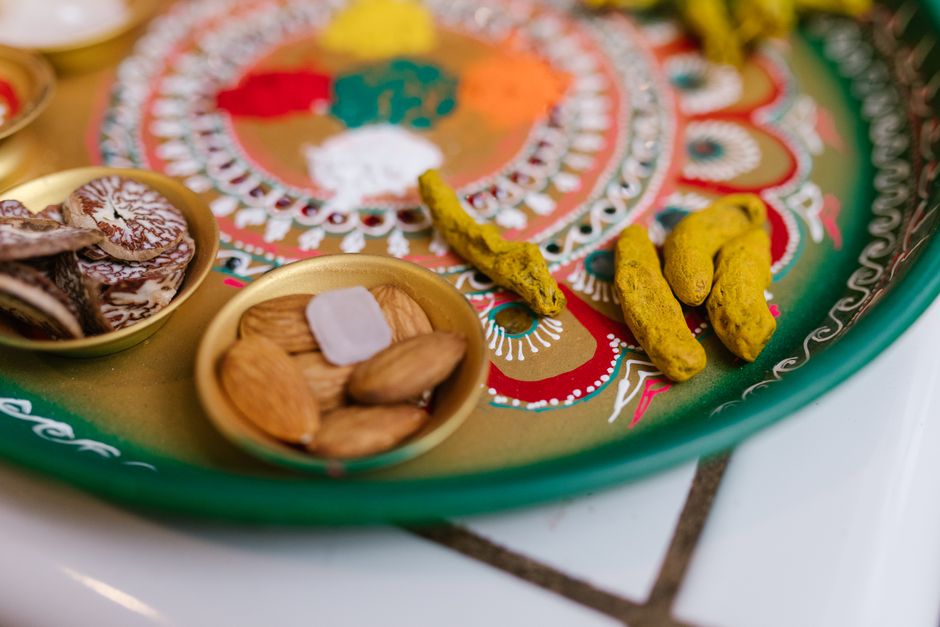
Two of the biggest beneficiaries of antioxidants are your skin and your brain. For your skin, antioxidants like vitamins C and E help protect against the daily damage from sun and pollution that ages skin, supporting a healthy, youthful complexion from within.
For your brain, antioxidants help protect brain cells from oxidative stress, and a diet rich in them, especially from berries, is linked to better memory and brain health with age. Eating the rainbow truly benefits you from head to toe, as our guide to brain foods explores.
Should you take antioxidant supplements?
With all this talk of antioxidants, you might wonder about supplements — but the research is clear that food is best. Studies on high-dose antioxidant supplements have been disappointing and sometimes even harmful, whereas antioxidants from whole foods are consistently linked to better health.
This is likely because whole foods provide antioxidants in balanced, natural amounts alongside fiber and other beneficial compounds that work together. The takeaway is simple and reassuring: skip the pills and focus on eating a colorful, varied diet rich in fruits, vegetables and other whole foods.
Antioxidant drinks
It is not just foods that are rich in antioxidants — some drinks are excellent sources too. Green tea is a standout, packed with powerful catechin antioxidants, while coffee is actually one of the biggest sources of antioxidants in many people’s diets.
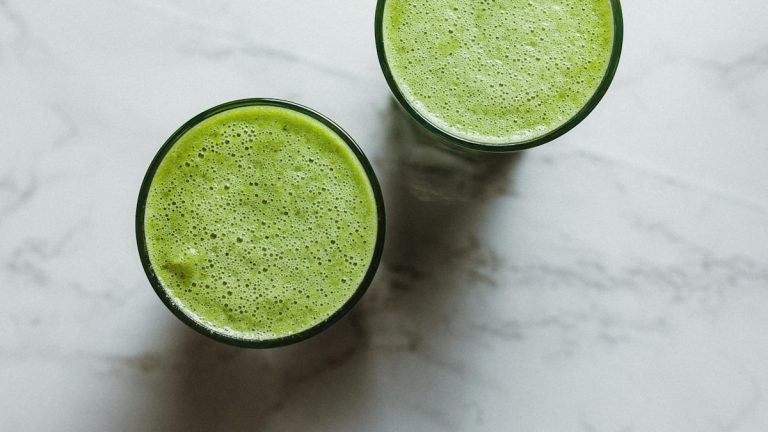
Freshly made vegetable and fruit juices and smoothies deliver a concentrated dose of antioxidants from colorful produce. Swapping a sugary soda for green tea or a berry smoothie is a simple, delicious way to boost your antioxidant intake through the day, alongside antioxidant-rich foods.
Cooking and antioxidants
How you prepare your food can affect its antioxidant content, sometimes in surprising ways. While some antioxidants, like vitamin C, are reduced by heat, others actually become more available when cooked.
For example, your body absorbs more of the antioxidant lycopene from cooked tomatoes than raw ones. The best approach is variety: enjoy a mix of raw and cooked colorful produce, and avoid overcooking, which can destroy delicate nutrients. Eating a wide range of foods prepared different ways gives you the broadest antioxidant benefit.
A simple antioxidant habit
The easiest way to get plenty of antioxidants is to make every meal colorful. Aim to include at least a couple of different colored fruits or vegetables on your plate at each meal, and you will naturally take in a wide, protective range of these compounds every day, with no counting or effort required.
Antioxidants are some of your body’s most valuable allies, protecting your cells from damage and supporting healthy aging, skin and brain health. The best way to get them is also the most delicious: eat a colorful, varied diet rich in berries, vegetables, nuts, dark chocolate, green tea and spices. Forget the supplements, fill your plate with as many colors as you can, and let these powerful, protective foods support your health for years to come.
Colorful and protective, the Green Apple way
We pack our smoothies, juices and bowls with antioxidant-rich, colorful ingredients like berries and leafy greens — no concentrates, no added sugar — so eating the rainbow is easy and delicious. Explore more healthy food in Miami with us.
These same antioxidants support healthy aging — see our guide to the best anti-aging foods.
For a delicious, antioxidant-rich drink, you may also enjoy the heart-friendly benefits of grape juice.
Frequently asked questions
What are antioxidants?
Antioxidants are compounds that protect your cells from damage caused by free radicals — unstable molecules from natural processes and sources like pollution and sun. A diet rich in antioxidants supports healthy aging and overall wellbeing.
What are the best antioxidant foods?
Berries, dark chocolate, colorful vegetables, nuts and seeds, green tea, and spices like turmeric and cinnamon are among the most antioxidant-rich foods. Eating a variety of colorful plant foods provides the broadest range.
What does “eat the rainbow” mean?
It means eating a wide variety of colorful fruits and vegetables. Different colors come from different antioxidant compounds, so eating many colors ensures you get a broad range of protective nutrients.
Should you take antioxidant supplements?
No — food is best. High-dose antioxidant supplements have shown disappointing or even harmful results in studies, while antioxidants from whole foods are consistently linked to better health. Focus on a colorful, varied diet instead.