Vitamin D Foods: Best Sources of the Sunshine Vitamin
Vitamin D Foods: Best Sources of the Sunshine Vitamin
Known as the sunshine vitamin because our skin makes it from sunlight, vitamin D is essential for strong bones, a healthy immune system and much more. Yet vitamin D deficiency is surprisingly common, especially where sunshine is limited. While sunlight is the main source, certain foods can help, making vitamin D foods an important part of staying topped up.
Here are the best vitamin D foods, why this nutrient matters, and an easy vitamin D-rich breakfast recipe with prep and cook times.
Why vitamin D matters
Vitamin D is a fat-soluble nutrient that acts more like a hormone in the body, playing essential roles in health. Its most famous job is helping your body absorb calcium, making it crucial for strong, healthy bones and teeth.

Beyond bones, vitamin D supports a healthy immune system, muscle function and mood. Uniquely, your skin produces vitamin D when exposed to sunlight, which is why it is called the sunshine vitamin. However, factors like limited sun exposure, sunscreen, darker skin, and living far from the equator can all reduce how much you make, leaving many people short. This is where food and sensible sun exposure come in.
The benefits of vitamin D
Getting enough vitamin D supports your body in several important ways.
- Builds strong bones — by helping you absorb calcium.
- Supports the immune system — important for immune defense.
- Aids muscle function — supporting strength and movement.
- Supports mood — low levels are linked to low mood.
- Promotes overall health — with wide-ranging roles in the body.
As WebMD notes, vitamin D is essential for bone health and immunity, and deficiency is common, making food sources and sunlight important.
The best vitamin D foods
Relatively few foods naturally contain vitamin D, so these sources are especially valuable.
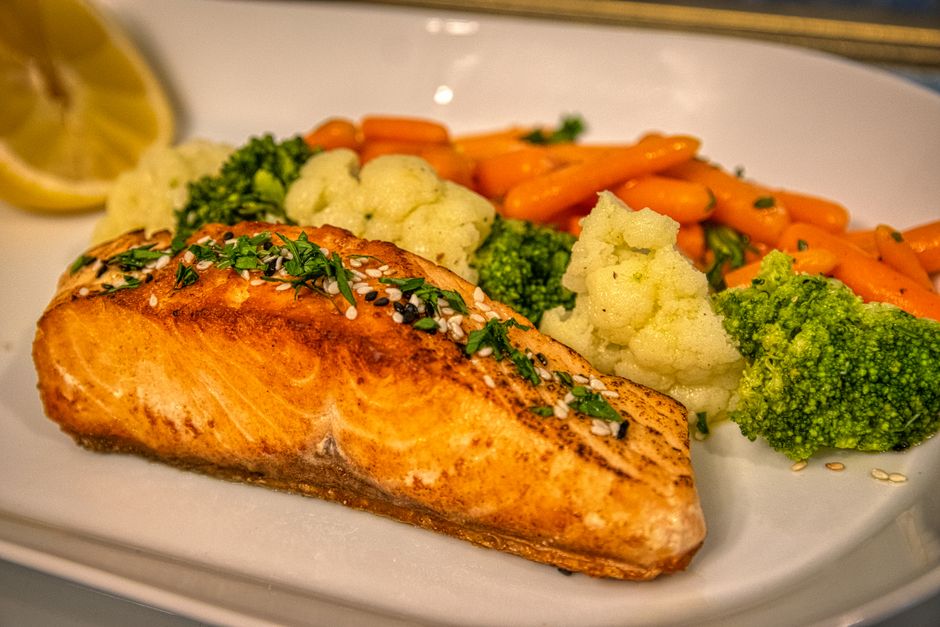
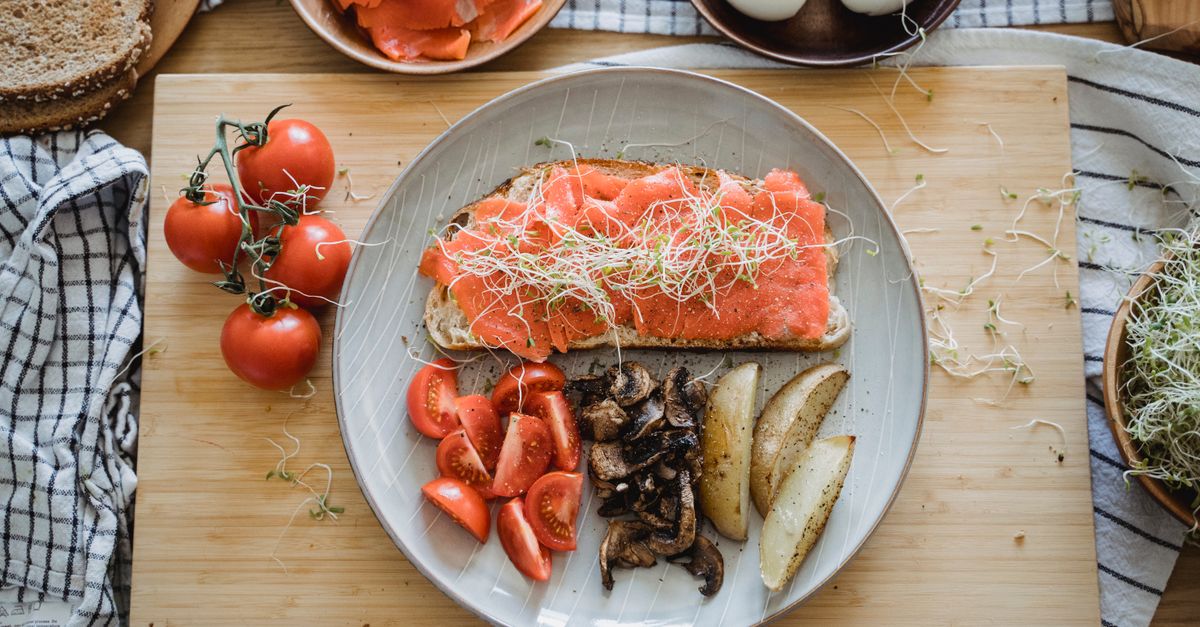
- Fatty fish — salmon, mackerel and sardines, among the best sources.
- Egg yolks — a convenient source of vitamin D.
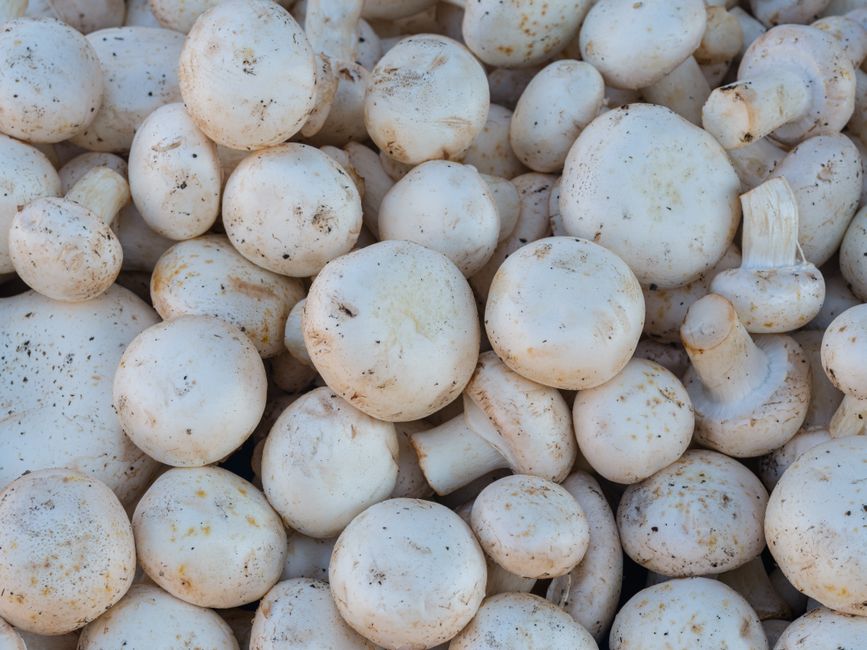
- Mushrooms — especially those exposed to UV light.
- Fortified foods — many milks, plant milks and cereals.
- Cod liver oil — a traditional, concentrated source.
- Fortified yogurt and juice — with added vitamin D.
Pair these with calcium-rich foods, since vitamin D helps you absorb calcium.
Easy vitamin D breakfast recipe
This savory scramble combines eggs and mushrooms, two natural vitamin D foods.
Ingredients
- 2 eggs
- 1 cup mushrooms, sliced
- 1 teaspoon olive oil
- 1 handful spinach
- 1 pinch of salt and pepper
Instructions
- Saute the mushrooms in olive oil until golden.
- Add the spinach and beaten eggs.
- Scramble gently until set, season, and serve warm.

Food, sunshine and supplements
Understanding the three ways to get vitamin D helps you stay topped up. Sunlight is the primary natural source, as your skin makes vitamin D when exposed to the sun, so sensible sun exposure is valuable, though it varies hugely with season, location and skin tone, and must be balanced against skin-cancer risk.
Food is the next source, but since few foods are naturally rich in vitamin D, fortified foods and fatty fish do a lot of the heavy lifting. For many people, especially in winter or with limited sun, a vitamin D supplement is a sensible and commonly recommended way to maintain healthy levels. The best approach combines vitamin D foods, sensible sunshine, and a supplement if your doctor advises it, particularly if you are at risk of deficiency.
Are you getting enough vitamin D?
Because vitamin D deficiency is so common, it is worth being aware of. Many people have low levels without realizing it, particularly those who get little sun exposure, live in northern climates, have darker skin, are older, or spend most of their time indoors.

Possible signs of low vitamin D can include fatigue, frequent illness, bone or muscle aches, and low mood, though these have many causes and are not proof of deficiency. The only way to know your level for sure is a simple blood test, which your doctor can arrange. If you are concerned or at risk, eating more vitamin D foods, getting sensible sunshine, and discussing a supplement with your doctor are all worthwhile steps.
Easy ways to get more vitamin D
Small habits help you boost your vitamin D intake.
- Eat oily fish — a couple of servings a week.
- Enjoy eggs — including the vitamin D-rich yolk.
- Choose fortified foods — milk, plant milks and cereals.
- Add mushrooms — especially UV-exposed varieties.
- Get sensible sunshine — a little daily outdoor time.
Combining vitamin D foods with a little daily sunshine is a smart approach.
When vitamin D matters most
Vitamin D is important throughout life, but some times call for extra attention. During winter and in less sunny climates, when skin makes little vitamin D, food and supplements become especially valuable. For bone health at all ages, and particularly later in life, adequate vitamin D supports strong bones.
It is also important during pregnancy and for growing children. Anyone spending most of their time indoors should pay attention too. Making vitamin D foods, sensible sunshine and, if needed, a supplement part of your routine helps ensure you stay topped up year-round.
Vitamin D and calcium: a vital partnership
When it comes to bone health, vitamin D has a crucial partner: calcium. The two work hand in hand, because vitamin D’s most important job is helping your body actually absorb the calcium you eat. Without enough vitamin D, even a calcium-rich diet cannot fully protect your bones.
This is why the two nutrients are so often considered together for bone strength. To support your bones, it makes sense to pair vitamin D foods and sensible sunshine with plenty of calcium-rich foods like dairy, leafy greens, tofu and fortified products. Together with weight-bearing exercise, this powerful partnership gives your bones everything they need to stay strong throughout life. Thinking of vitamin D and calcium as a team is one of the smartest approaches to lifelong bone health.
Vitamin D is essential for strong bones, a healthy immune system and overall wellbeing, yet deficiency is common. Because few foods are naturally rich in it, the best approach combines vitamin D foods — fatty fish, egg yolks, mushrooms and fortified products — with sensible sunshine and, if your doctor advises, a supplement. Pair these with calcium-rich foods for strong bones. With a little awareness, you can keep your levels of the sunshine vitamin healthy all year round.
Whole-body wellness, the Green Apple way
Our menu is full of wholesome, nutrient-rich foods that support your bones, immunity and overall health. Come discover smoothies, bowls and dishes made for a healthier you.
Frequently asked questions
What foods are high in vitamin D?
Few foods are naturally rich in vitamin D, but the best sources include fatty fish like salmon and mackerel, egg yolks, UV-exposed mushrooms, cod liver oil, and fortified foods like many milks, plant milks, cereals and juices.
How do you make a vitamin D breakfast?
Saute 1 cup sliced mushrooms in olive oil, then add a handful of spinach and 2 beaten eggs and scramble until set. Eggs and mushrooms are both natural vitamin D foods. Prep is 5 minutes, cook is 10 minutes.
Can you get enough vitamin D from food alone?
It can be difficult, since few foods are naturally rich in vitamin D. The best approach combines vitamin D foods with sensible sun exposure and, for many people especially in winter, a supplement if a doctor recommends it.
What are signs of low vitamin D?
Possible signs include fatigue, frequent illness, bone or muscle aches and low mood, though these have many causes. The only way to know for sure is a blood test. Those with little sun exposure are most at risk.