White Tea Benefits: The Delicate, Antioxidant-Rich Tea

White Tea Benefits: The Delicate, Antioxidant-Rich Tea
Delicate, subtle and exceptionally pure, white tea is the least processed of all true teas — and one of the most antioxidant-rich. Made from the young buds and leaves of the tea plant, this gentle tea offers a light, refreshing flavor along with impressive health benefits and very little caffeine. It is a refined, soothing tea to discover.
Here are the key white tea benefits, an easy white tea recipe with prep and steep times, and tips to brew it at its best.
What is white tea?
White tea comes from the same Camellia sinensis plant as green, black and oolong tea, but it is the least processed of them all. It is made from the youngest leaves and unopened buds, which are simply harvested and gently dried, with minimal oxidation.
This delicate handling gives white tea its name — the buds are often covered in fine silvery-white hairs — and its subtle, light flavor. Because it is so minimally processed, white tea retains a high level of natural antioxidants. With its gentle taste and low caffeine, it is a refined, soothing tea cherished by connoisseurs around the world.
The benefits of white tea
Behind its delicate flavor, white tea offers some impressive benefits.
- Exceptionally high in antioxidants — thanks to minimal processing.
- Low in caffeine — a gentle lift, easy on sensitive systems.
- Supports skin health — its antioxidants help protect cells.
- May support heart health — linked to its polyphenol content.
- Gentle and soothing — a light, refreshing, calming drink.
As WebMD notes, white tea is rich in antioxidants and, being minimally processed, retains high levels of beneficial polyphenols.
An antioxidant powerhouse
The standout white tea benefit comes down to its antioxidants. Because white tea is the least processed of all true teas, undergoing minimal oxidation, it retains a particularly high concentration of natural antioxidants called polyphenols, including catechins.
These antioxidants help protect your cells from the everyday damage caused by free radicals, which is linked to supporting skin, heart and overall health. Some research suggests white tea’s antioxidants may be especially well preserved thanks to its gentle processing. Sipping white tea is a delicate, delicious way to enjoy a rich dose of these protective compounds, complementing a diet full of antioxidant foods.
Easy white tea recipe
Brewing white tea is simple, but it rewards a gentle touch.
Ingredients
- 1 teaspoon white tea leaves (or 1 tea bag)
- 1 cup hot water (about 80°C / 175°F)
- Honey to taste (optional)
Instructions
- Place the white tea leaves in a cup or teapot.
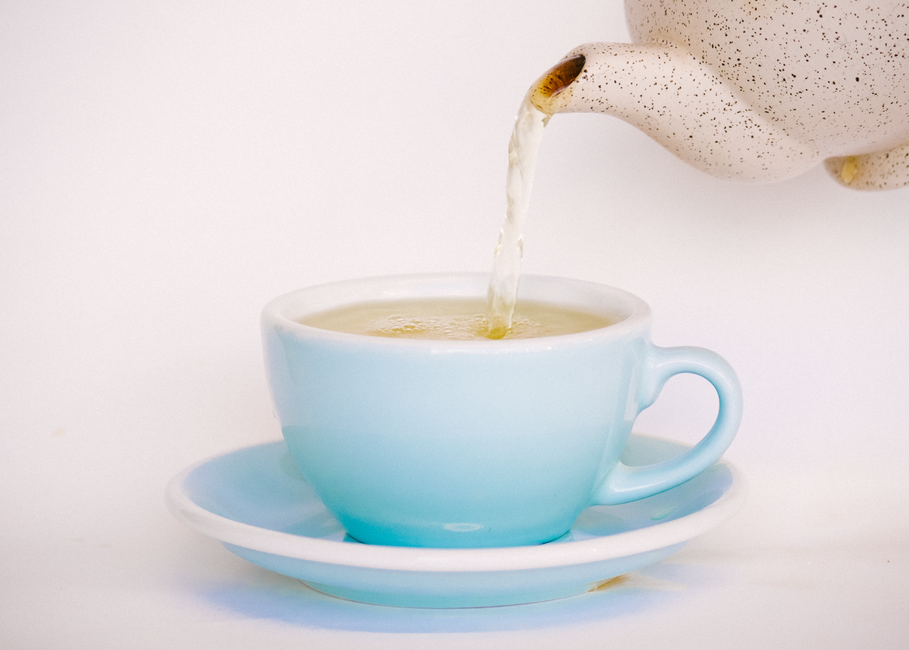
- Pour over the hot (not boiling) water.
- Steep gently for 3–4 minutes, strain, then enjoy.
Brewing white tea gently
White tea’s delicate nature means it rewards careful brewing, especially when it comes to water temperature. Because the leaves are so young and lightly processed, water that is too hot will scorch them and turn the tea bitter, masking its subtle, refined flavor.
Aim for water around 80°C, noticeably cooler than you would use for black tea; if you do not have a thermometer, let boiling water sit for a couple of minutes before pouring. A gentle steep of three to four minutes is ideal, and like other quality loose-leaf teas, white tea can often be re-steeped. Treat it gently, and you will be rewarded with a beautifully soft, delicate and refreshing cup.
Is white tea good for you?
For most people, white tea is a wonderfully healthy and gentle choice. It is exceptionally rich in antioxidants, low in caffeine, and linked to benefits for skin and heart health, making it a soothing, refined drink to enjoy.
Its low caffeine content makes white tea gentler than green, black or oolong tea, and a good option for those sensitive to caffeine, though it is still best enjoyed earlier in the day. Delicate and naturally subtle, white tea is lovely on its own, letting its soft flavor and rich antioxidants shine. It is one of the purest, most calming teas you can sip.
Delicious ways to enjoy white tea
White tea is best appreciated simply, but can be enjoyed in several ways.
- Plain and pure — to savor its delicate flavor.
- With a touch of honey — for gentle sweetness.
- Iced white tea — light and refreshing over ice.
- White tea with fruit — a slice of peach or berry for a subtle twist.
- Re-steeped — enjoy multiple gentle infusions.
White tea is best enjoyed plain to appreciate its subtle, refined character.
When to enjoy white tea
Thanks to its low caffeine, white tea is one of the more flexible true teas. In the morning, it makes a gentle, refreshing start with just a hint of caffeine. In the afternoon, its light, soothing nature offers a calming pick-me-up without overstimulation.
Because it is so low in caffeine, white tea can even be enjoyed a little later in the day than green or black tea, though earlier is still best for the caffeine-sensitive. It is also a lovely, refined tea to serve mindfully when you want a quiet, soothing moment. Whenever you want a delicate, antioxidant-rich cup, white tea is a gentle delight.
Exploring types of white tea
Like oolong, white tea comes in several lovely varieties, each with its own subtle character. The most prized is Silver Needle, made entirely from the plump, downy unopened buds, which gives the most delicate, sweet and refined cup of all.
White Peony, made from buds along with young leaves, is fuller-bodied and a little more robust while still gentle, making it a wonderful everyday white tea. Other regional styles offer their own nuances, from mellow and floral to subtly fruity. Because white tea is so delicate, the quality of the leaves really shines through, so it is worth seeking out good loose-leaf varieties. Exploring these different white teas is a quiet, rewarding pleasure for anyone who loves a gentle, refined cup.
White tea is the delicate, refined treasure of the tea world — the least processed and among the most antioxidant-rich of all. With its subtle flavor, low caffeine and rich polyphenols, it offers gentle benefits for skin, heart and overall health in the most soothing way. Brew it gently with cooler water, steep it briefly, and savor it plain to appreciate its softness. Pure, calming and beautiful, white tea is a quiet pleasure worth discovering.
Pure and gentle, the Green Apple way
We love pure, wholesome drinks made with real ingredients and nothing artificial. Come explore our menu of juices, smoothies and feel-good wellness drinks crafted with care.
For another gentle, caffeine-free, antioxidant-rich brew, discover rooibos tea.
Frequently asked questions
What are the benefits of white tea?
White tea is exceptionally rich in antioxidants thanks to minimal processing, low in caffeine, and linked to benefits for skin and heart health. Its gentle polyphenols help protect cells from everyday damage.
How do you brew white tea?
Steep 1 teaspoon of white tea leaves in 1 cup of hot (not boiling) water, around 80°C, for 3-4 minutes, then strain. Use cooler water than for black tea to avoid bitterness. Total time is about 5 minutes.
Does white tea have caffeine?
Yes, but only a little — white tea is generally lower in caffeine than green, black or oolong tea, making it a gentle option for those sensitive to caffeine, though earlier in the day is still best.
Why is white tea so high in antioxidants?
White tea is the least processed of all true teas, undergoing minimal oxidation, so it retains a particularly high concentration of natural antioxidants called polyphenols, including catechins.