Gut Health Foods: What to Eat for a Happy Gut


Gut Health Foods: What to Eat for a Happy Gut
Your gut does far more than digest food. It is home to trillions of bacteria that influence your digestion, immune system, and even your mood. Keeping that inner ecosystem healthy is one of the most powerful things you can do for your overall wellbeing.
Here are the best foods for gut health, the role of probiotics and fiber, and an easy gut-friendly recipe with prep time.
Why gut health matters
The community of microbes living in your gut — known as the gut microbiome — plays a surprisingly central role in your health. A balanced, thriving microbiome supports good digestion and a strong immune system.
Research increasingly links gut health to everything from immunity and inflammation to mood and energy. In fact, a large portion of your immune system lives in your gut. Feeding your microbiome well is a foundation of feeling good.
The best foods for gut health
A happy gut thrives on variety, but some foods are especially valuable.

- Yogurt and kefir — rich in probiotics, the beneficial bacteria your gut loves.
- Fermented foods — sauerkraut, kimchi and miso add more good bacteria.
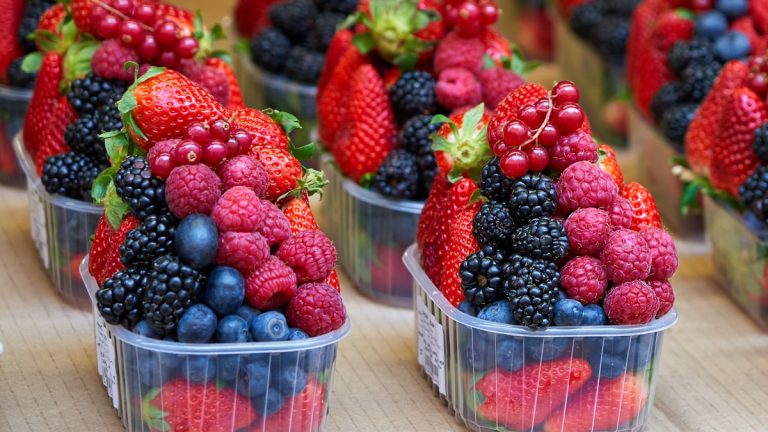
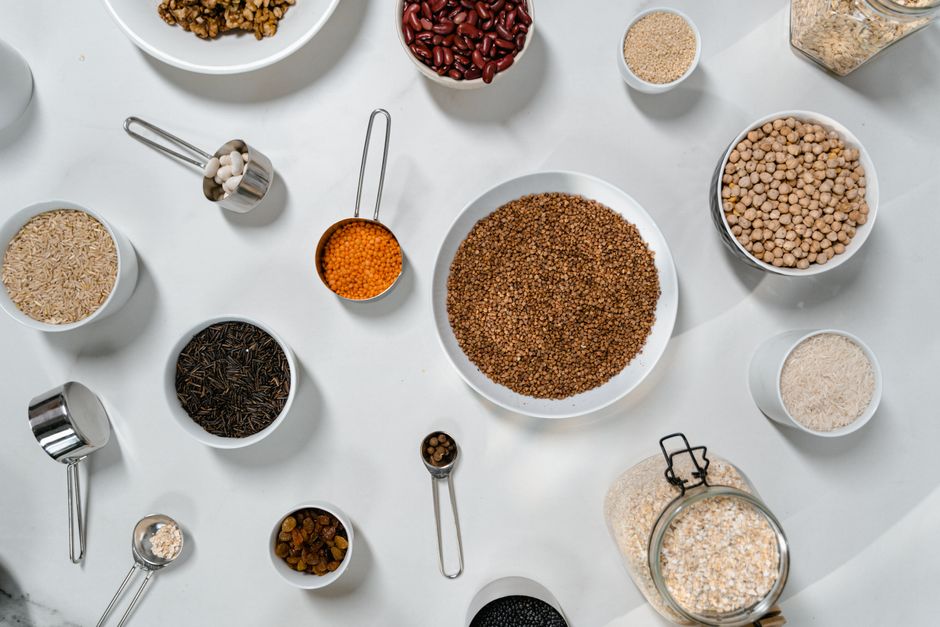
- High-fiber foods — vegetables, fruit, beans and whole grains feed your microbes.
- Whole grains — oats and others provide gut-friendly fiber.
- Garlic and onions — natural prebiotics that nourish good bacteria.
As Harvard’s Nutrition Source explains, a diet rich in fiber and fermented foods supports a diverse, healthy gut microbiome.
Probiotics vs. prebiotics
Two key players support your gut, and it helps to know the difference. Probiotics are the beneficial live bacteria themselves, found in fermented foods like yogurt, kefir, sauerkraut and kimchi.
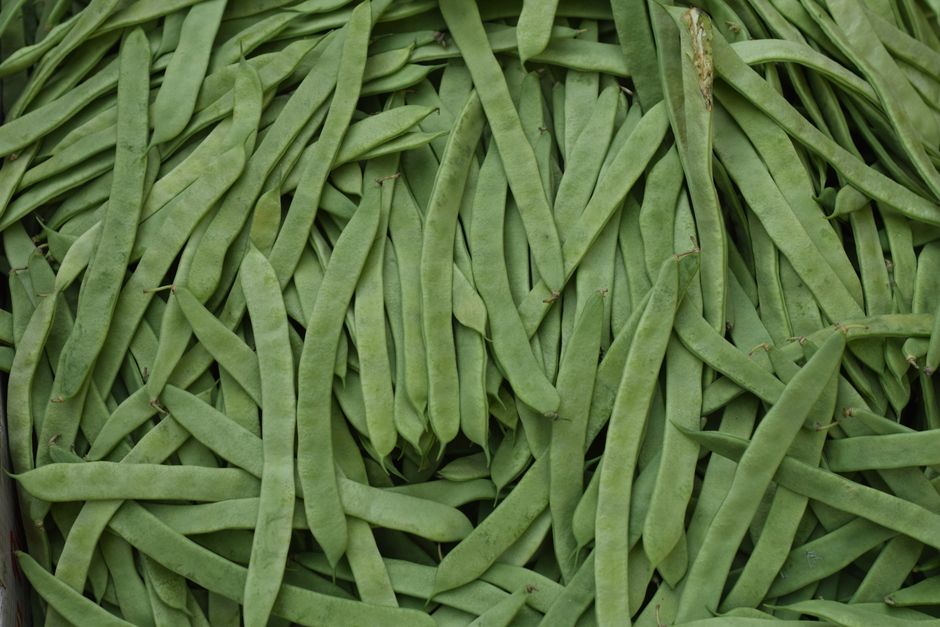
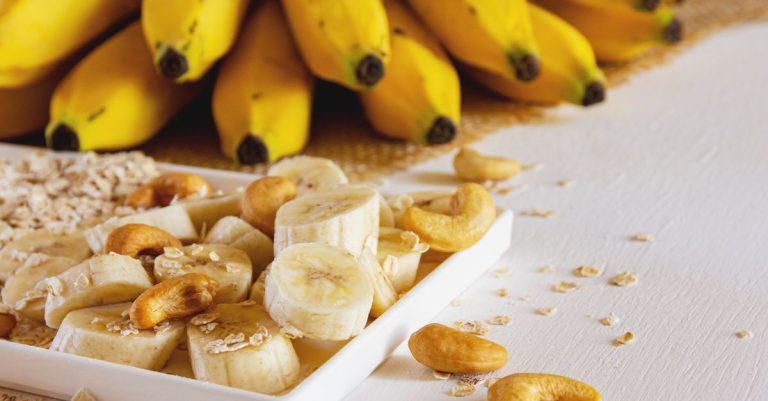
Prebiotics are the fibers that feed those good bacteria, found in foods like garlic, onions, bananas, oats and beans. You need both: probiotics to add good bacteria, and prebiotics to nourish them. Eating a mix of fermented and fiber-rich foods keeps your gut microbiome thriving.
The importance of fiber
If there is one nutrient your gut craves, it is fiber. Fiber is the main food source for your beneficial gut bacteria, which ferment it into compounds that nourish your gut lining and reduce inflammation.
A diet rich in a variety of fiber — from vegetables, fruit, whole grains, beans, nuts and seeds — supports a diverse, resilient microbiome. Most people do not get enough fiber, so gradually adding more is one of the best things you can do for your gut. Our guides to flaxseed and oats are great fiber-rich starting points.
Easy gut-friendly recipe
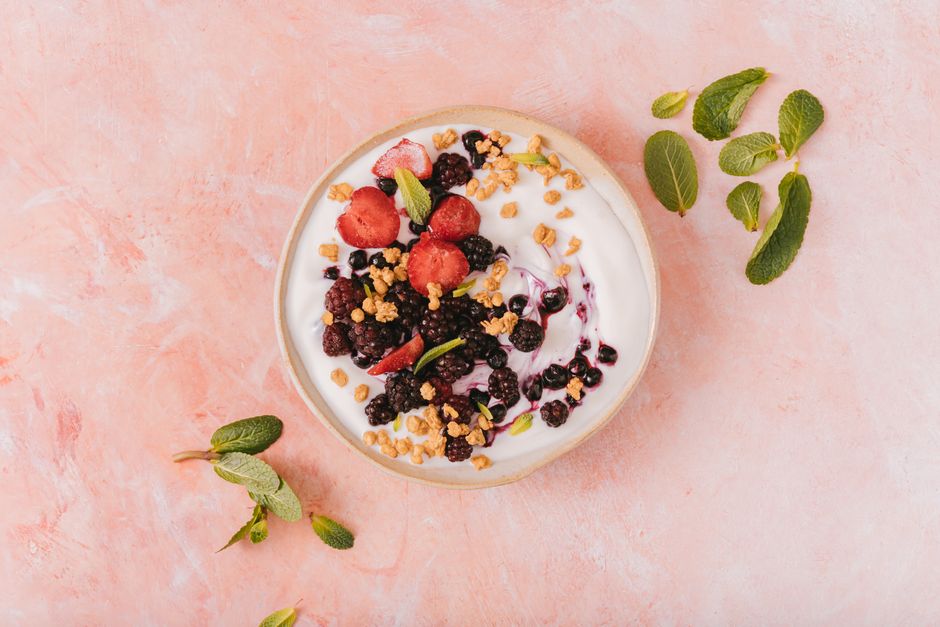
This simple yogurt bowl combines probiotics and prebiotic fiber in one delicious breakfast.
Ingredients
- 1 cup plain probiotic yogurt
- 1 tablespoon ground flaxseed
- ½ cup berries
- 1 tablespoon oats
- A drizzle of honey
Instructions
- Spoon the yogurt into a bowl.
- Top with flaxseed, berries and oats.
- Drizzle with honey and enjoy.
Fermented foods explained
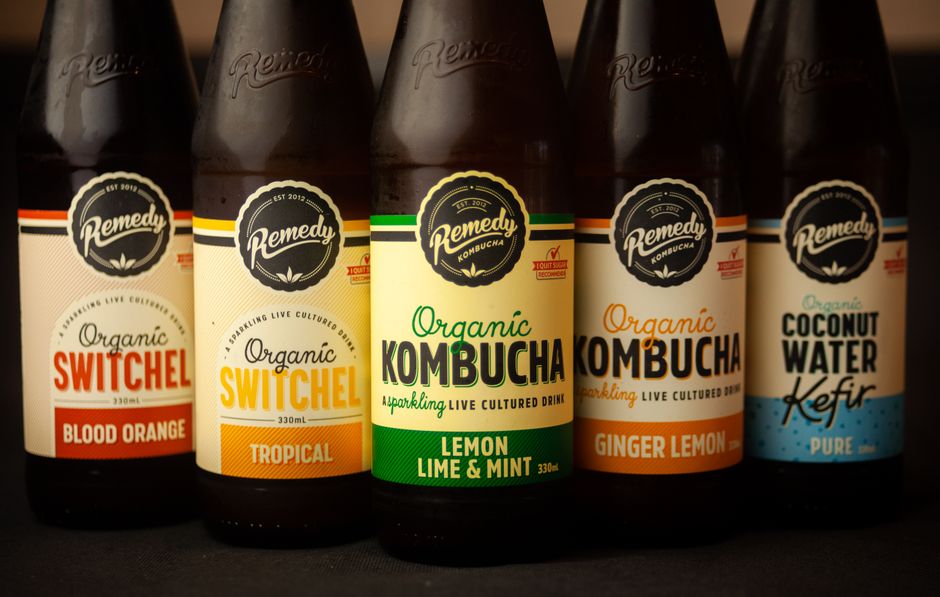
Fermented foods are some of the most powerful additions you can make for gut health. Fermentation uses beneficial bacteria to transform foods, and in the process creates probiotics that support your microbiome.
Yogurt and kefir are the most familiar, but sauerkraut, kimchi, miso, tempeh and kombucha all deliver gut-friendly bacteria. Adding a small serving of fermented food to your day — a spoonful of sauerkraut, a glass of kefir, a little kimchi — is a simple, traditional way to support a thriving gut.
The gut-brain connection
One of the most fascinating areas of gut research is the gut-brain connection. Your gut and brain are in constant communication, and the state of your microbiome may influence your mood, stress levels and mental clarity.
This is sometimes why your gut is called your “second brain.” While the science is still developing, it is a powerful reminder that caring for your gut may benefit far more than just digestion. A well-fed microbiome could be part of feeling calmer, clearer and more energized.
Foods that may harm your gut
Some foods and habits can disrupt your gut balance, so it helps to be mindful of them.
- Ultra-processed foods — often low in fiber and high in additives.
- Excess added sugar — may encourage less beneficial bacteria.
- Artificial sweeteners — some research suggests they may affect the microbiome.
- Too much alcohol — can disrupt the balance of gut bacteria.
The goal is balance: lean toward whole, fiber-rich and fermented foods, and keep the disruptive ones occasional.
Simple habits for a healthy gut
Beyond specific foods, a few everyday habits keep your gut happy. Eat a wide variety of plants each week, since diversity feeds a diverse microbiome. Stay hydrated to support digestion, and add fiber gradually to avoid discomfort.
Managing stress, getting enough sleep and staying active all support gut health too, thanks to that gut-brain connection. Small, consistent habits — a daily serving of fermented food, plenty of plants, good hydration — add up to a thriving gut over time.
How long does it take to improve gut health?
The encouraging news is that your gut microbiome can begin to shift surprisingly quickly. Studies suggest that changing your diet can start to alter your gut bacteria within just a few days.
That said, building a genuinely diverse, resilient microbiome is a longer-term project that rewards consistency over weeks and months. The key is to make gut-friendly eating a steady habit rather than a quick fix. Keep feeding your microbiome a variety of plants and fermented foods, and it will keep getting healthier over time.
Listen to your gut
Everyone’s gut is a little different, so pay attention to how foods make you feel. Introducing fiber and fermented foods gradually, and noticing what agrees with you, is the best way to find your own gut-friendly balance.
Your gut is at the heart of your health, influencing your digestion, immunity, mood and energy. The best way to care for it is gloriously simple: eat a wide variety of fiber-rich plants, include fermented foods for probiotics, stay hydrated, and ease back on processed foods and sugar. Feed your microbiome well, and this hidden ecosystem will reward you with better digestion and a stronger foundation for feeling good every day.
Feed your gut, the Green Apple way
We fill our smoothies and bowls with gut-friendly, fiber-rich ingredients like fruit, greens and seeds — no concentrates, no added sugar — so supporting your gut is easy and delicious. Explore the world of healthy food in Miami with us.
Fiber is your gut’s best friend — discover the best high-fiber foods.
For a traditional, fiber-rich way to support digestion and regularity, learn about the digestive benefits of prune juice.
Frequently asked questions
What are the best foods for gut health?
Yogurt, kefir and fermented foods like sauerkraut and kimchi provide probiotics, while high-fiber foods such as vegetables, fruit, beans, whole grains, garlic and onions feed your good bacteria.
What is the difference between probiotics and prebiotics?
Probiotics are the beneficial live bacteria found in fermented foods, while prebiotics are the fibers that feed them, found in foods like garlic, onions, bananas and oats. You need both for a healthy gut.
Why is fiber important for gut health?
Fiber is the main food source for your beneficial gut bacteria, which ferment it into compounds that nourish your gut lining and reduce inflammation. A variety of fiber supports a diverse microbiome.
How can I improve my gut health?
Eat a wide variety of fiber-rich plants, include fermented foods for probiotics, stay hydrated, add fiber gradually, and ease back on processed foods and sugar. Sleep, stress management and activity help too.