Oolong Tea Benefits: The Best of Green and Black Tea

Oolong Tea Benefits: The Best of Green and Black Tea
Sitting beautifully between green and black tea, oolong is a partially oxidized tea prized for its complex flavor and impressive health benefits. This traditional Chinese tea offers the antioxidants of green tea with a richer, fuller taste, plus a gentle, balanced caffeine lift. It is a sophisticated, rewarding tea to discover and enjoy.
Here are the key oolong tea benefits, an easy oolong tea recipe with prep and steep times, and tips to brew it at its best.
What is oolong tea?
Oolong tea, like green, black and white tea, comes from the leaves of the Camellia sinensis plant. What sets each type apart is how the leaves are processed, and specifically how much they are oxidized. Oolong is partially oxidized, placing it squarely between green tea (unoxidized) and black tea (fully oxidized).
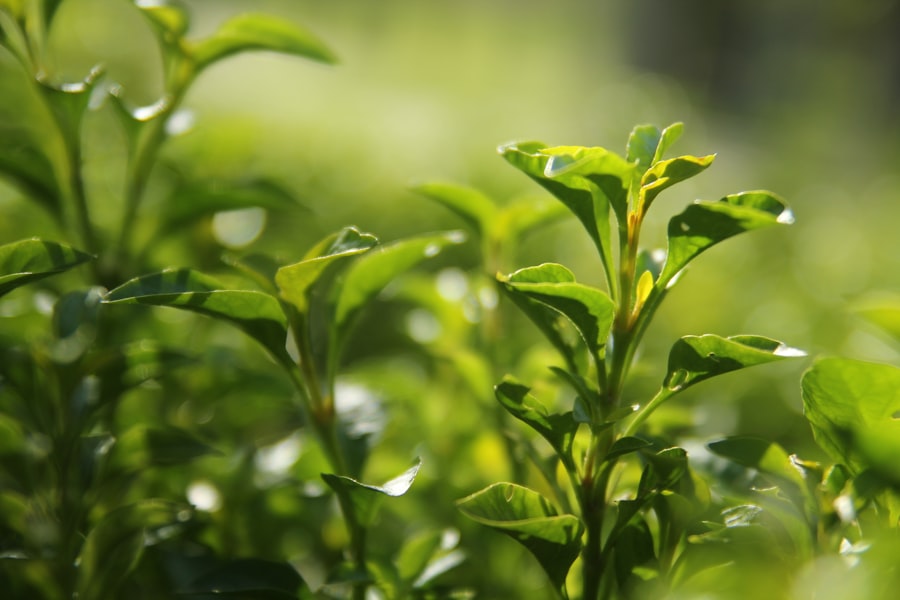
This partial oxidation gives oolong its wonderfully complex character, with flavors that can range from light and floral to rich and toasty depending on the variety. It also means oolong offers a balance of the benefits found in both green and black tea, along with a moderate caffeine content. It is a true connoisseur’s tea, rewarding to explore.
The benefits of oolong tea
Behind its complex flavor, oolong tea offers several appealing benefits.
- Rich in antioxidants — including beneficial polyphenols and catechins.
- May support metabolism — studied for its role in fat burning.
- Gentle, balanced energy — moderate caffeine for a smooth lift.
- Supports heart health — linked to healthy cholesterol in some studies.
- Promotes focus — caffeine and L-theanine together aid alertness.
As Healthline reports, oolong tea is rich in antioxidants and has been linked to benefits for metabolism, heart health and mental alertness.
The best of both worlds
What makes oolong so special is that it genuinely offers the best of both green and black tea. Because it is partially oxidized, oolong contains a rich mix of the beneficial plant compounds found in both, including the catechins associated with green tea and the theaflavins associated with black tea.
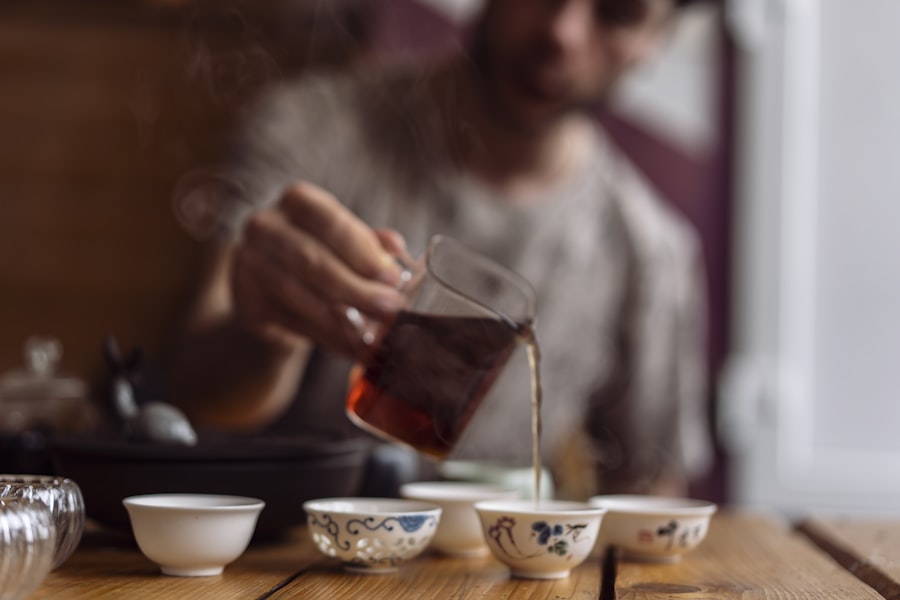
This unique combination of antioxidants is thought to underpin many of oolong’s studied benefits, from supporting metabolism to promoting heart health. Its moderate caffeine, paired with the calming amino acid L-theanine, also delivers a smooth, focused energy without the jitters of coffee. For tea lovers, oolong offers complexity, balance and benefit all in one cup, much like green tea with extra depth.
Easy oolong tea recipe
Brewing a good cup of oolong is simple once you know the basics.
Ingredients
- 1 teaspoon oolong tea leaves (or 1 tea bag)
- 1 cup hot water (about 90°C / 195°F)
- Honey or lemon to taste (optional)
Instructions
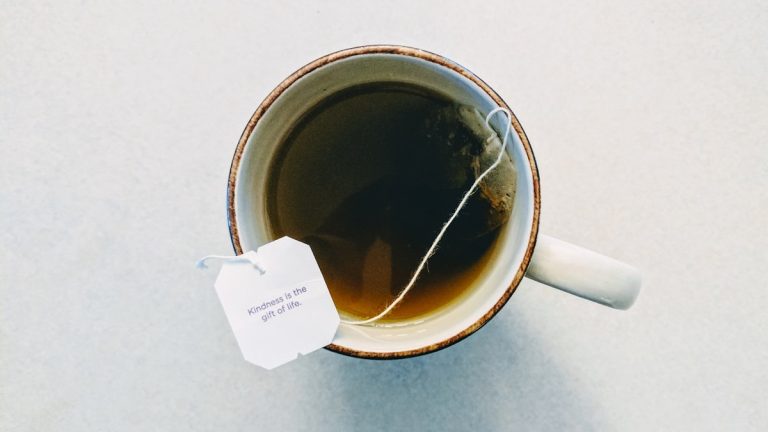
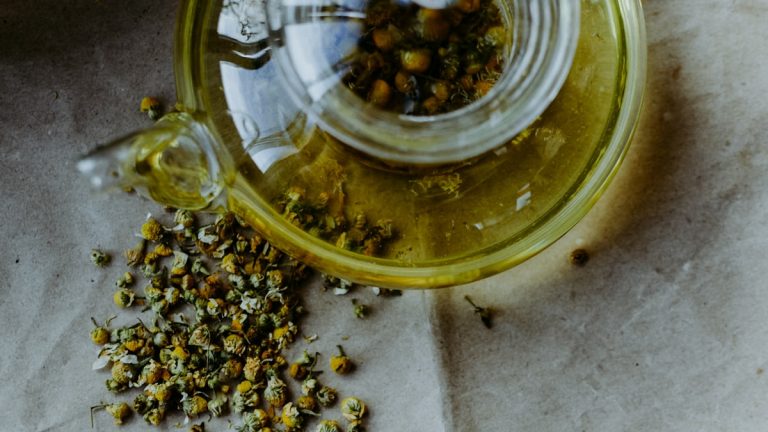
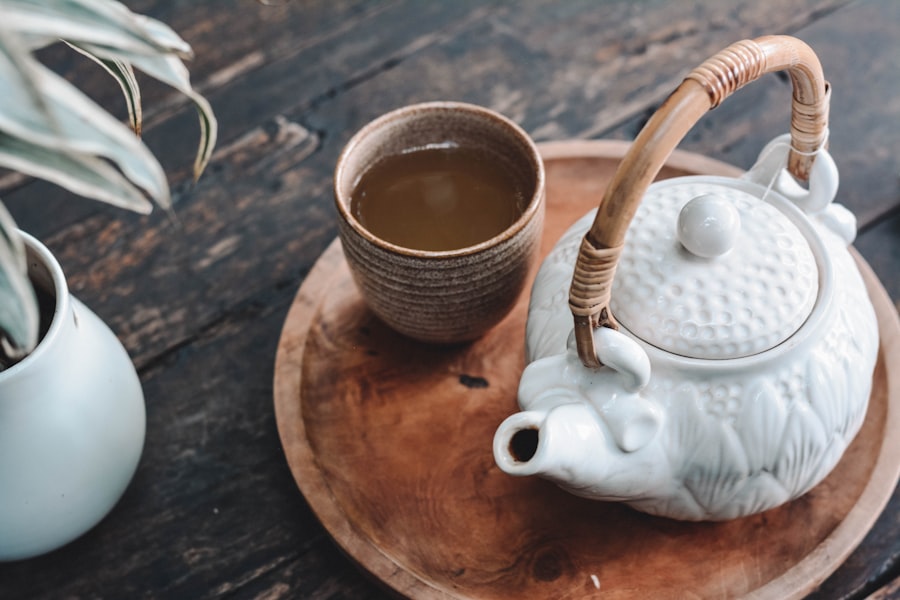
- Place the oolong leaves in a cup or teapot.
- Pour over the hot (not boiling) water.
- Steep for 3–4 minutes, strain, then enjoy plain or lightly sweetened.

Brewing oolong the right way
Getting the most from oolong tea comes down to a few brewing details, especially water temperature and steeping time. Unlike herbal teas, true teas like oolong are best brewed with water that is hot but not fully boiling, around 90°C, as water that is too hot can scorch the delicate leaves and make the tea bitter.
A steep of three to four minutes draws out oolong’s complex flavor without over-extracting. One of the joys of quality loose-leaf oolong is that the leaves can be re-steeped several times, with each infusion revealing slightly different flavors. Experiment with steeping time to suit your taste, and you will discover just how rewarding and nuanced a good oolong can be.
Is oolong tea good for you?
For most people, oolong tea is a healthy and rewarding choice. It is rich in antioxidants, linked to benefits for metabolism and heart health, and provides smooth, focused energy thanks to its balance of caffeine and L-theanine.
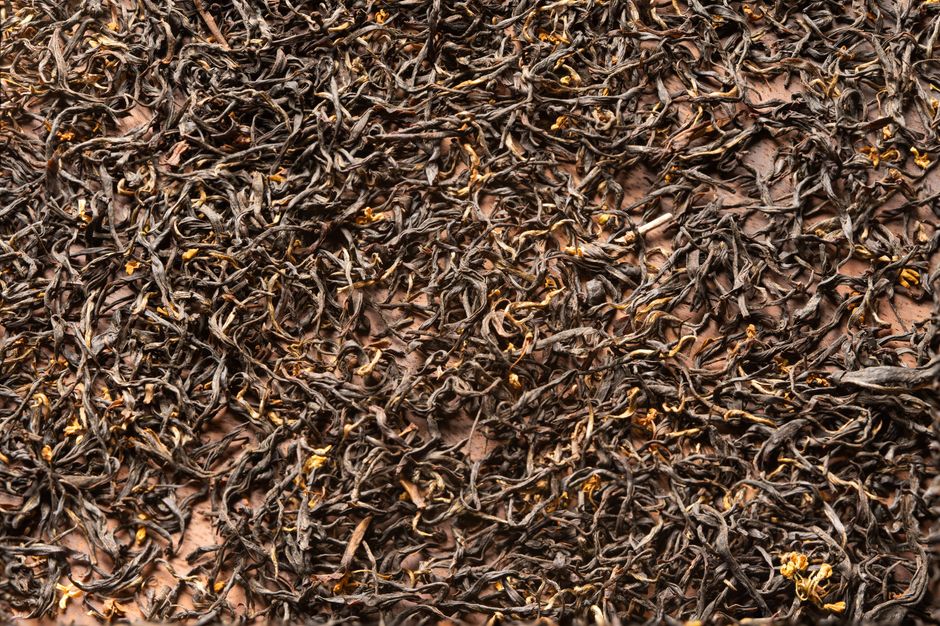
Because oolong does contain caffeine, it is best enjoyed earlier in the day rather than late at night, and those sensitive to caffeine should keep their intake moderate. Enjoyed plain or with just a touch of honey or lemon, it is a flavorful, antioxidant-rich drink that makes a wonderful alternative to coffee or a more complex step up from everyday green tea.
Delicious ways to enjoy oolong tea
Oolong is wonderful on its own and can be enjoyed in several ways.
- Plain and pure — to savor its complex, natural flavor.
- With a touch of honey — for gentle sweetness.
- Iced oolong — refreshing and smooth over ice.
- Oolong milk tea — a creamy, popular treat.
- Re-steeped — enjoy multiple infusions from quality leaves.
Quality loose-leaf oolong is best enjoyed plain to appreciate its nuances.
When to enjoy oolong tea
Thanks to its balanced caffeine, oolong suits certain times of day best. In the morning, it makes a smooth, focused alternative to coffee, energizing you gently. In the early afternoon, it is a perfect pick-me-up to beat the slump without disrupting your evening.
It also pairs beautifully with food, its complex flavor complementing meals much as it traditionally does in Chinese dining. Because it contains caffeine, it is best enjoyed earlier rather than late in the day. Whenever you want a flavorful, antioxidant-rich tea with gentle energy, oolong is a sophisticated choice.
Exploring types of oolong tea
Part of what makes oolong so rewarding is the sheer variety of styles, which range enormously depending on how much the leaves are oxidized and whether they are roasted. Lightly oxidized oolongs, such as many Taiwanese high-mountain teas, are fresh, floral and green-leaning, with delicate aromas.
More heavily oxidized and roasted oolongs, like traditional Chinese rock teas and dark roasts, are richer, toasty and closer to black tea in character, with notes of honey, caramel or stone fruit. Exploring different oolongs is a delicious adventure, as each reveals its own personality in the cup. If you are new to oolong, trying a lighter and a darker style side by side is a wonderful way to discover just how versatile this remarkable tea can be.
Oolong tea is a rewarding, sophisticated tea that truly offers the best of both green and black. Partially oxidized, it delivers a rich blend of antioxidants linked to metabolism, heart health and focus, along with a smooth, gentle energy. Brew it with hot but not boiling water, steep it for a few minutes, and re-steep quality leaves to explore its evolving flavors. Complex, balanced and beneficial, oolong is a tea worth savoring.
Flavorful and balanced, the Green Apple way
We love quality drinks made with real, wholesome ingredients — nothing artificial. Come explore our menu of juices, smoothies and feel-good drinks crafted with the same care.
For another fragrant true tea, discover the benefits of jasmine tea.
Frequently asked questions
What are the benefits of oolong tea?
Oolong tea is rich in antioxidants including catechins and theaflavins, and has been linked to benefits for metabolism, heart health and mental alertness. Its balance of caffeine and L-theanine provides smooth, focused energy.
How do you brew oolong tea?
Steep 1 teaspoon of oolong leaves in 1 cup of hot (not boiling) water, around 90°C, for 3-4 minutes, then strain. Quality loose-leaf oolong can be re-steeped several times. Total time is about 5 minutes.
Is oolong tea green or black tea?
Neither exactly — oolong is partially oxidized, placing it between green tea (unoxidized) and black tea (fully oxidized). This gives it a complex flavor and a blend of the benefits found in both.
Does oolong tea have caffeine?
Yes, a moderate amount — less than coffee and roughly between green and black tea. Paired with L-theanine, it gives smooth, focused energy. Enjoy it earlier in the day if you are sensitive to caffeine.