Vitamin C Foods: The Best Sources for Immunity & Skin

Vitamin C Foods: The Best Sources for Immunity & Skin
Vitamin C is one of the most famous nutrients of all, celebrated for supporting immunity and glowing skin. While oranges get all the attention, vitamin C is found in a colorful variety of fruits and vegetables — many with even more than citrus. Because your body cannot make or store it, eating vitamin C foods regularly is essential for good health.
Here are the best vitamin C foods beyond oranges, why this vitamin matters, and an easy vitamin C-rich salad recipe with prep time.
Why vitamin C matters
Vitamin C, also known as ascorbic acid, is a water-soluble vitamin and powerful antioxidant that your body needs for many essential functions. It supports a healthy immune system, helps your body produce collagen for skin and connective tissue, and aids the absorption of iron from plant foods.
Crucially, the human body cannot make vitamin C on its own, nor store large amounts of it, so you need a regular supply from your diet. The best part is that vitamin C is abundant in a wide range of delicious, colorful produce, making it easy and enjoyable to get plenty every day.
The benefits of vitamin C
Getting enough vitamin C supports your health in several important ways.
- Supports the immune system — its best-known and most valued role.
- Promotes healthy skin — essential for collagen production.
- Acts as an antioxidant — protecting cells from everyday damage.
- Boosts iron absorption — helping you absorb plant-based iron.
- Supports healing — important for repairing tissues.
As WebMD notes, vitamin C is vital for immunity, collagen production and antioxidant protection, and is found in many fruits and vegetables.
The best vitamin C foods
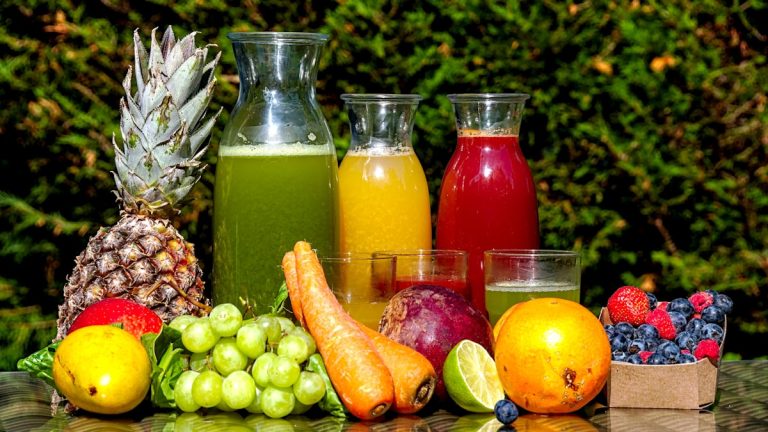
Vitamin C is found in many colorful fruits and vegetables, several of which beat oranges gram for gram. Variety keeps things interesting and nutritious.
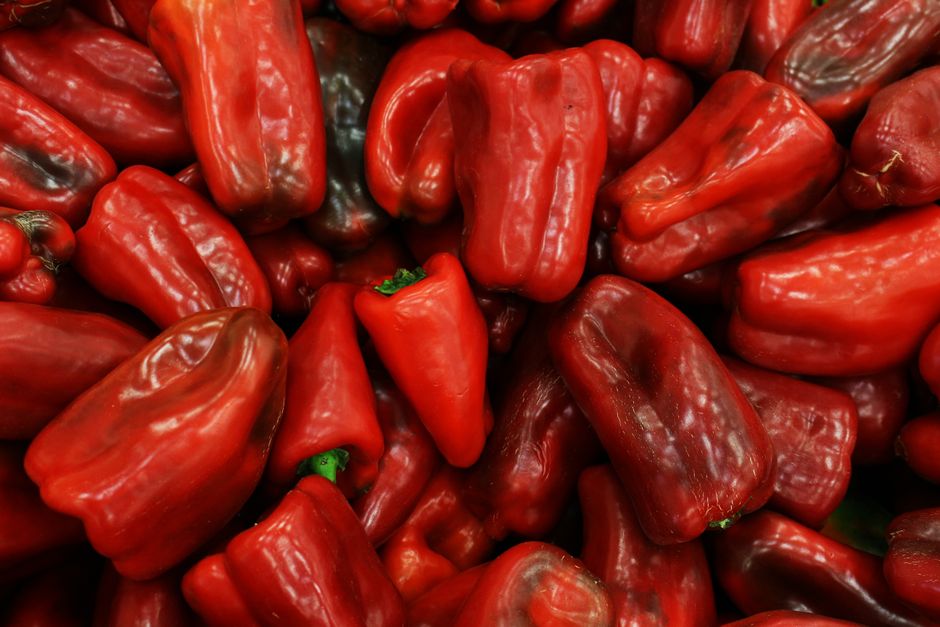
- Red bell peppers — remarkably one of the richest sources of all.
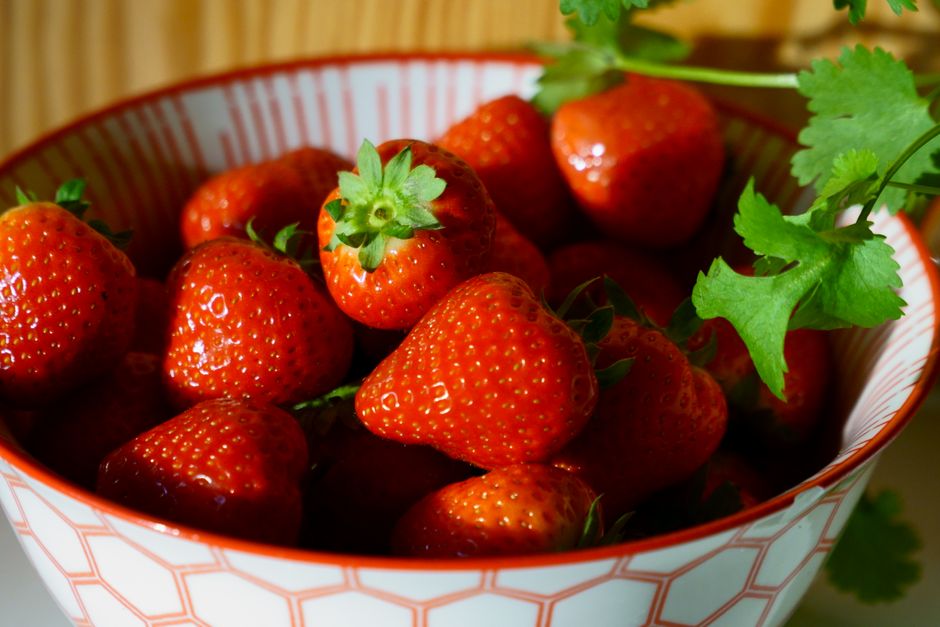
- Strawberries — sweet, delicious and vitamin C-packed.
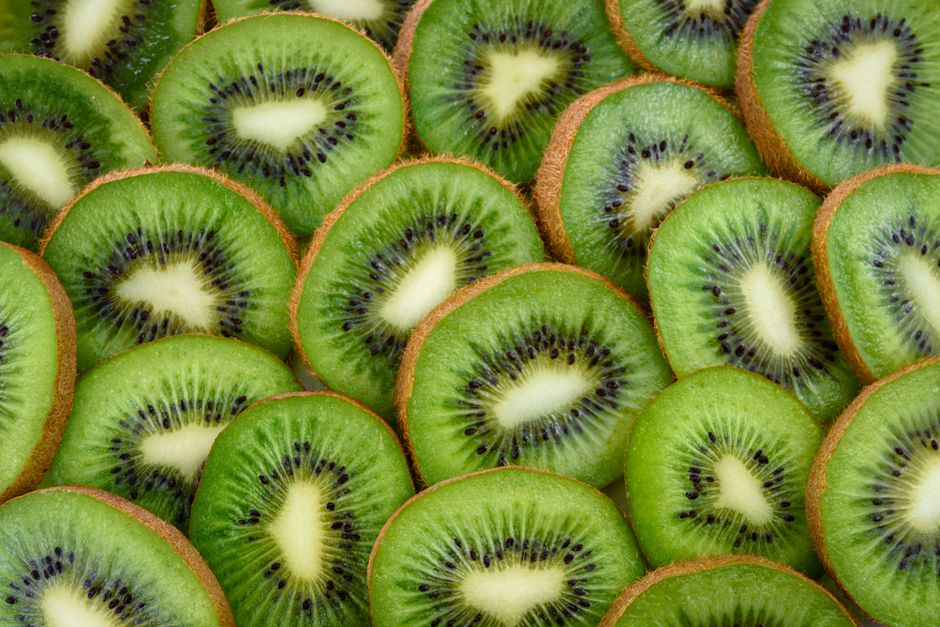
- Kiwi fruit — small but exceptionally rich in vitamin C.
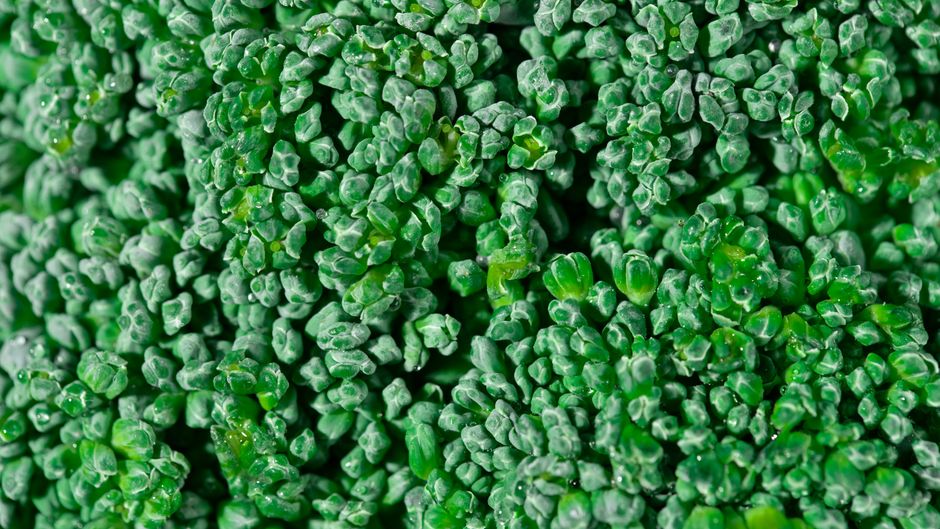
- Broccoli and Brussels sprouts — vitamin C-rich green vegetables.
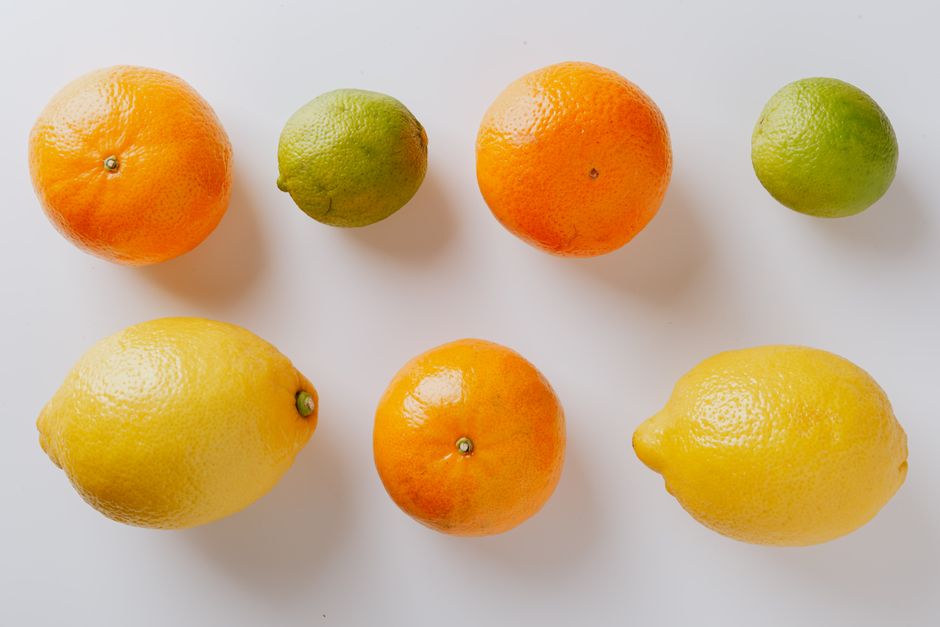
- Citrus fruits — oranges, grapefruit and lemons, the classics.
- Tomatoes and papaya — everyday foods with a good vitamin C boost.
Our guide to mango covers another tropical fruit rich in vitamin C.
Easy vitamin C citrus salad
This bright, refreshing salad packs several top vitamin C foods into one colorful bowl.
Ingredients
- 2 oranges, segmented
- 1 cup sliced strawberries
- 1 kiwi, sliced
- ½ red bell pepper, thinly sliced
- A handful of mint leaves
- 1 tablespoon lime juice
Instructions
- Prepare and combine all the fruit and pepper in a bowl.
- Drizzle with lime juice and toss gently.
- Top with mint leaves and serve fresh.
Cooking and storing for maximum vitamin C
Vitamin C is one of the more delicate nutrients, and it can be reduced by heat, light and water. Knowing this helps you get the most from your vitamin C foods. Because it is water-soluble and heat-sensitive, prolonged cooking, especially boiling, can cause significant losses.
To preserve more vitamin C, enjoy fruits and vegetables raw where possible, as in a fresh salad or smoothie, and when you do cook them, use gentle, quick methods like steaming or stir-frying rather than long boiling. Store produce in the fridge and eat it while fresh, since vitamin C declines over time. These simple habits help ensure you actually get the vitamin C your food contains.
How much vitamin C do you need?
The good news is that meeting your vitamin C needs is easy with a colorful diet, and you do not need supplements for most people. Just a few servings of fruits and vegetables a day comfortably provide enough.
A single red pepper, a serving of strawberries, a kiwi or an orange each provide a generous portion of your daily requirement. Eating a variety of produce throughout the day ensures a steady supply, since your body uses what it needs and excretes the rest. Rather than relying on pills, building your meals around antioxidant-rich produce is the most delicious and effective way to stay topped up.
Easy ways to add more vitamin C
Small habits make getting plenty of vitamin C simple.
- Add berries — to breakfast, yogurt and smoothies.
- Snack on peppers — crunchy bell pepper strips with hummus.
- Start with citrus — an orange or grapefruit with breakfast.
- Include greens — broccoli and Brussels sprouts at dinner.
- Blend a smoothie — combining several vitamin C fruits.
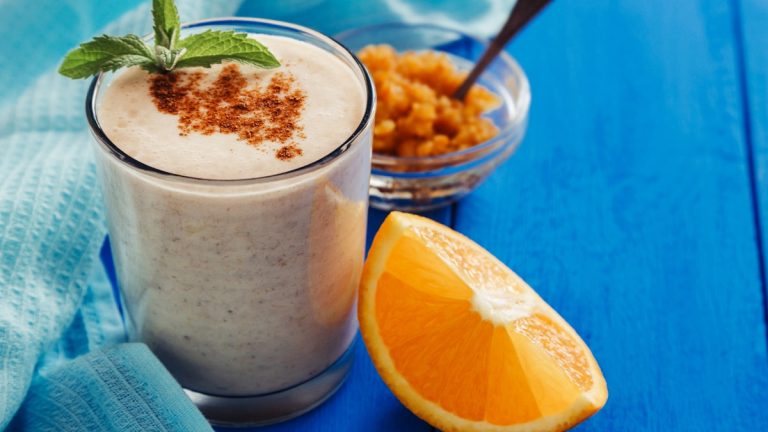
A fresh fruit smoothie or salad is a delicious daily vitamin C boost.
Does vitamin C prevent colds?
One of the most common beliefs about vitamin C is that it prevents colds, but the reality is a little more nuanced. For most people, taking extra vitamin C once a cold has already started does not appear to prevent it, and the evidence that megadoses ward off colds is weak.
What vitamin C does do is support the normal function of your immune system, and some research suggests that a consistent, adequate intake may slightly reduce how long or how severe a cold is. The takeaway is that a steady, everyday supply of vitamin C from whole foods is far more valuable than reaching for high-dose supplements only when you feel unwell. Keeping vitamin C foods in your daily diet helps keep your immune system well supported year-round.
When vitamin C matters most
Vitamin C supports your body every day, but some moments call for extra. During cold and flu season, keeping your immune system well supported with vitamin C-rich foods is especially valuable. For healthy, glowing skin, a steady supply supports collagen year-round.
When eating plant-based iron sources like spinach and beans, pairing them with vitamin C foods boosts iron absorption. And during busy, stressful periods, a colorful, vitamin-rich diet helps you stay resilient. Making these foods a daily habit keeps your immunity and skin well supported all year.
Vitamin C is a true nutritional superstar, essential for immunity, skin and antioxidant protection — and you will find it in far more than just oranges. Red peppers, strawberries, kiwi, broccoli and citrus are all wonderful sources. Because your body cannot store it, enjoying a colorful variety of these foods every day is the best way to stay topped up. A fresh fruit salad or smoothie makes getting your vitamin C as delicious as it is good for you.
Colorful and fresh, the Green Apple way
We fill our menu with vibrant, vitamin C-rich fruits and vegetables. Come discover fresh juices, smoothies and bowls that support your immunity and skin in the tastiest way.
Vitamin C is essential for collagen — see the best collagen-boosting foods.
Frequently asked questions
What foods are high in vitamin C?
Top sources include red bell peppers, strawberries, kiwi, broccoli and Brussels sprouts, citrus fruits like oranges and grapefruit, plus tomatoes and papaya. Several of these contain even more vitamin C than oranges.
Why is vitamin C important?
Vitamin C supports the immune system, helps your body produce collagen for healthy skin, acts as an antioxidant, boosts the absorption of plant-based iron, and supports healing. Your body cannot make or store it, so a regular dietary supply is essential.
How do you make a vitamin C salad?
Combine 2 segmented oranges, 1 cup sliced strawberries, 1 sliced kiwi and ½ sliced red bell pepper, then drizzle with lime juice and top with mint. It packs several top vitamin C foods and takes about 15 minutes.
Does cooking destroy vitamin C?
It can. Vitamin C is water-soluble and heat-sensitive, so long boiling causes losses. To preserve more, enjoy produce raw where possible and use gentle, quick cooking like steaming or stir-frying.