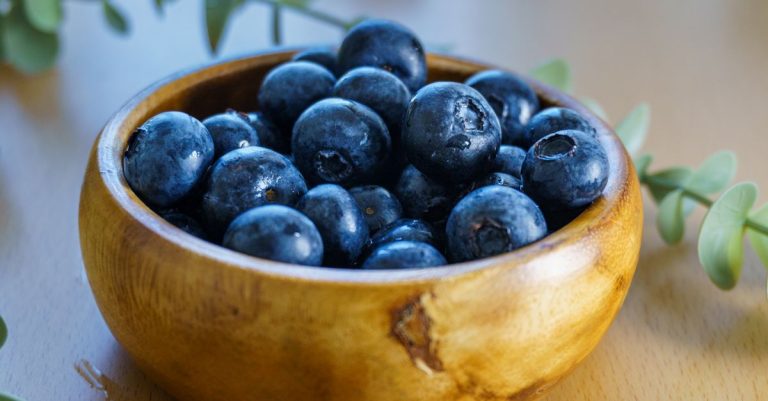
Probiotic Foods: The Best Fermented Foods for Gut Health


Probiotic Foods: The Best Fermented Foods for Gut Health
Your gut is home to trillions of bacteria, and keeping them happy is one of the best things you can do for your overall health. Probiotic foods — rich in beneficial live bacteria — help nurture this inner ecosystem, supporting digestion, immunity and more. From tangy yogurt to zingy kimchi, these fermented foods are as delicious as they are good for your gut.
Here are the best probiotic foods, why friendly bacteria matter, and an easy probiotic breakfast bowl recipe with prep time.
Why probiotics matter
Probiotics are live beneficial bacteria and yeasts that are good for your health, especially your digestive system. Your gut contains a vast community of microorganisms known as the gut microbiome, and keeping it balanced and diverse is increasingly linked to wellbeing far beyond digestion.
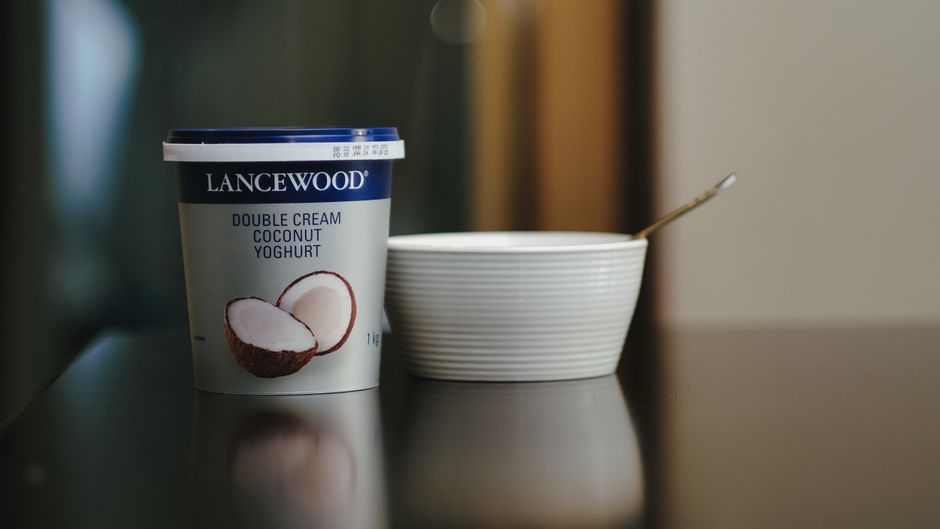
Probiotic foods are made through fermentation, a natural process in which bacteria convert sugars into acids, gases or alcohol, creating those characteristic tangy flavors and populating the food with friendly microbes. By eating these foods, you help top up the beneficial bacteria in your gut, supporting a healthier inner balance.
The benefits of probiotic foods
Nurturing your gut with probiotic foods offers a range of benefits.

- Support digestion — friendly bacteria aid a healthy gut.
- May boost immunity — much of the immune system lives in the gut.
- Support a balanced microbiome — encouraging beneficial bacteria.
- May ease bloating — for some people with digestive discomfort.
- Linked to overall wellbeing — gut health connects to many systems.
As Healthline reports, fermented probiotic foods like yogurt, kefir and sauerkraut can support gut health and digestion.
The best probiotic foods
A variety of delicious fermented foods are naturally rich in probiotics. Including a mix keeps your gut bacteria diverse and happy.
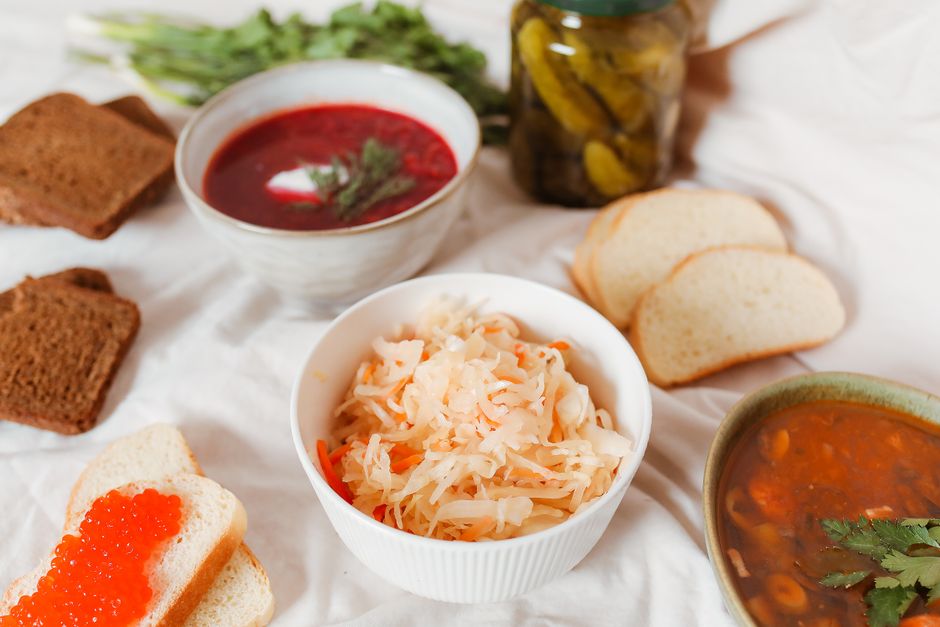
- Yogurt — look for “live” or “active” cultures.
- Kefir — a tangy, drinkable fermented milk, rich in probiotics.
- Sauerkraut — fermented cabbage (choose unpasteurized).
- Kimchi — spicy Korean fermented vegetables.
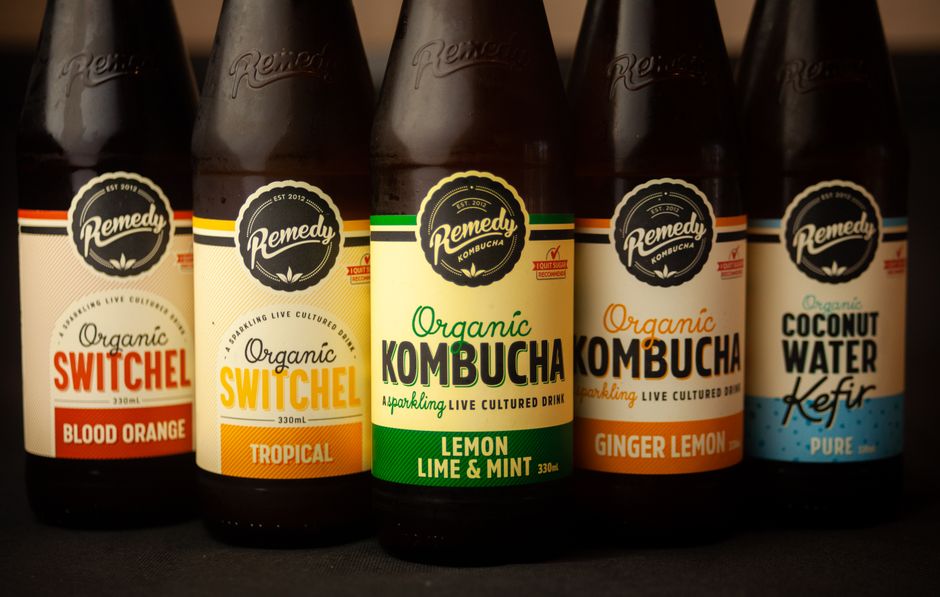
- Kombucha — a fizzy fermented tea.
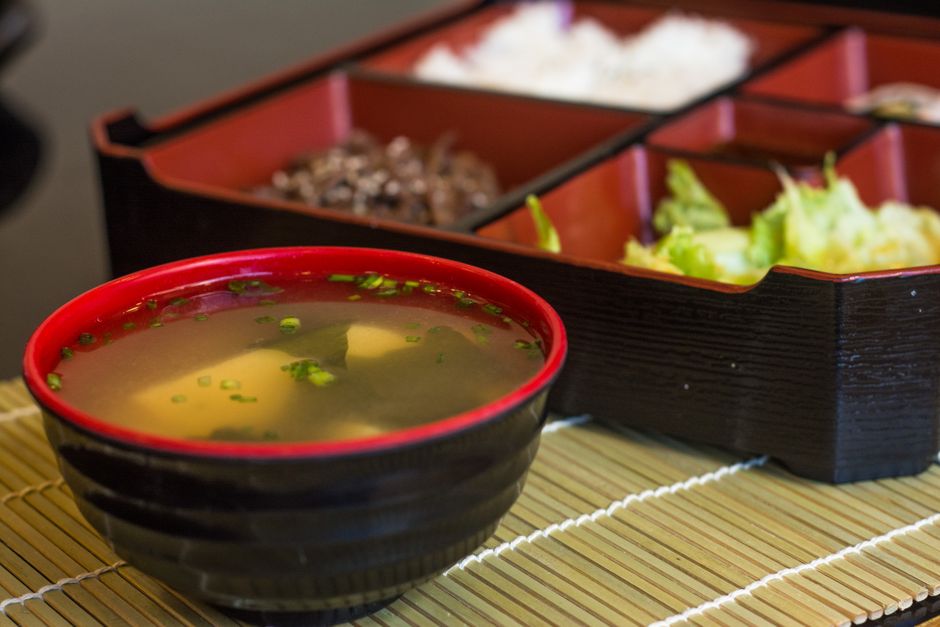
- Miso and tempeh — fermented soy foods full of flavor.
Pair these with our gut health foods guide for a complete approach.
Easy probiotic breakfast bowl
This simple bowl makes live yogurt or kefir the delicious base for a gut-friendly start to the day.
Ingredients
- 1 cup plain live yogurt or kefir
- ½ cup mixed berries
- 1 tablespoon chia seeds
- 1 tablespoon granola
- 1 teaspoon honey
Instructions
- Spoon the live yogurt into a bowl.
- Top with berries, chia seeds and granola.
- Drizzle with honey and enjoy straight away.
Probiotics and prebiotics: a winning team
To get the most from probiotic foods, it helps to understand their perfect partner: prebiotics. While probiotics are the beneficial bacteria themselves, prebiotics are the fibers that feed those bacteria, helping them thrive in your gut.
Prebiotic fibers are found in foods like garlic, onions, bananas, oats and asparagus. Eating probiotics and prebiotics together — for example, yogurt with banana and oats, as in many smoothies and bowls — gives the friendly bacteria both a boost in numbers and the fuel they need to flourish. This powerful combination, sometimes called synbiotics, is one of the best ways to support a healthy, balanced gut microbiome.
How to choose good probiotic foods
Not all fermented foods deliver live probiotics, so a little label-reading helps. The key is to look for products that still contain live, active cultures, since some processing can reduce or eliminate them.
For yogurt and kefir, look for “live” or “active cultures” on the label, and choose plain, unsweetened versions to avoid added sugar. For sauerkraut and kimchi, the refrigerated, unpasteurized varieties retain their probiotics, whereas shelf-stable canned versions usually do not. Adding fermented foods toward the end of cooking, rather than boiling them, also helps preserve the beneficial bacteria. With these simple checks, you can be sure your fermented foods are actually delivering their gut-friendly benefits.
Easy ways to add more probiotics
Small daily habits make supporting your gut effortless.
- Start with yogurt — a live yogurt breakfast bowl.
- Sip kombucha — a fizzy, refreshing afternoon drink.
- Add a spoonful — of sauerkraut or kimchi to meals.
- Drink kefir — on its own or blended into smoothies.
- Cook with miso — stirred into soups and dressings.
A small daily serving of fermented food keeps your gut bacteria happy.
Probiotic foods vs. supplements
With probiotic supplements lining store shelves, you might wonder whether you need them or whether food is enough. For most healthy people, getting probiotics from food is an excellent and natural approach, with some real advantages over pills.
Fermented foods deliver beneficial bacteria alongside other nutrients — protein and calcium in yogurt, fiber and vitamins in kimchi and sauerkraut — making them a more complete package. They also tend to contain a diverse range of bacterial strains, which supports a varied gut microbiome. Supplements can have their place, particularly when recommended by a healthcare provider for a specific reason, but they are not a requirement for good gut health. For everyday wellbeing, enjoying a variety of probiotic foods is a delicious, food-first way to nurture your gut.
When to focus on gut health
Supporting your gut is a worthwhile everyday habit, but some times call for extra care. After taking antibiotics, which can disrupt gut bacteria, probiotic foods may help restore balance. During periods of digestive discomfort or bloating, some people find fermented foods soothing.
When your immunity feels low, supporting your gut — home to much of the immune system — is especially valuable. And as a daily wellness habit, a steady intake of probiotic foods helps keep your microbiome diverse and resilient. Building these foods into your routine is a delicious way to invest in your long-term health.
Your gut health touches nearly every part of your wellbeing, and probiotic foods are one of the most delicious ways to support it. Yogurt, kefir, sauerkraut, kimchi, kombucha and miso all deliver friendly bacteria that nurture a balanced microbiome. Pair them with prebiotic fibers, choose live and unpasteurized varieties, and enjoy a little every day. A simple probiotic breakfast bowl is the perfect place to start caring for your gut.
Gut-friendly and fresh, the Green Apple way
We love supporting gut health with fresh, wholesome ingredients and live, nourishing foods. Come discover our smoothies, bowls and juices crafted to make your gut — and you — feel great.
Your gut supports immunity — so does zinc. See the best zinc-rich foods.
One of the most popular probiotic foods deserves a closer look — discover the protein and gut-health benefits of Greek yogurt.
Frequently asked questions
What are the best probiotic foods?
Top probiotic foods include yogurt and kefir with live cultures, sauerkraut, kimchi, kombucha, and fermented soy foods like miso and tempeh. Including a variety keeps your gut bacteria diverse.
Why are probiotics good for you?
Probiotics are beneficial live bacteria that support digestion, may boost immunity (much of which lives in the gut), help maintain a balanced microbiome, and may ease bloating for some people. Gut health is linked to overall wellbeing.
How do you make a probiotic breakfast bowl?
Spoon 1 cup of plain live yogurt or kefir into a bowl, top with ½ cup mixed berries, 1 tablespoon chia seeds and 1 tablespoon granola, then drizzle with honey. It takes about 5 minutes.
What is the difference between probiotics and prebiotics?
Probiotics are the beneficial bacteria themselves, found in fermented foods. Prebiotics are fibers that feed those bacteria, found in foods like garlic, onions, bananas and oats. Eating them together helps the friendly bacteria thrive.