Fennel Tea Benefits: A Soothing Aid for Digestion


Fennel Tea Benefits: A Soothing Aid for Digestion
Gently sweet with a soothing, licorice-like flavor, fennel tea is one of the most beloved herbal teas for digestion. Made from the aromatic seeds of the fennel plant, this caffeine-free brew has been treasured for centuries as a natural remedy for bloating, gas and an unsettled stomach. It is a comforting cup to enjoy after any meal.
Here are the key fennel tea benefits, an easy fennel tea recipe with prep and steep times, and tips to enjoy it at its best.
What is fennel tea?
Fennel tea is a herbal infusion made by steeping fennel seeds — or sometimes the bulb and fronds — in hot water. Fennel is a flowering plant in the carrot family, and its seeds carry a distinctive sweet, warm, licorice-like or anise flavor.
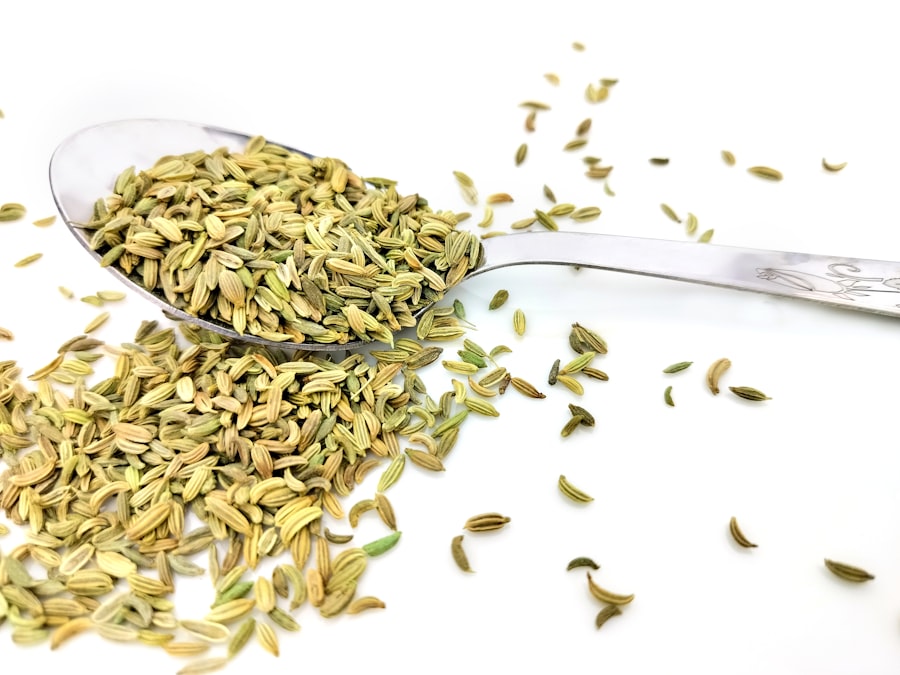
This gentle sweetness makes fennel tea pleasant and soothing, with no need for added sugar. Naturally caffeine-free, it can be enjoyed any time of day, though it is most famous as an after-meal digestive. Across many cultures, fennel seeds are even chewed after eating to freshen the breath and aid digestion, and the tea offers the same time-honored benefits in a soothing cup.
The benefits of fennel tea
Behind its sweet, licorice-like flavor, fennel tea offers several appealing benefits.

- Eases bloating and gas — its best-known, time-honored use.
- Soothes digestion — traditionally used to calm an upset stomach.
- Rich in antioxidants — containing beneficial plant compounds.
- Caffeine-free — calming and suitable any time of day.
- Freshens breath — thanks to its aromatic, sweet flavor.
As WebMD notes, fennel has long been used to support digestion and ease bloating, and it contains beneficial antioxidant compounds.
Fennel tea for digestion and bloating
The most celebrated fennel tea benefit is its remarkable effect on digestion, especially easing bloating and gas. For centuries, fennel has been a go-to remedy after meals, and it remains one of the most trusted natural digestive aids.
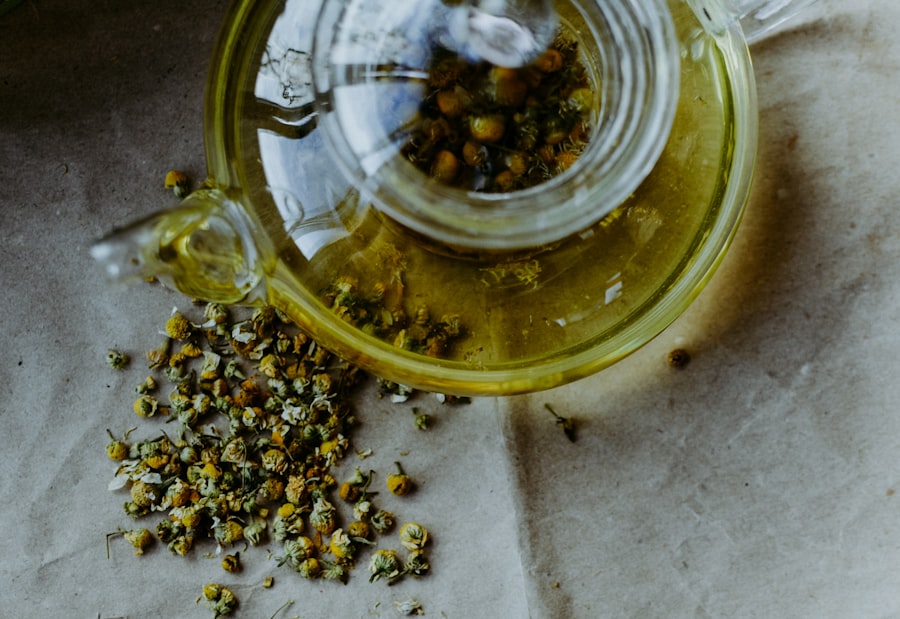
Fennel’s seeds contain compounds that may help relax the muscles of the digestive tract, which can ease the trapped gas and bloating that cause discomfort after eating. This is why a warm cup of fennel tea feels so settling after a large meal. Gentle and soothing, it is a lovely natural addition to a routine that supports gut health.
Easy fennel tea recipe
Making fennel tea from seeds takes just minutes and tastes naturally sweet.
Ingredients
- 1 teaspoon fennel seeds
- 1 cup boiling water
- Honey to taste (optional)
Instructions
- Lightly crush the fennel seeds to release their oils.
- Place them in a cup and pour over the boiling water.
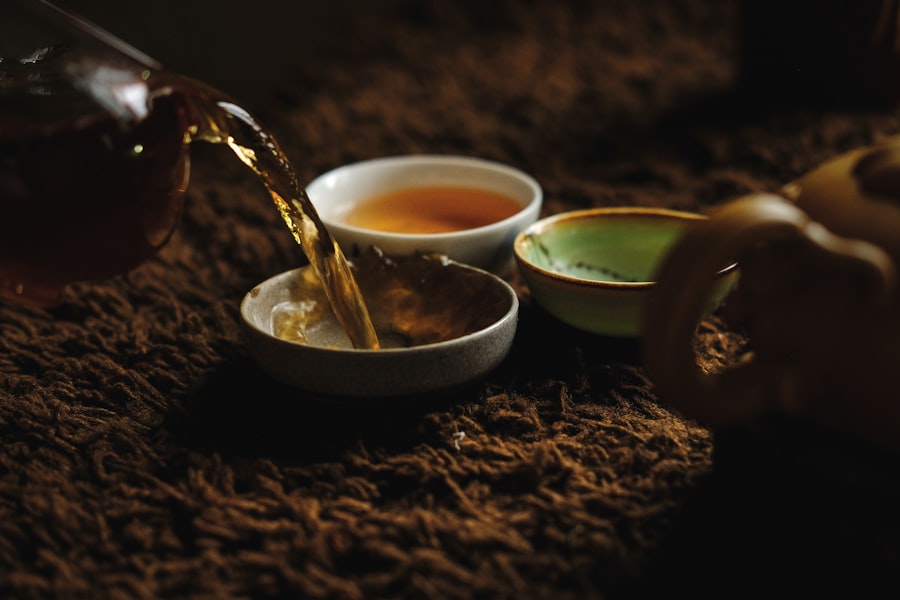
- Cover and steep for 8 minutes, strain, then sweeten if desired.
The licorice-like flavor
One thing to know about fennel tea is its distinctive flavor, which is sweet and reminiscent of licorice or anise. If you love that warm, sweet, slightly herbal taste, fennel tea is a delight; if licorice is not your favorite, there are easy ways to adjust it.
Pairing fennel with other flavors can mellow or complement its sweetness beautifully. A slice of fresh ginger adds warmth, a squeeze of lemon brightens it, and a little mint freshens the cup. Combining fennel with chamomile or peppermint also makes a lovely digestive blend. Because fennel is naturally sweet, you rarely need to add honey, letting the seeds’ gentle flavor shine through on its own.
Is fennel tea good for you?
For most people, fennel tea is a gentle, healthy and soothing choice. It is caffeine-free, calorie-free, rich in antioxidants, and especially valued for easing bloating and supporting digestion, making it a wonderful after-meal drink.

A few notes: pregnant and breastfeeding women are often advised to limit medicinal amounts of fennel, and anyone with a specific health condition should check with their doctor. For everyone else, a cup after meals is a soothing, time-honored way to aid digestion and freshen the breath. Naturally sweet and comforting, it is a lovely tea to keep on hand.
Delicious ways to enjoy fennel tea
Fennel tea is lovely on its own and blends beautifully with other soothing flavors.
- Fennel and ginger — a warming, extra-soothing digestive.
- Fennel and peppermint — a doubly settling after-meal blend.
- Fennel and chamomile — calming and gentle before bed.
- Fennel and lemon — a bright, refreshing twist.
- Iced fennel tea — chilled for a refreshing summer drink.
A fennel and ginger blend is especially soothing after a heavy meal.
When to enjoy fennel tea
Fennel tea is most loved as an after-meal drink, but it suits other moments too. After eating, especially a large or rich meal, a warm cup helps ease bloating and aids digestion. In the evening, its caffeine-free, soothing nature makes it a calming way to wind down.
When your stomach feels unsettled, fennel tea is a gentle, natural comfort. It is also a lovely after-dinner alternative to coffee, freshening the breath and settling the stomach without caffeine. Whenever you need a soothing, digestion-friendly cup, fennel tea is there for you.
Fennel seeds beyond tea
While fennel tea is a wonderful way to enjoy this aromatic seed, fennel has many other uses worth knowing. In many cultures, particularly across India, whole or candied fennel seeds are chewed straight after a meal as a natural digestive and breath freshener, a tradition that speaks to fennel’s long-trusted reputation.
Fennel seeds are also a versatile cooking spice, lending their sweet, anise-like warmth to breads, sausages, soups, curries and roasted vegetables. The crunchy fennel bulb, meanwhile, can be sliced raw into salads or roasted until sweet and tender. So if you keep fennel seeds on hand for tea, you will find plenty of other delicious, digestion-friendly ways to enjoy them throughout your kitchen.
Fennel tea is a sweet, soothing and time-honored herbal infusion, beloved above all for easing digestion. Caffeine-free and naturally sweet with its licorice-like flavor, it is the perfect after-meal drink to calm bloating and settle the stomach. Brew it from lightly crushed fennel seeds, steep it covered to capture the aromatic oils, and enjoy it on its own or blended with ginger or mint. Comforting and gentle, it is a wonderful tea to soothe and restore.
Soothing and gentle, the Green Apple way
We love drinks that comfort and nourish with real, wholesome ingredients — nothing artificial. Come explore our menu of juices, smoothies and feel-good wellness drinks.
For another aromatic herbal tonic, discover soothing sage tea.
Frequently asked questions
What are the benefits of fennel tea?
Fennel tea is caffeine-free and rich in antioxidants, and is best known for easing bloating and gas and soothing digestion. Its seeds contain compounds that may help relax the digestive tract, and it also freshens the breath.
How do you make fennel tea?
Lightly crush 1 teaspoon of fennel seeds, place them in a cup, pour over 1 cup of boiling water, cover and steep for 8 minutes. Strain and sweeten with honey if desired. Total time is about 10 minutes.
Is fennel tea good for bloating?
Yes, traditionally. Fennel is one of the most trusted natural remedies for bloating and gas, as its seeds contain compounds that may help relax the digestive tract and ease discomfort after eating.
What does fennel tea taste like?
Fennel tea has a distinctive sweet, warm flavor reminiscent of licorice or anise. It is naturally sweet, so it rarely needs added sugar, and pairs well with ginger, lemon or mint if you want to adjust it.