Matcha Benefits: Why This Green Tea Is So Good for You

Matcha Benefits: Why This Green Tea Is So Good for You
Bright green and gently energizing, matcha has gone from traditional Japanese tea ceremony to wellness-bar superstar. It is the drink people reach for when they want focus without the coffee jitters.
Here is what makes matcha special, the real benefits, how it compares to regular green tea, and an easy latte recipe with prep time.
What is matcha?
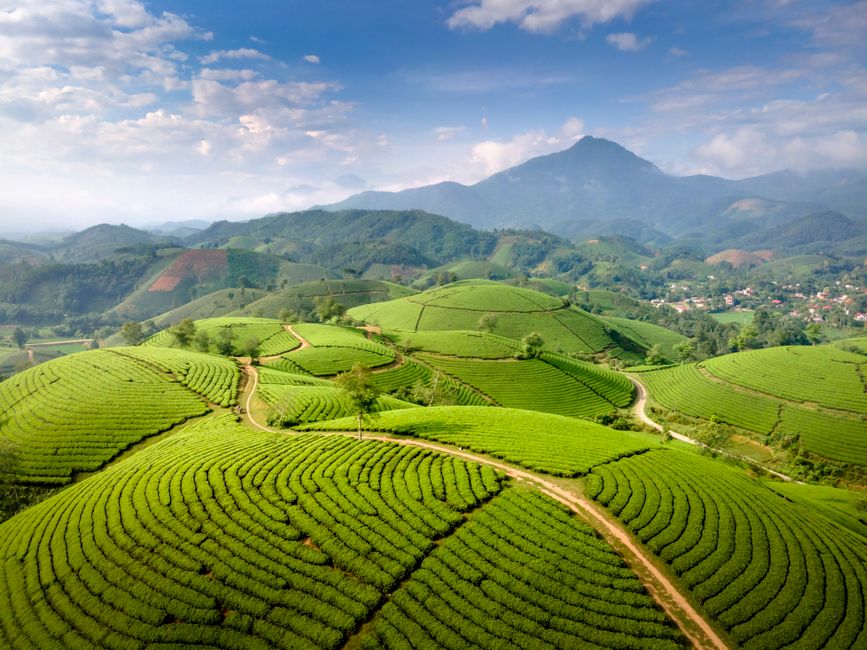
Matcha is a finely ground powder made from specially grown green tea leaves. The plants are shaded before harvest, which boosts their chlorophyll and amino acids, then the leaves are stone-ground into a vivid green powder.
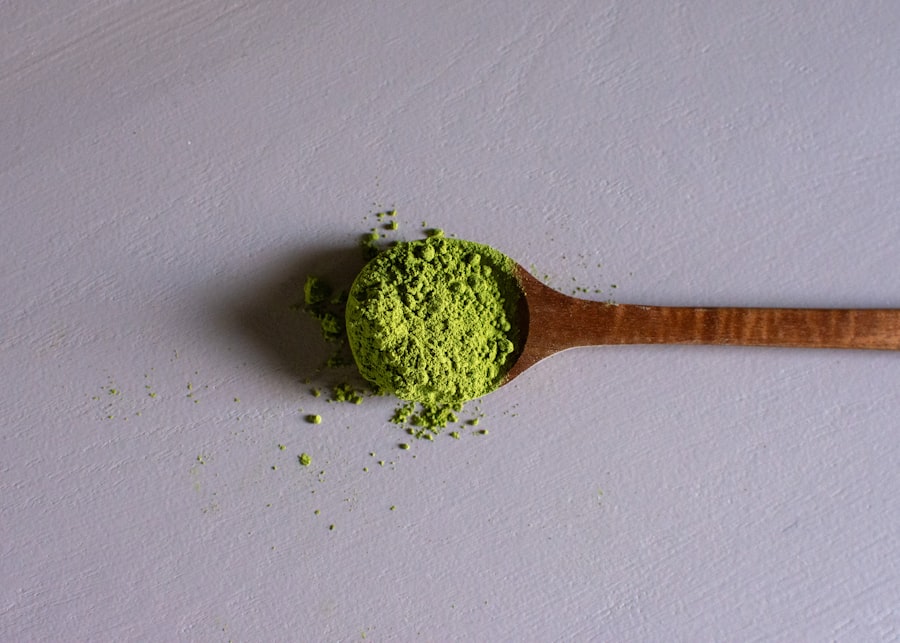
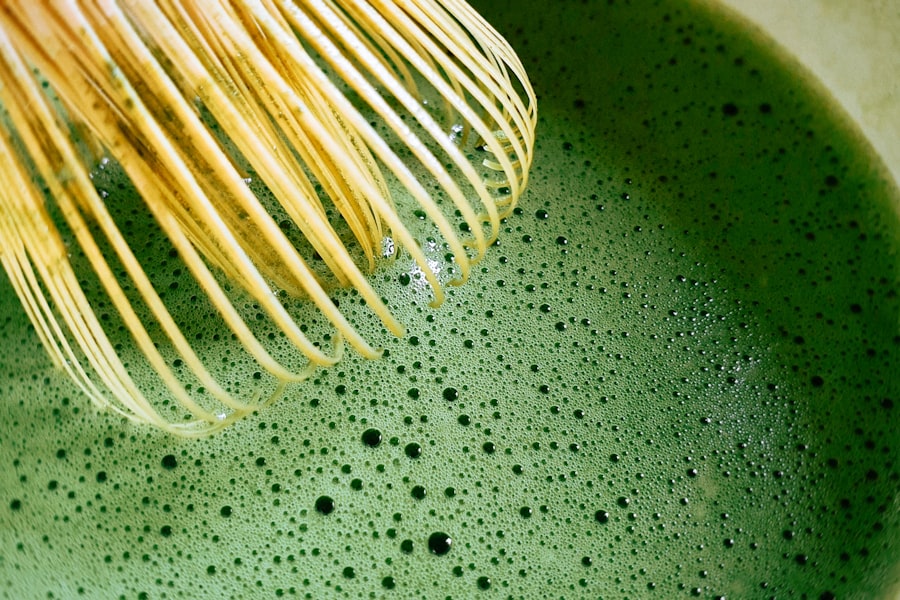
The crucial difference from ordinary tea is this: with matcha, you whisk the whole leaf into water and drink it, rather than steeping leaves and throwing them away. That means you get far more of everything the leaf has to offer.
The benefits of matcha
Because you consume the entire leaf, matcha concentrates the best of green tea into one cup.
- Rich in antioxidants — matcha is packed with catechins, especially EGCG, a powerful antioxidant.
- Calm, steady energy — it provides caffeine alongside L-theanine for focus without the crash.
- Supports focus — L-theanine promotes a relaxed, alert state of mind.
- Heart-friendly — green tea compounds are linked to better cholesterol and heart health.
- Gentle metabolism support — catechins may give metabolism a small nudge.
As WebMD notes, matcha delivers a concentrated dose of antioxidants because you consume the whole tea leaf rather than just an infusion.
The magic of L-theanine
If matcha has a secret weapon, it is L-theanine. This amino acid, found in green tea and especially concentrated in shade-grown matcha, changes how the caffeine feels.
L-theanine promotes a calm, focused alertness and slows the absorption of caffeine, smoothing out the spike-and-crash you get from coffee. The result is steady energy that many people describe as “calm focus” — alert but not wired. It is why matcha is a favorite for work, study and yoga alike.
Matcha vs. green tea
Matcha and green tea come from the same plant, but they are not equals in the cup.
- Whole leaf vs. infusion — with matcha you drink the ground leaf; with green tea you steep and discard it.
- Antioxidants — a serving of matcha can deliver several times the antioxidants of steeped green tea.
- Caffeine — matcha is typically higher, around 40–80 mg per serving versus 20–50 mg for green tea.
- Flavor — matcha is rich, creamy and vegetal; green tea is lighter and more delicate.
Both are healthy. Matcha simply offers a more concentrated, energizing experience — closer to the wellness shots like our ginger shots in the “small but mighty” department.
Easy matcha latte recipe
A matcha latte is the easiest way to enjoy it, and it takes just five minutes.
Ingredients
- 1 teaspoon matcha powder
- 2 tablespoons hot (not boiling) water
- 1 cup milk of choice
- Optional: 1 teaspoon honey or maple syrup
Instructions
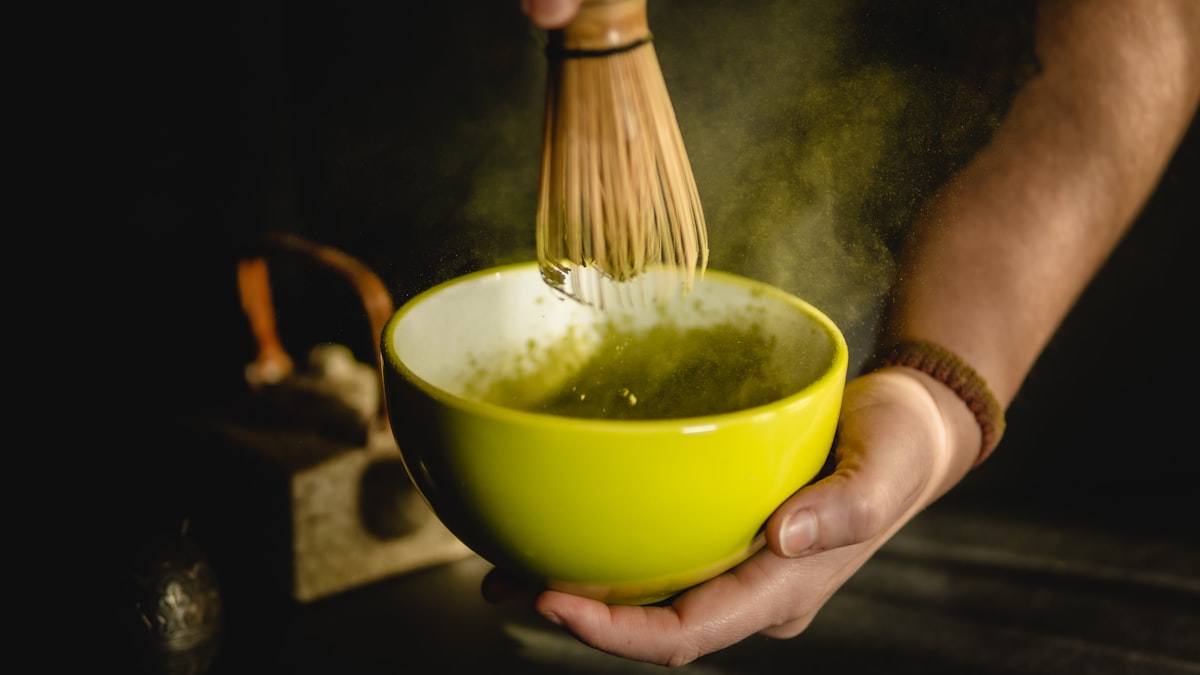
- Whisk the matcha with the hot water until smooth and frothy — a bamboo whisk or small frother works best.
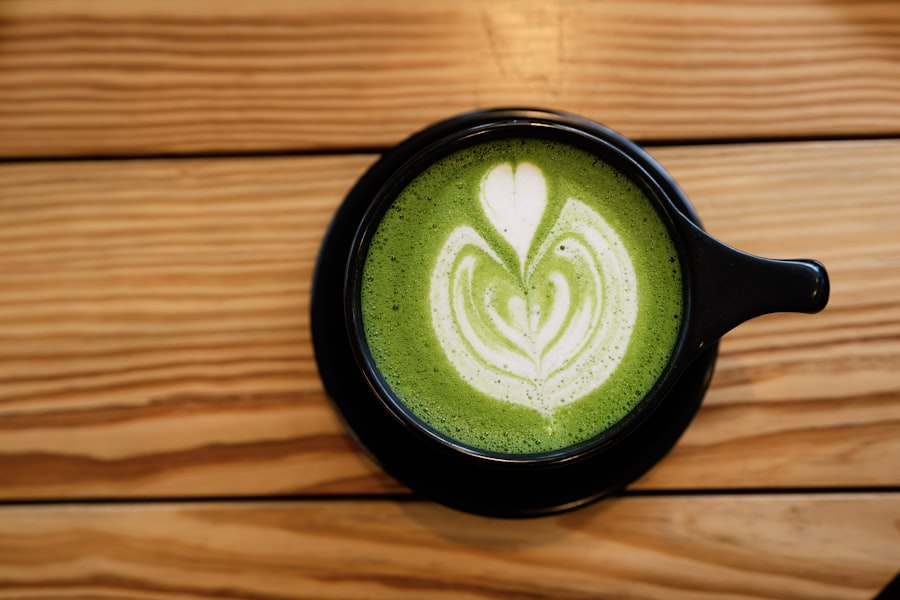
- Warm or froth the milk and pour it over the matcha.
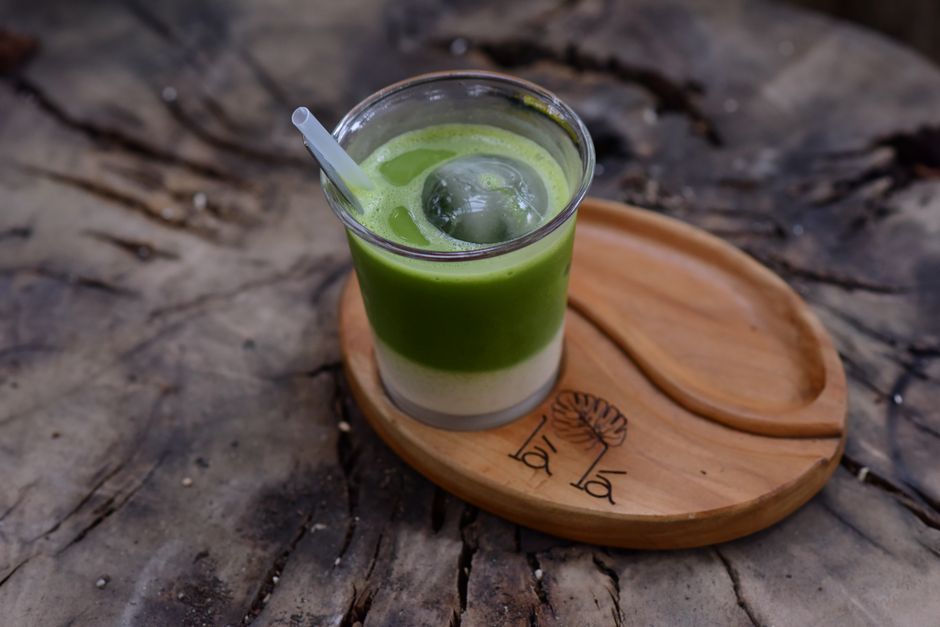
- Sweeten to taste and enjoy hot, or pour over ice for an iced latte.
One tip: use hot, not boiling, water. Water that is too hot can make matcha taste bitter.
How much matcha should you drink?
For most people, one to two servings of matcha a day is a comfortable, beneficial amount. That gives you a meaningful dose of antioxidants and steady energy without too much caffeine.
Because matcha contains more caffeine than regular green tea, it is best enjoyed earlier in the day so it does not disturb your sleep. If you are sensitive to caffeine, start with a single serving and see how you feel.
Does matcha help with weight loss?
Matcha is often linked to weight management, and there is a kernel of truth to it. The catechins in green tea, especially EGCG, may give your metabolism a modest boost and support fat oxidation, particularly alongside exercise.
It is no magic potion, though. The real value is that an unsweetened matcha latte is a low-calorie, satisfying swap for sugary coffee drinks. Use it that way — and pair it with a balanced diet and a good weight-loss smoothie routine — and it can quietly support your goals.
Choosing good matcha
Quality makes a big difference with matcha. The good stuff is worth seeking out.
- Color — vibrant, almost neon green signals fresh, high-quality matcha; dull or yellowish powder is lower grade.
- Grade — ceremonial grade is smooth enough to drink with just water; culinary grade is better for lattes and baking.
- Origin — matcha from Japan is generally considered the gold standard.
- Freshness — buy smaller amounts and keep it sealed away from light to preserve flavor and antioxidants.
A little good matcha goes a long way, so investing in quality pays off cup after cup.
Beyond the latte
A latte is just the start. Matcha’s earthy-sweet flavor works in all sorts of recipes.
Whisk it into smoothies for a green energy lift, stir it into chia seed pudding or yogurt, or use culinary-grade matcha in pancakes, energy balls and baked goods. However you use it, you get the same antioxidant-rich, calmly energizing boost in a form you enjoy.
A little matcha history
Matcha is far from a modern invention. The practice of grinding shade-grown tea leaves into powder dates back centuries, and whisked matcha became the heart of the Japanese tea ceremony — a ritual built around mindfulness, hospitality and presence.
That heritage is part of matcha’s appeal today. When you take a few minutes to whisk a bowl by hand and drink it slowly, you are taking part in a tradition designed to be calming as much as energizing. It is a small, deliberate pause in a busy day — and a reminder that how you drink something can matter as much as what is in the cup.
Matcha has stuck around for centuries for good reason. It offers something rare — real, research-backed antioxidants and a smooth, focused energy that coffee struggles to match, all from a single spoonful of bright green powder. Whisk up a latte, keep the water just below boiling, choose a good-quality powder, and enjoy it as a calm, feel-good ritual in your day.
Fresh and green, the Green Apple way
We love drinks that do more than taste good, and matcha fits right in alongside our fresh juices, smoothies and wellness shots. Stop by for a clean energy lift that keeps you calm, focused and refreshed.
Matcha is just one antioxidant-rich choice — discover more anti-inflammatory foods to add to your day.
Frequently asked questions
What are the benefits of matcha?
Matcha is rich in antioxidants like EGCG, provides calm and steady energy thanks to caffeine paired with L-theanine, supports focus, and is linked to heart health and a gentle metabolism boost.
Is matcha better than green tea?
Matcha is more concentrated because you drink the whole ground leaf rather than steeping and discarding it. A serving delivers several times the antioxidants and more caffeine than regular green tea.
How do you make a matcha latte?
Whisk 1 teaspoon of matcha with 2 tablespoons of hot (not boiling) water until frothy, then add a cup of warm or frothed milk and sweeten to taste. It takes about 5 minutes.
How much matcha should you drink a day?
One to two servings a day suits most people, ideally earlier in the day since matcha contains more caffeine than regular green tea. Start with one serving if you are caffeine-sensitive.