Brain Foods: What to Eat for Memory and Focus
Brain Foods: What to Eat for Memory and Focus
Your brain is an incredibly hungry organ, using a huge share of your daily energy — and what you feed it matters enormously. The right foods can support your memory, focus and mood today, while helping protect your brain health for years to come.
Here are the best brain foods to put on your plate, the ones to limit, and an easy brain-boosting bowl recipe with prep time.
How food affects your brain
Your brain depends on a steady supply of nutrients to function at its best. Healthy fats, antioxidants, vitamins and minerals all play vital roles in building brain cells, supporting communication between them, and protecting them from damage.

A diet rich in brain-supporting foods can sharpen your focus and memory in the short term, and research increasingly links good nutrition to a lower risk of cognitive decline as we age. Simply put, feeding your brain well is one of the smartest things you can do for both today and the future.
The best brain foods
Some foods are especially powerful for supporting brain health.
- Fatty fish — salmon and sardines are rich in brain-essential omega-3 fats.
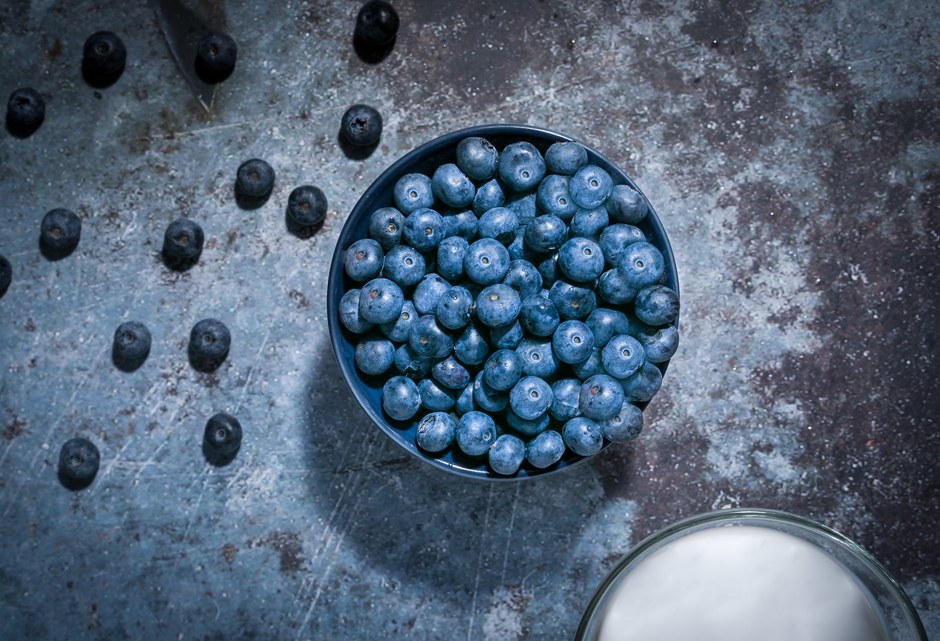
- Berries — blueberries and others are packed with brain-protective antioxidants.
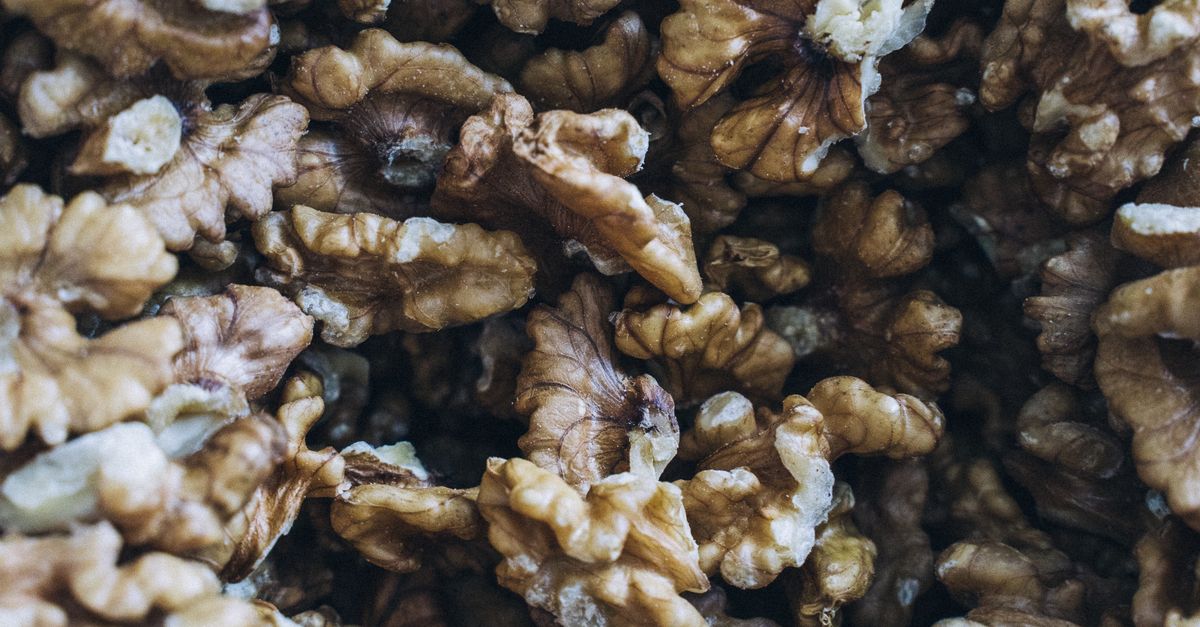
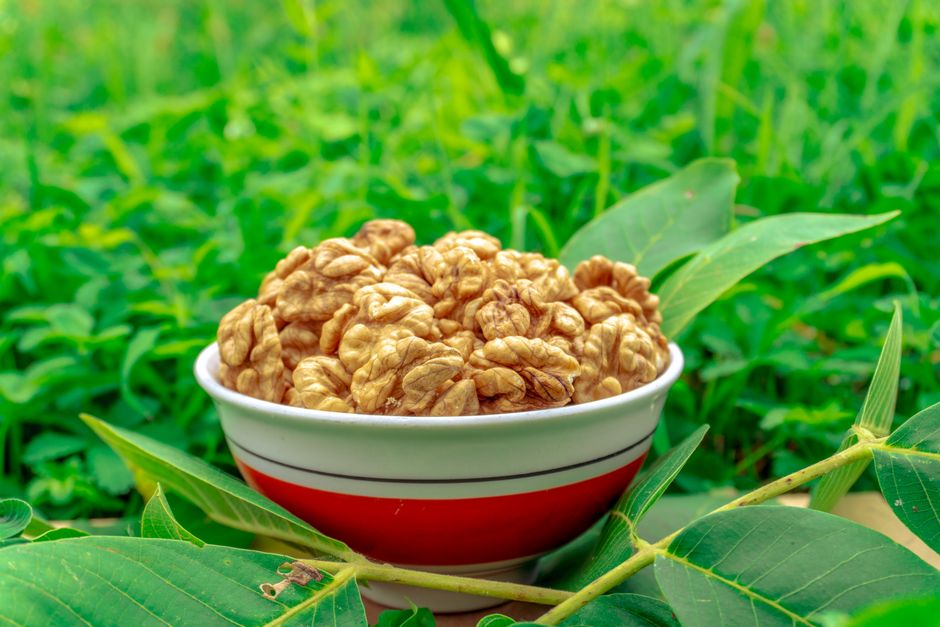
- Walnuts — the best nut source of omega-3s, linked to better cognition.
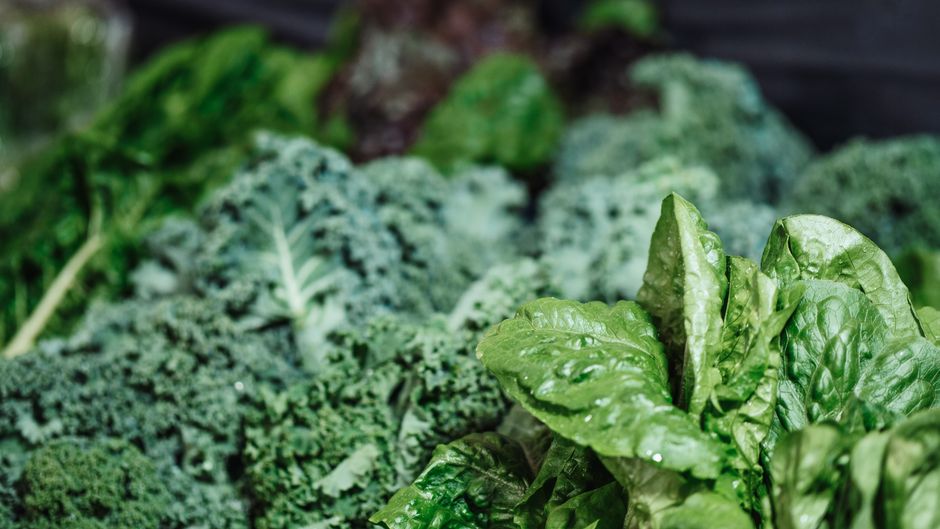
- Leafy greens — spinach and kale provide brain-supporting vitamins.
- Dark chocolate — its flavonoids support blood flow and mood.
- Eggs — rich in choline, important for memory.
As Harvard Health explains, foods like fatty fish, berries, nuts and leafy greens are linked to better brain power and protection against cognitive decline.
Omega-3s: the ultimate brain fat
If there is one nutrient your brain craves above all, it is omega-3 fatty acids. Your brain is nearly 60% fat, and omega-3s are essential building blocks for brain cells and the connections between them.
These healthy fats, found in fatty fish, walnuts and flaxseed, are linked to better memory, mood and overall cognitive function, and may help protect the brain as it ages. Getting enough omega-3s is one of the most important dietary steps for brain health. If you do not eat fish, plant sources like walnuts and flaxseed are valuable alternatives.
Easy brain-boosting bowl recipe
This simple bowl brings together several top brain foods into one delicious breakfast or snack.
Ingredients
- 1 cup Greek yogurt
- ½ cup blueberries
- ¼ cup walnuts
- 1 tablespoon flaxseed
- A drizzle of honey
Instructions
- Spoon the Greek yogurt into a bowl.
- Top with blueberries, walnuts and flaxseed.
- Drizzle with honey and enjoy.
Berries and your brain
Berries, especially blueberries, are among the most celebrated brain foods, and for good reason. The antioxidants that give berries their deep colors, called flavonoids, appear to accumulate in the brain and support communication between brain cells.
Research has linked regular berry consumption to improvements in memory and a slower decline in mental sharpness with age. A daily handful of berries, whether fresh, frozen or blended into a smoothie, is one of the easiest and most delicious ways to support your brain, much like the benefits in our guide to blueberries.
Foods that may harm your brain
Just as some foods nourish your brain, others can work against it. Limiting these supports better long-term brain health.
- Excess sugar — high sugar intake is linked to poorer memory and brain health.
- Highly processed foods — often inflammatory and low in brain-supporting nutrients.
- Trans fats — found in some fried and packaged foods, linked to cognitive decline.
- Too much alcohol — can negatively affect the brain over time.
You do not have to be perfect — simply leaning toward whole, nutritious foods makes a real difference.
Brain foods for focus and mood
Brain foods do more than protect your long-term memory — they can sharpen your focus and lift your mood right now. Foods that provide steady energy, like whole grains and nuts, help maintain concentration without the crashes that sugary snacks cause.

Meanwhile, the omega-3s in fish and walnuts, and the flavonoids in dark chocolate and berries, are linked to better mood and mental clarity. Even staying hydrated plays a role, since even mild dehydration can affect focus. Eating well throughout the day keeps your brain sharp, focused and in good spirits.
Building a brain-healthy diet
Putting it all together is simpler than it sounds. The same eating patterns that are good for your heart are good for your brain, since both depend on healthy blood flow and low inflammation.
Aim for a diet rich in vegetables, fruit, whole grains, fatty fish, nuts and healthy fats like olive oil, while limiting sugar and processed foods. This is essentially the brain-friendly Mediterranean diet, one of the most studied patterns for protecting cognitive health. Eat this way consistently, and you support your brain for both today and the years ahead.
Brain foods for kids and students
Good nutrition is especially important for growing brains and anyone doing a lot of learning. The same brain foods that benefit adults — omega-3-rich fish and nuts, antioxidant-packed berries, eggs and whole grains — support children’s developing brains and students’ focus and memory.
A balanced breakfast is particularly important before school or studying, since it fuels concentration through the morning. Swapping sugary cereals and snacks for brain-friendly options like a berry-and-walnut yogurt bowl or whole-grain toast with eggs can make a real difference to focus and learning.
Stay hydrated for a sharp mind
One of the simplest things you can do for your brain is also one of the most overlooked: drink enough water. Your brain is highly sensitive to hydration, and even mild dehydration can impair concentration, memory and mood.
Keeping a water bottle handy and sipping through the day is an easy way to keep your mind sharp. Hydrating foods like fruits and vegetables help too, supporting both your brain and your overall health.
Your brain works hard for you every moment, and feeding it well is one of the best investments you can make in your health. By filling your diet with omega-3-rich fish and walnuts, antioxidant-packed berries and leafy greens, while limiting sugar and processed foods, you support your memory, focus and mood today and protect your brain for the future. Eat smart, and your brain will thank you.
Feed your brain, the Green Apple way
We pack our smoothies and bowls with brain-loving ingredients like berries, walnuts and leafy greens — no concentrates, no added sugar — so supporting your mind is as easy as a sip. Nourish your brain with us.
Healthy fats are essential brain fuel — learn about the best healthy fats.
Frequently asked questions
What are the best brain foods?
Fatty fish, berries, walnuts, leafy greens, dark chocolate and eggs are among the best. They provide omega-3 fats, antioxidants, vitamins and choline that support memory, focus and long-term brain health.
Why are omega-3s important for the brain?
Your brain is nearly 60% fat, and omega-3s are essential building blocks for brain cells and their connections. They are linked to better memory, mood and cognition, and may help protect the brain as it ages.
Are blueberries good for your brain?
Yes. The flavonoid antioxidants in blueberries appear to accumulate in the brain and support cell communication. Research links regular berry consumption to better memory and slower mental decline with age.
What foods are bad for your brain?
Excess sugar, highly processed foods, trans fats and too much alcohol can harm brain health over time. Leaning toward whole, nutritious foods supports better memory and focus.