Foods to Lower Cholesterol: Eat for a Healthier Heart
Foods to Lower Cholesterol: Eat for a Healthier Heart
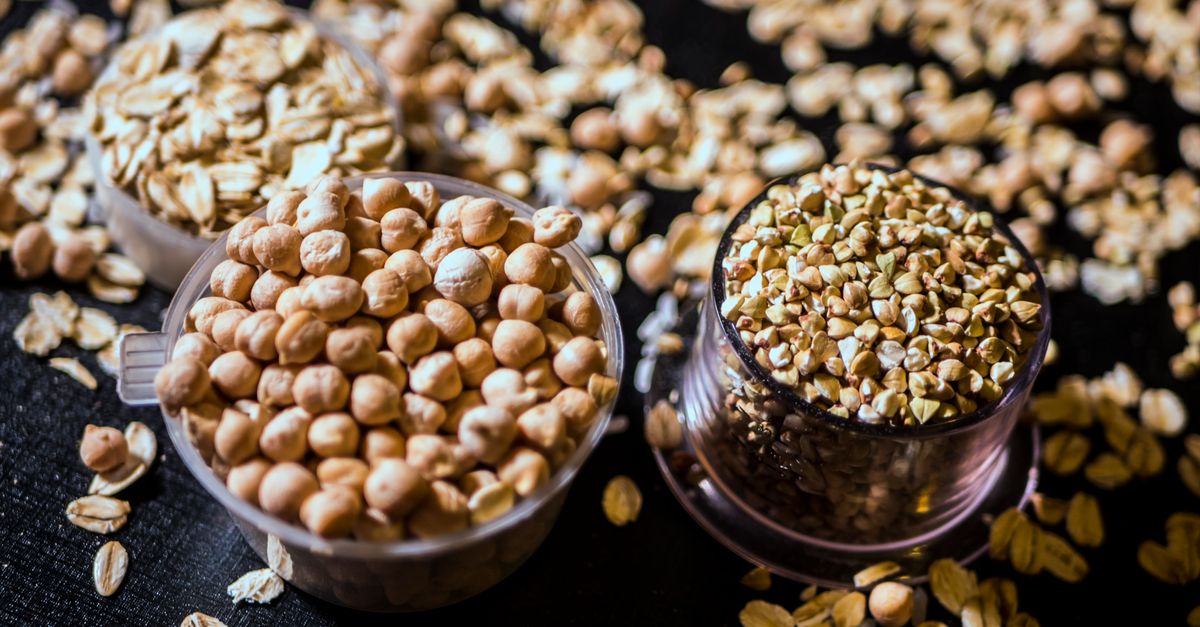
High cholesterol is a major risk factor for heart disease, but the foods you eat can make a real difference. Certain everyday foods actively help lower cholesterol or limit how much your body absorbs, making your diet one of the most powerful tools for heart health. From hearty oats to nuts and beans, eating for lower cholesterol is both effective and delicious.
Here are the best foods to lower cholesterol, how they work, and an easy heart-healthy oats recipe with prep time.
How food affects cholesterol
Cholesterol is a waxy substance your body needs, but too much of the wrong kind — LDL, or “bad” cholesterol — can build up in your arteries and raise your risk of heart disease. Your diet has a significant influence on your cholesterol levels.
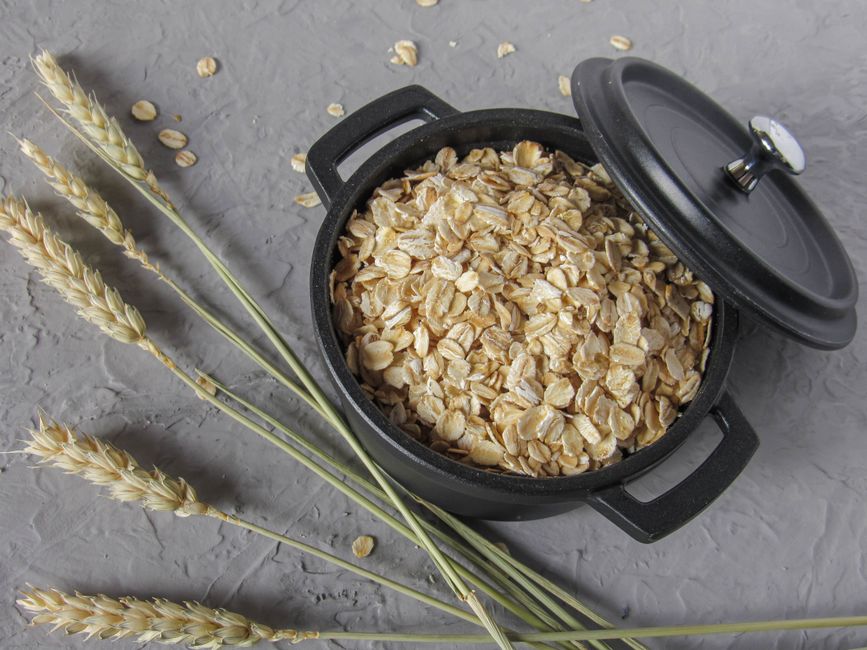
Some foods help in two main ways: soluble fiber binds to cholesterol in the digestive system and removes it from the body, while healthy unsaturated fats can help improve your cholesterol balance. At the same time, limiting saturated and trans fats helps keep LDL in check. By choosing more cholesterol-lowering foods and fewer cholesterol-raising ones, you can support healthier levels naturally.
The key cholesterol-lowering foods
Several types of food are especially good for lowering cholesterol.
- Oats and barley — rich in cholesterol-binding soluble fiber.
- Beans and legumes — high in soluble fiber and plant protein.
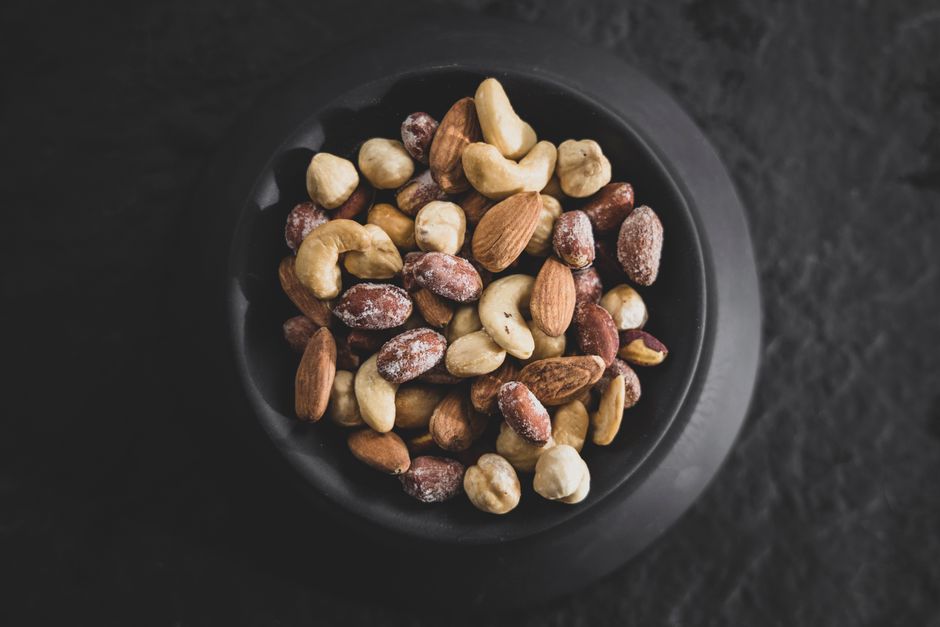
- Nuts — especially walnuts and almonds, with healthy fats.
- Fatty fish — providing heart-friendly omega-3s.
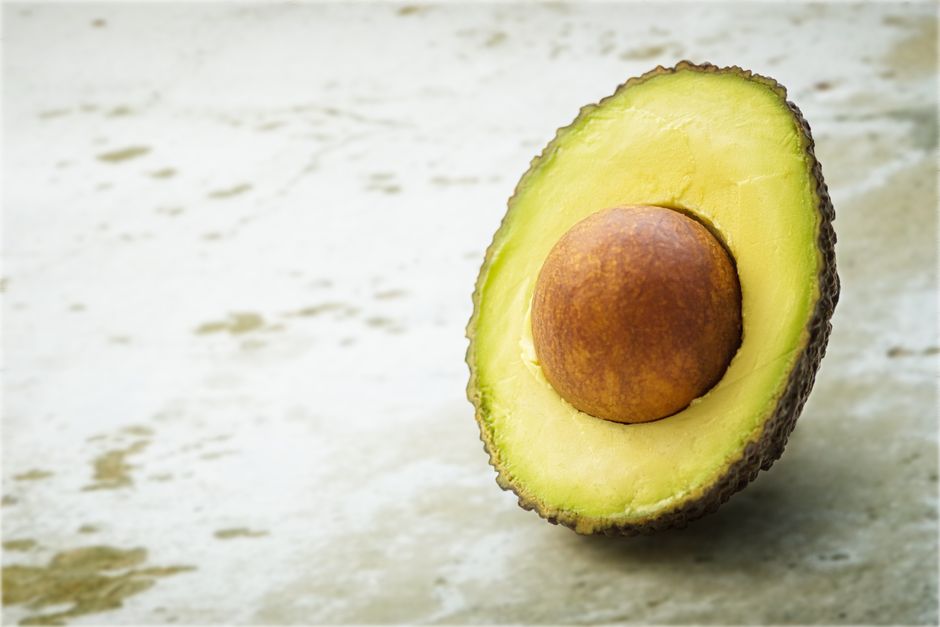
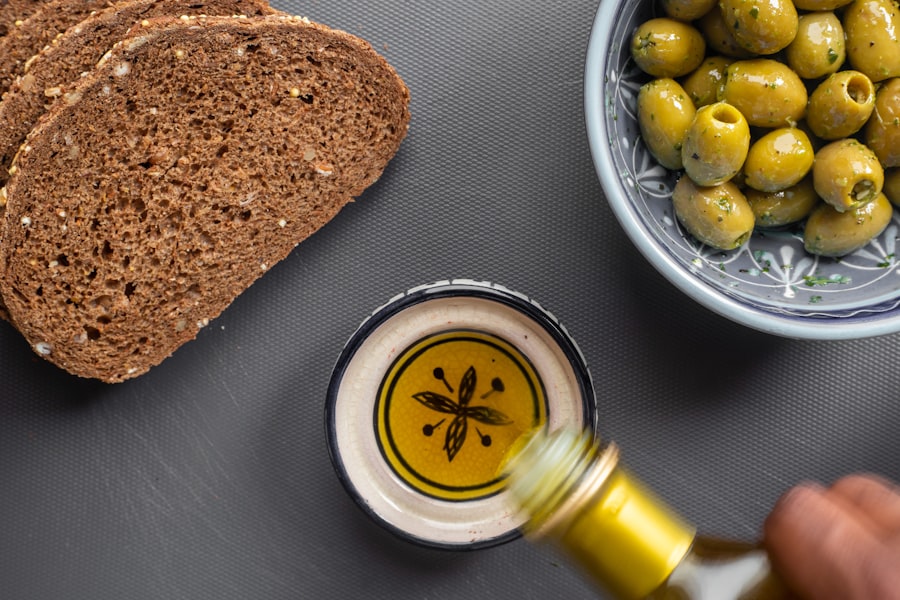
- Avocado and olive oil — rich in healthy monounsaturated fats.
- Fruits and vegetables — full of fiber and antioxidants.
As Medical News Today notes, foods rich in soluble fiber and healthy fats — like oats, beans, nuts and avocado — can help lower cholesterol.
The power of soluble fiber
Of all the ways food can lower cholesterol, soluble fiber is one of the most important. This special type of fiber dissolves into a gel-like substance in your digestive system, where it binds to cholesterol and carries it out of the body, helping to lower your LDL levels.
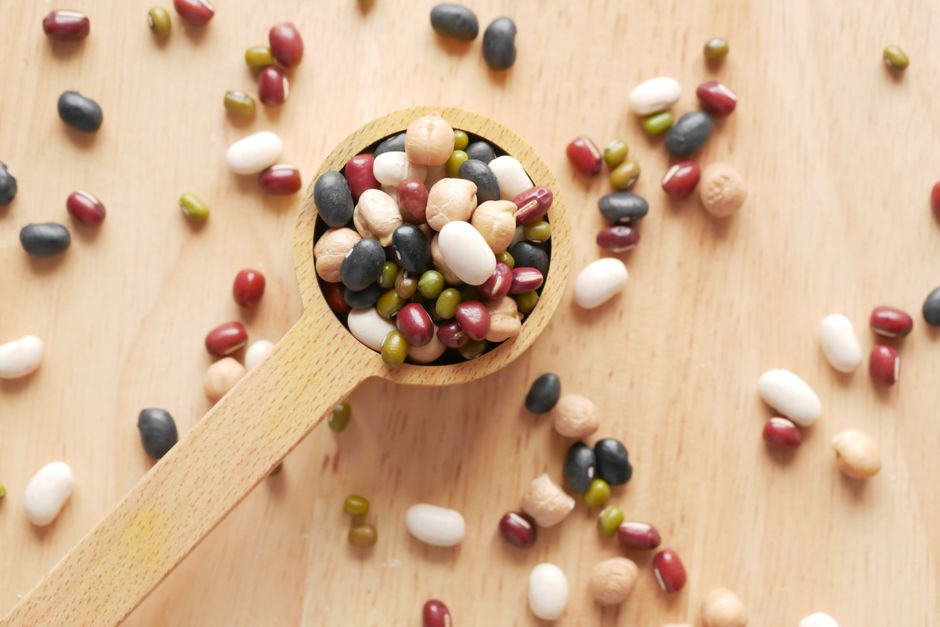
Foods especially rich in soluble fiber include oats, barley, beans, lentils, apples, citrus fruits and Brussels sprouts. Eating more of these is one of the simplest, most effective dietary strategies for healthier cholesterol. A bowl of oatmeal, a serving of beans, or an apple all contribute, making soluble fiber a cornerstone of heart-healthy eating, alongside other heart-healthy foods.
Easy heart-healthy oats recipe
This make-ahead breakfast combines several cholesterol-lowering foods.
Ingredients
- ½ cup rolled oats
- 1 tablespoon ground flaxseed
- 1 cup milk of choice
- 1 tablespoon walnuts
- ½ apple, diced
- 1 teaspoon honey
Instructions
- Stir the oats, flaxseed and milk together in a jar.
- Top with walnuts, apple and honey.
- Refrigerate overnight, then enjoy in the morning.
Swapping fats for heart health
Beyond adding cholesterol-lowering foods, swapping the types of fat you eat is a powerful strategy. The goal is to replace saturated and trans fats, which raise LDL cholesterol, with healthier unsaturated fats, which support a better cholesterol balance.
In practice, this means using olive oil instead of butter, snacking on nuts instead of processed snacks, eating fatty fish in place of some red and processed meats, and enjoying avocado as a source of healthy fat. Cutting back on fried foods, baked goods and heavily processed items, which are often high in unhealthy fats, makes a big difference too. These simple swaps, combined with more soluble fiber, are a recipe for healthier cholesterol and a happier heart.
Foods to limit for healthy cholesterol
Just as some foods help, others can raise cholesterol, so a little awareness helps. The main culprits are foods high in saturated fat, such as fatty cuts of red meat, processed meats, full-fat dairy in excess, and many fried and fast foods.
Trans fats, found in some processed and baked goods and anything with partially hydrogenated oils, are particularly harmful and best avoided altogether. This does not mean a joyless diet — it means enjoying these foods less often and in smaller amounts, while filling your plate with the fiber-rich, healthy-fat foods that support your heart. Balance and consistency, rather than perfection, are what matter most for long-term cholesterol health.
Easy ways to eat for lower cholesterol
Small daily choices add up to real heart benefits.
- Start with oats — a soluble-fiber-rich breakfast.
- Add beans — to soups, salads and bowls.
- Snack on nuts — walnuts and almonds instead of chips.
- Use olive oil — in place of butter.
- Eat the rainbow — plenty of fiber-rich fruits and vegetables.
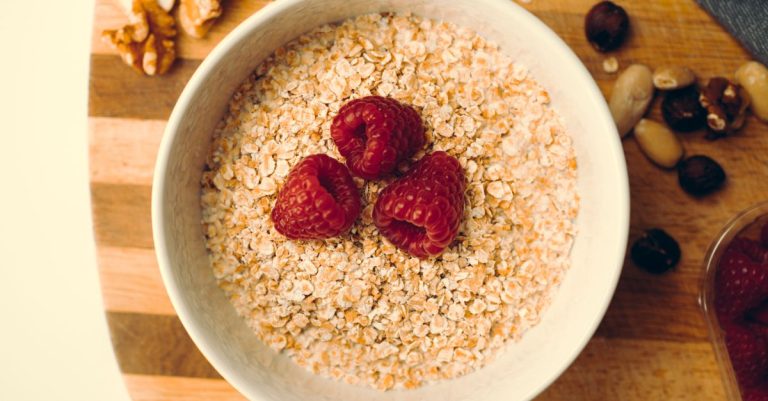
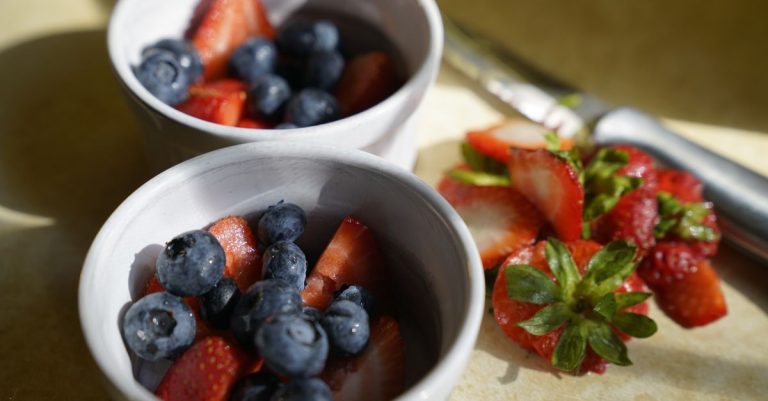
A bowl of oats with nuts and fruit is a perfect cholesterol-friendly breakfast.
When to focus on cholesterol
Eating for healthy cholesterol is worthwhile at any age, but it becomes especially important as you get older or if you have risk factors. If a check-up reveals high cholesterol, dietary changes are often the first and most powerful step. A family history of heart disease is another good reason to prioritize these foods early.
The encouraging news is that it is never too late to benefit, and dietary improvements can support healthier cholesterol relatively quickly. Combined with regular exercise and not smoking, a heart-healthy diet is one of the best investments you can make. Making these foods a consistent habit supports your heart for years to come.
Beyond diet: lifestyle for healthy cholesterol
While food is one of the most powerful tools for managing cholesterol, a few lifestyle habits work alongside it to amplify the benefits. Regular physical activity is one of the most effective, as exercise can help raise HDL (“good”) cholesterol while supporting healthy weight and overall heart health.
Not smoking is equally important, since smoking lowers HDL and damages blood vessels, and maintaining a healthy weight further supports a good cholesterol balance. Managing stress and getting enough sleep play supporting roles too. Think of cholesterol-lowering foods as the foundation, with these healthy habits building on top. Together, a heart-healthy diet and an active, smoke-free lifestyle are far more powerful than either alone, giving your heart the best possible support for the long term.
Lowering cholesterol naturally starts on your plate. By filling your diet with soluble-fiber-rich foods like oats and beans, healthy fats from nuts, fish, avocado and olive oil, and plenty of fruits and vegetables — while limiting saturated and trans fats — you can support healthier cholesterol and a stronger heart. These changes are both effective and delicious. A bowl of heart-healthy oats is a perfect place to start eating your way to a healthier heart.
Heart-smart eating, the Green Apple way
Our menu is full of heart-healthy, fiber-rich foods and good fats that support healthy cholesterol. Come discover smoothies, bowls and dishes made to love your heart back.
Frequently asked questions
What foods lower cholesterol?
Foods rich in soluble fiber and healthy fats help most, including oats and barley, beans and legumes, nuts like walnuts and almonds, fatty fish, avocado and olive oil, plus plenty of fruits and vegetables.
How does soluble fiber lower cholesterol?
Soluble fiber dissolves into a gel in your digestive system, where it binds to cholesterol and carries it out of the body, helping lower LDL levels. Oats, barley, beans, apples and citrus are especially rich in it.
How do you make heart-healthy overnight oats?
Stir ½ cup rolled oats and 1 tablespoon ground flaxseed with 1 cup milk, then top with walnuts, diced apple and honey. Refrigerate overnight. It combines several cholesterol-lowering foods and takes about 5 minutes to prep.
What foods should you limit for cholesterol?
Limit foods high in saturated fat such as fatty red meat, processed meats and many fried and fast foods, and avoid trans fats found in some processed and baked goods. Enjoy them less often while focusing on fiber-rich, healthy-fat foods.