Sage Tea Benefits: An Aromatic Herbal Tonic

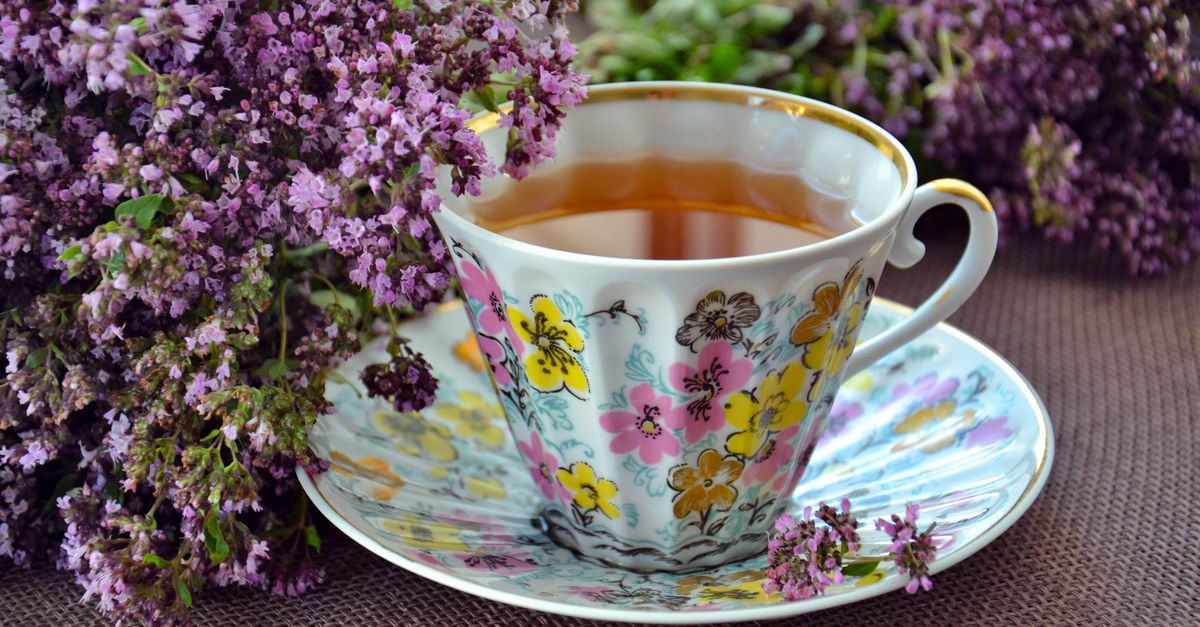
Sage Tea Benefits: An Aromatic Herbal Tonic
Aromatic, earthy and steeped in tradition, sage tea is a herbal brew made from the fragrant sage plant beloved in cooking. Beyond the kitchen, sage has been valued for centuries as a medicinal herb, and sage tea offers its antioxidants and soothing qualities in a warming, savory-sweet cup. It is an herbal tonic with a long and storied history.
Here are the key sage tea benefits, an easy sage tea recipe with prep and steep times, and tips to enjoy it at its best.
What is sage tea?
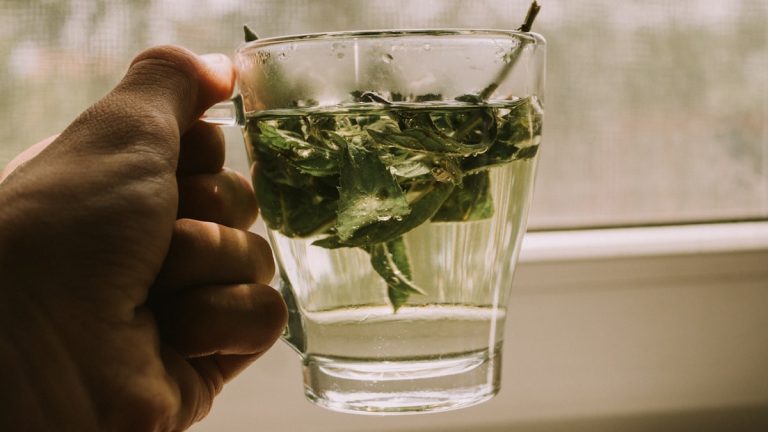
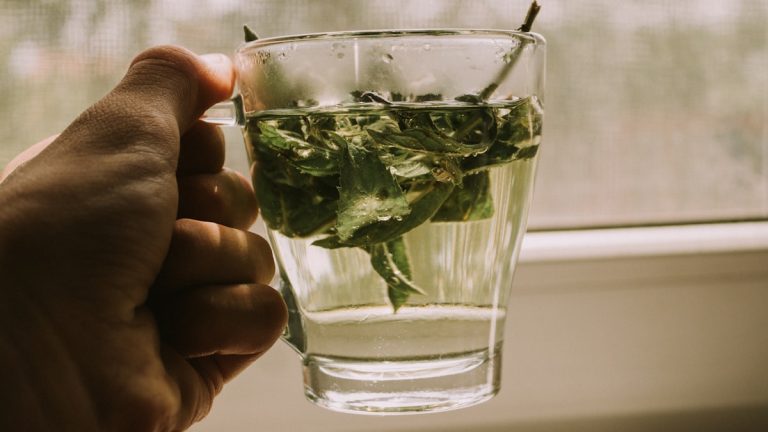
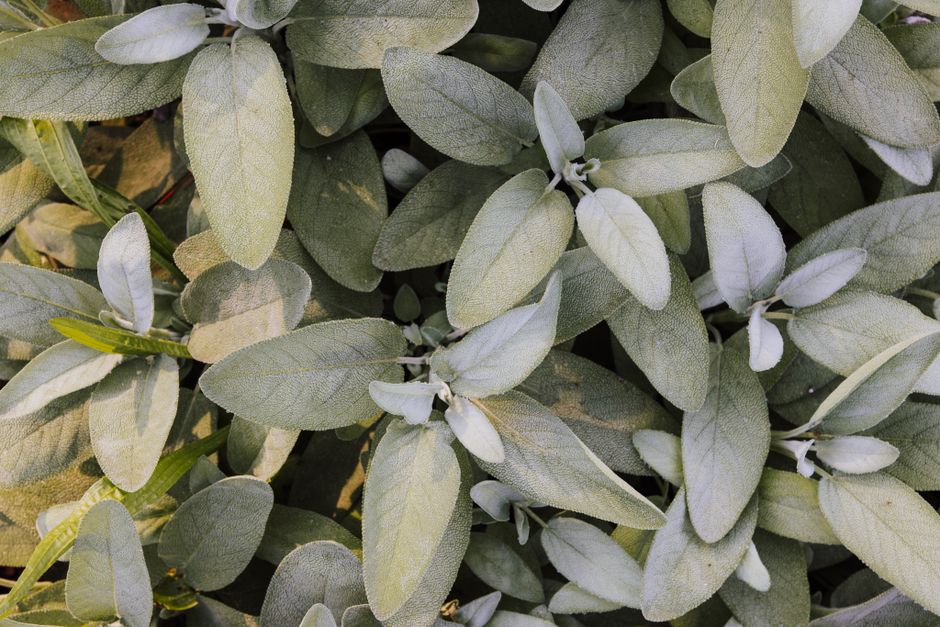
Sage tea is a herbal infusion made by steeping fresh or dried sage leaves in hot water. Sage is an aromatic herb in the mint family, instantly recognizable by its soft, grey-green leaves and distinctive savory, slightly peppery, earthy fragrance, familiar from cooking.
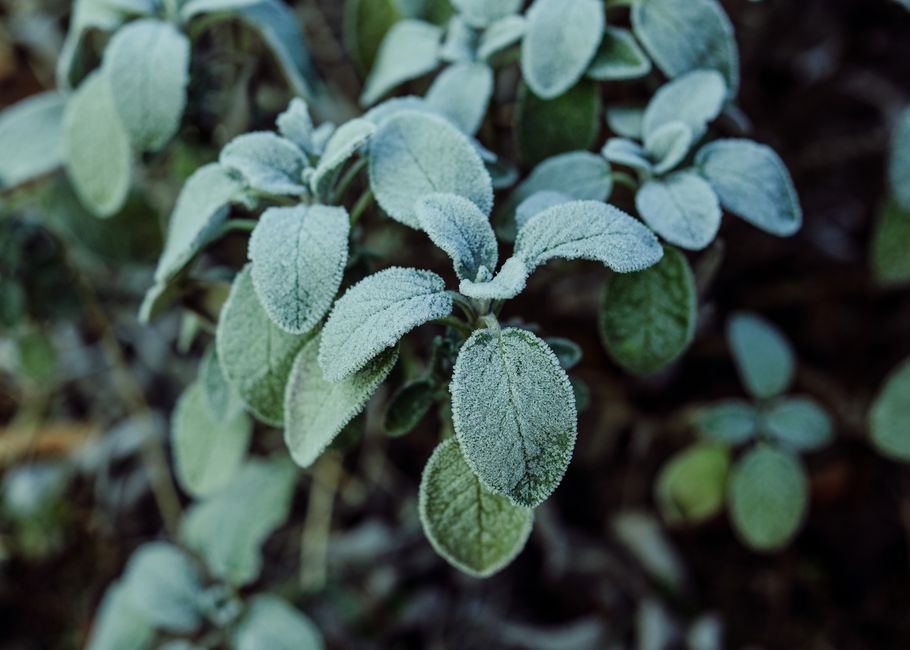
The name sage comes from the Latin word for “to heal,” reflecting its long history in traditional medicine across many cultures. As a tea, sage has a warm, herbaceous, slightly sweet-savory flavor and is naturally caffeine-free. Valued for both its taste and its traditional benefits, sage tea has been enjoyed as a soothing herbal tonic for generations.
The benefits of sage tea
Behind its aromatic flavor, sage tea offers several appealing benefits.

- Rich in antioxidants — sage is packed with protective plant compounds.
- Soothes a sore throat — a traditional remedy, often as a gargle.
- Studied for memory and focus — sage has intriguing research behind it.
- Caffeine-free — a soothing drink any time of day.
- Aromatic and warming — a comforting, herbaceous cup.
As Medical News Today notes, sage is rich in antioxidants and has traditional uses for soothing the throat and supporting memory and overall health.
Sage for the throat and the mind
Two of the most interesting sage tea benefits are its soothing effect on the throat and its intriguing links to memory. Sage has a long tradition as a remedy for a sore throat, often used as a warm gargle, thanks to its soothing and antimicrobial properties.
Equally fascinating is sage’s reputation as a herb for the mind. Historically associated with wisdom and memory, sage has been the subject of modern research exploring its potential to support memory, focus and cognitive function, with some promising early findings. While more study is needed, this gives sage tea an appealing reputation as a brew for both body and brain, complementing other brain-supporting foods.
Easy sage tea recipe
Sage tea is simple to make from fresh or dried leaves.
Ingredients
- 1 tablespoon fresh sage leaves (or 1 teaspoon dried)
- 1 cup boiling water
- Honey and lemon to taste (optional)
Instructions
- Place the sage leaves in a cup or teapot.
- Pour over the boiling water and cover.
- Steep for 5 minutes, strain, then add honey and lemon if desired.
Fresh vs. dried sage
Both fresh and dried sage make a lovely tea, with a slight difference in flavor and strength. Fresh sage leaves, perhaps from your own garden, give a bright, vibrant and fragrant cup, and sage is a wonderfully easy herb to grow in a sunny spot.
Dried sage is more concentrated and convenient, keeping well in the cupboard for whenever you want a cup. As a rough guide, use about three times as much fresh sage as dried. Covering the cup while it steeps helps trap the aromatic oils for the best flavor. Either way, sage’s distinctive, savory-sweet aroma comes through beautifully, and a little honey and lemon balance it nicely if you prefer a sweeter cup.
Is sage tea good for you?
For most people, sage tea is a healthy and soothing choice. It is caffeine-free, calorie-free, rich in antioxidants, and valued for soothing the throat and its intriguing links to memory, making it a wholesome, aromatic drink to enjoy.

One sensible note: sage contains a compound called thujone, which is harmless in normal tea amounts but means sage tea is best enjoyed in moderation rather than in very large quantities, and pregnant or breastfeeding women are often advised to avoid medicinal amounts. For most people, a cup or two a day is a flavorful, beneficial pleasure, especially soothing when your throat feels scratchy.
Delicious ways to enjoy sage tea
Sage tea is lovely on its own and pairs well with other flavors.
- Sage, honey and lemon — especially soothing for a sore throat.
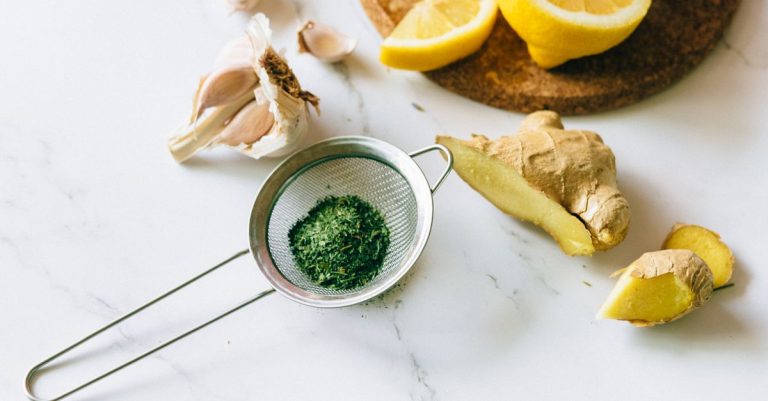
- Sage and ginger — a warming, soothing combination.
- Sage and mint — a refreshing, herbaceous blend.
- Iced sage tea — surprisingly refreshing over ice.
- Sage and chamomile — calming and gentle before bed.
Sage with honey and lemon is a classic soothing cup for a scratchy throat.
When to enjoy sage tea
Sage tea suits several moments. When your throat feels sore or scratchy, a warm cup with honey and lemon is wonderfully soothing. During study or focus-heavy days, some enjoy sage tea for its traditional links to memory and concentration.
In the afternoon or evening, its caffeine-free, aromatic nature makes a calming, comforting drink. It is also a lovely way to use sage from your garden beyond cooking. Whenever you want an aromatic, soothing herbal tonic, sage tea offers a warming, storied cup to enjoy.
Tips for the perfect cup
A few simple tips bring out the best in sage tea. Cover the cup or pot while it steeps to trap sage’s aromatic oils, which carry much of its flavor and benefit, and steep for about five minutes for a well-rounded cup, or a little longer for a stronger, more medicinal brew.
If using fresh sage, gently tear or bruise the leaves first to release more of their fragrant oils. Sage’s savory, earthy flavor is balanced beautifully by a little honey and a squeeze of lemon, especially when you are soothing a sore throat. Keep your portions sensible given sage’s natural thujone content, and enjoy a cup or two a day. For a soothing gargle, simply let the tea cool slightly before use.
Sage tea is an aromatic, antioxidant-rich herbal tonic with a history as rich as its flavor. Caffeine-free and famous for soothing the throat, with intriguing traditional links to memory and focus, it is a warming, savory-sweet cup with genuine appeal. Brew it from fresh or dried sage, cover it while it steeps, and add honey and lemon for extra comfort. Enjoyed in moderation, this storied herb makes a soothing, wholesome tea for body and mind.
Aromatic and soothing, the Green Apple way
We love aromatic, wholesome ingredients and natural drinks made with real, quality components. Come explore our menu of juices, smoothies and feel-good wellness drinks.
Frequently asked questions
What are the benefits of sage tea?
Sage tea is caffeine-free and rich in antioxidants. It is a traditional remedy for soothing a sore throat, often as a gargle, and has intriguing research links to supporting memory and focus, plus a warming, aromatic flavor.
How do you make sage tea?
Place 1 tablespoon of fresh sage leaves (or 1 teaspoon dried) in a cup, pour over 1 cup of boiling water, cover and steep for 5 minutes. Strain and add honey and lemon if desired. Total time is about 7 minutes.
Is sage tea good for a sore throat?
Yes, traditionally. Sage has long been used to soothe a sore throat, often as a warm gargle, thanks to its soothing and antimicrobial properties. A cup with honey and lemon is especially comforting when your throat is scratchy.
Is sage tea safe to drink daily?
In moderation, yes for most people. Sage contains thujone, which is harmless in normal tea amounts but means it is best enjoyed in sensible quantities. Pregnant or breastfeeding women are often advised to avoid medicinal amounts.