Peppermint Tea Benefits: A Soothing, Refreshing Brew

Peppermint Tea Benefits: A Soothing, Refreshing Brew
Cool, refreshing and wonderfully soothing, peppermint tea is one of the most popular herbal teas in the world — and for good reason. This caffeine-free brew has a clean, minty flavor that refreshes the palate and a long history of use for easing digestion and tension. Best of all, it is incredibly easy to make from fresh or dried mint.
Here are the key peppermint tea benefits, an easy peppermint tea recipe with prep and steep times, and tips to enjoy it at its best.
What is peppermint tea?
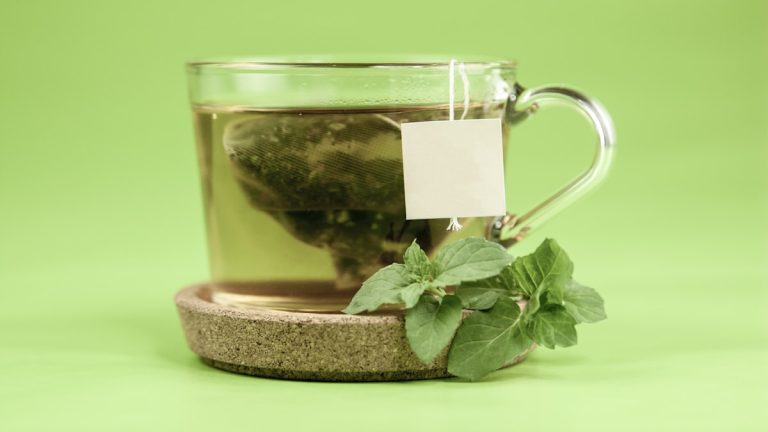
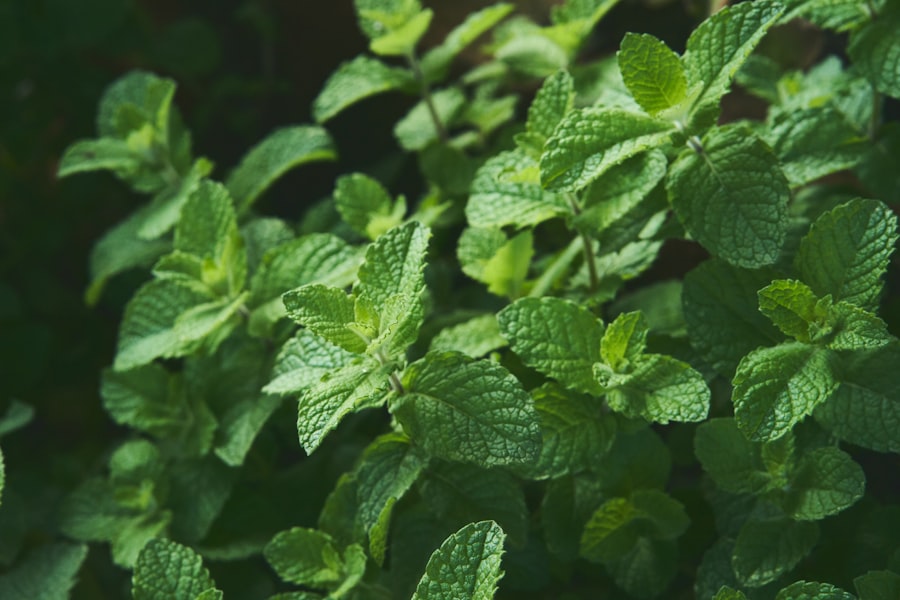
Peppermint tea is a herbal infusion made by steeping fresh or dried peppermint leaves in hot water. Peppermint itself is a hybrid of spearmint and watermint, prized for its high concentration of menthol, the compound that gives it that signature cool, refreshing taste.
Like other herbal teas, peppermint tea is naturally caffeine-free, so it can be enjoyed any time of day without affecting your sleep. People have turned to it for centuries as a soothing, refreshing drink and a traditional digestive aid, and it remains a firm favorite today.
The benefits of peppermint tea
Behind its refreshing flavor, peppermint tea offers several appealing benefits.
- Soothes digestion — long used to ease bloating and an upset stomach.
- May ease tension headaches — menthol has a relaxing, cooling effect.
- Caffeine-free — calming rather than stimulating, perfect for evenings.
- Freshens breath — thanks to its naturally minty, antibacterial properties.
- May relieve congestion — the menthol vapor can feel clearing.
As BBC Good Food notes, peppermint and its menthol are traditionally used to soothe digestion and may help relax the digestive tract.
Peppermint tea for digestion
The most well-known peppermint tea benefit is its soothing effect on digestion. For centuries, people have reached for a cup of mint tea after a heavy meal, and there is good reason for it.
Peppermint contains menthol, which may help relax the muscles of the digestive tract, easing bloating, gas and stomach discomfort. This is why peppermint is a common ingredient in remedies for an upset stomach. A warm cup after eating can feel genuinely settling, making it a lovely natural addition to a routine that includes other gut health foods.
Easy peppermint tea recipe
Making peppermint tea from scratch takes just minutes and tastes far fresher than a tea bag.
Ingredients
- 1 tablespoon fresh peppermint leaves (or 1 teaspoon dried)
- 1 cup boiling water
- Honey or lemon to taste (optional)
Instructions
- Place the peppermint leaves in a cup or teapot.
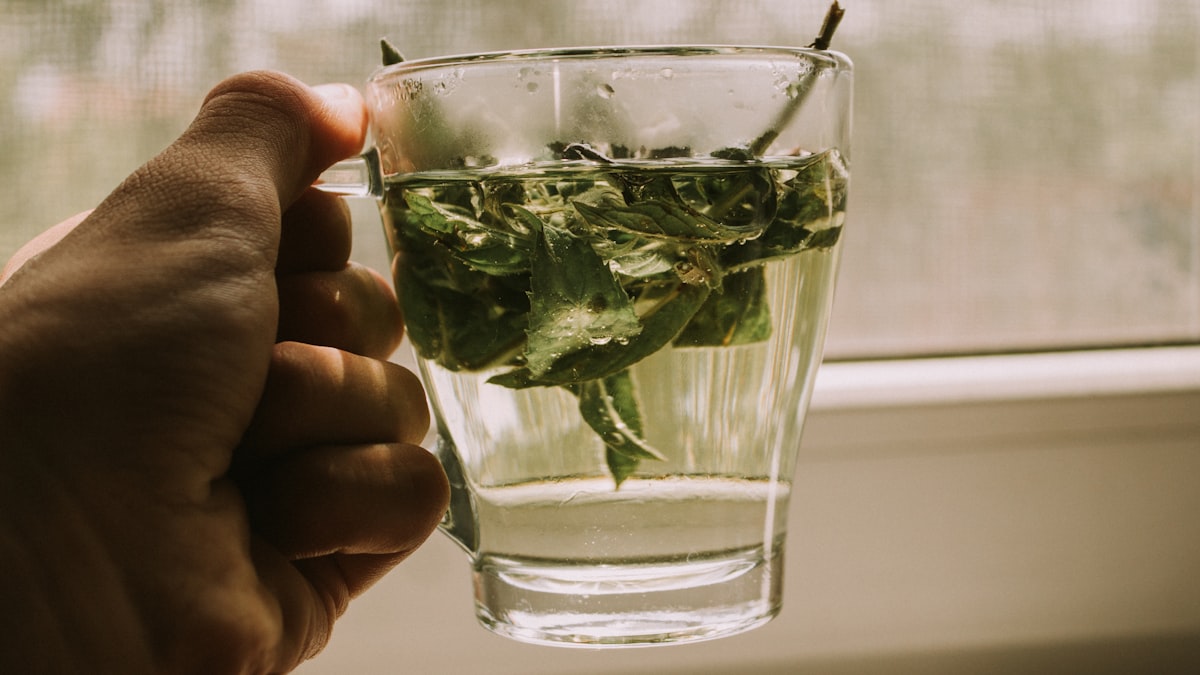
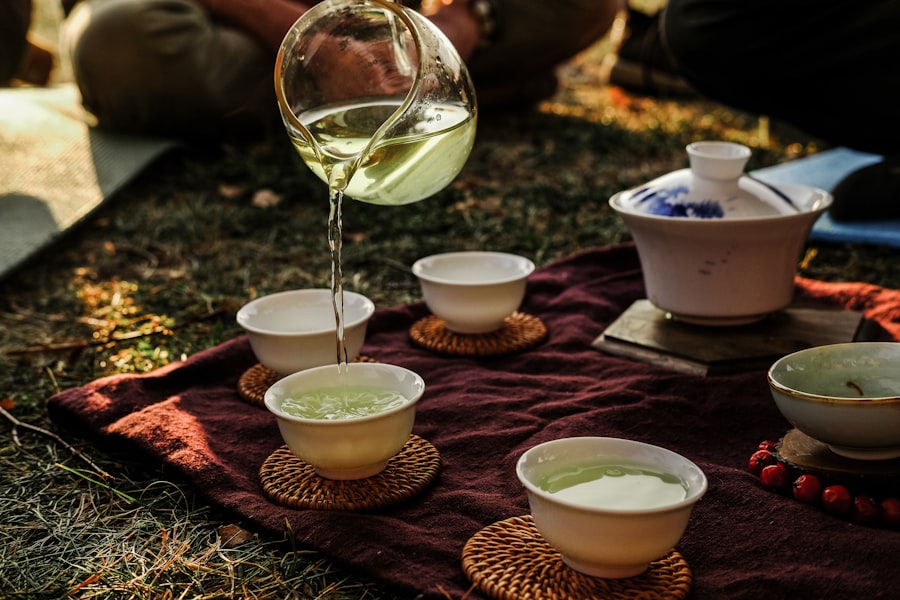
- Pour over the boiling water and cover to trap the aromatic oils.
- Steep for 5 minutes, strain, then sweeten if desired and enjoy.
Fresh vs. dried peppermint
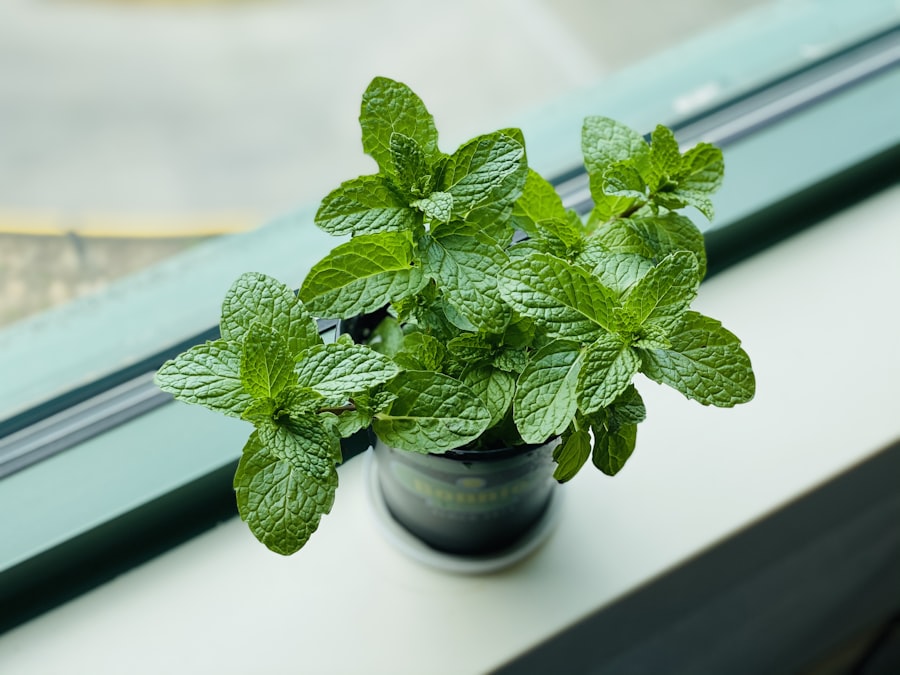
Both fresh and dried peppermint make a lovely tea, with a slight difference in flavor. Fresh peppermint leaves, perhaps from your own windowsill pot, give the brightest, most vibrant and fragrant cup, and growing mint at home is wonderfully easy.
Dried peppermint is more concentrated and convenient, keeping well in the cupboard for whenever you fancy a cup. As a rough guide, use about three times as much fresh mint as dried. Either way, covering the cup while it steeps is the secret to a flavorful brew, as it traps the aromatic menthol oils that would otherwise escape with the steam.
Is peppermint tea good for you?
For most people, peppermint tea is a genuinely healthy and soothing choice. It is caffeine-free, calorie-free, and may help with digestion and relaxation, making it a perfect swap for sugary drinks or an evening alternative to caffeinated tea and coffee.

One small note: people who experience acid reflux may find peppermint relaxes the valve at the top of the stomach and worsens symptoms, so it is worth being mindful if that applies to you. For everyone else, a cup of peppermint tea is a refreshing, calming drink to enjoy any time, much like a soothing companion to our foods for better sleep.
Delicious ways to enjoy it
Peppermint tea is lovely on its own, but it pairs beautifully with other flavors.
- Peppermint and honey — a touch of honey adds gentle sweetness.
- Peppermint and lemon — a bright, refreshing citrus note.
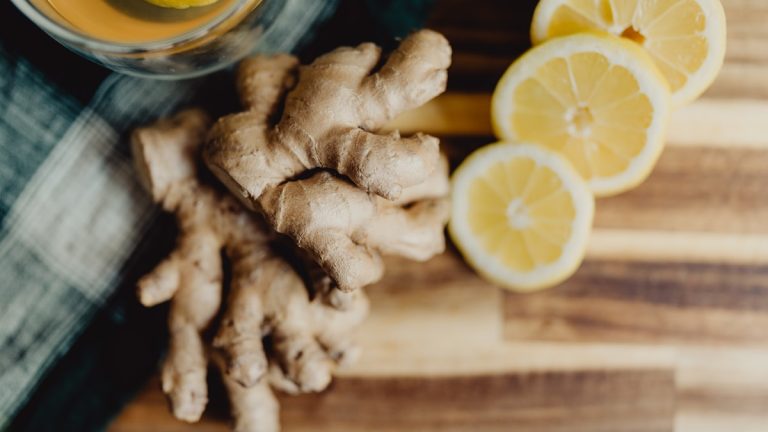
- Peppermint and ginger — doubly soothing for digestion.
- Iced peppermint tea — chill it for a cooling summer drink.
- Peppermint and green tea — combine for a refreshing, lightly caffeinated cup.
Iced peppermint tea is especially refreshing on a hot day.
When to enjoy peppermint tea
Peppermint tea suits almost any moment of the day. After a meal, it is a soothing, traditional digestive that helps you feel comfortable rather than overly full. In the afternoon, its refreshing flavor offers a clean, caffeine-free pick-me-up without the crash.
In the evening, a warm cup is a calming, caffeine-free way to wind down before bed, helping you relax. It is also a wonderful drink when you feel a little under the weather, as the menthol vapor can feel clearing and comforting. Few drinks are as versatile, soothing and refreshing all at once.
Tips for the perfect cup
A couple of simple tips guarantee a great cup every time. Always cover your tea while it steeps to trap the aromatic menthol oils, and steep for a full five minutes for the most flavor.
If you grow your own mint, give the leaves a gentle bruise before steeping to release more of their fragrant oils. Taste before adding any sweetener, as peppermint’s natural flavor is often perfect on its own, and reach for honey rather than sugar if you do want a little sweetness. For iced tea, brew it stronger to account for melting ice, and enjoy it fresh for the brightest, most refreshing flavor.
Peppermint tea is a soothing, refreshing classic that has stood the test of time. Caffeine-free and naturally flavorful, it is best known for easing digestion and offering a calming, cooling moment any time of day. Brew it fresh from your own mint or from dried leaves, cover it while it steeps, and enjoy this simple, wholesome drink hot or iced. It might just become your favorite everyday cup.
Soothing and refreshing, the Green Apple way
We believe the best drinks are simple, fresh and good for you — no artificial flavors, no added junk. Come explore our menu of juices, smoothies and wellness drinks crafted with the same care.
Prefer a sweeter, gentler mint? Try its cousin, spearmint tea.
For another refreshing, caffeine-free herbal infusion, discover the soothing benefits of lemongrass tea.
Frequently asked questions
What are the benefits of peppermint tea?
Peppermint tea is caffeine-free and calorie-free and is traditionally used to soothe digestion, ease bloating and stomach discomfort. Its menthol may also help relax tension, freshen breath and relieve congestion.
How do you make peppermint tea?
Place 1 tablespoon of fresh peppermint leaves (or 1 teaspoon dried) in a cup, pour over 1 cup of boiling water, cover and steep for 5 minutes. Strain and sweeten with honey if desired. Total time is about 7 minutes.
Is peppermint tea good for digestion?
Yes — peppermint contains menthol, which may help relax the muscles of the digestive tract and ease bloating, gas and discomfort. A warm cup after a meal can feel settling. People with acid reflux should be cautious, as peppermint may worsen symptoms.
Does peppermint tea have caffeine?
No. Peppermint tea is a herbal infusion made from mint leaves, not tea leaves, so it is naturally caffeine-free and a great choice for the evening or before bed.