Collagen-Boosting Foods: Eat for Firmer, Glowing Skin
Collagen-Boosting Foods: Eat for Firmer, Glowing Skin
Collagen is the most abundant protein in your body and the scaffolding that keeps your skin firm, plump and youthful. As we age, our natural collagen production slows, but the good news is that the right foods can help your body build its own collagen. Rather than relying on expensive supplements, you can nourish your skin from within with everyday whole foods.
Here are the best collagen-boosting foods, how they work, and an easy collagen-supporting smoothie recipe with prep time.
How food supports collagen
Collagen is a protein that gives structure to your skin, bones, tendons and connective tissue. In the skin, it keeps things firm and elastic, but production naturally declines with age, leading to wrinkles and sagging over time.

Here is the key insight: rather than eating collagen directly, you can give your body the building blocks and helpers it needs to make its own. That means plenty of protein to supply amino acids, vitamin C to actually synthesize collagen, and antioxidants to protect the collagen you already have. A diet rich in these nutrients is one of the most natural ways to support firm, healthy skin.
The building blocks of collagen
To build collagen, your body needs several key nutrients working together.
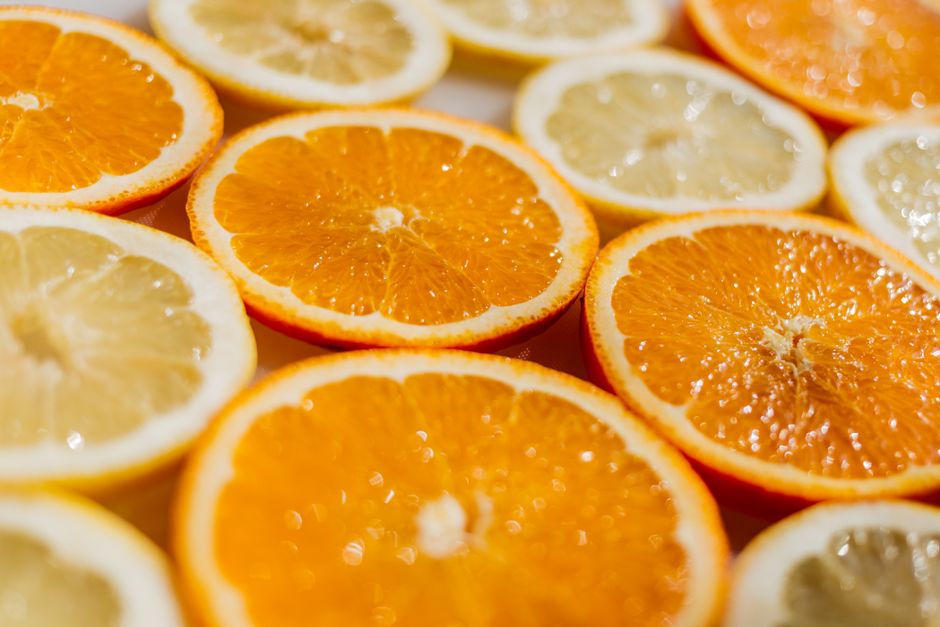
- Protein — supplies the amino acids that form collagen.
- Vitamin C — essential for your body to actually make collagen.
- Antioxidants — protect existing collagen from damage.
- Zinc and copper — minerals involved in collagen production.
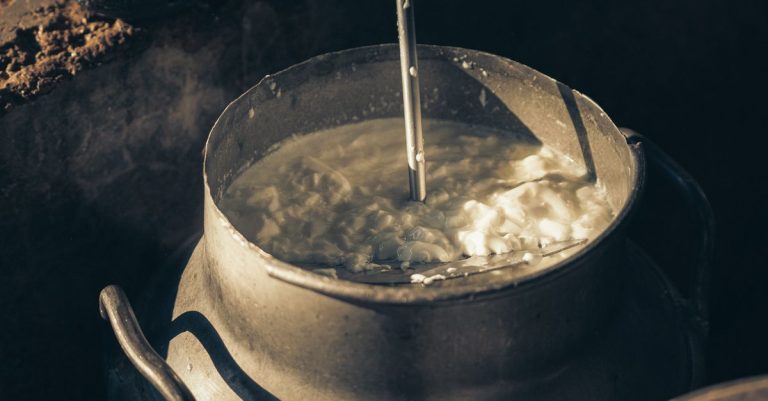
- Bone broth — a direct source of collagen and amino acids.
As Healthline notes, foods rich in protein, vitamin C and antioxidants help support your body’s natural collagen production.
The best collagen-boosting foods
Many everyday whole foods provide the protein, vitamin C and antioxidants your body needs to build and protect collagen.
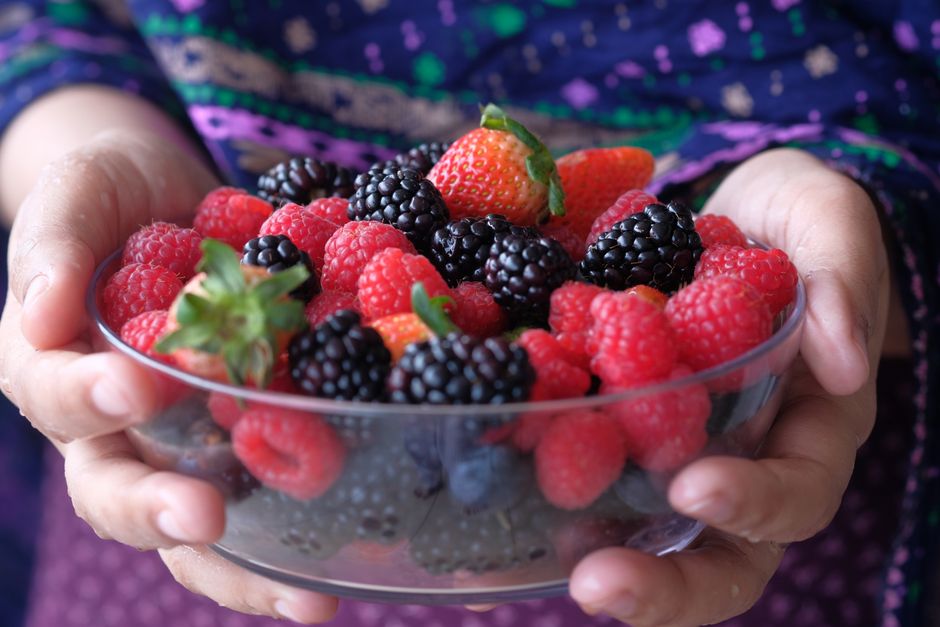
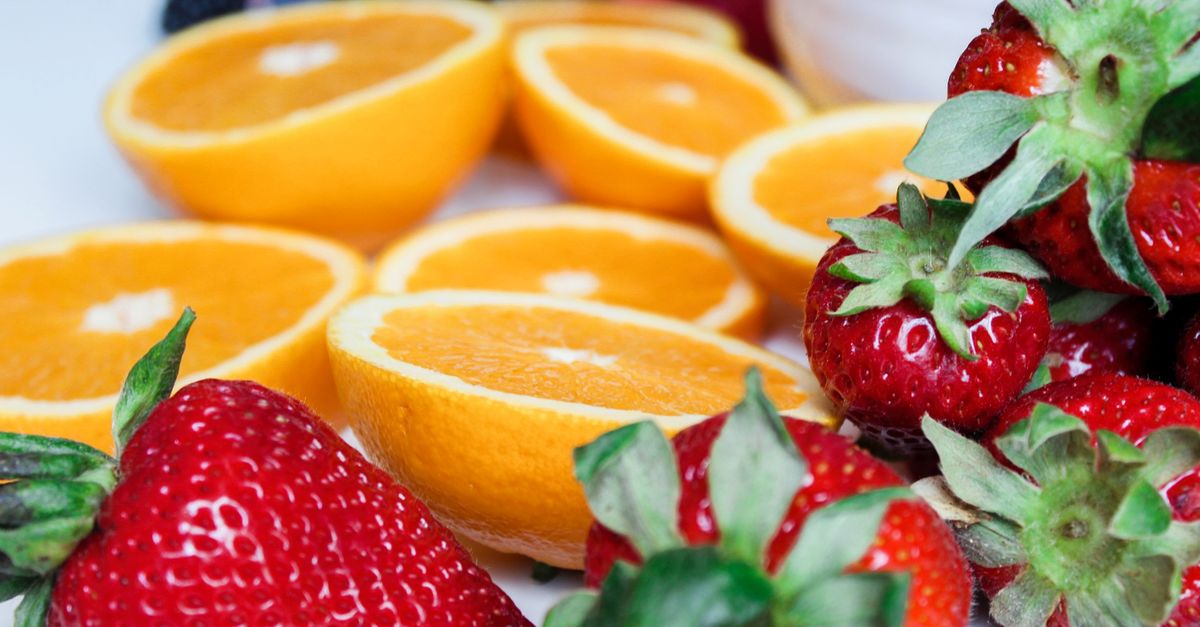
- Citrus fruits and berries — rich in collagen-building vitamin C.
- Bone broth — a direct source of collagen and amino acids.
- Eggs and lean protein — supplying amino acid building blocks.
- Leafy greens — full of antioxidants that protect collagen.
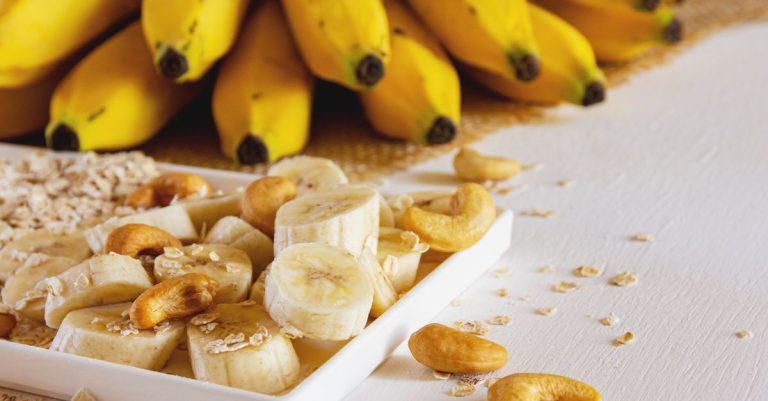
- Nuts and seeds — providing zinc and other helpful minerals.
- Fish — offering protein and skin-supporting nutrients.
Many of these overlap with our guide to vitamin C foods, which are essential for collagen.
Easy collagen-boosting smoothie
This vibrant smoothie combines vitamin C and protein to support collagen production.
Ingredients
- 1 cup mixed berries
- ½ cup Greek yogurt
- 1 orange, peeled
- 1 tablespoon chia seeds
- 1 cup milk of choice
Instructions
- Add all the ingredients to a blender.
- Blend until smooth and creamy.
- Pour and enjoy this vitamin C and protein-rich smoothie.
Why vitamin C is essential
Of all the collagen-supporting nutrients, vitamin C deserves special attention, because without it, your body simply cannot make collagen. Vitamin C is a required cofactor in the chemical process that builds collagen, which is why it is so central to firm, healthy skin.
This is also why a diet lacking vitamin C historically led to the collagen-related problems of scurvy. Happily, vitamin C is abundant in colorful fruits and vegetables like citrus, berries, peppers and kiwi. Pairing protein-rich foods with plenty of vitamin C gives your body both the building blocks and the tool it needs to produce collagen, making this pairing the heart of any collagen-supporting diet.
Foods that protect your collagen
Building new collagen is only half the story; protecting the collagen you already have matters just as much. The main threats to existing collagen are oxidative stress from free radicals and inflammation, both of which can break collagen down faster.
This is where antioxidant-rich foods shine. Colorful fruits and vegetables, leafy greens, and other antioxidant foods help neutralize free radicals and protect your skin’s collagen. Limiting excess sugar and ultra-processed foods helps too, since they can damage collagen through a process called glycation. Combining collagen-building and collagen-protecting foods gives your skin the best of both worlds.
Beyond food: habits that help
Collagen-boosting foods work best alongside a few supportive lifestyle habits. While your diet provides the raw materials for collagen, other choices help protect and preserve it for the long term.
Protecting your skin from excess sun is one of the most important, since UV exposure is a major cause of collagen breakdown. Staying hydrated keeps skin plump, not smoking preserves collagen, and getting enough sleep gives your skin time to repair. Managing stress and limiting added sugar round out the picture. Think of collagen-boosting foods as the foundation, with these healthy habits amplifying their benefits for firmer, more radiant skin.
Easy ways to eat for collagen
Small daily choices add up to real support for your skin.
- Start with vitamin C — berries or citrus at breakfast.
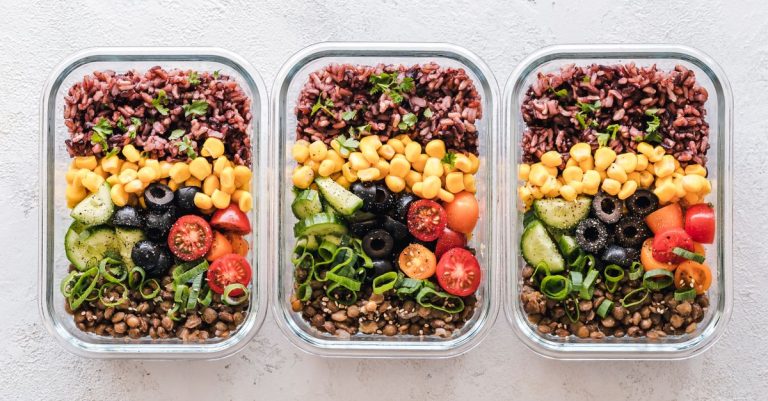
- Include protein — eggs, fish, yogurt or beans at meals.
- Eat the rainbow — colorful antioxidant produce daily.
- Try bone broth — as a warming, collagen-rich drink or base.
- Add nuts and seeds — for zinc and skin-supporting minerals.
A vitamin C-rich smoothie with protein is a perfect daily collagen booster.
When to focus on collagen
Supporting collagen is worthwhile at any age, but it becomes especially valuable over time. From your mid-twenties onward, natural collagen production gradually slows, so building collagen-supporting habits early helps preserve firm skin for longer.
It is also helpful during times of higher oxidative stress, such as periods of lots of sun exposure or stress. The encouraging news is that it is never too late to start, as your body continues making collagen throughout life when given the right nutrients. Making collagen-boosting foods a consistent part of your diet supports your skin, joints and overall health for years to come.
Beautiful, firm skin truly does start from within. Rather than relying on supplements, you can support your body’s natural collagen production with everyday foods rich in protein, vitamin C and antioxidants — from citrus and berries to eggs, leafy greens, nuts and bone broth. Pair these collagen-boosting foods with sun protection, hydration and good sleep, and you give your skin everything it needs to stay firm and radiant. A vitamin C-rich smoothie is a delicious place to begin.
Glow from within, the Green Apple way
Our menu is full of vitamin C-rich fruits, leafy greens and wholesome protein that support healthy, glowing skin. Come discover smoothies, bowls and juices made for a radiant you.
Frequently asked questions
What foods boost collagen?
Foods that supply protein and vitamin C are key, including citrus fruits, berries, eggs, lean protein and fish, plus leafy greens and nuts for antioxidants and minerals. Bone broth is also a direct source of collagen and amino acids.
How do you make a collagen smoothie?
Blend 1 cup mixed berries, ½ cup Greek yogurt, 1 peeled orange, 1 tablespoon chia seeds and 1 cup milk until smooth. It combines vitamin C and protein to support collagen and takes about 5 minutes.
Why is vitamin C important for collagen?
Vitamin C is a required cofactor in the process your body uses to build collagen — without it, collagen cannot be made. That is why pairing protein-rich foods with plenty of vitamin C is central to a collagen-supporting diet.
Can you really boost collagen with food?
Yes. Rather than eating collagen directly, you give your body the building blocks (protein), the essential cofactor (vitamin C) and antioxidants to protect existing collagen. Combined with sun protection and good habits, this supports firmer skin.