Ginger Tea Benefits: A Warming Remedy for Digestion

Ginger Tea Benefits: A Warming Remedy for Digestion
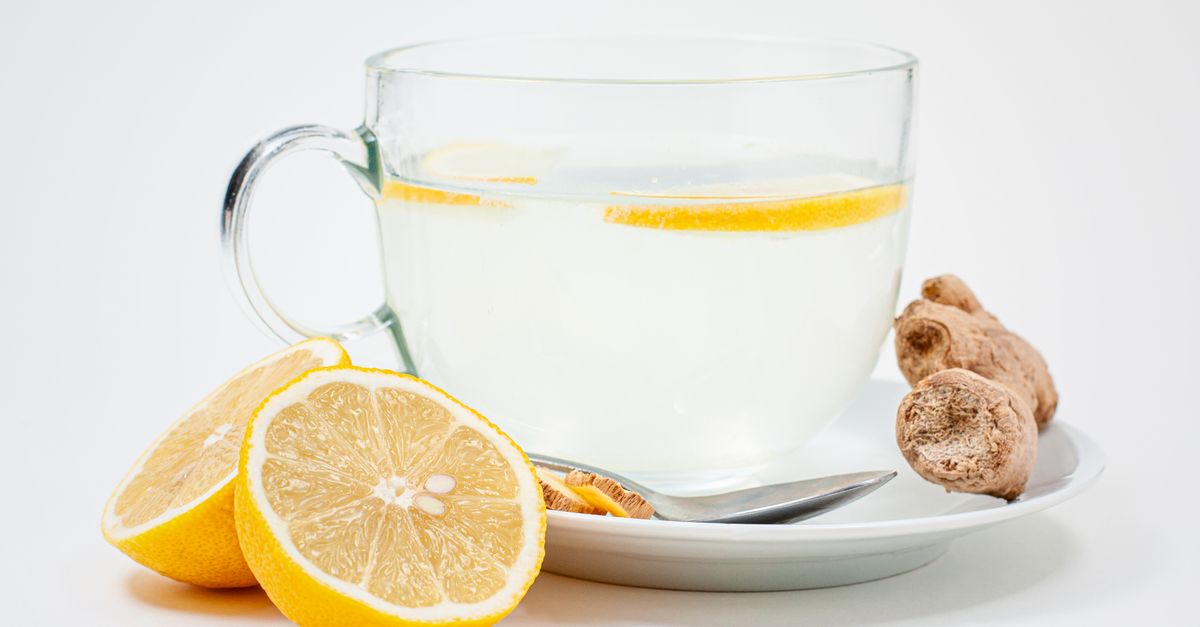
Warming, zesty and wonderfully soothing, ginger tea is one of the most trusted natural remedies in the world. Made from the humble ginger root, this caffeine-free brew has been used for thousands of years to settle the stomach, ease nausea and warm the body. It is a comforting, invigorating cup with genuine, well-studied benefits.
Here are the key ginger tea benefits, an easy fresh ginger tea recipe with prep and steep times, and tips to enjoy it at its best.
What is ginger tea?
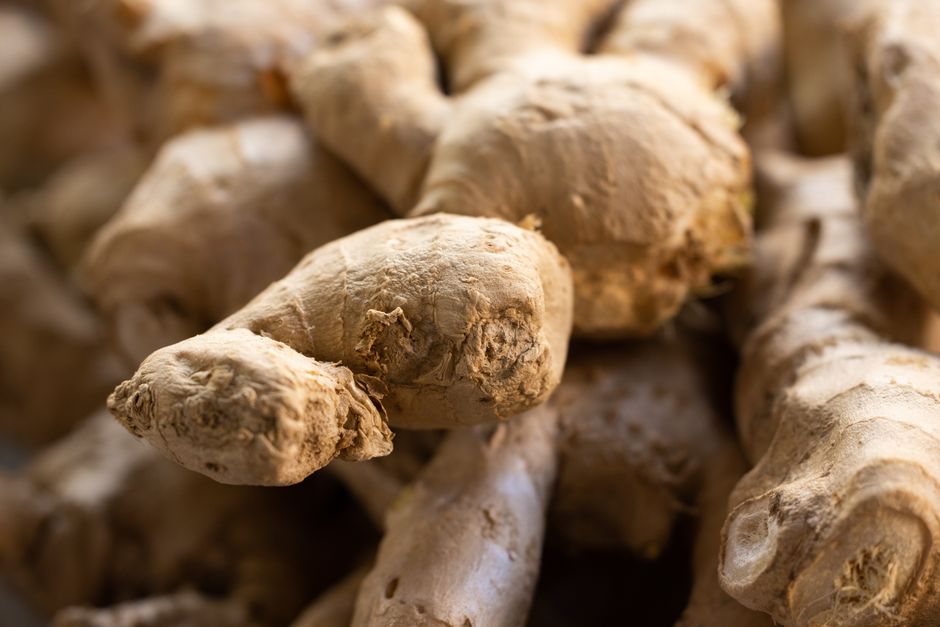
Ginger tea is a warming infusion made by steeping or simmering fresh or dried ginger root in hot water. Ginger is a flowering plant whose knobby underground rhizome — what we call the root — has been prized for both cooking and natural medicine across Asia for millennia.

The tea has a distinctive warm, spicy, slightly sweet flavor with a pleasant zing, and it is naturally caffeine-free. Ginger’s benefits come largely from its active compounds, especially gingerol, which give it both its kick and its medicinal reputation. Whether sipped to soothe an upset stomach or simply enjoyed for its warming taste, ginger tea is a time-honored comfort.
The benefits of ginger tea
Behind its warming zing, ginger tea offers impressive benefits.
- Eases nausea — one of ginger’s most well-studied uses.
- Soothes digestion — traditionally used to settle the stomach.
- Anti-inflammatory — gingerol has anti-inflammatory properties.
- Warming and comforting — perfect when you feel under the weather.
- Caffeine-free — soothing and suitable any time of day.
As Medical News Today notes, ginger has well-studied anti-inflammatory and anti-nausea properties and is widely used to support digestion.
Ginger tea for nausea and digestion
The most celebrated ginger tea benefit is its remarkable effect on nausea and digestion. Ginger is one of the best-studied natural remedies for nausea, and research supports its use for easing morning sickness, motion sickness and queasiness from various causes.
It is equally valued for soothing digestion more broadly, helping to relieve an upset stomach, bloating and indigestion, which is why a warm cup feels so settling after a heavy meal or when you feel unwell. Ginger’s gingerol compounds appear to help the digestive system work smoothly. A cup of ginger tea is a wonderful natural addition to a routine that supports gut health.
Easy fresh ginger tea recipe
Fresh ginger tea is simple to make and tastes far more vibrant than a tea bag.
Ingredients
- 1 thumb-sized piece fresh ginger
- 2 cups water
- Juice of ½ lemon
- Honey to taste (optional)
Instructions
- Peel and thinly slice the ginger.
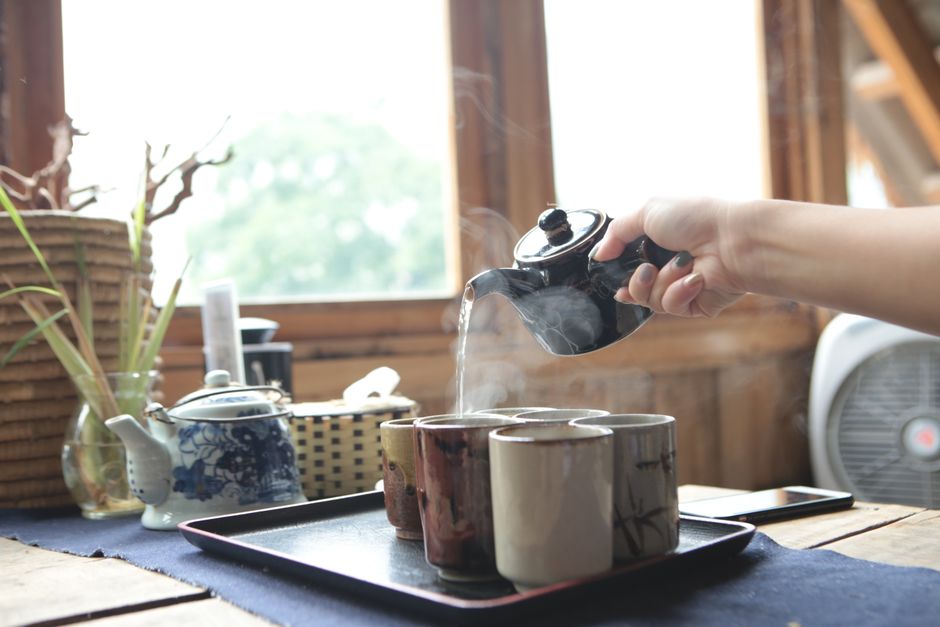
- Simmer in the water for 10 minutes.
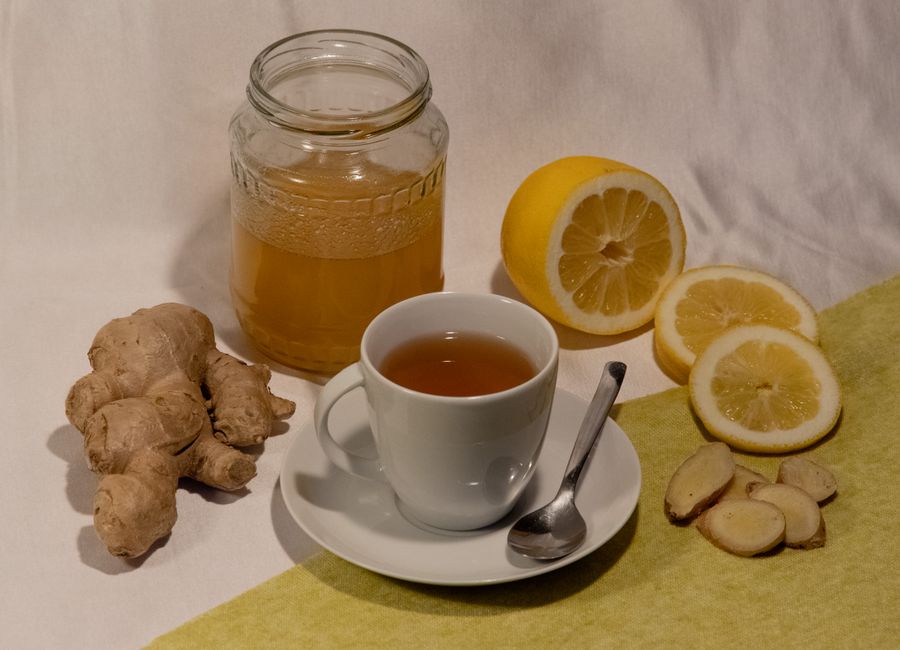
- Strain, stir in lemon and honey, and serve warm.
For a stronger dose, explore our ginger shot guide.
Fresh vs. dried ginger
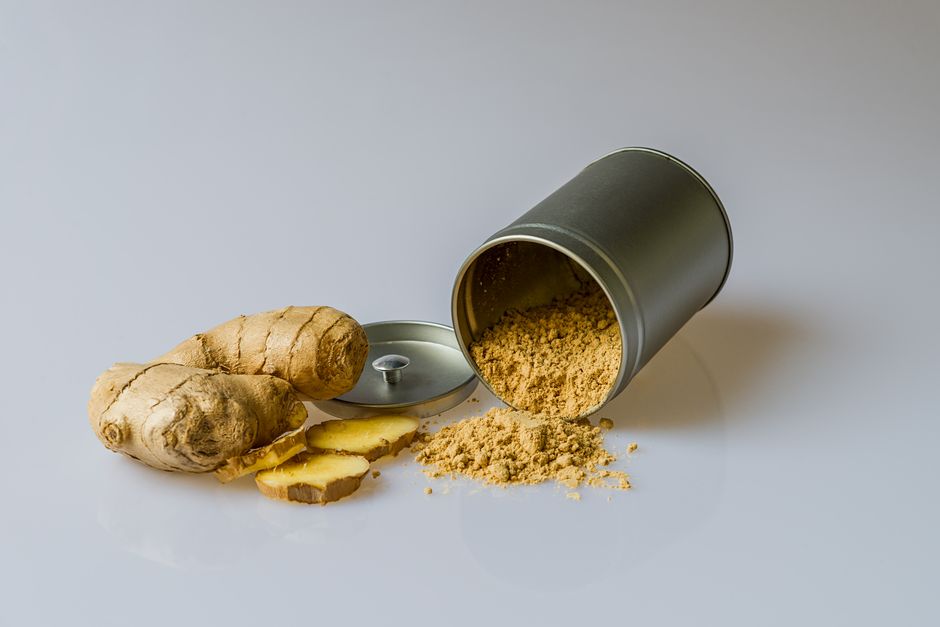
Both fresh and dried ginger make a lovely tea, with a few differences worth knowing. Fresh ginger root gives the brightest, most vibrant and zesty flavor, along with the most active gingerol, so simmering fresh slices is the gold standard for a potent, flavorful brew.
Dried ground ginger and ginger tea bags are more convenient and shelf-stable, perfect for a quick cup, though the flavor is a little milder. As a rough guide, simmer fresh ginger for the strongest tea, or steep dried ginger like a regular tea. The longer you simmer fresh ginger, the stronger and spicier the result, so adjust to your taste. Either way, you get ginger’s warming, soothing goodness.
Is ginger tea good for you?
For most people, ginger tea is a genuinely healthy and soothing choice. It is caffeine-free, calorie-free, and valued for easing nausea, supporting digestion and providing anti-inflammatory benefits, making it a wonderful natural remedy and everyday drink.
A couple of gentle notes: very large amounts of ginger may cause mild heartburn in some people, and anyone on blood-thinning medication or who is pregnant should check with their doctor before using it medicinally. For most, a cup or two a day is a warming, beneficial pleasure. Add lemon and honey for extra soothing comfort, especially when you feel under the weather.
Delicious ways to enjoy ginger tea
Ginger tea is wonderful on its own and pairs beautifully with other flavors.
- Ginger and lemon — a classic, immune-supporting combination.
- Ginger and honey — soothing and naturally sweet.
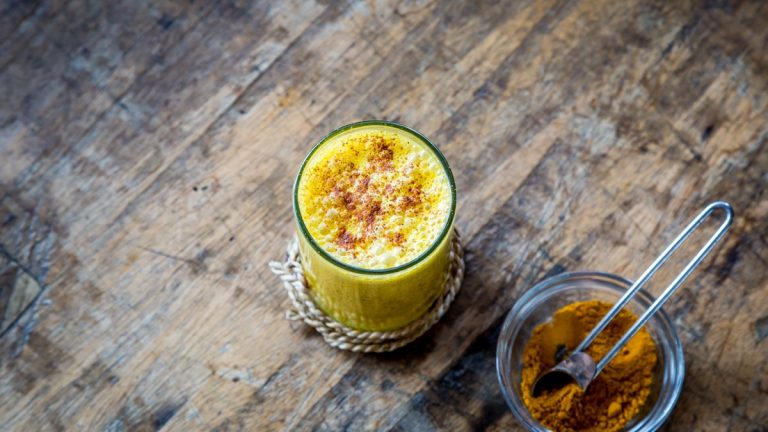
- Ginger and turmeric — doubly anti-inflammatory.
- Iced ginger tea — refreshing and zingy over ice.
- Ginger and mint — extra soothing for digestion.
Ginger, lemon and honey is the ultimate soothing cup when you feel unwell.
When to enjoy ginger tea
Ginger tea is valuable at many moments. After a meal, especially a heavy one, a warm cup helps ease digestion and that overly full feeling. When you feel nauseous or queasy, ginger tea is a trusted, settling remedy.
When you feel a cold coming on, ginger with lemon and honey is wonderfully warming and soothing. On a cold day, its warming nature is comforting any time, and being caffeine-free, it is fine in the evening too. Whenever you need a warming, soothing cup, ginger tea is a reliable friend.
Tips for the perfect cup
A few simple tips guarantee a flavorful, soothing ginger tea every time. For the most potent, vibrant brew, use fresh ginger and simmer rather than just steep it, which draws out far more of the active gingerol and warming flavor.
Slicing the ginger thinly or grating it increases the surface area for an even stronger tea, and the longer you simmer, the spicier it gets, so adjust to your taste. A squeeze of lemon brightens the brew and adds vitamin C, while a spoonful of honey soothes and balances the heat beautifully. Do not peel the ginger too aggressively, as much of the flavor sits just under the skin. Enjoy it fresh and warm for the most comforting, soothing cup.
Ginger tea is a warming, time-honored remedy that genuinely delivers. Famous above all for easing nausea and soothing digestion, with anti-inflammatory benefits to boot, it is a caffeine-free cup with real, well-studied value. Simmer fresh ginger for the most potent, vibrant brew, add lemon and honey for soothing comfort, and reach for it after meals, when queasy, or when you feel under the weather. Few drinks are as comforting and beneficial.
Warming and soothing, the Green Apple way
We love warming, functional ingredients like ginger that soothe and nourish. Come explore our menu of juices, wellness shots, smoothies and feel-good drinks made with real ingredients.
For a bright, soothing twist on this warming brew, try our lemon ginger tea for digestion and immunity.
Frequently asked questions
What are the benefits of ginger tea?
Ginger tea is caffeine-free and best known for easing nausea and soothing digestion. Its active compound gingerol also has anti-inflammatory properties, and the warming brew is comforting when you feel under the weather.
How do you make fresh ginger tea?
Peel and thinly slice a thumb-sized piece of fresh ginger, simmer it in 2 cups of water for 10 minutes, then strain and stir in lemon and honey. Total time is about 15 minutes. Simmer longer for a stronger, spicier tea.
Is ginger tea good for nausea?
Yes. Ginger is one of the best-studied natural remedies for nausea, with research supporting its use for morning sickness, motion sickness and general queasiness. A warm cup of ginger tea is a trusted, settling remedy.
Does ginger tea have caffeine?
No. Ginger tea is made from ginger root, not tea leaves, so it is naturally caffeine-free and can be enjoyed any time of day, including the evening.