Foods for Better Sleep: Eat Your Way to Restful Nights

Foods for Better Sleep: Eat Your Way to Restful Nights
If you struggle to fall asleep or wake up feeling unrested, the answer might be on your plate. What you eat, and when, has a real effect on how well you sleep. Certain foods contain nutrients that help your body wind down and produce the hormones that govern restful sleep.
Here are the best foods for better sleep, the ones to avoid before bed, and an easy bedtime smoothie recipe with prep time.
Can food really help you sleep?
Yes — while no single food is a magic sleeping pill, what you eat genuinely influences your sleep. Some foods provide nutrients your body uses to make melatonin and serotonin, the hormones that regulate your sleep-wake cycle.

Others contain minerals like magnesium that help your body and mind relax. Eating the right foods, and avoiding the wrong ones, in the hours before bed can help you fall asleep faster and sleep more soundly. It is one of the most natural ways to support better rest.
The best foods for better sleep
Some foods are especially good at supporting restful sleep.
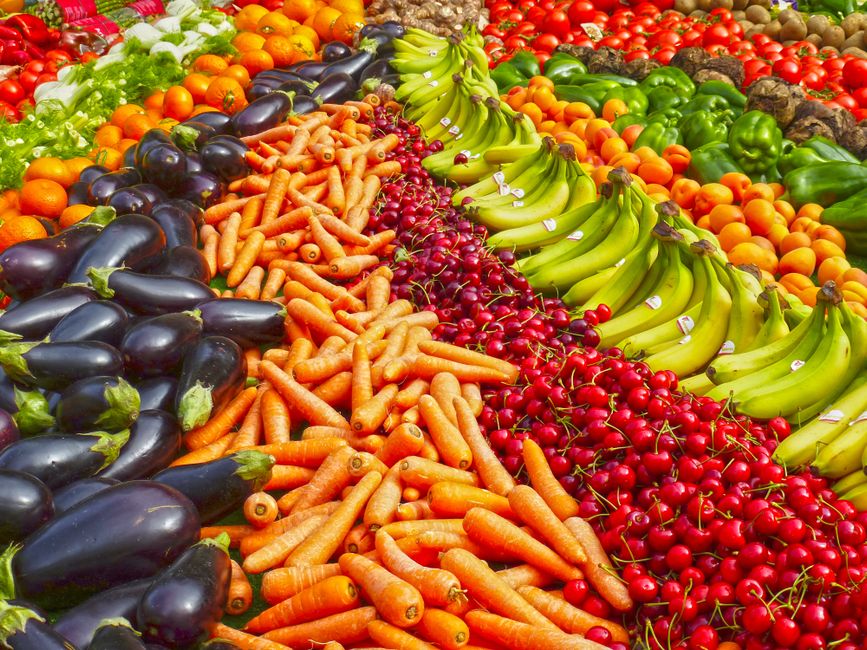
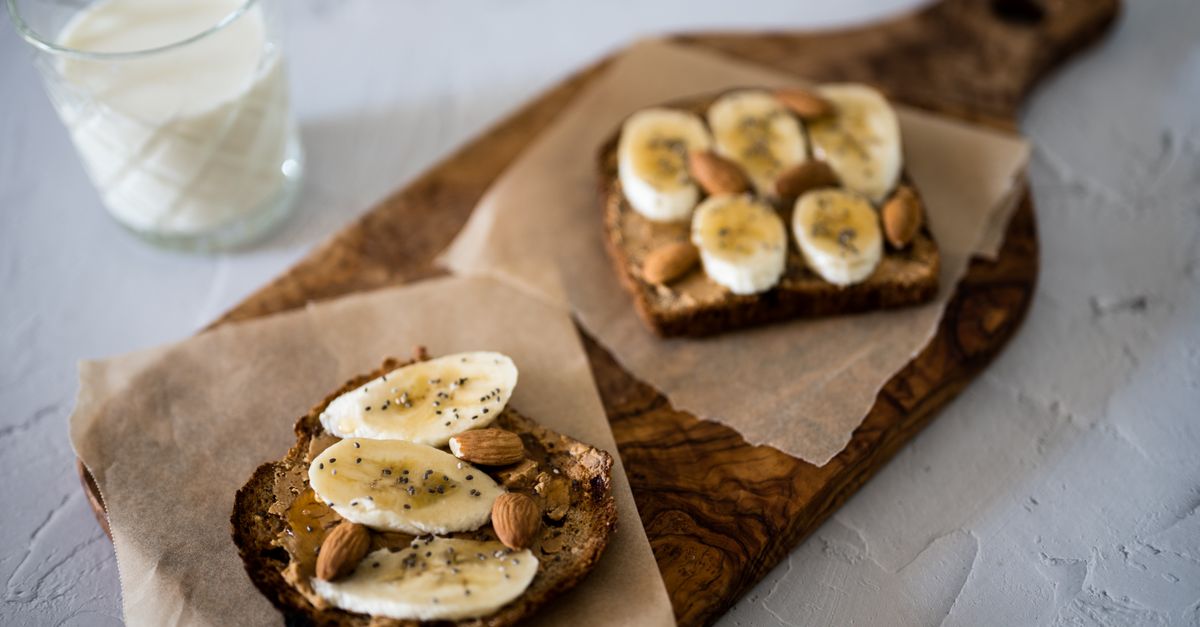
- Bananas — rich in magnesium and potassium, which help muscles relax.
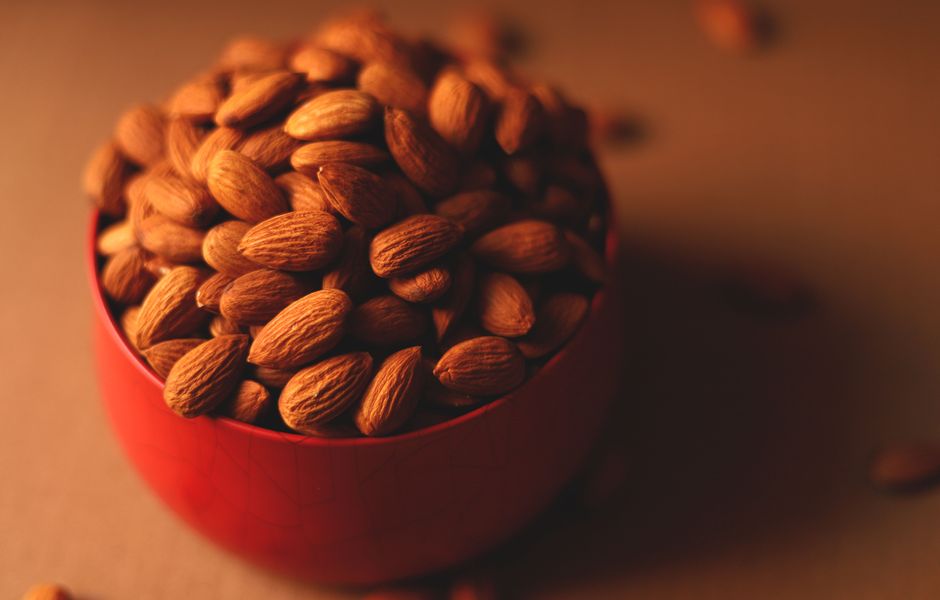
- Almonds and walnuts — provide magnesium and a little melatonin.
- Tart cherries — one of the few natural food sources of melatonin.
- Warm milk — contains tryptophan, a building block for sleep hormones.
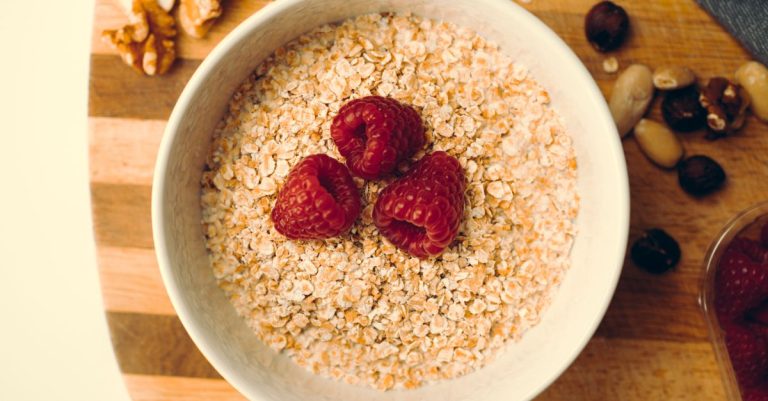
- Oats — provide melatonin and complex carbs that aid relaxation.
- Herbal teas — chamomile and others are calming bedtime classics.
As Healthline explains, foods like almonds, tart cherries, bananas and warm milk contain nutrients that support better sleep.
The magic of magnesium and tryptophan
Two nutrients stand out when it comes to sleep: magnesium and tryptophan. Magnesium, found in nuts, seeds, bananas and leafy greens, helps your muscles and nervous system relax, calming your body for rest.

Tryptophan, found in foods like milk, turkey and oats, is an amino acid your body uses to make serotonin and then melatonin, the hormone that signals it is time to sleep. Eating foods rich in these nutrients in the evening gives your body the raw materials it needs to wind down naturally and prepare for a restful night.
Easy bedtime smoothie recipe
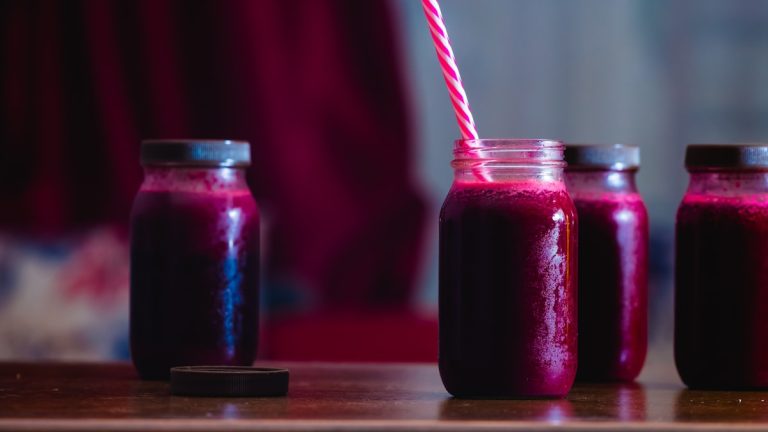
This soothing, warm smoothie combines several sleep-friendly foods into one comforting bedtime drink.
Ingredients
- 1 banana
- 1 cup warm milk of choice
- 1 tablespoon almond butter
- A pinch of cinnamon
- A drizzle of honey
Instructions
- Add all the ingredients to a blender.
- Blend until smooth and creamy.
- Enjoy warm about an hour before bed.
Foods and drinks to avoid before bed
Just as some foods help you sleep, others can sabotage it. Being mindful of these in the evening can make a real difference.
- Caffeine — coffee, tea, energy drinks and chocolate can keep you wired for hours.
- Heavy, rich meals — large or fatty meals late at night can cause discomfort.
- Sugary foods — can spike blood sugar and disrupt sleep.
- Alcohol — it may make you drowsy but disrupts deep, restful sleep.
- Spicy foods — can cause indigestion that keeps you awake.
Try to avoid these in the few hours before bed for the best chance at restful sleep.
Tart cherries: a natural sleep aid
Of all the sleep-friendly foods, tart cherries deserve special mention. They are one of the few natural food sources of melatonin, the very hormone your body uses to regulate sleep.

Some research suggests that tart cherry juice may help improve both sleep quality and duration. A small glass of tart cherry juice in the evening, or a handful of the cherries themselves, is a delicious, natural way to support your sleep. It is one of the most direct food sources of the sleep hormone you can find.
Timing your evening meal
When you eat matters almost as much as what you eat. Eating a very large meal too close to bedtime can leave you uncomfortable and disrupt your sleep as your body works to digest it.
Aim to finish your main evening meal two to three hours before bed, giving your body time to digest. If you are hungry closer to bedtime, a small, sleep-friendly snack like a banana, a handful of almonds, or the bedtime smoothie above is far better than a heavy meal. This gentle approach supports both comfortable digestion and restful sleep.
The bigger picture of sleep and diet
Food is a powerful tool, but it works best as part of an overall healthy lifestyle. A balanced, nutritious diet supports steady energy and better sleep, while a diet high in sugar and processed foods can work against it.
Combine sleep-friendly foods with good sleep habits — a consistent bedtime, a dark and cool room, limiting screens before bed, and managing stress — for the best results. Staying hydrated through the day helps too, just taper off liquids close to bedtime. Together, these habits create the foundation for genuinely restful nights.
The best bedtime snacks
If you find yourself a little hungry before bed, the right snack can actually help you sleep rather than hinder it. The key is to choose something small and sleep-friendly rather than heavy or sugary.
A banana with a little almond butter, a small bowl of oatmeal, a handful of almonds, or a few tart cherries are all excellent choices. A warm, milky drink like the bedtime smoothie above is soothing too. These light snacks provide sleep-supporting nutrients without overloading your digestion, helping you drift off comfortably.
Hydration and sleep
Staying hydrated through the day supports good sleep, but timing matters in the evening. Being dehydrated can disrupt your rest, yet drinking too much right before bed leads to nighttime trips to the bathroom.
The simple solution is to stay well hydrated during the day and then taper off your fluids in the hour or two before bed. Herbal teas like chamomile are a lovely exception, offering gentle hydration and a calming bedtime ritual at the same time.
Eating your way to better sleep is one of the most natural and enjoyable wellness strategies there is. By choosing foods rich in magnesium, tryptophan and melatonin — like bananas, almonds, tart cherries and warm milk — and avoiding caffeine and heavy meals before bed, you give your body exactly what it needs to wind down. Pair these foods with good sleep habits, and restful, restorative nights can become your new normal.
Wind down naturally, the Green Apple way
We make fresh, wholesome smoothies and drinks with calming, nutritious ingredients — no concentrates, no added sugar. Support your wellbeing day and night with us, part of the world of healthy food in Miami.
Kiwi is one fruit studied for better sleep — discover the benefits of kiwi.
Frequently asked questions
What foods help you sleep better?
Bananas, almonds, walnuts, tart cherries, warm milk, oats and herbal teas are among the best. They provide magnesium, tryptophan and melatonin, the nutrients and hormones that support restful sleep.
What should you avoid eating before bed?
Avoid caffeine, heavy or fatty meals, sugary foods, alcohol and spicy foods in the hours before bed. These can keep you wired, cause discomfort, or disrupt deep, restful sleep.
Do tart cherries help you sleep?
Yes. Tart cherries are one of the few natural food sources of melatonin, the sleep hormone. Some research suggests tart cherry juice may improve sleep quality and duration.
How long before bed should you eat?
Aim to finish your main meal two to three hours before bed so your body has time to digest. If hungry later, choose a small, sleep-friendly snack like a banana or a handful of almonds.