Chickpeas Benefits: The Versatile Plant-Protein Star
Chickpeas Benefits: The Versatile Plant-Protein Star
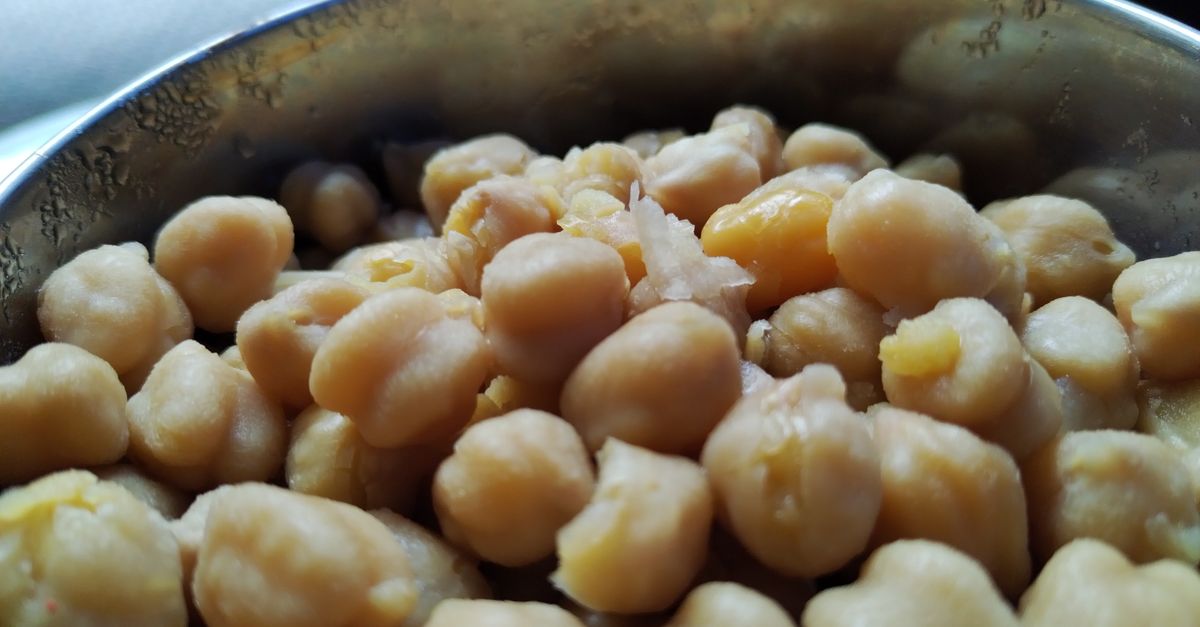
Creamy, nutty and incredibly versatile, chickpeas are one of the most beloved legumes in the world — and for good reason. Also called garbanzo beans, these golden legumes are packed with plant protein, fiber and minerals, and they form the base of beloved dishes from hummus to falafel to hearty curries. They are a satisfying, nourishing staple worth keeping on hand.
Here are the key chickpeas benefits, an easy hummus recipe with prep time, and tasty ways to enjoy them.
What makes chickpeas special?
Chickpeas are round, golden legumes that have been cultivated for thousands of years, especially across the Middle East, Mediterranean and India, where they remain a dietary cornerstone. They have a mild, nutty flavor and a satisfying, slightly firm yet creamy texture.
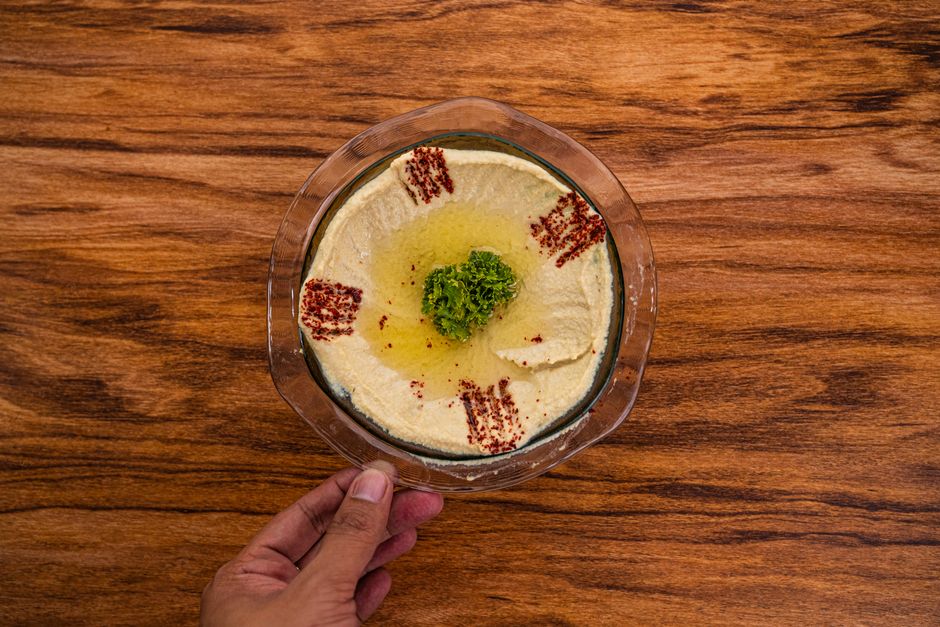
What sets chickpeas apart is their remarkable versatility. They can be blended smooth into hummus, roasted crisp for a snack, simmered into curries and stews, tossed into salads, or even used in baking. Available dried or conveniently canned, chickpeas are nutritious, filling and adaptable, making them one of the most useful plant-based foods in any kitchen.
The benefits of chickpeas
Behind their creamy texture, chickpeas deliver impressive nutrition.
- High in plant protein — a satisfying, filling protein source.
- Rich in fiber — supporting digestion, fullness and blood sugar.
- Provide minerals — including iron, magnesium and folate.
- Support steady energy — their protein and fiber prevent spikes.
- Help you feel full — making them great for satisfying meals.
As Healthline reports, chickpeas are rich in plant protein, fiber and minerals, and support fullness, digestion and steady blood sugar.
Protein, fiber and fullness
The standout chickpeas benefit is how filling and satisfying they are, thanks to their winning combination of protein and fiber. Chickpeas provide a good dose of plant protein, valuable for vegetarians, vegans and anyone wanting to eat more plant-based meals.
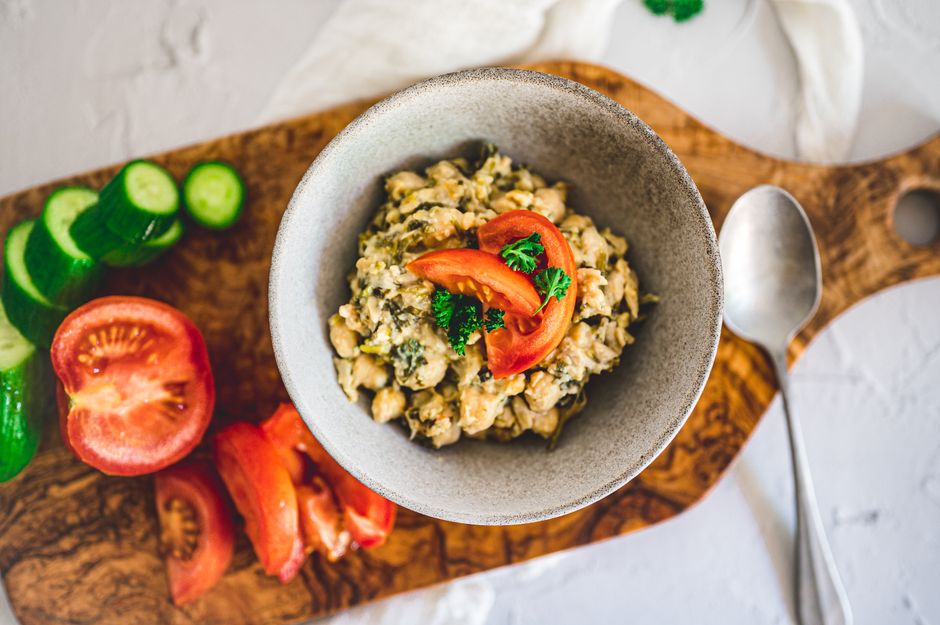
Paired with their generous fiber, this protein helps slow digestion and keep you feeling full and satisfied for hours, while supporting steady blood sugar rather than spikes and crashes. This makes chickpeas especially helpful for satisfying, balanced meals and for managing appetite. Combined with their minerals, they are a genuinely nourishing food, fitting beautifully alongside other high-fiber foods.
Easy homemade hummus recipe
Hummus is the most beloved way to enjoy chickpeas, and homemade tastes wonderful.
Ingredients
- 1 can chickpeas, drained
- 2 tablespoons tahini
- 2 tablespoons lemon juice
- 1 garlic clove
- 2 tablespoons olive oil
- 1 pinch of salt
Instructions
- Add all the ingredients to a food processor.
- Blend until smooth, adding a little water for a creamier texture.
- Taste, adjust seasoning, and serve drizzled with olive oil.
Dried vs. canned chickpeas
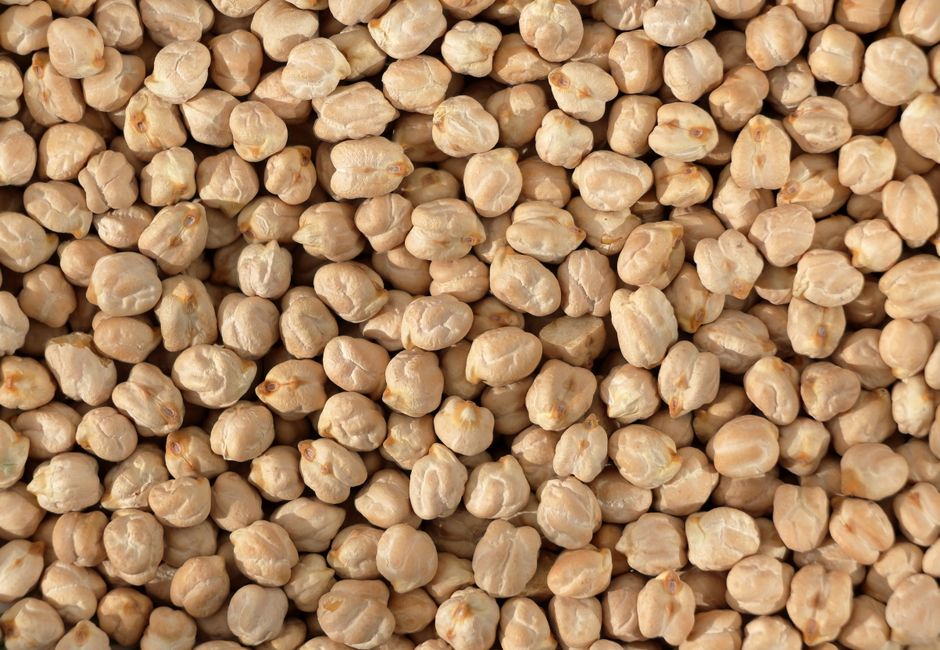
Both dried and canned chickpeas are nutritious, and each has its place. Canned chickpeas are wonderfully convenient, already cooked and ready to use straight from the tin, perfect for quick meals, salads and last-minute hummus — just rinse them to reduce sodium.
Dried chickpeas are more economical and let you control the texture and seasoning, though they require soaking overnight and then cooking for an hour or more. Many cooks find dried chickpeas worth the effort for dishes where texture matters, like falafel, while keeping cans on hand for convenience. Both deliver the same great nutrition, so choose based on your time and the dish. The aquafaba (canned chickpea liquid) can even be whipped as an egg substitute.
Are chickpeas good for you?
For most people, chickpeas are a genuinely healthy and satisfying food. They provide plant protein, fiber, and minerals like iron and folate, supporting fullness, digestion, steady energy and heart health, all in a versatile, affordable package.
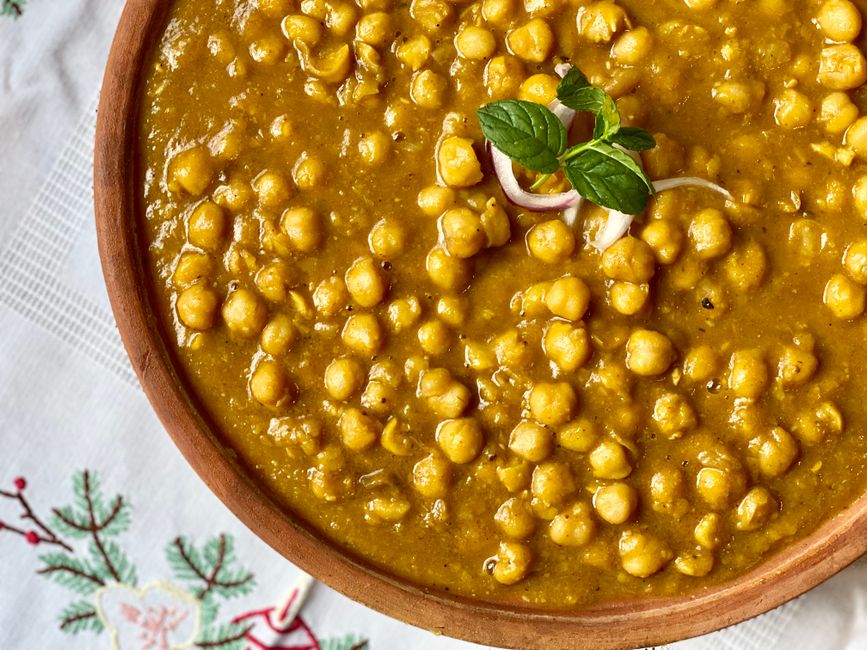
Because they are high in fiber, introducing them gradually helps if you are not used to legumes, and rinsing canned chickpeas reduces sodium. Pairing them with a vitamin C source boosts iron absorption. Whether blended into hummus, roasted for snacking, or simmered into curries, chickpeas are a brilliant, nourishing staple for plant-forward eating, much like lentils and other legumes.
Delicious ways to enjoy chickpeas
Chickpeas are endlessly versatile in the kitchen.
- Hummus — the creamy, classic dip and spread.
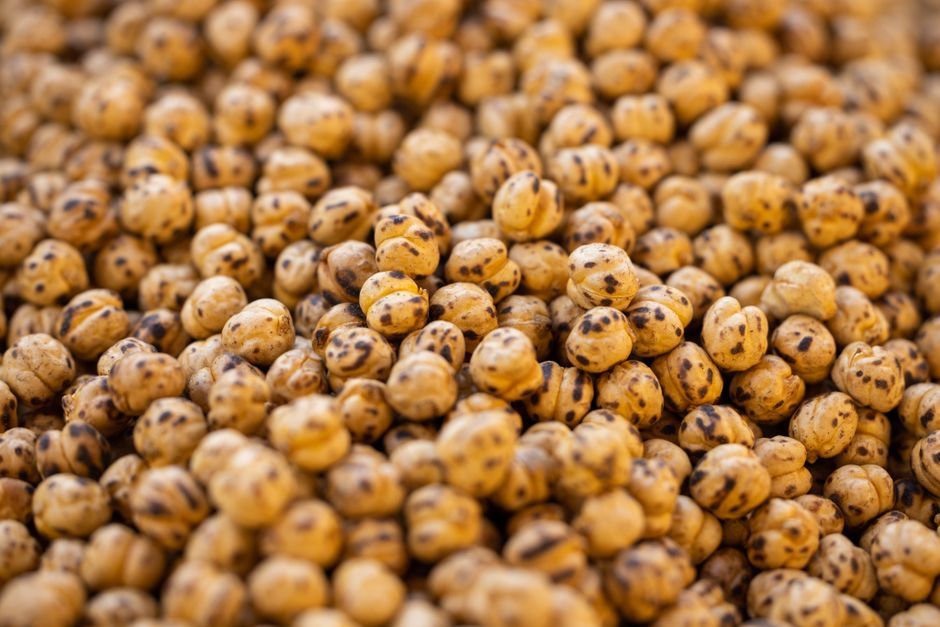
- Roasted chickpeas — a crunchy, protein-rich snack.
- Chickpea curry — a hearty, satisfying plant-based main.
- In salads — for protein, fiber and substance.
- Falafel — crispy, herby and delicious.
Crispy roasted chickpeas make a wonderfully satisfying, crunchy snack.
When to enjoy chickpeas
Chickpeas fit into many meals and moments. At lunch or dinner, they add protein and substance to salads, curries, bowls and stews that keep you full. As a snack, roasted chickpeas or hummus with vegetables make a satisfying, protein-rich option.
As a meat alternative, they bring heartiness to plant-based meals, and as a meal-prep staple, a batch keeps well for easy meals all week. For anyone eating plant-based or on a budget, chickpeas are a reliable, nourishing favorite. Whenever you want a filling, versatile and wholesome ingredient, chickpeas are ready to deliver.
Tips for buying and cooking chickpeas
A few simple tips help you make the most of chickpeas. Keep a few cans in the pantry for quick meals and hummus, rinsing them well to reduce sodium, and buy dried chickpeas when you want the most economical option and the best control over texture.
If cooking dried chickpeas, soak them overnight, then simmer for an hour or more until tender, adding salt only near the end so the skins do not toughen. For extra-creamy hummus, simmer canned chickpeas for a few minutes or rub off the skins. Save the aquafaba — the liquid from the can — as it can be whipped as a vegan egg-white substitute. Cooked chickpeas keep well in the fridge for several days and freeze beautifully for easy future meals.
Chickpeas are a versatile plant-protein star that earns its place in any kitchen. Rich in protein, fiber and minerals, they keep you full and satisfied while supporting digestion, steady energy and heart health. Blend them into creamy hummus, roast them for a crunchy snack, or simmer them into hearty curries and salads. Affordable, adaptable and genuinely nourishing, chickpeas are one of the most useful and delicious legumes you can keep on hand.
Satisfying and wholesome, the Green Apple way
We love versatile, plant-based ingredients like chickpeas that fuel you with real nutrition. Come discover our wholesome bowls, dips and plant-forward dishes made with quality ingredients.
Frequently asked questions
What are the benefits of chickpeas?
Chickpeas are high in plant protein and fiber and provide minerals like iron, magnesium and folate. They keep you full and satisfied, support digestion and steady blood sugar, and are a nourishing, versatile plant-based food.
How do you make hummus?
Blend 1 can drained chickpeas, 2 tablespoons tahini, 2 tablespoons lemon juice, 1 garlic clove, 2 tablespoons olive oil and a pinch of salt in a food processor until smooth, adding a little water for creaminess. It takes about 10 minutes.
Are canned chickpeas as healthy as dried?
Yes, both are nutritious. Canned chickpeas are convenient and ready to use — just rinse them to reduce sodium. Dried chickpeas are more economical and let you control texture, but require soaking and longer cooking.
Are chickpeas good for weight management?
They can be. Chickpeas are high in protein and fiber, which help you feel full and satisfied and support steady blood sugar, making them helpful for managing appetite as part of a balanced diet.