Beet Juice Benefits: Blood Pressure, Stamina & More
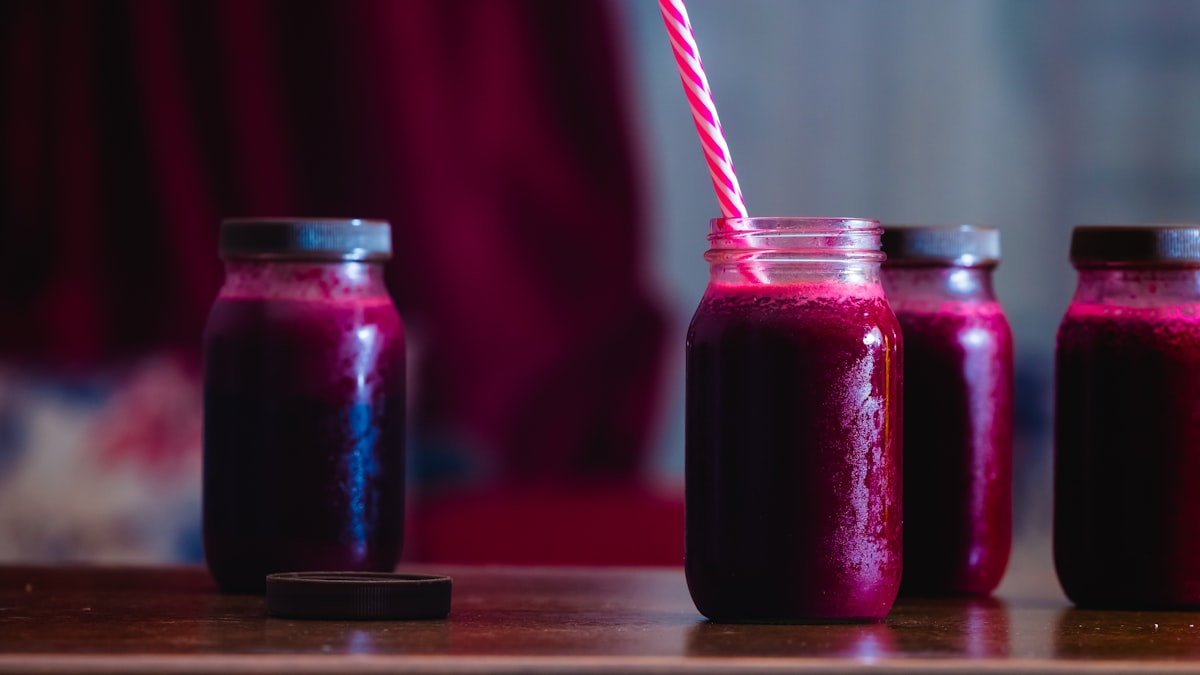
Beet Juice Benefits: Blood Pressure, Stamina & More
Deep crimson and naturally sweet, beet juice has earned a reputation as a genuine performance drink. Athletes sip it before races, and doctors study it for blood pressure — not bad for a humble root vegetable.
Here is what beet juice really does, how much to drink, and an easy recipe with prep time so you can make it at home.
What makes beet juice special?
The secret to beet juice is dietary nitrates. Your body converts these natural compounds into nitric oxide, which helps relax and widen your blood vessels.
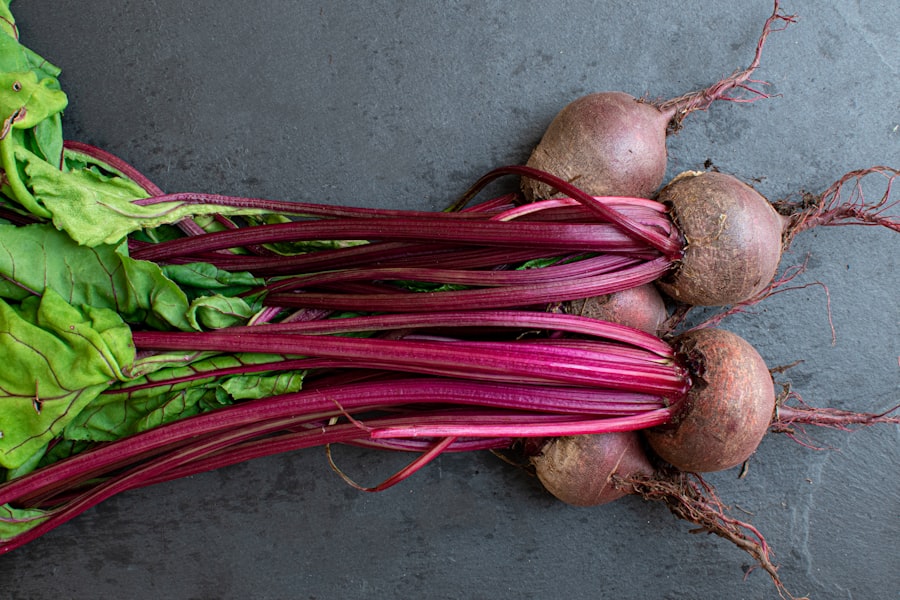
That single mechanism — better blood flow — is behind most of beet juice’s headline benefits, from steadier blood pressure to improved stamina. Beets are also rich in folate, potassium, vitamin C and the antioxidants that give them their vivid color.
The benefits of beet juice
Beet juice is one of the few “superfood” drinks with solid research behind it.
- May lower blood pressure — nitrates help relax blood vessels, and studies show beet juice can reduce systolic blood pressure.
- Boosts exercise stamina — improved oxygen efficiency can extend how long you can exercise before tiring.
- Supports blood flow — better circulation may benefit the heart and even brain function.
- Rich in antioxidants — betalains, the pigments that make beets red, help fight oxidative stress.
- Folate and potassium — both support heart and overall health.
A well-known randomized trial published on NIH’s PMC found that daily beetroot juice meaningfully lowered blood pressure in healthy adults.
Beet juice and blood pressure
This is beet juice’s best-studied benefit. The nitrates convert to nitric oxide, blood vessels relax, and pressure can fall.

The key is consistency: research suggests the effect builds over several weeks of daily intake rather than from a single glass. If you already take blood-pressure medication, talk to your doctor before adding daily beet juice, since the combined effect could lower your pressure too much.
Beet juice for exercise and stamina
This is why you will spot beet juice in gym bags. By improving how efficiently your muscles use oxygen, it can help you train a little longer before fatigue sets in.
For a workout boost, many athletes drink about 8–16 ounces two to three hours before exercise, giving the nitrates time to do their work. It is a natural, food-based edge that pairs well with a good protein shake for recovery afterward.
Easy beet juice recipe
Raw beet juice on its own is intense, so this crowd-pleasing blend softens it with carrot, apple and ginger.
Ingredients
- 2 medium raw beets
- 2 carrots
- 1 apple
- 1 inch fresh ginger
- ½ lemon, peeled
Instructions
- Scrub and roughly chop the beets, carrots and apple.
- Run everything through a juicer along with the ginger and lemon.
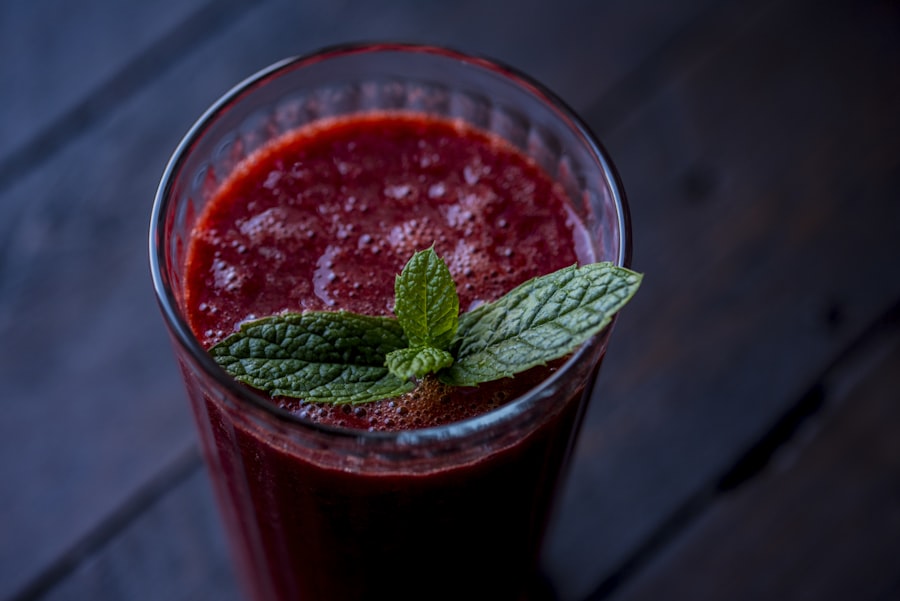
- Stir, pour over ice and drink fresh.
Prefer it pressed gently to keep more nutrients? See why we love cold-pressed juice.
How much beet juice should you drink?
For general health and blood-pressure support, most studies use around one cup (about 8 ounces) of beet juice a day. For exercise, a slightly larger serving before training is common.
More is not better. Beets are naturally high in sugar for a vegetable, so a sensible glass a day is plenty. Pairing the beets with lower-sugar vegetables, as in the recipe above, keeps the drink balanced.
Does beet juice have side effects?
Beet juice is safe for most people, and its most famous “side effect” is harmless: beeturia, a pink or red tint to your urine and stool. It looks alarming the first time but is completely normal.
Because beets are high in natural oxalates, people prone to kidney stones may want to moderate their intake, and anyone on blood-pressure medication should check with a doctor first. For most people, though, a daily glass is both safe and beneficial.
Beet juice vs. other vegetable juices
What sets beet juice apart from a typical green juice is its nitrate content and natural sweetness. Where a celery juice is light and savory, beet juice is rich, earthy and sweet, with that unique performance angle.
That makes the two a great pair: a savory green juice on some mornings, an earthy beet blend on training days. Rotating your juices gives you a broader spread of nutrients and keeps the routine interesting.
Getting the most from beet juice
A few habits help you unlock beet juice’s full value.
- Be consistent — the blood-pressure benefit builds over weeks of daily drinking.
- Time it for workouts — drink it a couple of hours before exercise for a stamina boost.
- Keep it fresh — nitrates and antioxidants are at their peak soon after juicing.
- Balance the sweetness — blend with carrot, ginger and lemon rather than lots of fruit.
Treat it as one steady habit within a balanced, plant-forward diet, and beet juice becomes a genuinely useful tool rather than a one-off novelty.
Beet juice and brain health
The same improved blood flow that helps your muscles may also reach your brain. Some studies suggest the nitrates in beet juice can increase circulation to areas involved in thinking and focus, which is why researchers are exploring it for cognitive support in older adults.
It is early science rather than a guarantee, but it fits a familiar pattern: better circulation tends to be good news for the whole body, brain included. A daily glass as part of an active, well-fed lifestyle is a simple way to put that gentle benefit to work alongside everything else beet juice offers.
Can you just eat beets instead?
Absolutely — whole roasted, boiled or grated raw beets keep all their fiber and are wonderful in salads and sides. The juice simply offers a more concentrated, fast-absorbing dose of nitrates in an easy-to-drink form, which is why athletes favor it before training. Many people do both: beets on the plate and juice in the glass.
For something with such a bold color and earthy taste, beet juice delivers a surprising amount of substance. It is one of the rare wellness drinks where the research broadly backs the buzz — particularly for blood pressure and stamina. Make it fresh, drink it consistently, and enjoy it as part of an active, well-rounded lifestyle, and this ruby-red juice can earn its place in your week.
Fresh beet juice, the Green Apple way
We juice our beets fresh to order and blend them with crisp carrot, apple and ginger for a vibrant, balanced glass — no concentrates, no added sugar. It is the easy way to enjoy beet juice without staining your kitchen red.
Timing your beet juice around exercise? See our full guide to the best pre-workout snacks.
Frequently asked questions
What are the benefits of beet juice?
Beet juice is rich in dietary nitrates that convert to nitric oxide, which may lower blood pressure, improve blood flow and boost exercise stamina. It also provides antioxidants, folate and potassium.
How much beet juice should I drink a day?
For general health and blood-pressure support, most studies use about one cup (8 ounces) per day. For exercise, a slightly larger serving two to three hours before training is common.
How do you make beet juice?
Scrub and chop raw beets, carrots and an apple, then juice them with ginger and lemon. It takes about 10 minutes with no cooking, and the carrot and apple soften the earthy flavor.
Why does beet juice turn your urine pink?
This is called beeturia and it is completely harmless. The natural red pigments in beets can give urine and stool a pink or red tint in some people.