Calcium-Rich Foods: The Best Sources Beyond Dairy


Calcium-Rich Foods: The Best Sources Beyond Dairy
Calcium is famous for building strong bones and teeth, but this essential mineral does far more — and it is found in many more foods than just dairy. Whether you eat dairy or not, plenty of delicious whole foods can help you meet your calcium needs. Getting enough is one of the most important things you can do for lifelong bone health.
Here are the best calcium-rich foods beyond dairy, why this mineral matters, and an easy calcium-rich smoothie recipe with prep time.
Why calcium matters
Calcium is the most abundant mineral in your body, and the vast majority of it is stored in your bones and teeth, giving them their strength and structure. But calcium is also essential for other vital functions, including muscle contraction, nerve signaling and blood clotting.

Because your body cannot make calcium, you must get it from your diet, and if you do not get enough, your body draws it from your bones, weakening them over time. Getting enough calcium throughout life is crucial for building and maintaining strong bones and reducing the risk of weakening later on. Happily, calcium is found in a wide range of foods.
The benefits of calcium
Getting enough calcium supports your body in several key ways.
- Builds strong bones and teeth — its most famous role.
- Supports muscle function — essential for contractions.
- Aids nerve signaling — helping cells communicate.
- Helps blood clotting — an important protective function.
- Protects long-term bone health — reducing the risk of weakening.
As Medical News Today notes, calcium is essential for strong bones and teeth, muscle function and many other processes, and is found in dairy and many plant foods.
The best calcium-rich foods
Many foods provide calcium, including plenty of options beyond dairy.
- Dairy products — yogurt, milk and cheese are classic sources.
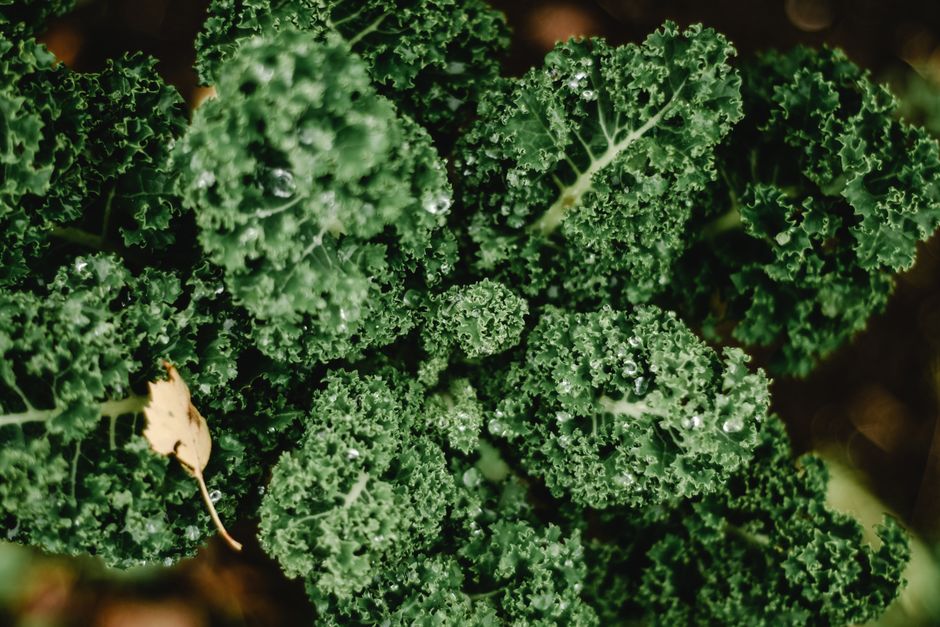
- Leafy greens — kale, collards and bok choy for plant calcium.
- Fortified foods — plant milks and juices with added calcium.
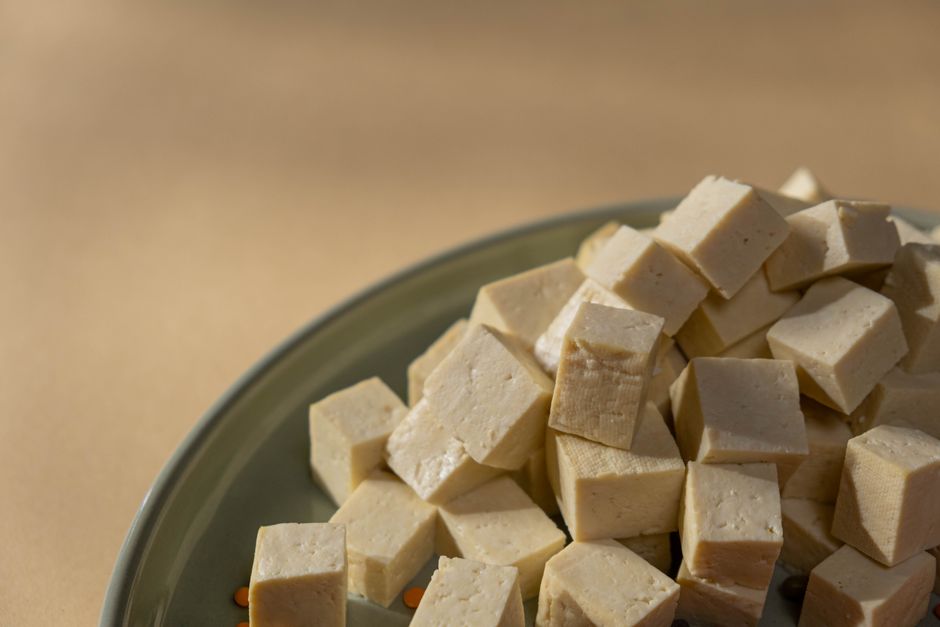
- Tofu — calcium-set tofu is an excellent source.
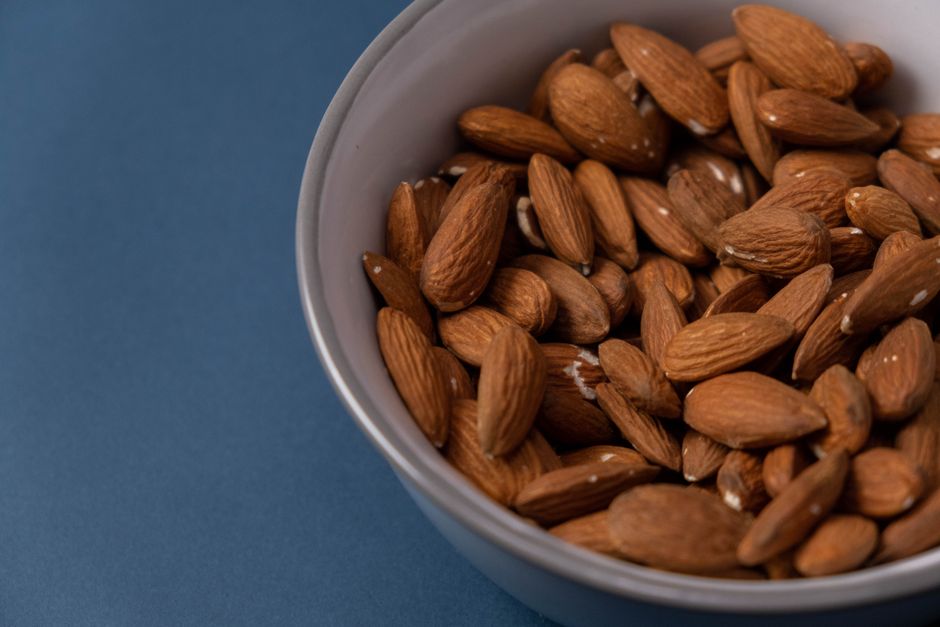
- Almonds — a calcium-rich nut and butter.
- Canned fish with bones — sardines and salmon.
Our guide to almonds covers one of the best calcium-rich nuts.
Easy calcium-rich smoothie
This creamy green smoothie combines several calcium-rich foods into one glass.
Ingredients
- 1 cup kale or spinach
- ½ cup Greek yogurt
- 1 tablespoon almond butter
- 1 tablespoon chia seeds
- 1 cup fortified milk of choice
- ½ banana
Instructions
- Add all the ingredients to a blender.
- Blend until smooth and creamy.
- Pour and enjoy this calcium-rich green smoothie.

Getting calcium without dairy
If you do not eat dairy, rest assured that you can absolutely meet your calcium needs from other foods. Plenty of plant-based and non-dairy sources provide calcium, making it entirely possible to have strong bones on a dairy-free or vegan diet.
Leafy greens like kale, collard greens and bok choy are excellent plant sources, as is calcium-set tofu, which can rival dairy for calcium content. Fortified foods — including many plant milks, orange juices and cereals with added calcium — are another reliable option, as are almonds, sesame seeds, tahini and canned fish eaten with their soft bones. With a varied diet, getting enough calcium without dairy is straightforward and delicious.
Calcium and vitamin D: a vital partnership
When it comes to calcium, there is one partner you cannot ignore: vitamin D. No matter how much calcium you eat, your body cannot absorb it properly without enough vitamin D, making the two work hand in hand for bone health.
Vitamin D is made by your skin in response to sunlight and is also found in foods like fatty fish, egg yolks and fortified products. Because many people fall short on vitamin D, especially in less sunny conditions, it is worth paying attention to both nutrients together. Pairing calcium-rich foods with adequate vitamin D ensures your body can actually use the calcium you eat to build strong bones.
How to get enough calcium
Meeting your calcium needs is easy with a varied diet and a little awareness. Aim to include calcium-rich foods across your meals rather than relying on a single source, whether from dairy or plant-based options.
Enjoy yogurt or fortified plant milk at breakfast, add leafy greens and tofu to meals, snack on almonds, and choose fortified foods where helpful. Pairing these with enough vitamin D ensures good absorption. Spreading your calcium intake throughout the day, rather than all at once, also helps your body absorb it more effectively. A diverse, balanced diet built around these foods naturally supports strong, healthy bones.
When calcium matters most
Calcium is important throughout life, but certain stages call for extra attention. During childhood and the teenage years, when bones are growing and building density, adequate calcium is crucial for lifelong bone strength. It remains important in adulthood to maintain that bone density.
For women, needs can increase later in life as the risk of bone weakening rises, and pregnancy and breastfeeding also raise calcium requirements. The encouraging news is that it is always worth supporting your bones at any age. Making calcium-rich foods a consistent part of your diet, alongside vitamin D and weight-bearing exercise, helps keep your bones strong for life.
Easy ways to add more calcium
Small daily habits make reaching your calcium needs simple.
- Start with yogurt — or fortified plant milk at breakfast.
- Blend leafy greens — kale or bok choy into smoothies.
- Add tofu — calcium-set tofu to stir-fries and bowls.
- Snack on almonds — a calcium-rich, portable option.
- Choose fortified foods — plant milks, juices and cereals.
Pairing these with a little vitamin D ensures your body can absorb the calcium well.
Calcium is the cornerstone of strong bones and teeth, and it does far more besides — and you will find it in many foods beyond dairy. Yogurt and milk, leafy greens, tofu, fortified foods, almonds and canned fish are all excellent sources. Pair them with enough vitamin D for proper absorption, spread your intake through the day, and combine with weight-bearing exercise to keep your bones strong. A calcium-rich green smoothie is a delicious way to support your bones from within.
Strong bones, the Green Apple way
Our menu is full of calcium-rich whole foods like leafy greens, yogurt, almonds and fortified options. Come discover smoothies, bowls and juices that support your bones deliciously.
Calcium needs vitamin D to be absorbed — see the best vitamin D foods.
Frequently asked questions
What foods are high in calcium?
Beyond dairy like yogurt, milk and cheese, great sources include leafy greens such as kale and collards, calcium-set tofu, fortified plant milks and juices, almonds, and canned fish with soft bones like sardines and salmon.
How do you make a calcium-rich smoothie?
Blend 1 cup kale or spinach, ½ cup Greek yogurt, 1 tablespoon almond butter, 1 tablespoon chia seeds, 1 cup fortified milk and ½ banana until smooth. It combines several calcium-rich foods and takes about 5 minutes.
Can you get enough calcium without dairy?
Yes. Leafy greens like kale and bok choy, calcium-set tofu, fortified plant milks and juices, almonds, sesame seeds and canned fish with bones all provide calcium, making a dairy-free or vegan diet entirely capable of meeting your needs.
Why do you need vitamin D with calcium?
Your body cannot absorb calcium properly without enough vitamin D, so the two work together for bone health. Vitamin D comes from sunlight and foods like fatty fish, egg yolks and fortified products, so pair it with calcium-rich foods.