Kiwi Benefits: A Small Fruit with Big Nutrition

Kiwi Benefits: A Small Fruit with Big Nutrition
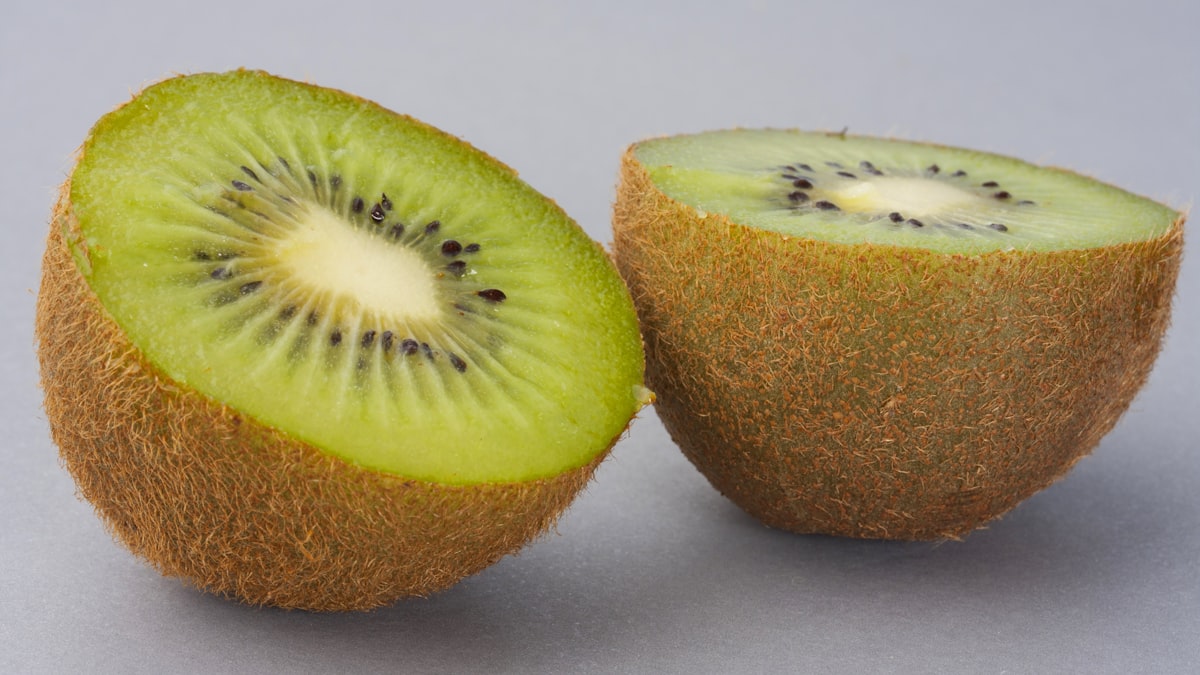
Small, green and flecked with tiny black seeds, the kiwi is a fruit that punches well above its weight. Behind its fuzzy brown skin lies a sweet-tart, vibrant green flesh packed with more vitamin C than an orange, plus fiber, antioxidants and even unique digestive enzymes. It is a tiny fruit with genuinely big nutrition.
Here is what makes kiwi so good for you, how to eat it, and an easy kiwi yogurt bowl recipe with prep time.
What is in a kiwi?
Kiwi, also called kiwifruit, is a small fruit with a remarkable nutritional profile for its size. Its bright green flesh is sweet, tangy and refreshing, and it is surprisingly nutrient-dense.
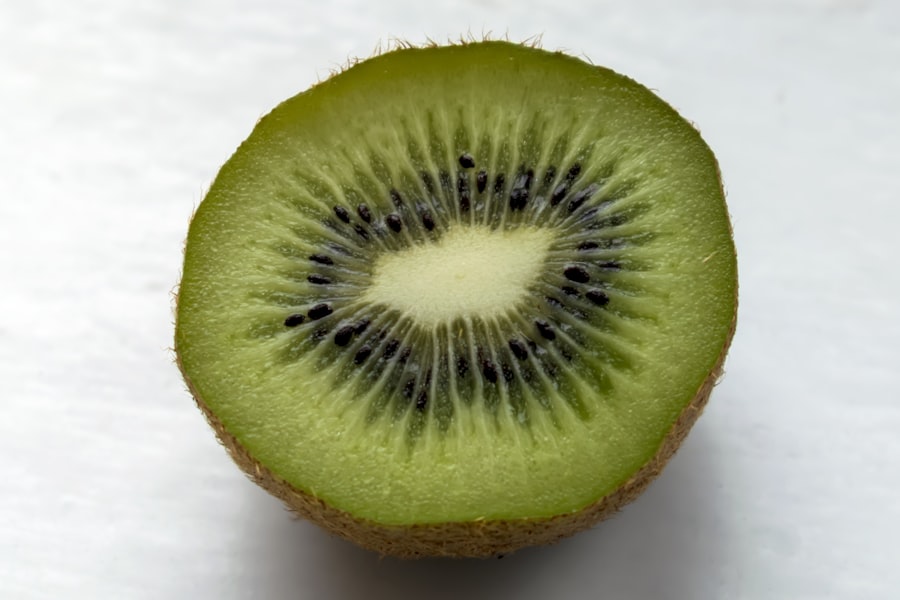
Kiwi is exceptionally rich in vitamin C — a single kiwi can provide more than a whole orange — along with fiber, vitamin K, potassium and antioxidants. It also contains a unique enzyme called actinidin, which aids the digestion of protein, something few other fruits offer.
The benefits of kiwi
This little fruit delivers an impressive list of benefits.
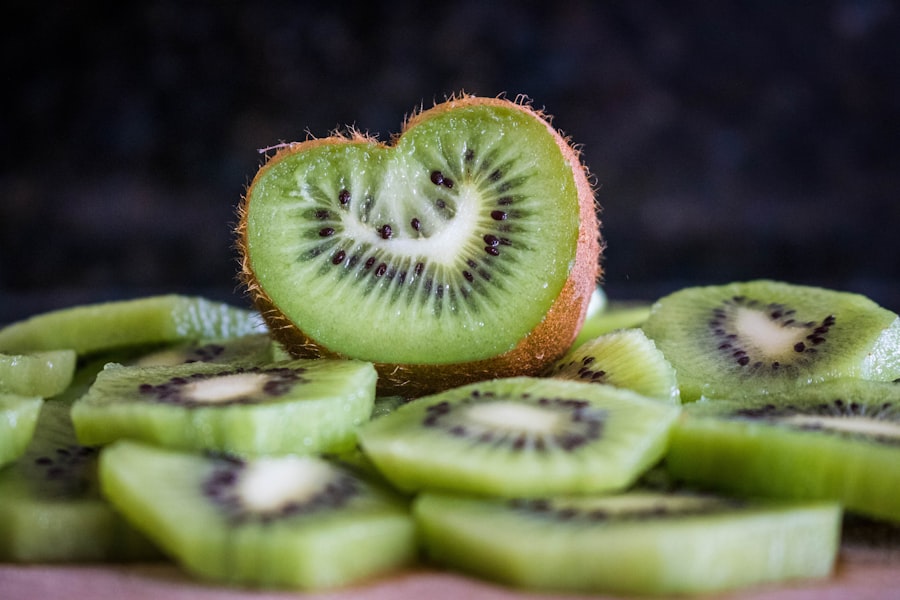
- Exceptional vitamin C — more than an orange, supporting immunity and skin.
- Supports digestion — its fiber and actinidin enzyme aid digestion.
- Rich in antioxidants — helping fight everyday oxidative stress.
- May support sleep — some research links kiwi to better sleep quality.
- Good source of fiber — for fullness and gut health.
As WebMD notes, kiwi is exceptionally high in vitamin C and fiber, and supports digestion, immunity and overall health.
A vitamin C champion
When it comes to vitamin C, kiwi is a true champion, often containing even more than the citrus fruits we usually associate with this nutrient. A single kiwi can provide more than your entire daily requirement of vitamin C.

This makes kiwi a fantastic food for supporting your immune system, helping your body make collagen for healthy skin, and providing powerful antioxidant protection. Vitamin C also helps your body absorb iron from plant foods, so pairing kiwi with iron-rich meals is a smart move, much like other vitamin-C-rich immune-boosting foods.
Easy kiwi yogurt bowl recipe
One of the simplest and most delicious ways to enjoy kiwi is in a quick, refreshing yogurt bowl.
Ingredients
- 1 cup Greek yogurt
- 2 kiwis, peeled and sliced
- 1 tablespoon honey
- 2 tablespoons granola
- A sprinkle of seeds
Instructions
- Spoon the Greek yogurt into a bowl.
- Top with sliced kiwi, granola and seeds.
- Drizzle with honey and enjoy.
Kiwi and digestion
Kiwi is a wonderful fruit for digestive health, and it works in two ways. First, it is a good source of fiber, which adds bulk and keeps things moving smoothly through your digestive system.
Second, and more uniquely, kiwi contains an enzyme called actinidin that helps break down protein, which may ease digestion and reduce bloating after meals. Some research has even looked at kiwi for supporting regularity. This combination of fiber and a digestive enzyme makes kiwi a genuinely gut-friendly fruit, perfect alongside other gut health foods.
Can kiwi help you sleep?
One of the more surprising benefits attracting research interest is kiwi’s potential to support better sleep. Some studies have found that eating kiwi before bed may help improve sleep quality and duration.
This is thought to be due to kiwi’s serotonin and antioxidant content. While more research is needed, it adds another reason to enjoy this versatile fruit. If you struggle with sleep, a kiwi or two in the evening is a pleasant, natural thing to try, alongside other foods for better sleep.
How to eat kiwi
Kiwi is wonderfully easy to enjoy, and there are a few ways to eat it.
- Scooped — cut in half and scoop out the flesh with a spoon.
- Sliced — peeled and sliced for fruit salads and yogurt bowls.
- In smoothies — blended for a tangy, vitamin-C boost.
- Skin-on — the fuzzy skin is edible and adds extra fiber, if you do not mind the texture.
- As a snack — refreshing and portable on its own.
However you eat it, kiwi adds a bright, refreshing, vitamin-rich boost to your day.
Golden vs. green kiwi
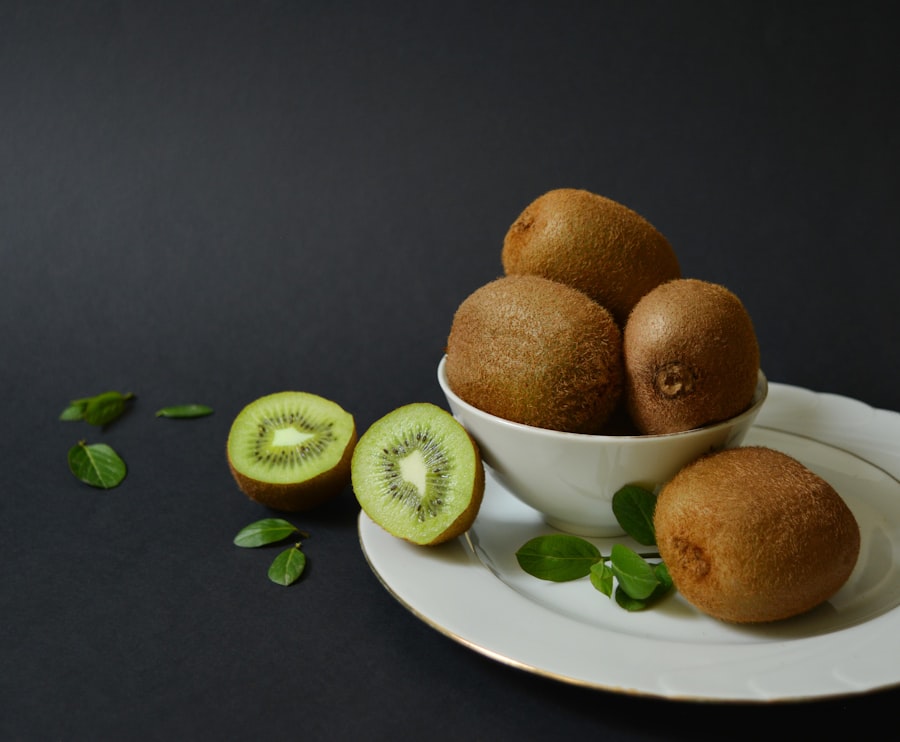
You may notice two main types of kiwi at the store, and both are nutritious. The familiar green kiwi has a sweet-tart flavor and fuzzy brown skin, and is especially high in fiber.
Golden kiwi has smooth, hairless skin, a sweeter, more tropical flavor, and is even higher in vitamin C than the green variety. Both are excellent choices, so it comes down to your taste — or enjoy both for variety. Whichever you choose, you get a generous dose of vitamin C and antioxidants.
Kiwi for your skin
Kiwi’s exceptional vitamin C content makes it a wonderful fruit for your skin. Vitamin C is essential for making collagen, the protein that keeps skin firm and youthful, and it is also a powerful antioxidant that protects skin cells from daily damage.
Eating vitamin-C-rich foods like kiwi regularly supports a healthy, glowing complexion from the inside out. Combined with kiwi’s hydration and other antioxidants, it is a delicious, skin-friendly addition to a balanced diet.
Choosing and storing kiwi
A ripe kiwi gives slightly to a gentle squeeze, similar to a ripe peach. If your kiwis are firm, leave them at room temperature for a few days to ripen, speeding it up by placing them in a paper bag with an apple or banana.
Once ripe, store kiwis in the fridge to keep them fresh for a week or more. This way you always have this vitamin-rich fruit ready to enjoy.
For such a small fruit, the kiwi offers truly big nutrition. Bursting with more vitamin C than an orange, plus fiber, antioxidants and a unique digestive enzyme, it supports your immunity, digestion, skin and maybe even your sleep. Scoop it, slice it or blend it — however you enjoy this sweet-tart little fruit, it is one of the easiest and most delicious ways to give your body a vibrant nutritional boost.
Small but mighty, the Green Apple way
We love vibrant, nutrient-dense fruits like kiwi that make healthy eating delicious. Discover more fresh, wholesome healthy food in Miami with us.
Kiwi is just the start — see all the best vitamin C foods for immunity and skin.
Frequently asked questions
What are the benefits of kiwi?
Kiwi is exceptionally high in vitamin C (more than an orange), plus fiber, vitamin K, potassium and antioxidants. It supports immunity, digestion (with its actinidin enzyme), skin health and may even support sleep.
Does kiwi have more vitamin C than an orange?
Yes — a single kiwi can provide more than your entire daily requirement of vitamin C, often more than a whole orange, making it excellent for immunity, skin and antioxidant protection.
Is kiwi good for digestion?
Yes. Kiwi provides fiber that keeps things moving, plus a unique enzyme called actinidin that helps break down protein and may ease digestion and bloating after meals.
Can you eat kiwi skin?
Yes, the fuzzy kiwi skin is edible and adds extra fiber and nutrients. Simply wash it well first. If you do not enjoy the texture, scoop out the flesh with a spoon or peel and slice it instead.