High-Fiber Foods: Why Fiber Matters and What to Eat

High-Fiber Foods: Why Fiber Matters and What to Eat
Fiber may be the most underrated nutrient in your diet. While it does not get the attention that protein or vitamins do, fiber is essential for healthy digestion, a healthy heart, steady blood sugar and lasting fullness — yet most people do not get nearly enough of it.
Here is why fiber matters so much, the best high-fiber foods to eat, how much you need, and an easy high-fiber recipe with prep time.
What is fiber and why does it matter?
Fiber is a type of carbohydrate found in plant foods that your body cannot fully digest. Instead of being broken down for energy, it passes through your digestive system, and that simple fact is exactly what makes it so beneficial.
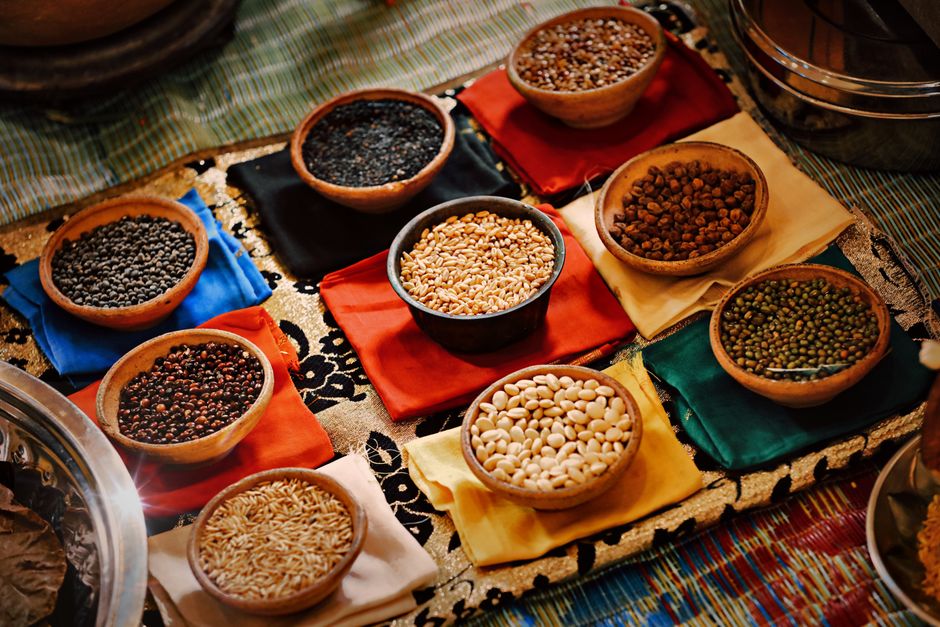
There are two main types: soluble fiber, which forms a gel that helps lower cholesterol and steady blood sugar, and insoluble fiber, which adds bulk and keeps things moving through your digestive system. Most plant foods contain a mix of both, and you need both for good health.
The benefits of fiber
Getting enough fiber supports your health in several important ways.
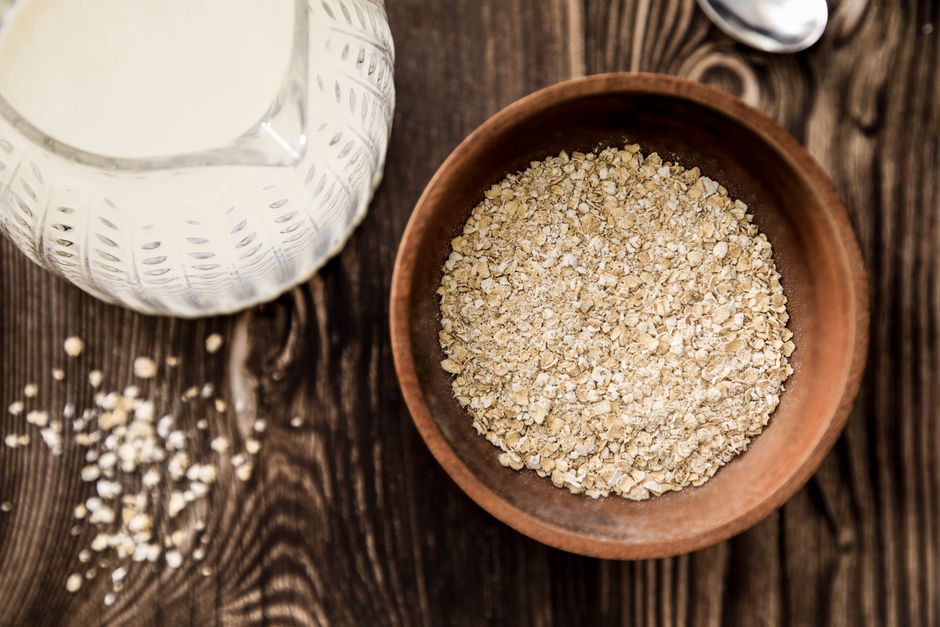
- Healthy digestion — fiber keeps things moving and prevents constipation.
- Heart health — soluble fiber helps lower cholesterol.
- Steady blood sugar — fiber slows the absorption of sugar.
- Fullness and weight management — fiber-rich foods keep you satisfied.
- Gut health — fiber feeds the beneficial bacteria in your gut.
As WebMD notes, a high-fiber diet supports digestion, heart health, blood sugar control and healthy weight.
The best high-fiber foods
Fiber is found only in plant foods, and some are especially rich sources.
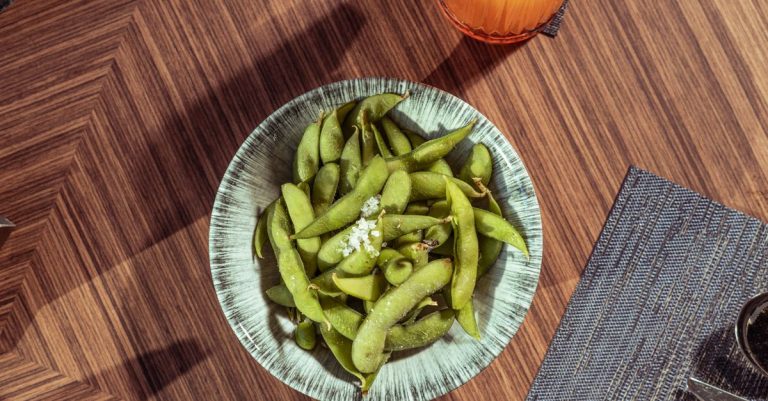
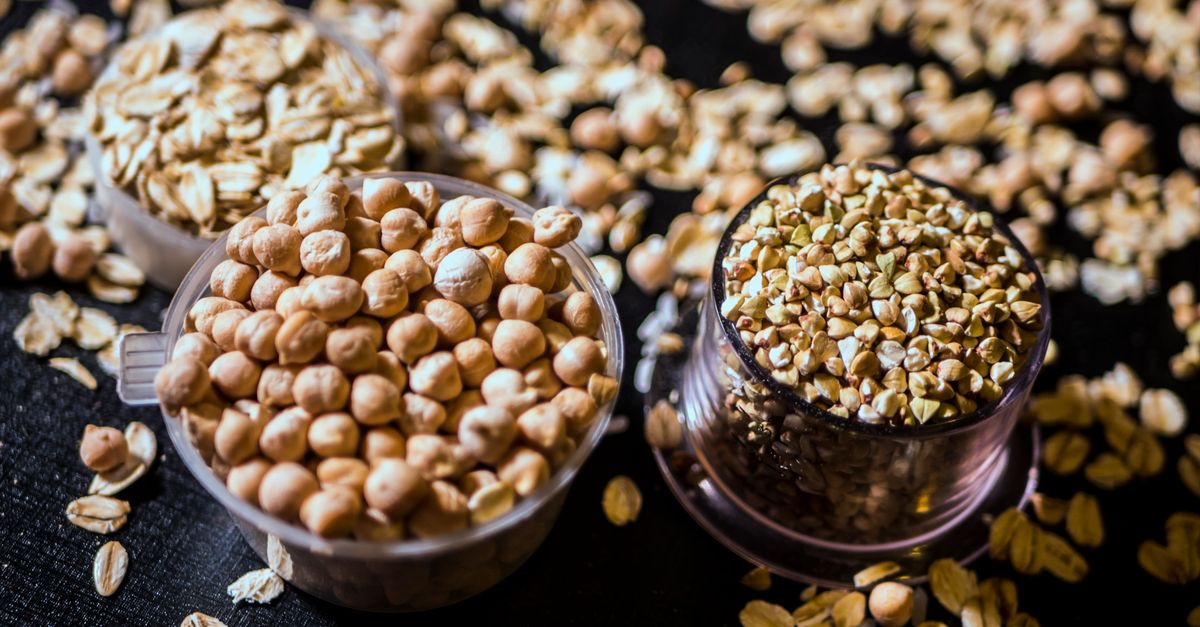
- Beans and legumes — among the very highest in fiber, plus plant protein.
- Whole grains — oats, brown rice, quinoa and whole-grain bread.
- Fruit — berries, apples, pears and bananas, especially with the skin.
- Vegetables — broccoli, carrots, leafy greens and more.
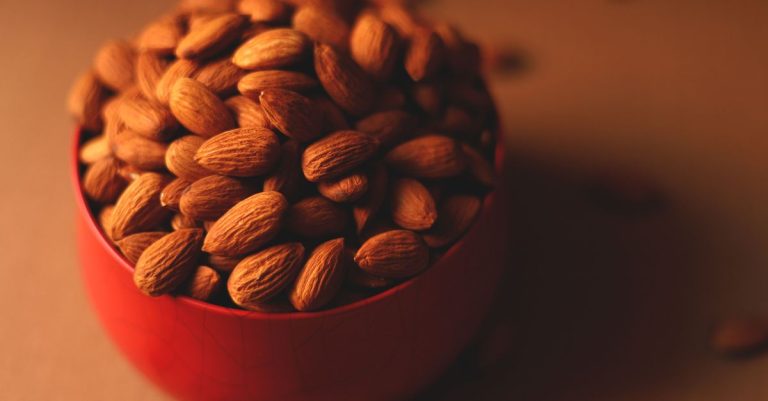
- Nuts and seeds — chia, flax, almonds and others.
- Avocado — unusually high in fiber for a fruit.
Building meals around these foods makes hitting your fiber goals easy and delicious.
How much fiber do you need?
Most people fall well short of the recommended fiber intake. General guidelines suggest aiming for around 25 to 30 grams of fiber a day, but the average person gets only about half that amount.
The good news is that closing the gap is simple: just add more whole plant foods to your meals. Swap refined grains for whole grains, add beans to soups and salads, snack on fruit and nuts, and fill half your plate with vegetables. Increase your fiber gradually and drink plenty of water alongside it, so your digestive system can adjust comfortably.
Easy high-fiber recipe
These overnight oats are loaded with fiber from oats, chia, flax and berries — a delicious way to start the day.
Ingredients
- ½ cup rolled oats
- 1 tablespoon chia seeds
- 1 tablespoon ground flaxseed
- ½ cup milk
- ½ cup Greek yogurt
- ½ cup berries
Instructions
- Stir the oats, chia, flax, milk and yogurt together in a jar.
- Cover and refrigerate overnight.
- Top with berries in the morning and enjoy.

It builds on our easy overnight oats recipe with an extra fiber boost.
Fiber and gut health
One of fiber’s most important and exciting roles is feeding your gut. Fiber is the main food source for the trillions of beneficial bacteria in your gut microbiome, which ferment it into compounds that nourish your gut lining and support your whole body.
A diet rich in a variety of fiber supports a diverse, thriving gut microbiome, which is linked to better digestion, a stronger immune system and even improved mood. Eating a wide range of plant foods is the best way to feed your gut well, as explored in our guide to gut health foods.
Easy ways to eat more fiber
Adding more fiber to your day is simpler than you might think.
- Choose whole grains — over refined white versions.
- Add beans — to soups, salads, bowls and dips.
- Eat the skin — on fruit and vegetables like apples and potatoes.
- Snack on fruit and nuts — instead of processed snacks.
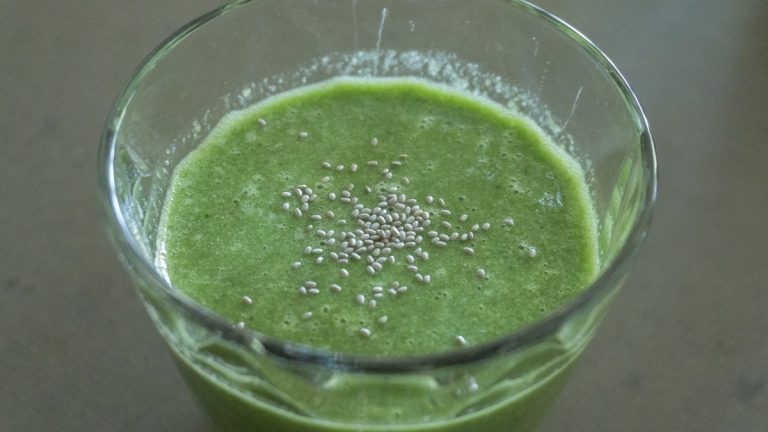
- Add seeds — chia or flax to smoothies, oatmeal and yogurt.
Small swaps like these quickly add up to a high-fiber diet.
A word of caution
While fiber is wonderful, it is best to increase your intake gradually. Adding a lot of fiber too quickly can cause bloating, gas and discomfort as your digestive system adjusts.
Increase your fiber over a couple of weeks rather than all at once, and be sure to drink plenty of water, since fiber works best with adequate fluids. Take this gentle approach, and you will enjoy all the benefits of a high-fiber diet with none of the discomfort.
Soluble vs. insoluble fiber
Understanding the two types of fiber helps you appreciate why variety matters. Soluble fiber, found in oats, beans, apples and chia seeds, dissolves into a gel that helps lower cholesterol and steady blood sugar.
Insoluble fiber, found in whole grains, vegetables and the skins of fruit, adds bulk and keeps your digestion moving smoothly. Most plant foods contain a mix of both, so the best approach is simply to eat a wide variety of whole plant foods, which naturally gives you both types and all their benefits.
Fiber and weight management
Fiber is one of your best allies for managing your weight. Because fiber-rich foods are filling and slow to digest, they keep you satisfied for longer, which naturally helps you eat less without feeling deprived.
High-fiber foods also tend to be lower in calories and more nutrient-dense than processed foods. Simply building your meals around fiber-rich whole foods is a powerful, sustainable strategy for a healthy weight, no calorie counting required.
Fiber truly deserves more attention than it gets. This humble nutrient supports your digestion, heart, blood sugar, gut and waistline, all at once — yet most people simply do not eat enough. The solution is delicious and simple: build your meals around beans, whole grains, fruit, vegetables, nuts and seeds. Increase it gradually, drink plenty of water, and enjoy the wide-ranging benefits of a genuinely high-fiber diet.
Fiber-rich and fresh, the Green Apple way
We fill our smoothies and bowls with fiber-rich whole foods like fruit, greens, oats and seeds — no concentrates, no added sugar — so getting your fiber is easy and delicious. Boost your fiber with us, part of the world of healthy food in Miami.
One of the most fiber-rich vegetables is broccoli — see the benefits of broccoli.
Frequently asked questions
What are the best high-fiber foods?
Beans and legumes, whole grains like oats and quinoa, fruit such as berries and apples, vegetables, nuts and seeds, and avocado are among the highest in fiber. Building meals around these makes hitting your goals easy.
How much fiber do you need a day?
General guidelines suggest around 25 to 30 grams a day, but most people get only about half that. Close the gap by adding more whole plant foods, increasing gradually and drinking plenty of water.
Why is fiber important?
Fiber supports healthy digestion, lowers cholesterol for heart health, steadies blood sugar, keeps you full for weight management, and feeds the beneficial bacteria in your gut.
How can you eat more fiber?
Choose whole grains over refined, add beans to meals, eat the skin on fruit and vegetables, snack on fruit and nuts, and add chia or flax seeds to smoothies, oatmeal and yogurt. Increase fiber gradually.