Broccoli Benefits: The Cruciferous Superfood

Broccoli Benefits: The Cruciferous Superfood
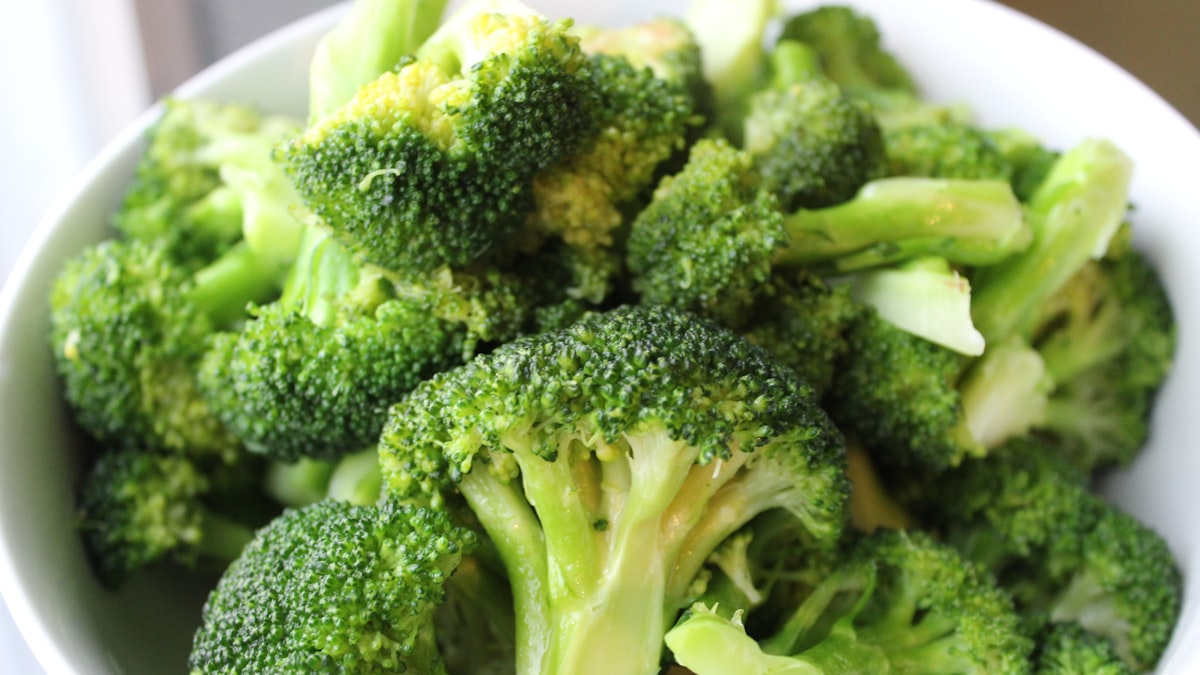
Few vegetables have earned superfood status as thoroughly as broccoli. This humble green cruciferous vegetable is packed with vitamins, fiber and unique plant compounds that have made it one of the most studied and celebrated foods for health. Beyond the hype, broccoli genuinely delivers an impressive nutritional punch.
Here is what makes broccoli so good for you, how to cook it without the mush, and an easy roasted broccoli recipe with prep and cook times.
What makes broccoli a superfood?
Broccoli belongs to the cruciferous family of vegetables, alongside kale, cauliflower and Brussels sprouts, which are known for their exceptional health benefits. What sets broccoli apart is its remarkable combination of nutrients packed into a low-calorie package.
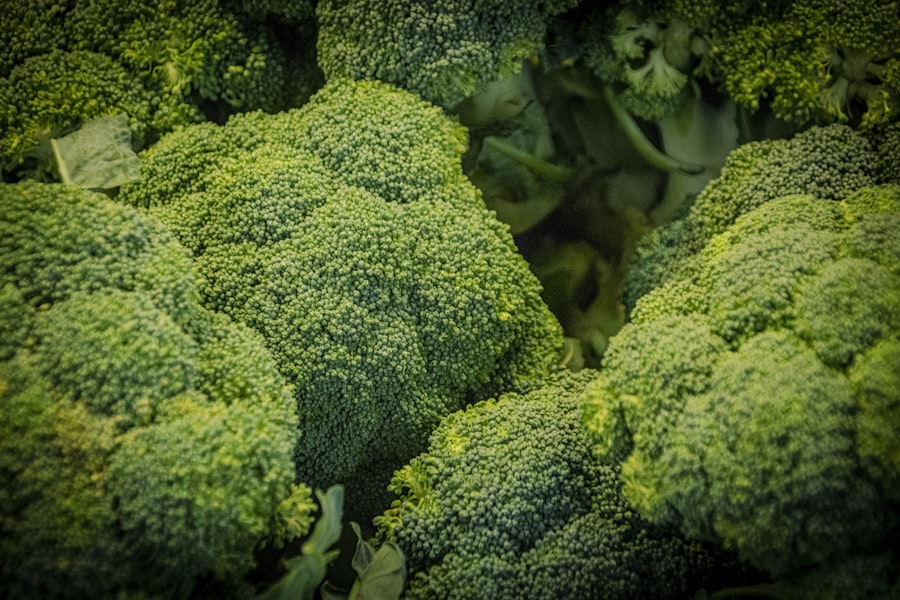
It is exceptionally rich in vitamin C and vitamin K, high in fiber, and contains unique sulfur compounds called glucosinolates, including sulforaphane, which are the focus of much of the research into its benefits.
The benefits of broccoli
Broccoli is one of the most well-researched vegetables, and the findings are impressive.
- Rich in vitamin C — supporting immunity and skin, often more than an orange.
- High in fiber — for digestion, fullness and gut health.
- Contains sulforaphane — a compound studied for protective health benefits.
- Supports the heart — its fiber and antioxidants are heart-friendly.
- Rich in vitamin K — important for bone health.
As Cleveland Clinic notes, broccoli is rich in vitamins C and K, fiber and beneficial plant compounds like sulforaphane that support overall health.
The power of sulforaphane
Broccoli’s most celebrated feature is a compound called sulforaphane, which forms when you chop or chew the vegetable. This sulfur-rich compound has attracted significant scientific interest for its antioxidant and protective properties.
Research has studied sulforaphane for its potential roles in supporting the body’s natural defenses and reducing inflammation. Interestingly, broccoli sprouts contain even higher concentrations than mature broccoli. To preserve these beneficial compounds, it is best not to overcook broccoli, since high heat for long periods can reduce them. This makes broccoli a star among anti-inflammatory foods.
Easy roasted broccoli recipe
Roasting transforms broccoli into something crisp, golden and irresistible — a world away from soggy steamed florets.
Ingredients
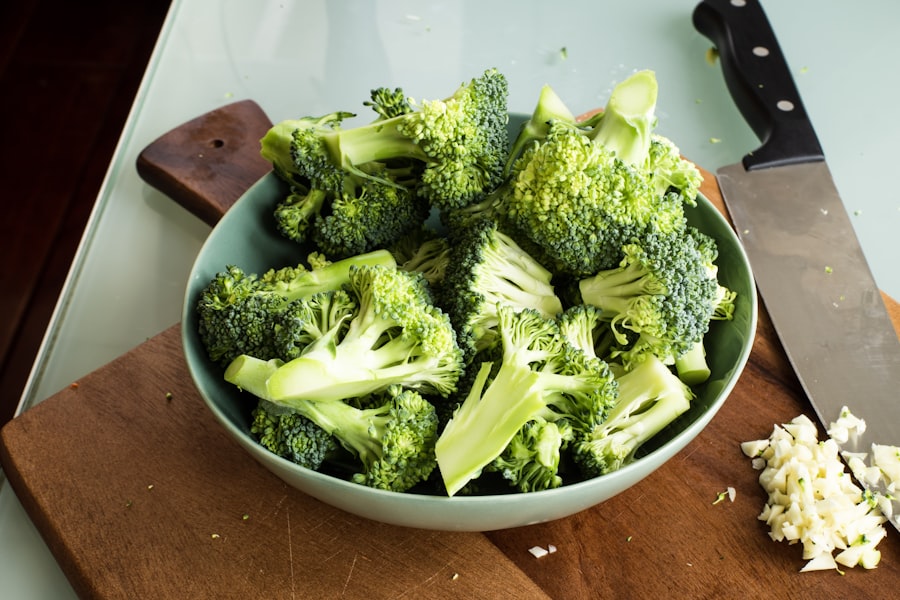
- 1 large head of broccoli, cut into florets
- 2 tablespoons olive oil
- 2 cloves garlic, minced
- Salt, pepper and a squeeze of lemon
Instructions
- Toss the broccoli florets with olive oil, garlic, salt and pepper.
- Roast at 220°C / 425°F for about 20 minutes until crisp-tender.
- Finish with a squeeze of lemon and serve.
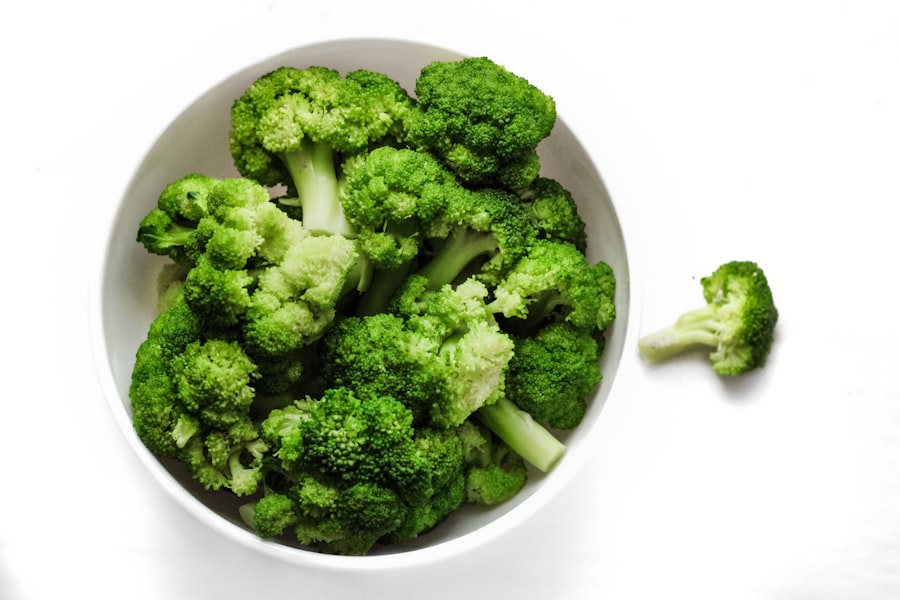
How to cook broccoli without the mush
The reason many people think they dislike broccoli is overcooking, which leaves it soft, gray and bitter. The secret to delicious broccoli is cooking it just enough to be crisp-tender and bright green.
Roasting at high heat caramelizes the edges for a nutty, delicious flavor, while quick steaming or a fast stir-fry keeps it vibrant and crunchy. Avoid boiling it for a long time, which leaches out nutrients and flavor. Cooked properly, broccoli is genuinely delicious — and preserves more of its beneficial sulforaphane too.
Broccoli and digestion
Broccoli is a great food for your digestive health, thanks to its high fiber content. The fiber adds bulk and keeps things moving smoothly, while also feeding the beneficial bacteria in your gut.

A healthy, well-fed gut microbiome supports digestion, immunity and overall wellbeing. Some people find raw broccoli or large amounts cause a little gas as the fiber ferments — lightly cooking it and increasing your intake gradually helps. Either way, broccoli is a fiber-rich, gut-friendly vegetable worth eating often, much like other high-fiber foods.
Raw vs. cooked broccoli
Both raw and cooked broccoli are healthy, with some interesting differences. Raw broccoli retains more vitamin C and forms more sulforaphane, but it can be harder to digest and less appealing to some.
Light cooking, especially steaming, makes broccoli easier to eat and digest while still preserving most of its nutrients, though prolonged boiling reduces them. The best approach is to enjoy broccoli both ways — raw in salads and with dips, and lightly cooked by roasting or steaming. Variety ensures you get the full range of its benefits.
Broccoli sprouts: an even bigger boost
If you want to maximize broccoli’s benefits, broccoli sprouts are worth knowing about. These young shoots of the broccoli plant contain dramatically higher concentrations of sulforaphane than mature broccoli — sometimes many times more.
You can grow broccoli sprouts at home or buy them fresh, and they make a peppery, crunchy addition to salads, sandwiches and smoothies. Adding a small handful is a concentrated way to get more of broccoli’s star compound. For most people, though, simply eating broccoli regularly provides plenty of benefit.
Broccoli for weight management
Broccoli is a dieter’s dream vegetable. It is extremely low in calories yet high in fiber and water, which makes it genuinely filling and satisfying for very little calorie cost.
Its fiber slows digestion and helps you feel full, while its nutrients nourish your body. Filling half your plate with broccoli and other vegetables is a simple, effective strategy for eating well without overdoing calories. It adds volume, nutrition and satisfaction to any meal.
Is frozen broccoli as healthy as fresh?
Good news for convenience: frozen broccoli is just as nutritious as fresh. It is picked and frozen at peak ripeness, locking in its vitamins and beneficial compounds.
Frozen broccoli is perfect for quick stir-fries, soups and roasting, and it lasts for months. Keeping a bag in the freezer means you always have this superfood vegetable on hand for an easy, nutritious addition to any meal.
Broccoli truly earns its superfood reputation. Rich in vitamins C and K, fiber and the remarkable compound sulforaphane, this cruciferous powerhouse supports your immunity, digestion, heart and overall health. The key is cooking it well — roast or lightly steam it to keep it crisp, vibrant and full of nutrients, rather than boiling it to mush. Enjoy it often, raw and cooked, and this green superfood will reward you with a wealth of benefits.
Fresh and green, the Green Apple way
We love nutrient-dense green vegetables like broccoli that make healthy eating delicious. Discover more fresh, wholesome healthy food in Miami with us.
Frequently asked questions
What are the benefits of broccoli?
Broccoli is rich in vitamins C and K, fiber and beneficial plant compounds like sulforaphane. It supports immunity, digestion, heart and bone health, all in a low-calorie cruciferous vegetable.
What is sulforaphane in broccoli?
Sulforaphane is a sulfur-rich compound that forms when broccoli is chopped or chewed. It has antioxidant and protective properties and is studied for supporting the body’s defenses. Broccoli sprouts contain even more.
How do you cook broccoli without making it mushy?
Roast it at high heat for crisp, caramelized edges, or quickly steam or stir-fry it to keep it crisp-tender and bright green. Avoid long boiling, which makes it soft and bitter and leaches out nutrients.
Is raw or cooked broccoli healthier?
Both are healthy. Raw broccoli keeps more vitamin C and forms more sulforaphane, while light cooking makes it easier to digest and still preserves most nutrients. Enjoy it both ways for the full range of benefits.