Mediterranean Diet Benefits: Why It Is the World’s Healthiest

Mediterranean Diet Benefits: Why It Is the World’s Healthiest
Again and again, when researchers look for the healthiest way to eat, they arrive at the same answer: the Mediterranean diet. Inspired by the traditional eating habits of countries bordering the Mediterranean Sea, it is less a strict diet and more a delicious, sustainable way of life.
Here is why the Mediterranean diet is so celebrated, the foods it features, and an easy Mediterranean bowl recipe with prep time.
What is the Mediterranean diet?
The Mediterranean diet is a way of eating based on the traditional foods of countries like Greece, Italy and Spain. It is not about restriction or counting calories — it is about abundance of the right foods.
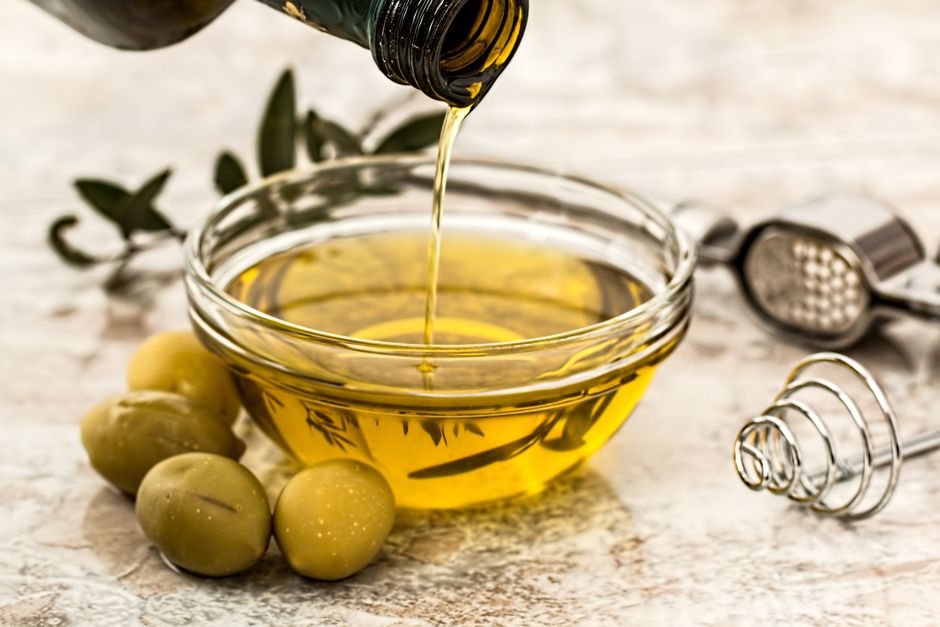
At its heart are vegetables, fruit, whole grains, legumes, nuts, fish and olive oil, with less red meat and processed food. It is naturally rich in fiber, healthy fats and antioxidants, which is the foundation of its many benefits.
The benefits of the Mediterranean diet
Few ways of eating are as well-researched, and the benefits are remarkable.
- Supports heart health — consistently linked to a lower risk of heart disease.
- Anti-inflammatory — rich in foods that help calm inflammation.
- Supports healthy weight — filling, balanced and sustainable.
- Brain health — associated with better cognitive health with age.
- Longevity — linked to longer, healthier lives in many studies.
As the NHS explains, the Mediterranean diet is one of the most evidence-backed eating patterns for heart health and longevity.
The star: olive oil
If one ingredient defines the Mediterranean diet, it is extra-virgin olive oil. Used generously in place of butter and processed fats, it is the primary source of fat in this way of eating.
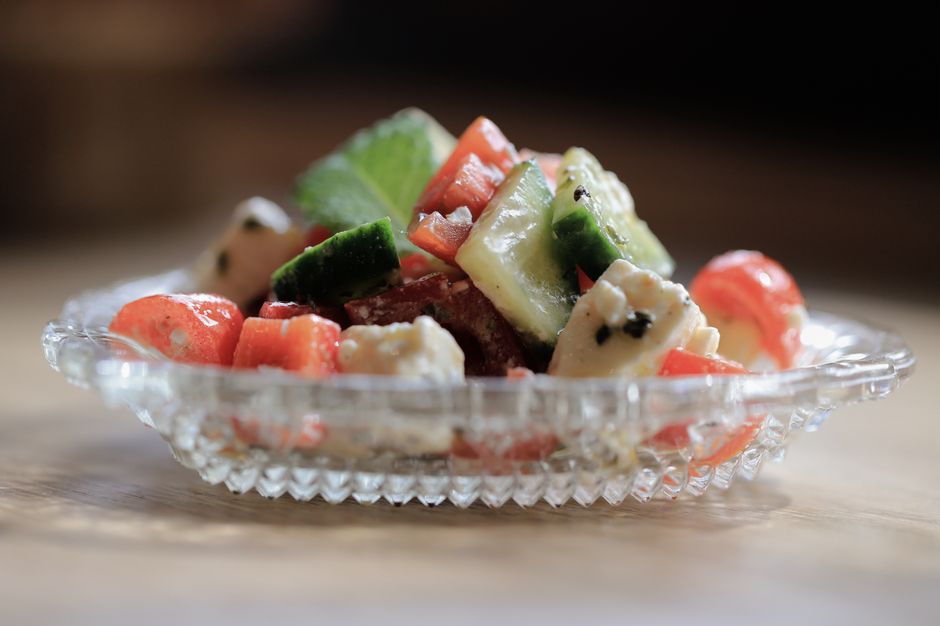
Olive oil is rich in heart-healthy monounsaturated fats and powerful antioxidants, and it is strongly linked to the diet’s benefits for the heart and inflammation. Drizzled over vegetables, used in dressings, or for cooking, quality olive oil is a delicious cornerstone of Mediterranean eating, and one of its healthiest features.
Easy Mediterranean bowl recipe
This simple bowl captures the fresh, vibrant spirit of Mediterranean eating.
Ingredients
- 1 cup cooked quinoa or chickpeas
- Cucumber, tomato and red onion, chopped
- A handful of olives
- Crumbled feta (optional)
- Olive oil and lemon to dress
Instructions
- Add the quinoa or chickpeas to a bowl.
- Top with the chopped vegetables, olives and feta.
- Drizzle with olive oil and lemon, and enjoy.
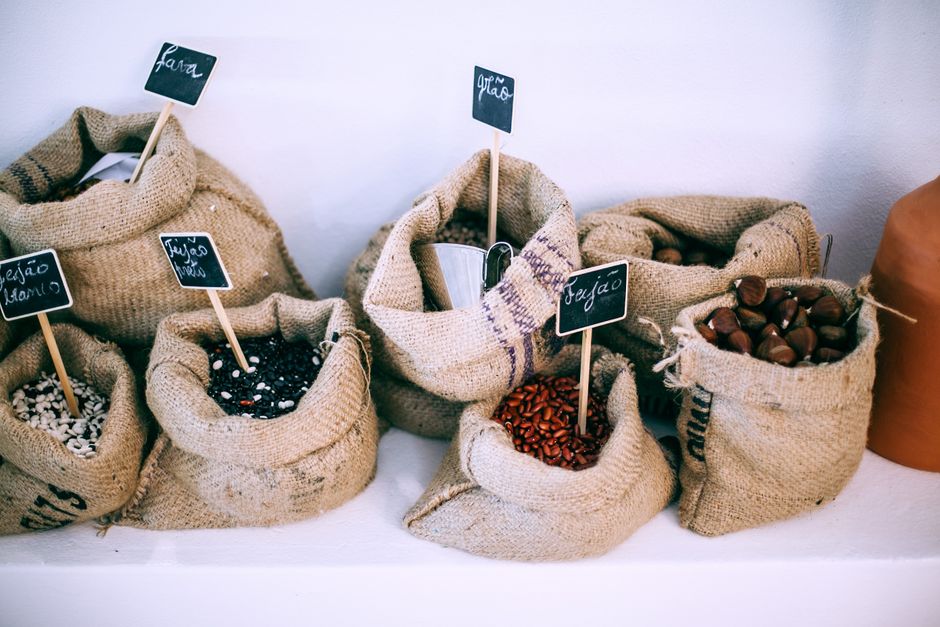
What you eat on a Mediterranean diet
The Mediterranean diet is wonderfully varied and satisfying. Here is what fills the plate.
- Plenty of — vegetables, fruit, whole grains, legumes, nuts, seeds and olive oil.
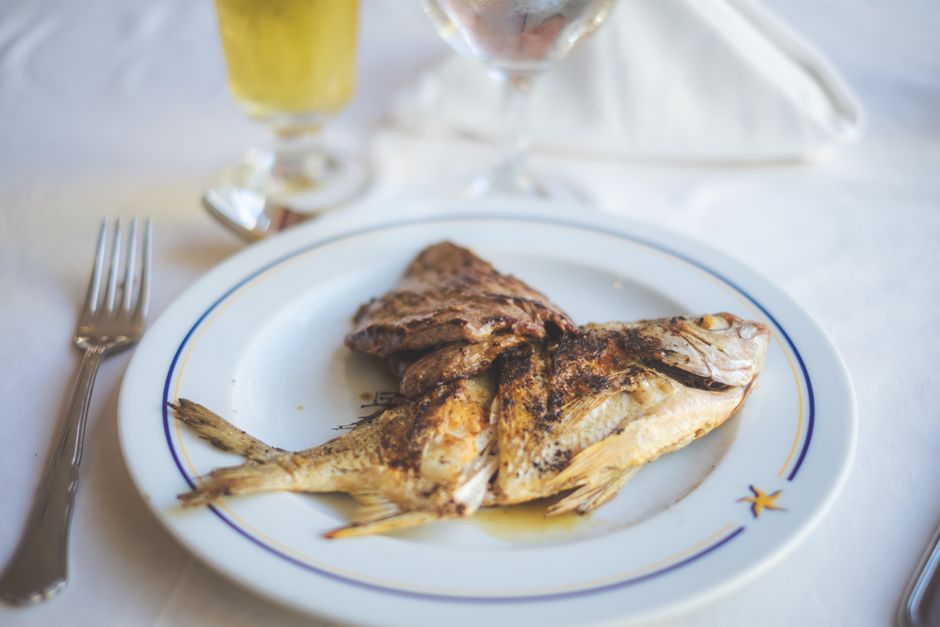
- Regularly — fish and seafood, a few times a week.
- In moderation — poultry, eggs, yogurt and cheese.
- Rarely — red meat, sweets and processed foods.
It overlaps beautifully with our guides to anti-inflammatory foods and plant-based proteins, since it leans heavily on plants.
Why it works so well
The Mediterranean diet’s success comes from the whole pattern, not any single food. It is naturally rich in fiber, healthy fats, antioxidants and plant compounds, while being low in processed food and added sugar.
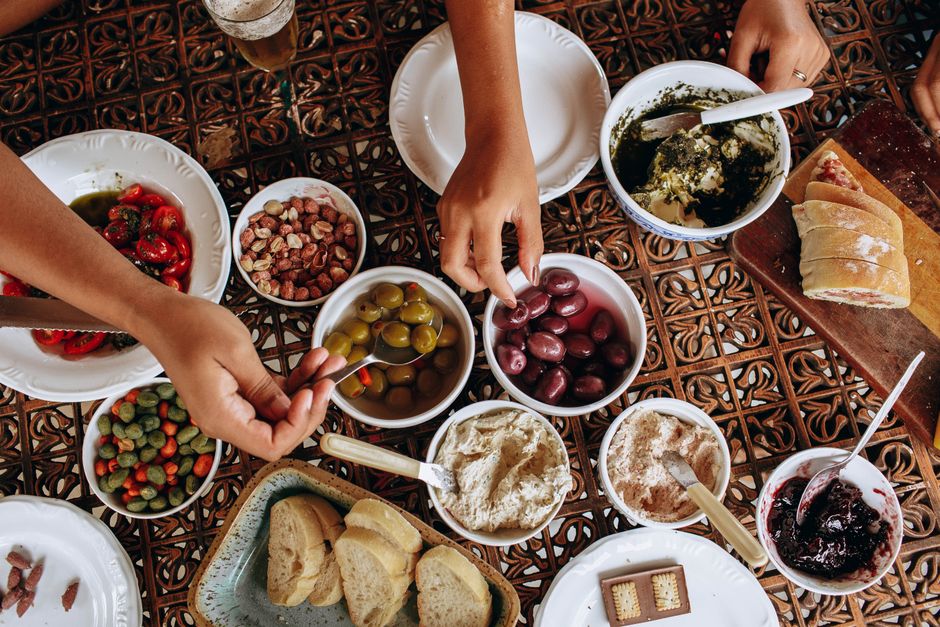
It is also sustainable and enjoyable, which is crucial — a healthy way of eating only works if you can stick with it. Built around delicious, satisfying whole foods, the Mediterranean diet is something people genuinely enjoy for life, which is a big part of why it delivers such lasting benefits.
More than just food
The traditional Mediterranean lifestyle is about more than what is on the plate, and that may be part of its magic. Meals are typically shared slowly with family and friends, eaten mindfully rather than rushed.
Regular physical activity, often built naturally into daily life, and a relaxed, social approach to eating all play a role. While the food is the foundation, this balanced, unhurried lifestyle complements it beautifully. It is a reminder that how we eat can matter as much as what we eat.
How to start eating Mediterranean
The beauty of this way of eating is how easy it is to adopt gradually. Start by using olive oil instead of butter, and adding more vegetables to every meal.
Swap refined grains for whole grains, enjoy fish a couple of times a week, snack on nuts and fruit, and treat red meat as an occasional rather than daily choice. Small, steady shifts in this direction bring real benefits, no perfection required. Before long, this delicious, balanced way of eating simply becomes your new normal.
Is the Mediterranean diet expensive?
A common worry is that eating Mediterranean-style is costly, but it does not have to be. Many of its staples — beans, lentils, whole grains, seasonal vegetables and canned fish — are among the most affordable foods you can buy.
By leaning on these budget-friendly basics and treating meat as an occasional ingredient rather than the center of every meal, the Mediterranean diet can actually be easier on your wallet than a meat-heavy way of eating. Buying seasonal produce and cooking at home keeps it both healthy and affordable.
Mediterranean diet for beginners
If the whole idea feels overwhelming, remember that you do not need to overhaul everything at once. Pick one or two simple swaps to start, like using olive oil instead of butter or adding a vegetable to every meal.
Build from there at your own pace, adding more fish, whole grains and legumes over time. Because the food is so delicious and satisfying, these changes rarely feel like sacrifices. Small, steady steps are exactly how a lasting Mediterranean way of eating takes root.
The Mediterranean diet earns its reputation as one of the world’s healthiest ways to eat — and unlike many diets, it is genuinely enjoyable and sustainable. Built on vegetables, whole grains, legumes, fish and olive oil, it supports your heart, brain and long-term health while tasting wonderful. You do not need to follow it perfectly; simply shifting your meals in this direction, more plants, more olive oil, less processed food, is a delicious investment in a healthier life.
Eat fresh, the Green Apple way
We share the Mediterranean love of fresh, whole, plant-forward food — from vegetable-packed juices to wholesome smoothies and bowls, all with no added sugar. Discover more healthy food in Miami with us.
A Mediterranean staple is quinoa — learn about the benefits of quinoa.
Frequently asked questions
What are the benefits of the Mediterranean diet?
The Mediterranean diet supports heart health, has anti-inflammatory effects, supports a healthy weight and brain health, and is linked to longevity. It is one of the most evidence-backed ways of eating.
What do you eat on a Mediterranean diet?
Plenty of vegetables, fruit, whole grains, legumes, nuts and olive oil, with fish and seafood a few times a week, moderate poultry, eggs and dairy, and only occasional red meat, sweets and processed foods.
Why is olive oil important in the Mediterranean diet?
Extra-virgin olive oil is the primary fat, used in place of butter and processed fats. It is rich in heart-healthy monounsaturated fats and antioxidants, and strongly linked to the diet’s benefits.
How do you start a Mediterranean diet?
Start gradually: use olive oil instead of butter, add more vegetables to every meal, choose whole grains, enjoy fish a couple of times a week, snack on nuts and fruit, and limit red meat and processed foods.