Vegan Protein Sources: The Best Plant-Based Proteins
Vegan Protein Sources: The Best Plant-Based Proteins
One of the most common questions about plant-based eating is also one of the easiest to answer: “Where do you get your protein?” The truth is that the plant world is full of excellent protein sources — you just need to know where to look.
Here are the best vegan protein sources, how to combine them for complete protein, and an easy high-protein vegan smoothie recipe with prep time.
Can you get enough protein on a vegan diet?
Absolutely — this is one of the biggest myths about plant-based eating. With a little variety and planning, it is entirely possible to meet your protein needs from plants alone.
In fact, many of the world’s strongest athletes thrive on plant-based diets. The key is to eat a range of protein-rich plant foods throughout the day, which naturally adds up to plenty of high-quality protein.
The best vegan protein sources
These plant foods are protein powerhouses and form the foundation of a high-protein vegan diet.
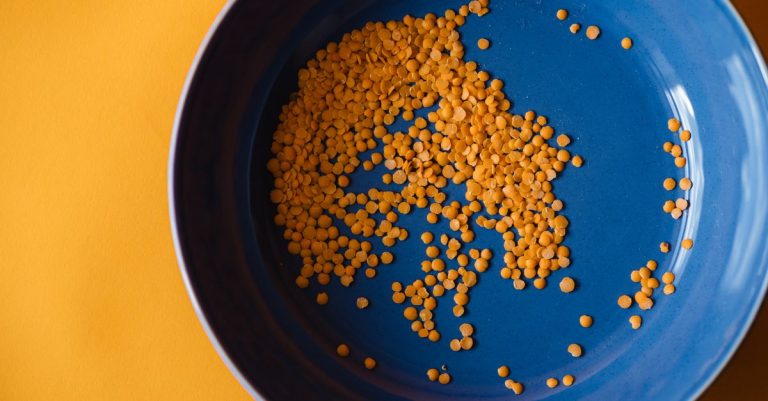
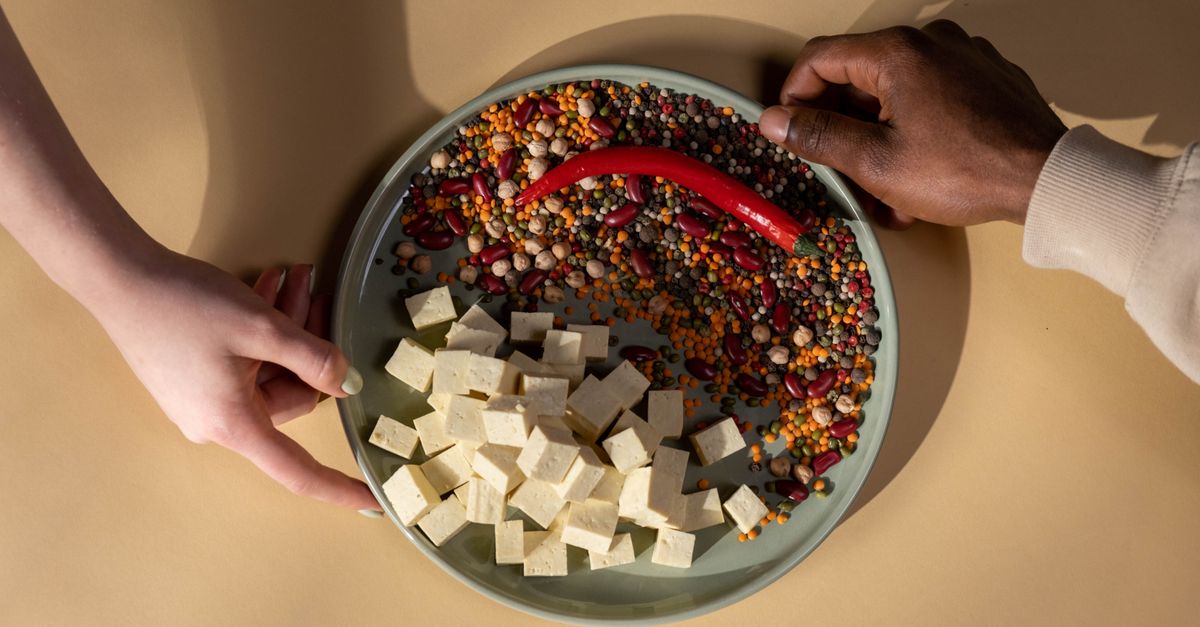
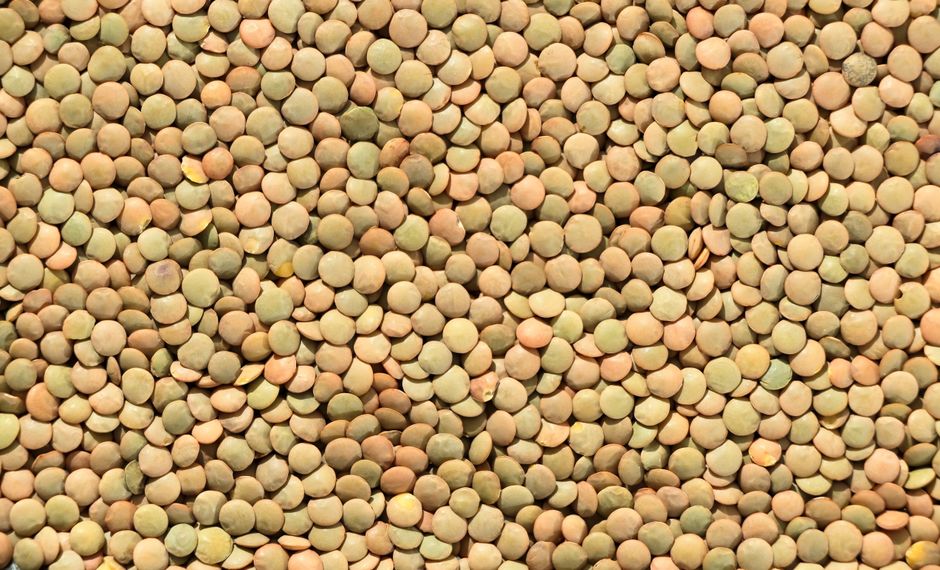
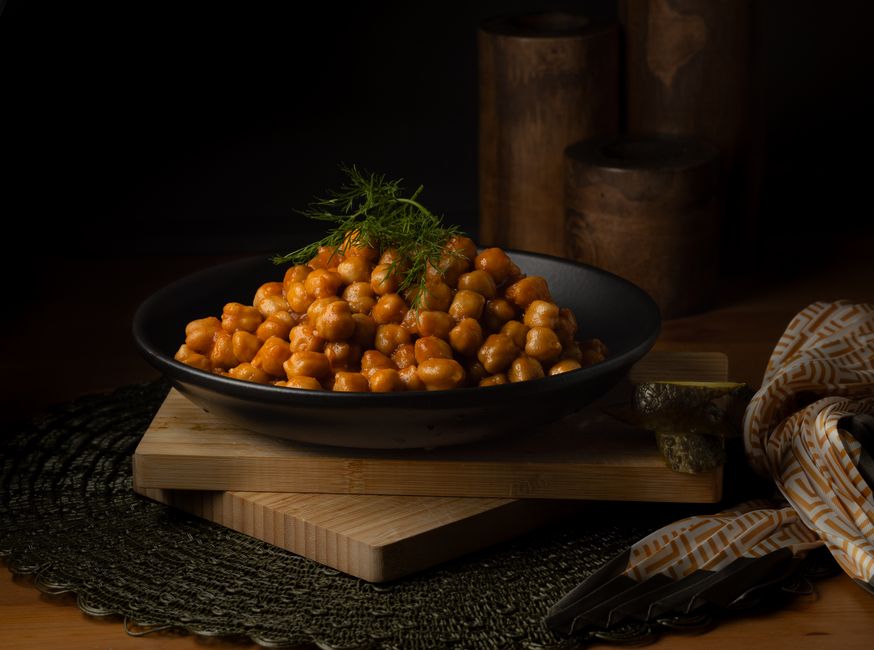
- Legumes — lentils, chickpeas and beans are protein- and fiber-rich staples.
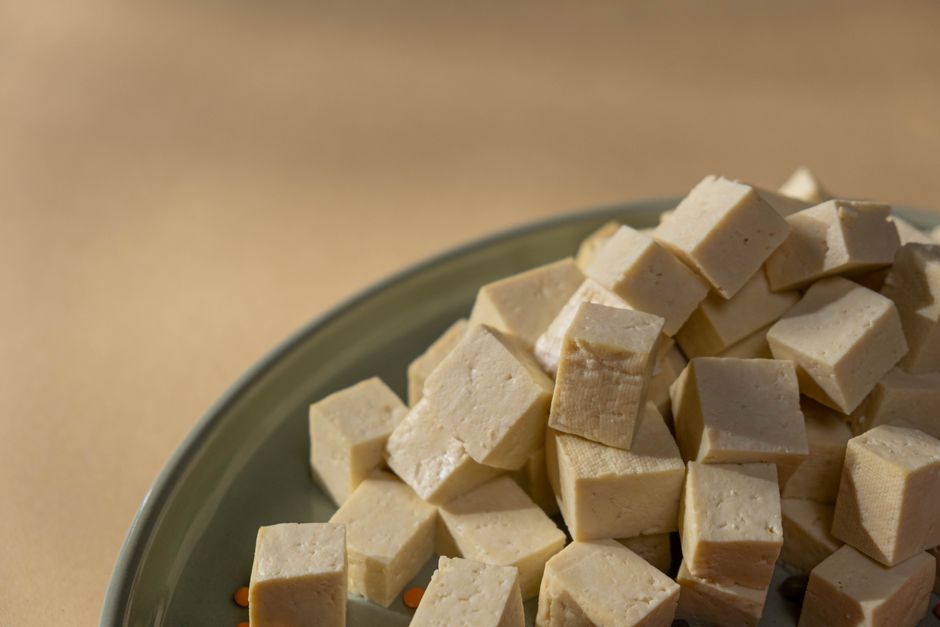
- Tofu and tempeh — made from soybeans, they are complete proteins and very versatile.
- Edamame — young soybeans packed with protein.
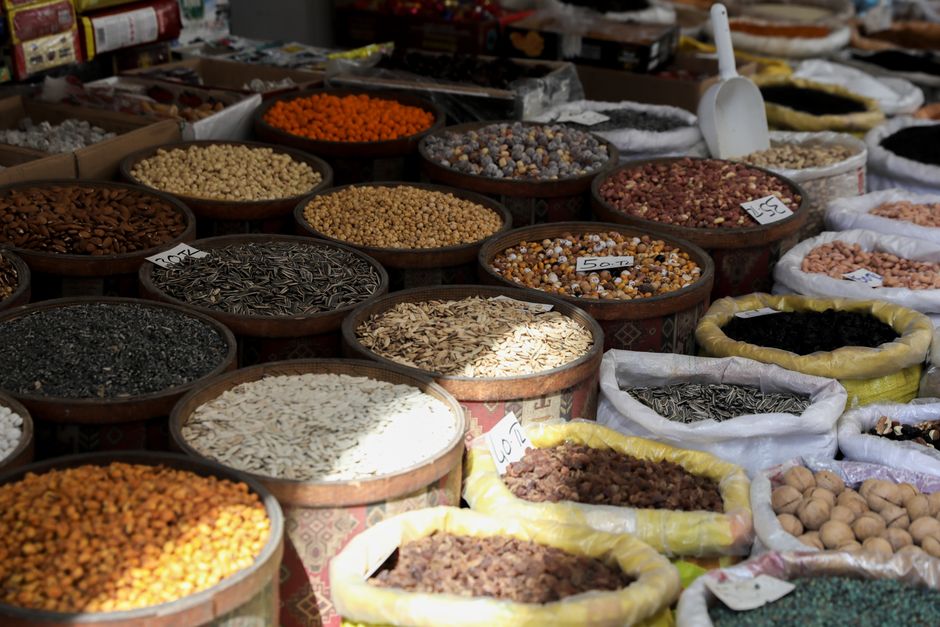
- Nuts and seeds — almonds, pumpkin seeds and hemp seeds all add protein.
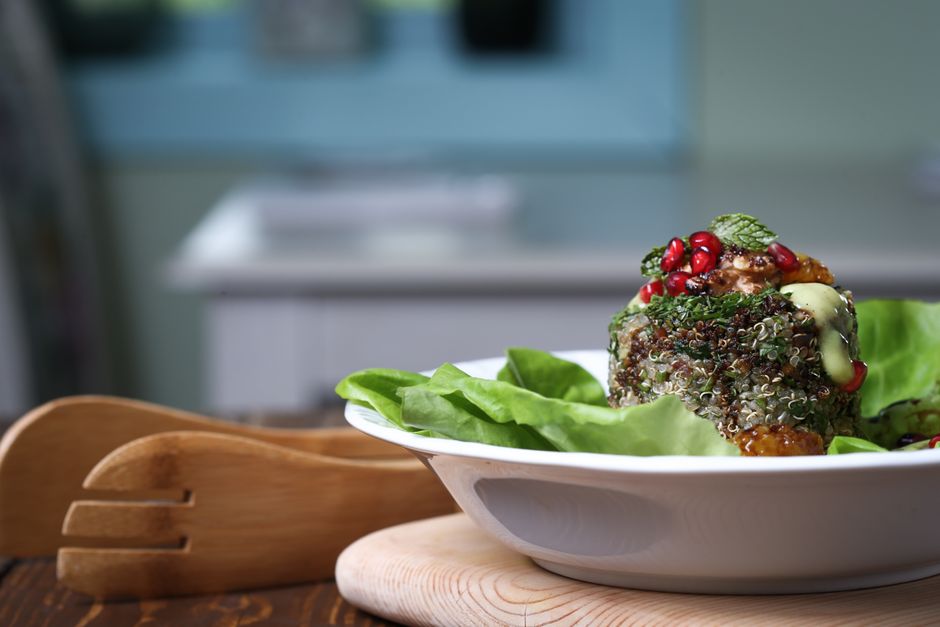
- Quinoa — a rare plant-based complete protein and a great grain swap.
- Plant protein powders — pea, soy or hemp powders make hitting your target easy.
As Medical News Today notes, foods like lentils, tofu, quinoa, beans and seeds are excellent plant-based protein sources.
What about complete proteins?
You may have heard that plant proteins are “incomplete,” meaning most individual plant foods are lower in one or more essential amino acids. This sounds concerning, but it is easily solved.
A few plant foods — like soy (tofu, tempeh, edamame) and quinoa — are complete proteins on their own. For the rest, simply eating a variety of plant proteins across the day covers all your amino acid bases. The classic example is beans with rice, which together form a complete protein. You do not need to combine them in the same meal — variety over the whole day is enough.
Easy high-protein vegan smoothie recipe
This smoothie packs a serious protein punch entirely from plants.
Ingredients
- 1 scoop plant-based protein powder
- 1 tablespoon peanut butter
- 1 banana
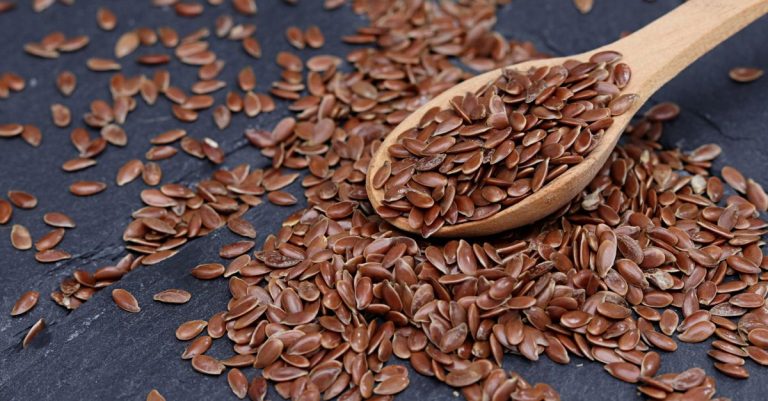
- 1 tablespoon ground flaxseed
- 1 cup soy or pea milk
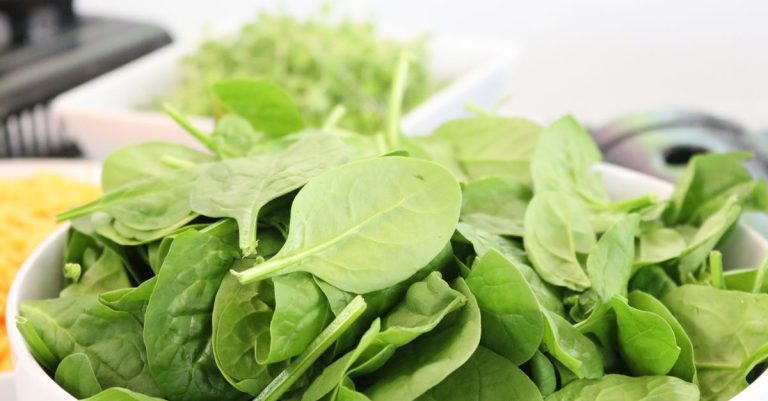
- A handful of spinach
Instructions
- Add all the ingredients to a blender.
- Blend until smooth and creamy.
- Pour and enjoy right away.
Soy or pea milk adds extra protein compared with almond milk, making your smoothie even more powerful.
Legumes: the vegan protein staple
If there is one food group that anchors a high-protein vegan diet, it is legumes. Lentils, chickpeas, black beans and kidney beans all deliver impressive protein along with fiber, iron and other nutrients.
They are also affordable, versatile and filling. Add lentils to soups and stews, toss chickpeas into salads or roast them for a crunchy snack, and blend beans into dips like hummus. Building a few servings of legumes into your day is one of the simplest ways to keep your protein high on a plant-based diet.
Soy: a plant-based powerhouse
Soy foods deserve special recognition because they are among the few complete plant proteins. Tofu, tempeh and edamame all provide all nine essential amino acids, just like animal protein.
Tofu is wonderfully versatile, soaking up whatever flavors you cook it with, while tempeh has a firmer, nuttier character and edamame makes a perfect protein-rich snack. Despite outdated myths, moderate soy is considered safe and healthy for most people, and it is a cornerstone of plant-based eating around the world.
Vegan protein for muscle building
Can you build muscle on plant protein? Absolutely — plenty of vegan athletes prove it. The principles are the same as for anyone: eat enough total protein, spread it through the day, and train consistently.
Plant eaters may simply need to be a little more intentional about hitting their protein target, leaning on concentrated sources like tofu, tempeh, legumes and protein powders. A plant-based protein shake after training works just as well as any other for supporting muscle repair and growth.
Tips for a high-protein vegan diet
Hitting your protein goals on plants is easy with a few simple habits.
- Include protein at every meal — build each plate around a plant protein.
- Keep variety — rotate legumes, soy, grains, nuts and seeds.
- Use protein powder — an easy way to top up, especially around workouts.
- Snack smart — edamame, roasted chickpeas or nuts make protein-rich snacks.
With these habits, meeting your protein needs becomes effortless.
Are plant proteins as good as animal protein?
This is a common worry, and the reassuring answer is that plant proteins can absolutely meet your needs. While many individual plant foods are slightly lower in certain amino acids, eating a variety easily makes up the difference.
Soy and quinoa are complete on their own, and combinations like beans with grains cover all the bases. Plant proteins also come bundled with fiber, antioxidants and no cholesterol, offering benefits that animal proteins do not. For most people, a varied plant-based diet supports health, fitness and muscle just as well.
Budget-friendly vegan protein
One of the best things about plant protein is how affordable it can be. Dried lentils, beans and chickpeas are among the cheapest, most nutritious foods you can buy, delivering plenty of protein for very little money.
Buying these staples in bulk, along with oats, rice and seasonal vegetables, makes a high-protein vegan diet kind to your wallet as well as your health. Eating well on plants does not have to be expensive — in fact, it is often cheaper than a meat-heavy diet.
The idea that you cannot get enough protein on a plant-based diet is simply a myth. Between legumes, soy foods, nuts, seeds, quinoa and protein powders, the plant world offers an abundance of high-quality protein. Eat a variety of these foods through the day, build each meal around a protein source, and you will easily meet your needs — while enjoying all the fiber, nutrients and benefits that come with eating more plants.
Plant-powered, the Green Apple way
We love plant-based nutrition, and our smoothies make it easy to add a protein boost from plant sources — no concentrates, no added sugar. Build a high-protein blend your way, and explore the wider world of healthy food in Miami.
Frequently asked questions
Can you get enough protein on a vegan diet?
Yes. With a variety of plant proteins like legumes, soy, nuts, seeds and quinoa eaten through the day, it is entirely possible to meet your protein needs — many top athletes thrive on plant-based diets.
What are the best vegan protein sources?
Legumes (lentils, chickpeas, beans), soy foods (tofu, tempeh, edamame), nuts and seeds, quinoa, and plant protein powders such as pea or soy are among the best plant-based proteins.
Are plant proteins complete?
A few, like soy and quinoa, are complete on their own. Most others are lower in one or more amino acids, but eating a variety of plant proteins across the day easily provides all the amino acids you need.
Can you build muscle on vegan protein?
Yes. The principles are the same as for anyone: eat enough total protein, spread it through the day and train consistently. Tofu, tempeh, legumes and plant protein powders make it straightforward.