Blueberry Benefits: Why This Berry Is a Superfood

Blueberry Benefits: Why This Berry Is a Superfood
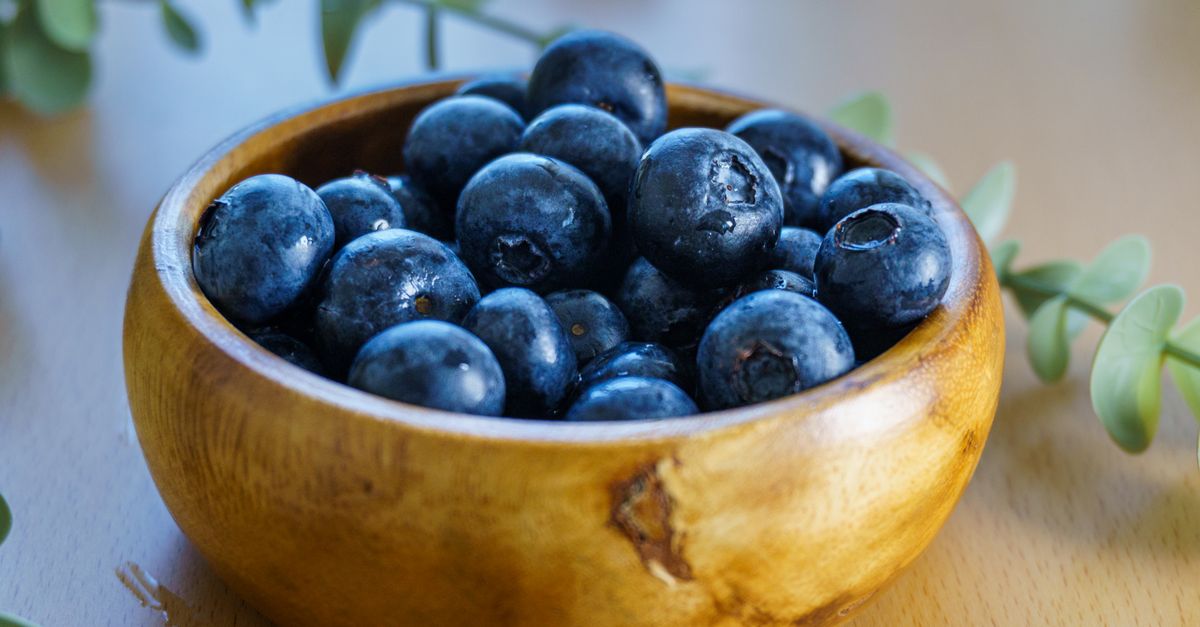
Tiny, sweet and a beautiful deep blue, the humble blueberry packs more nutritional power than almost any other fruit. It is a true superfood — and one of the most delicious ways to boost your health.
Here is what makes blueberries so good for you, easy ways to eat more, and a simple blueberry oat breakfast recipe with prep time.
What makes blueberries a superfood?
Blueberries earn their superfood status through an extraordinary antioxidant content packed into a very low-calorie package. Few foods deliver so much benefit per bite.
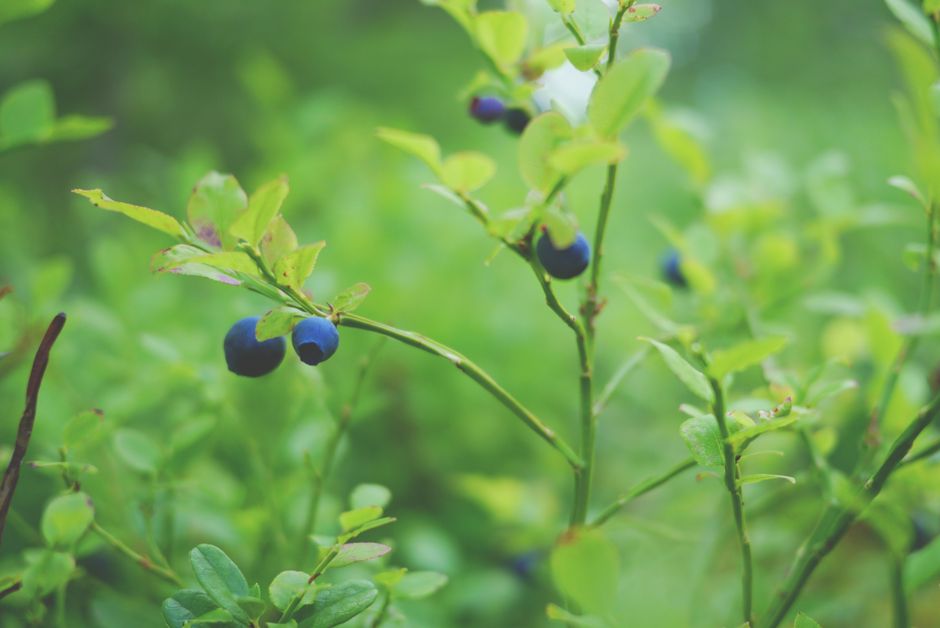
They are especially rich in anthocyanins, the antioxidants responsible for their deep blue-purple color, along with vitamin C, vitamin K, manganese and fiber. It is this combination that makes them so valuable.
The health benefits of blueberries
Blueberries are among the most studied fruits, and the research is impressive.
- Exceptionally high in antioxidants — among the highest of all common fruits.
- Support brain health — linked to better memory and slower mental aging.
- Heart-friendly — associated with healthy blood pressure and cholesterol.
- Help blood sugar — their fiber and compounds support steady blood sugar.
- Good for skin — vitamin C and antioxidants support a healthy complexion.
As WebMD explains, blueberries are rich in antioxidants and nutrients linked to heart and brain health.
Blueberries and brain health
One of the most exciting areas of blueberry research is their effect on the brain. The antioxidants in blueberries appear to accumulate in the brain and support communication between brain cells.
Studies have linked regular blueberry consumption to improvements in memory and a slower decline in mental sharpness with age. While no single food is a magic bullet, blueberries are one of the most brain-friendly foods you can eat — a delicious reason to enjoy a handful every day.
Easy blueberry oat breakfast recipe
One of the tastiest ways to enjoy blueberries is in a quick, wholesome breakfast bowl.
Ingredients
- ½ cup rolled oats
- ½ cup Greek yogurt
- ½ cup milk
- 1 cup fresh blueberries
- 1 tablespoon honey or maple syrup
Instructions
- Stir the oats, yogurt and milk together in a bowl or jar.
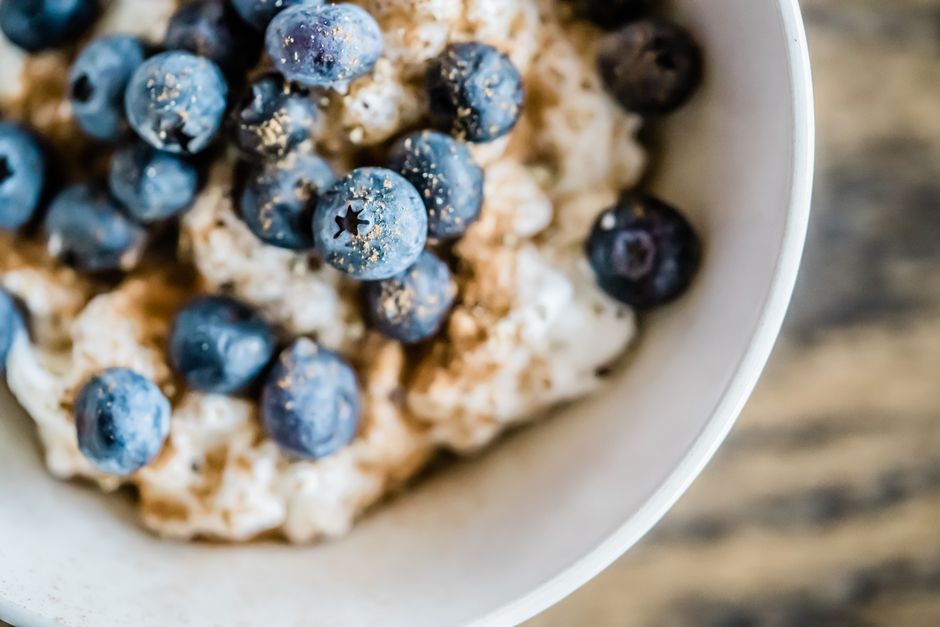
- Top generously with fresh blueberries.
- Drizzle with honey and enjoy, or chill overnight first.
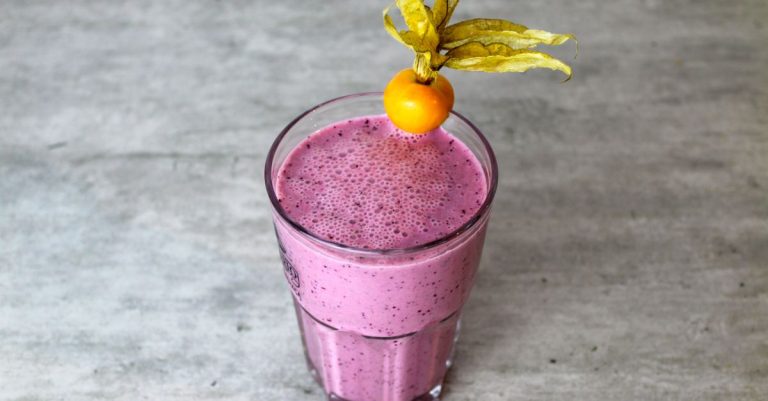
Love them blended? Try our creamy blueberry smoothie recipe.
Fresh vs. frozen blueberries
Here is good news for berry lovers: frozen blueberries are just as nutritious as fresh. They are picked and frozen at peak ripeness, locking in their antioxidants and nutrients.
Frozen blueberries are perfect for smoothies, oatmeal and baking, and they last for months, so you always have some on hand. Fresh blueberries are ideal for snacking and topping, with that satisfying pop. Keeping both means you can enjoy this superfood year-round, whatever the season.
Are blueberries good for weight loss?
Blueberries are a smart choice for anyone watching their weight. They are low in calories yet satisfyingly sweet, making them a perfect way to curb a sugar craving without reaching for candy.
Their fiber helps you feel full and supports steady blood sugar, which helps manage appetite. Whether stirred into yogurt, blended into a smoothie or eaten by the handful, blueberries add sweetness, nutrition and fiber for very few calories — a genuinely diet-friendly treat.
Easy ways to eat more blueberries
Blueberries are wonderfully easy to add to your day.
- In smoothies — for antioxidants and natural sweetness.
- On oatmeal or yogurt — a classic, nourishing topping.
- As a snack — by the handful, fresh or frozen.
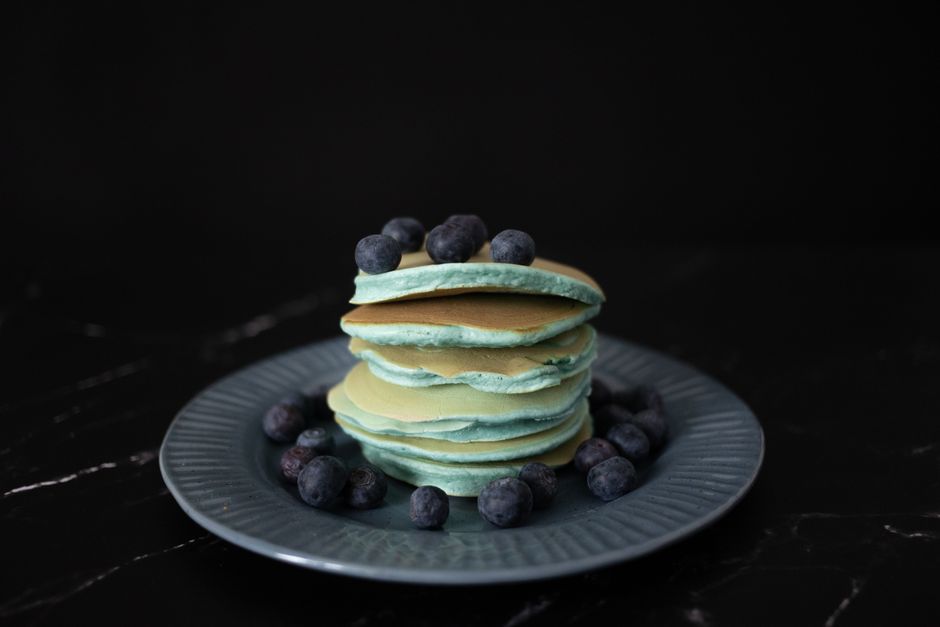
- In baking — muffins, pancakes and breads.
- In salads — for a sweet, juicy pop of flavor.
However you enjoy them, a daily handful is one of the easiest healthy habits around.
Blueberries and your heart
Your heart loves blueberries as much as your brain does. The anthocyanins that give blueberries their color have been linked to several heart benefits in research.
Regular blueberry consumption is associated with healthier blood pressure, improved cholesterol levels and better function of the blood vessels. As part of a balanced, plant-forward diet, blueberries are a delicious and easy way to look after your cardiovascular health, alongside other anti-inflammatory foods.
How to store blueberries
To get the most from fresh blueberries, a little care helps. Store them unwashed in the fridge, and only rinse them just before eating, since moisture causes them to spoil faster.
Stored properly, fresh blueberries keep for a week or more. If you have a surplus, freeze them: simply spread them on a tray to freeze individually, then transfer to a bag. Frozen this way, they will not clump and are ready to toss into smoothies, oatmeal or baking whenever you need them.
Blueberries and blood sugar
Despite their sweetness, blueberries are surprisingly friendly to blood sugar. Their fiber slows the absorption of their natural sugars, and the antioxidants they contain may even improve how the body responds to insulin.
This makes blueberries a smart sweet choice compared with candy or baked goods, which spike blood sugar quickly. Enjoyed whole, on their own or with some protein and fat like yogurt and nuts, blueberries satisfy a sweet craving while keeping your energy steady.
Wild vs. cultivated blueberries
You may notice two kinds of blueberries: larger cultivated ones and smaller wild ones. Both are nutritious, with a small difference worth knowing.
Wild blueberries are smaller and more intensely flavored, and they often contain even more antioxidants per serving thanks to their higher skin-to-flesh ratio. Cultivated blueberries are larger, milder and easier to find fresh. Frozen wild blueberries are a fantastic, affordable way to get that extra antioxidant boost in smoothies and baking.
For such a small fruit, the blueberry delivers an extraordinary amount of goodness. Bursting with antioxidants and linked to better brain, heart and metabolic health, it is one of the most nutritious foods you can eat — and one of the most delicious. Keep some fresh or frozen on hand, add a handful to your day, and enjoy one of nature’s simplest and tastiest superfoods.
Superfoods made simple, the Green Apple way
We pack our smoothies and bowls with antioxidant-rich fruits like blueberries — no concentrates, no added sugar — so getting your superfoods is as easy as a sip. Treat yourself to something both delicious and good for you.
Blueberries are a top brain food — see our full guide to the best brain foods.
Frequently asked questions
What are the benefits of blueberries?
Blueberries are one of the most antioxidant-rich foods, supporting brain health, heart health, steady blood sugar and healthy skin. They are rich in anthocyanins, vitamin C, vitamin K and fiber, all for few calories.
Are frozen blueberries as healthy as fresh?
Yes. Frozen blueberries are picked and frozen at peak ripeness, locking in their antioxidants and nutrients. They are perfect for smoothies, oatmeal and baking, and last for months.
How many blueberries should you eat a day?
A handful, about half a cup to a cup, is a great daily amount. They are low in calories and high in antioxidants and fiber, making them easy to enjoy every day.
Are blueberries good for the brain?
Yes. The antioxidants in blueberries support communication between brain cells, and research links regular consumption to better memory and slower mental decline with age.