Coconut Milk Benefits: Creamy, Dairy-Free & Versatile


Coconut Milk Benefits: Creamy, Dairy-Free & Versatile
Rich, creamy and unmistakably tropical, coconut milk is one of the most versatile dairy-free ingredients in the kitchen. From silky curries to creamy smoothies and frothy lattes, this plant-based milk adds luscious texture and a subtle coconut flavor. Beyond the taste, it brings a unique nutritional profile that has made it a beloved staple around the world.
Here are the key coconut milk benefits, the difference between types, an easy homemade recipe with prep time, and tasty ways to use it.
What is coconut milk?
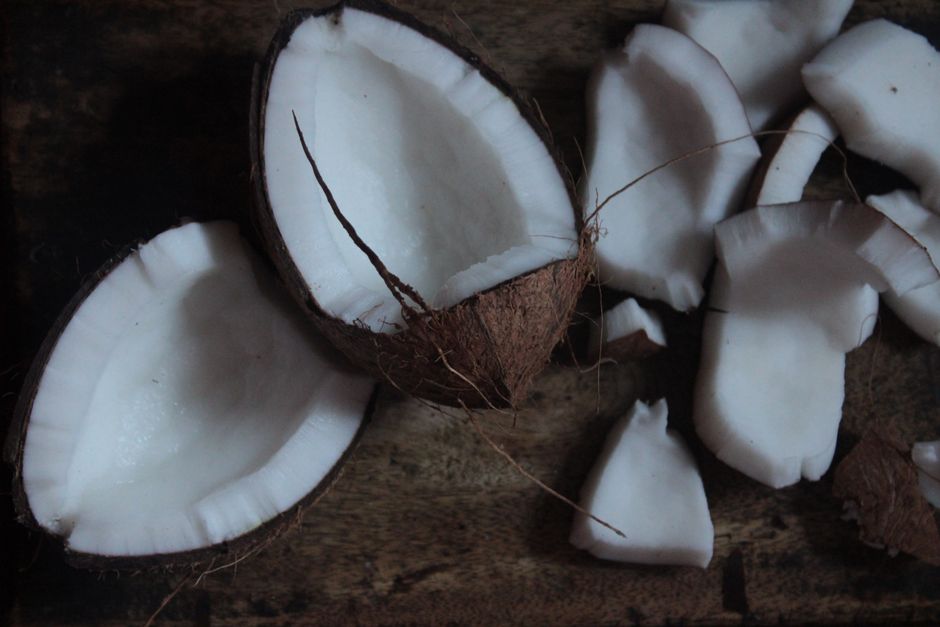
Coconut milk is a creamy liquid made from the grated flesh of mature coconuts blended with water. It should not be confused with coconut water, the clear liquid found inside young coconuts, nor with the thin coconut milk beverages sold in cartons for drinking.
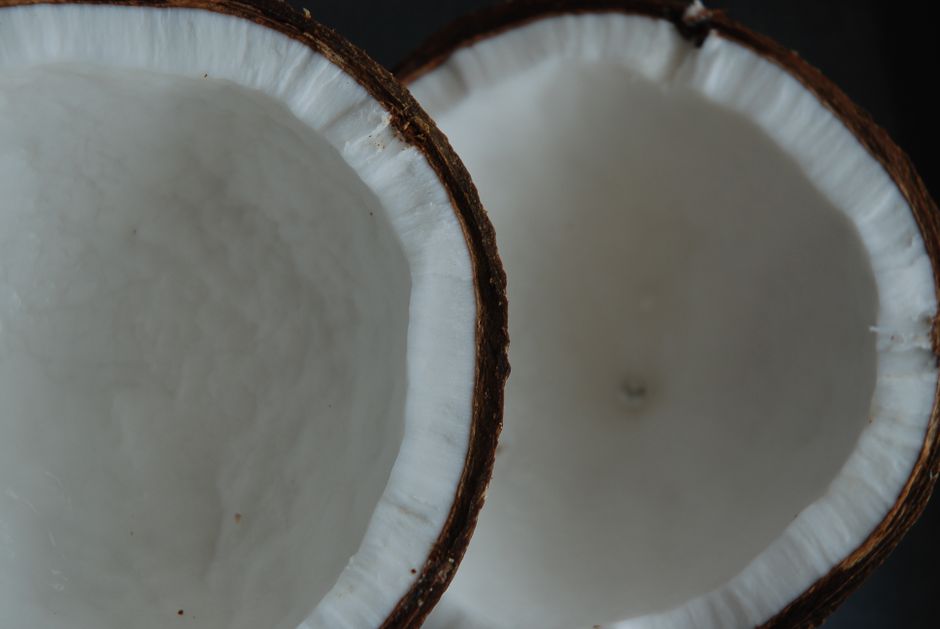
Traditional coconut milk, often sold in cans, is rich and thick, prized in the cuisines of Southeast Asia, India, the Caribbean and beyond. Its natural creaminess comes from the healthy fats in coconut flesh, making it a wonderful dairy-free way to add richness to both sweet and savory dishes.
The benefits of coconut milk
Behind its creamy texture, coconut milk offers several appealing benefits.

- Dairy-free and vegan — ideal for those avoiding dairy or lactose.
- Contains MCTs — medium-chain triglycerides, a readily used source of energy.
- Naturally rich and creamy — a luxurious texture without any dairy.
- Provides minerals — including manganese, copper and iron.
- Versatile — works beautifully in both sweet and savory cooking.
As Healthline reports, coconut milk is a rich, dairy-free source of healthy fats including medium-chain triglycerides, plus several minerals.
Understanding coconut fats and MCTs
Coconut milk’s richness comes mainly from its fat, and that fat is worth understanding. Coconut is high in saturated fat, but a notable portion comes in the form of medium-chain triglycerides, or MCTs, which the body metabolizes differently from the long-chain fats in most foods.
MCTs are absorbed quickly and used readily for energy, and some research suggests they may have benefits for metabolism. That said, coconut milk is calorie-dense, so it is best enjoyed in sensible amounts as part of a balanced diet. Used thoughtfully, its healthy fats add satisfying richness, much like the good fats in other healthy-fat foods.
Easy homemade coconut milk recipe
Making your own coconut milk is surprisingly easy and lets you skip any additives.
Ingredients
- 1½ cups unsweetened shredded coconut
- 2 cups hot (not boiling) water
- 1 pinch of salt (optional)
Instructions
- Add the shredded coconut and hot water to a blender.
- Blend on high for 1–2 minutes until creamy.
- Strain through a nut-milk bag or fine cloth, then chill and use within a few days.
Canned vs. carton coconut milk
Walk down the store aisle and you will find coconut milk in two very different forms, each suited to different uses. Canned coconut milk is thick, rich and high in fat, perfect for curries, sauces, desserts and anywhere you want luxurious creaminess.
Carton coconut milk, sold in the refrigerated or long-life milk section, is much thinner and diluted, designed as a pourable dairy-milk alternative for cereal, coffee and drinking. Neither is better; they are simply made for different jobs. For cooking and rich recipes, reach for the can; for a light, everyday milk substitute, the carton is your friend. Check the label for any unwanted additives.
Is coconut milk good for you?
Coconut milk can be a healthy part of your diet when enjoyed thoughtfully. It is a wonderful dairy-free, vegan source of creaminess, provides minerals and energy-friendly MCTs, and makes plant-based eating more delicious and satisfying.
Because it is calorie- and fat-dense, the key is moderation — a splash in your coffee or a base for a curry rather than drinking it by the glass. Choosing unsweetened versions avoids added sugar, and light canned varieties offer a lower-fat option. Used sensibly, coconut milk is a delicious, versatile and wholesome ingredient that brings a taste of the tropics to countless dishes.
Delicious ways to use coconut milk
Coconut milk’s versatility is one of its greatest gifts.
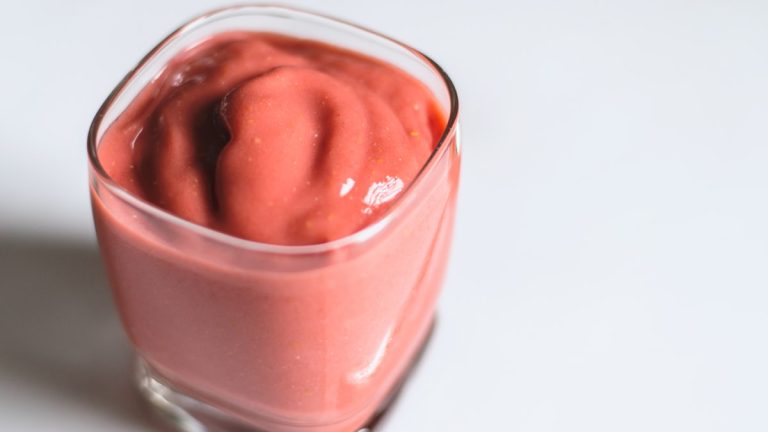
- Smoothies — a splash adds tropical creaminess, as in our tropical smoothie.
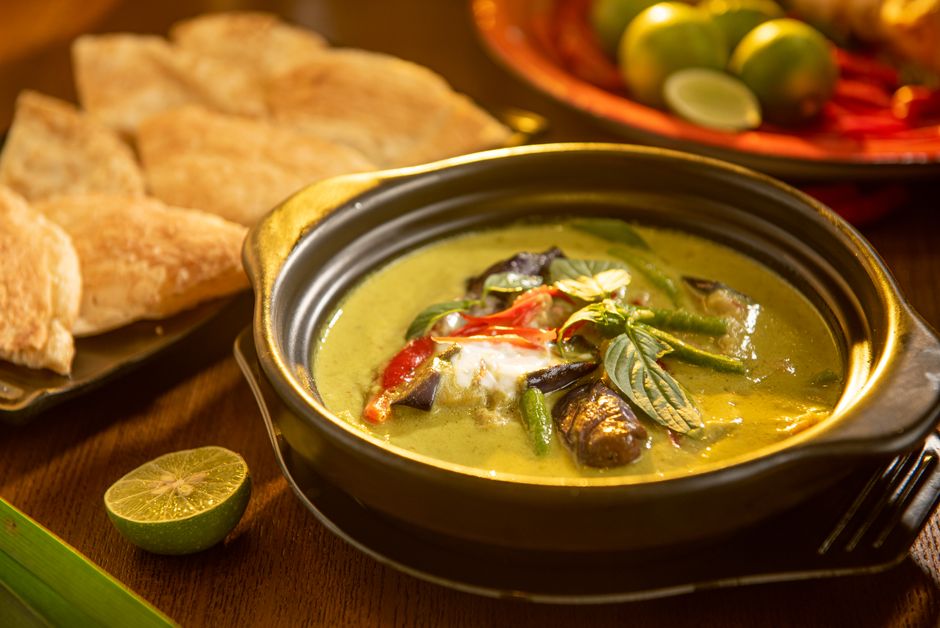
- Curries and soups — the classic base for rich, savory dishes.
- Golden milk — for an extra-creamy turmeric latte.
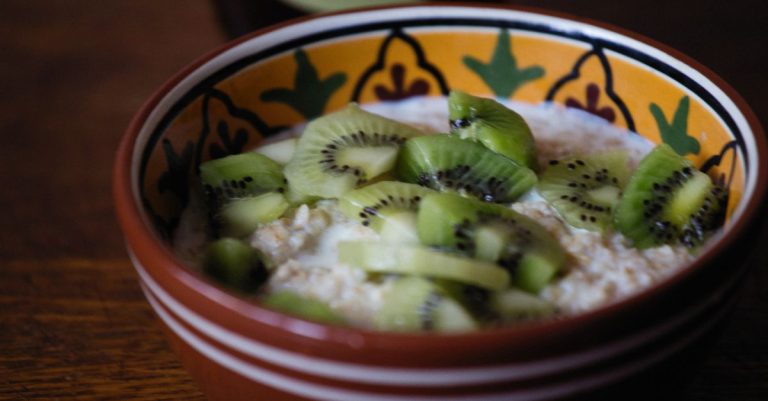
- Overnight oats — for a creamy, dairy-free breakfast.
- Dairy-free desserts — from puddings to whipped coconut cream.
Chilled full-fat coconut milk can even be whipped into a dreamy dairy-free cream.
When to reach for coconut milk
Coconut milk shines in many situations. It is a go-to whenever you want dairy-free creaminess, whether you are vegan, lactose-intolerant or simply love its flavor. In cooking, it transforms curries, soups and sauces into something rich and satisfying.
In drinks, a splash brings luscious body to smoothies, lattes and golden milk, while in baking and desserts it creates creamy, dairy-free treats. It is also perfect for adding a tropical note to both sweet and savory recipes. Keep a can in the cupboard and a carton in the fridge, and you will always have the right coconut milk on hand.
Tips for using coconut milk
A few simple tips help you get the best from coconut milk. For cooking, choose canned full-fat coconut milk for the richest results, and give the can a good shake or stir, as the cream often separates and rises to the top.
If a recipe calls for thick coconut cream, chill the can and scoop off the solid layer on top. Choose unsweetened varieties to control added sugar, and check labels for stabilizers if you prefer a cleaner product. Once opened, transfer leftover coconut milk to a container and refrigerate, using it within a few days, or freeze it in portions for later. With a little know-how, this tropical staple earns its place in your kitchen.
Coconut milk is a creamy, dairy-free wonder that brings richness and a tropical touch to countless dishes. With its energy-friendly MCTs, useful minerals and luxurious texture, it is a versatile staple for plant-based cooking and beyond. Reach for canned coconut milk for rich recipes and carton for everyday drinking, choose unsweetened versions, and enjoy it in sensible amounts. From curries to smoothies to golden milk, coconut milk makes wholesome eating wonderfully delicious.
Tropical and wholesome, the Green Apple way
We love bringing tropical flavor to our menu with real, wholesome ingredients — from creamy smoothies to nourishing bowls. Come taste the difference that quality ingredients make.
Coconut milk is delicious in a matcha smoothie too — try the recipe.
Frequently asked questions
What are the benefits of coconut milk?
Coconut milk is a creamy, dairy-free and vegan source of healthy fats, including medium-chain triglycerides (MCTs) that the body uses readily for energy. It also provides minerals like manganese, copper and iron and adds rich texture to many dishes.
How do you make coconut milk at home?
Blend 1½ cups unsweetened shredded coconut with 2 cups hot (not boiling) water on high for 1-2 minutes until creamy, then strain through a nut-milk bag or fine cloth. Chill and use within a few days. It takes about 5 minutes.
What is the difference between canned and carton coconut milk?
Canned coconut milk is thick, rich and high in fat, ideal for curries, sauces and desserts. Carton coconut milk is thinner and diluted, designed as a pourable dairy-milk alternative for cereal, coffee and drinking.
Is coconut milk healthy?
It can be a healthy part of your diet when enjoyed in moderation. It is dairy-free, provides minerals and energy-friendly MCTs, but is calorie- and fat-dense, so it is best used as a splash or cooking base rather than drunk by the glass. Choose unsweetened versions.