Nettle Tea Benefits: A Nourishing, Mineral-Rich Brew

Nettle Tea Benefits: A Nourishing, Mineral-Rich Brew
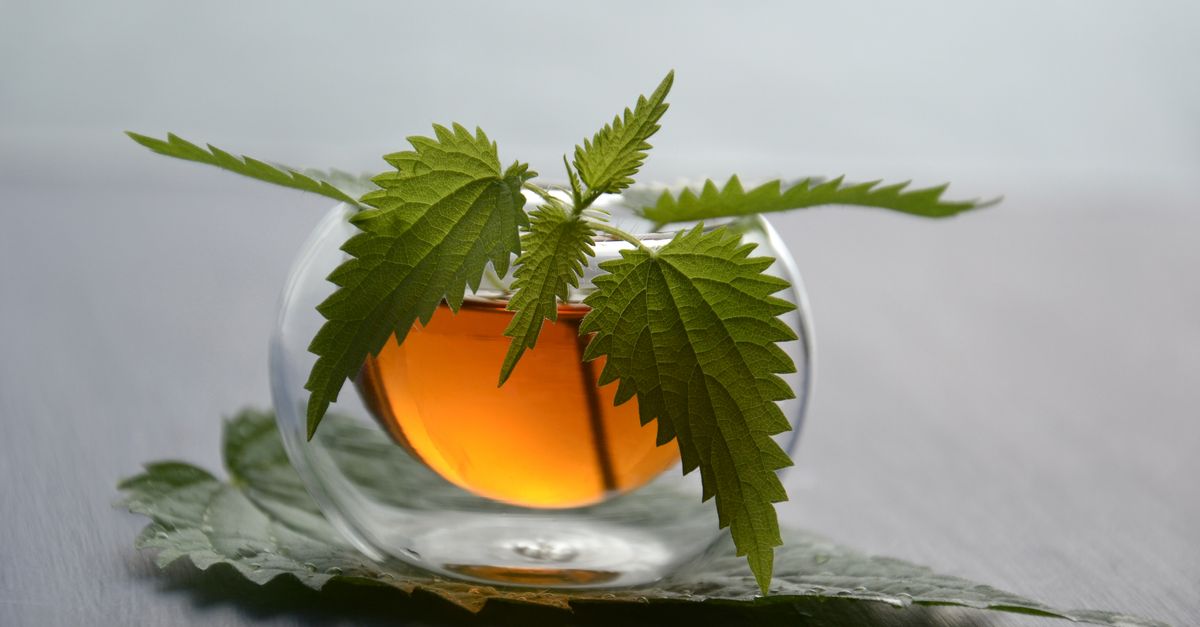
Earthy, green and surprisingly nourishing, nettle tea is a traditional herbal brew made from the stinging nettle plant. Though the fresh plant is famous for its sting, once dried or steeped, nettle becomes a gentle, mineral-rich tea with a long history of use as a natural tonic. It is a wholesome, grassy cup packed with nutrients.
Here are the key nettle tea benefits, an easy nettle tea recipe with prep and steep times, and tips to enjoy it at its best.
What is nettle tea?
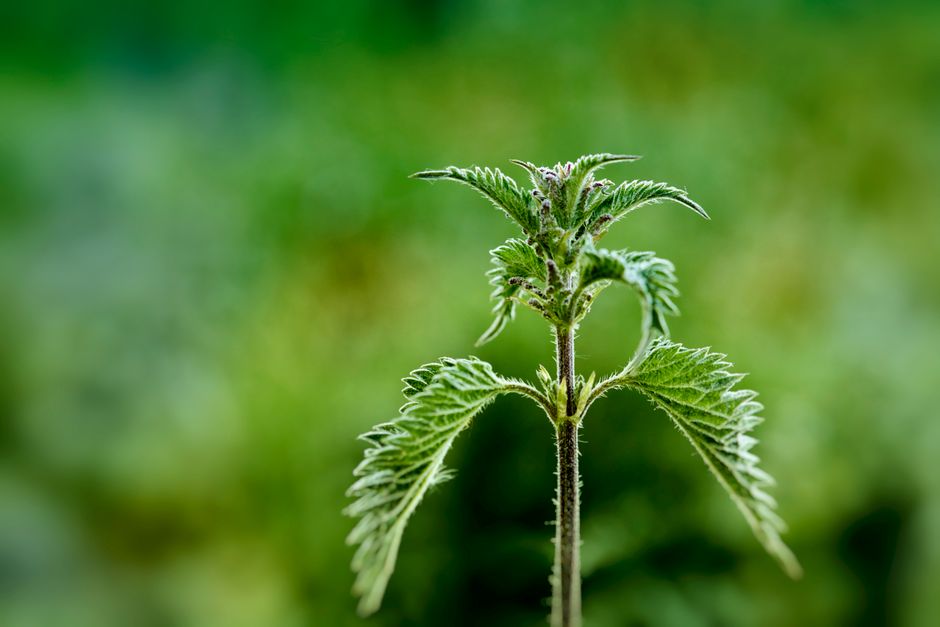
Nettle tea is a herbal infusion made from the leaves of the stinging nettle, a wild plant that grows abundantly across many parts of the world. While the fresh plant’s tiny hairs can sting on contact, drying, cooking or steeping the leaves completely neutralizes the sting, leaving a safe, nourishing tea.
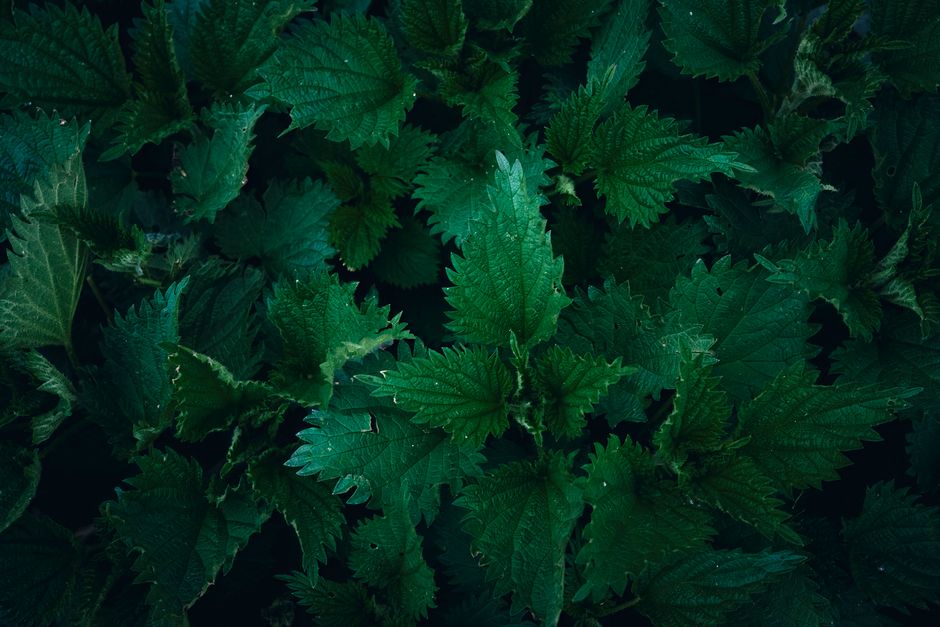
Nettle has been used for centuries in traditional herbalism as a nutritive tonic, valued for its impressive mineral content. The tea has an earthy, grassy, slightly green flavor, a little like a mild green tea without the bitterness. Naturally caffeine-free, nettle tea is enjoyed both for its gentle taste and its long-standing reputation as a wholesome, restorative drink.
The benefits of nettle tea
Behind its earthy flavor, nettle tea offers several appealing benefits.
- Rich in minerals — nettle provides iron, magnesium and calcium.
- Contains antioxidants — helping protect against everyday damage.
- Traditionally anti-inflammatory — long used to support the body.
- Caffeine-free — a gentle, nourishing drink any time of day.
- A natural nutritive tonic — valued as a restorative herbal brew.
As WebMD notes, stinging nettle is rich in nutrients and has traditional uses for supporting the body, though more research is ongoing.
A mineral-rich nutritive tonic
The standout nettle tea benefit is its remarkable nutrient density, which has earned it a reputation as a natural nutritive tonic. Nettle leaves are genuinely rich in minerals, including iron, magnesium, calcium and potassium, along with vitamins and antioxidants.
This is why herbalists have long recommended nettle as a gentle, restorative drink to support overall vitality, particularly for replenishing minerals. While the amounts you get from a cup of tea are modest, nettle remains one of the more nutrient-dense herbal teas you can enjoy. As a wholesome, caffeine-free brew, it complements a diet rich in iron-rich foods and other nourishing choices.
Easy nettle tea recipe
Nettle tea is simple to make from dried or fresh leaves.
Ingredients
- 1 tablespoon dried nettle leaves (or a handful fresh)
- 1 cup boiling water
- Honey or lemon to taste (optional)
Instructions
- Place the nettle leaves in a cup or teapot.
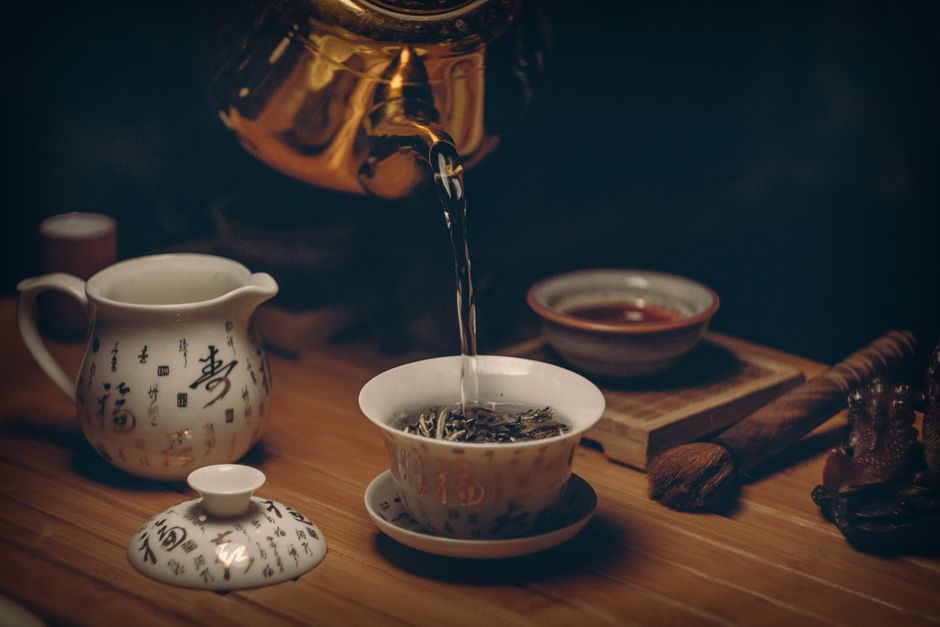
- Pour over the boiling water and cover.
- Steep for 5 minutes, strain, then sweeten if desired and enjoy.
Handling nettle safely
The most common question about nettle tea is about the sting, and the good news is that the tea is completely safe and sting-free. Stinging nettle’s tiny hairs deliver their sting only on contact with the fresh, raw plant; the moment nettle is dried, cooked or steeped in hot water, the sting is entirely neutralized.
So while you would wear gloves to harvest fresh nettle, the dried leaves sold for tea are perfectly safe to handle, and the brewed tea has no sting whatsoever. If you forage your own nettle, simply wear gloves, pick young leaves, and dry or steep them before use. For most people, buying dried nettle tea is the easiest, foolproof way to enjoy this nourishing brew.
Is nettle tea good for you?
For most people, nettle tea is a gentle, nourishing and healthy choice. It is caffeine-free, calorie-free, rich in minerals and antioxidants, and valued as a traditional restorative tonic, making it a wholesome drink to enjoy regularly.
A few sensible notes: nettle may interact with certain medications, including blood thinners and diuretics, and pregnant women are often advised to be cautious, so it is wise to check with your doctor if any of these apply. For most healthy people, a daily cup is a nutrient-rich, soothing pleasure. Its earthy, grassy flavor pairs nicely with a little lemon or honey if you prefer.
Delicious ways to enjoy nettle tea
Nettle tea is lovely on its own and pairs well with other flavors.
- Nettle and lemon — a bright lift to its earthy flavor.
- Nettle and mint — a refreshing, green combination.
- Nettle and honey — a touch of soothing sweetness.
- Iced nettle tea — refreshing and grassy over ice.
- Nettle herbal blend — combined with other herbs for a tonic.
A squeeze of lemon brightens nettle’s earthy, green flavor beautifully.
When to enjoy nettle tea
Nettle tea suits many moments of the day. In the morning, it is a gentle, mineral-rich, caffeine-free way to start. In the afternoon, its earthy, grounding flavor offers a calming pause without any caffeine jitters.
As a restorative tonic, many people enjoy nettle tea regularly to support overall vitality and replenish minerals. Being caffeine-free, it is also fine in the evening as a soothing wind-down. Whenever you want a wholesome, nourishing and grounding cup, nettle tea is a quietly excellent choice.
Tips for the perfect cup
A few simple tips ensure a nourishing, flavorful nettle tea. Cover the cup or pot while it steeps to trap the goodness and aroma, and steep for a full five minutes — or longer for a stronger, more mineral-rich brew, as nettle does not turn bitter the way green tea can.
For an even more nutrient-dense tea, some people make a longer nettle infusion, steeping the leaves for an hour or more, which draws out more minerals. A squeeze of lemon brightens nettle’s earthy, grassy flavor, and a little honey rounds it out if you prefer a sweeter cup. If foraging your own, always wear gloves to harvest and use young leaves, then dry or steep them to remove the sting. Enjoy it fresh and warming.
Nettle tea is an earthy, nourishing and mineral-rich brew with a long history as a natural tonic. Caffeine-free and rich in iron, magnesium, calcium and antioxidants, it is a wholesome, restorative drink despite the fresh plant’s famous sting — which disappears entirely once steeped. Brew it from safe dried leaves, brighten it with lemon if you like, and enjoy this grounding green tea any time of day. It is one of the most nutrient-dense herbal teas around.
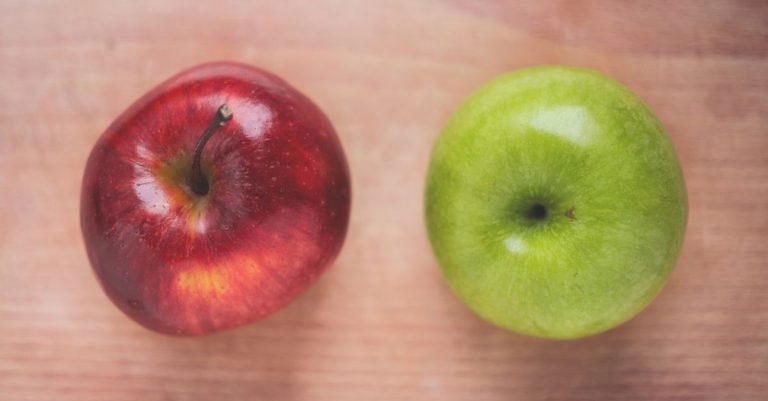
Nourishing and natural, the Green Apple way
We love wholesome, nutrient-rich ingredients and natural drinks made with real, quality components. Come explore our menu of juices, smoothies and feel-good wellness drinks.
Frequently asked questions
What are the benefits of nettle tea?
Nettle tea is caffeine-free and rich in minerals like iron, magnesium and calcium, plus antioxidants. It has long been used as a nutritive tonic and for its traditional anti-inflammatory support, making it a wholesome, restorative drink.
How do you make nettle tea?
Place 1 tablespoon of dried nettle leaves (or a handful of fresh) in a cup, pour over 1 cup of boiling water, cover and steep for 5 minutes. Strain and sweeten if desired. Total time is about 7 minutes.
Does nettle tea sting?
No. Stinging nettle only stings on contact with the fresh, raw plant. Drying, cooking or steeping completely neutralizes the sting, so dried nettle tea is safe to handle and the brewed tea has no sting at all.
Is nettle tea safe for everyone?
Nettle tea is gentle for most people, but it may interact with medications like blood thinners and diuretics, and pregnant women are often advised to be cautious. Check with your doctor if any of these apply to you.