Almonds Benefits: The Crunchy, Heart-Healthy Nut

Almonds Benefits: The Crunchy, Heart-Healthy Nut
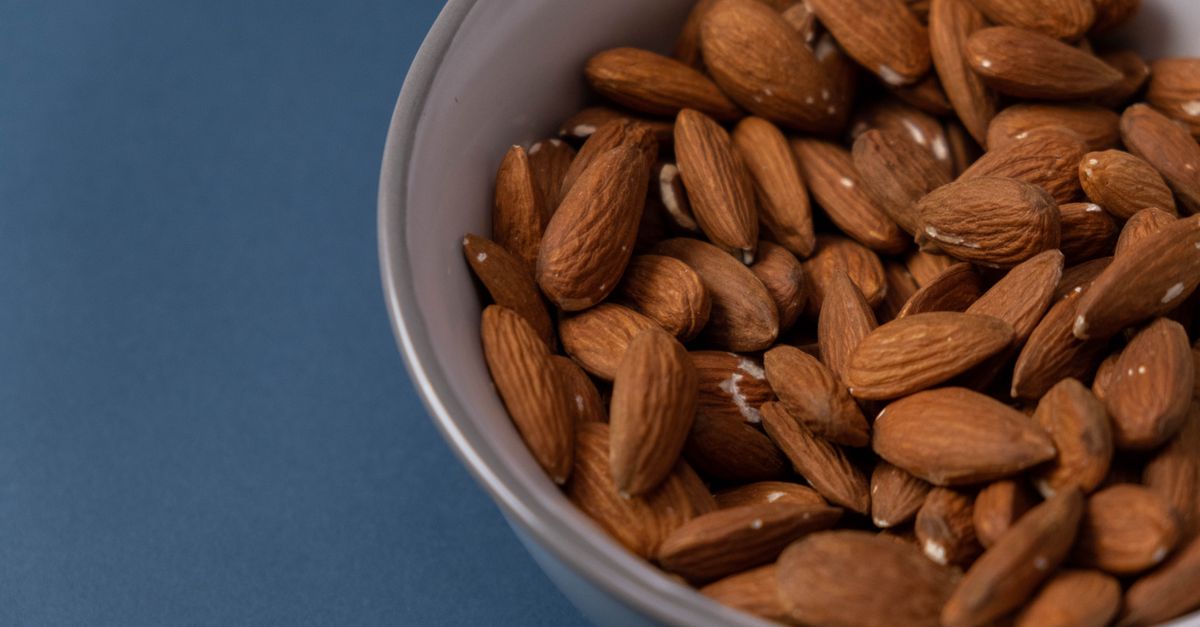
Crunchy, satisfying and wonderfully nutritious, almonds are one of the world’s most popular and beloved nuts. Packed with vitamin E, healthy fats, protein and fiber, they make a perfect snack and a versatile kitchen staple. From a simple handful to creamy almond butter and dairy-free milk, almonds bring both nutrition and delicious flavor to your day.
Here are the key almonds benefits, an easy homemade almond butter recipe with prep time, and tasty ways to enjoy them.
What makes almonds special?
Almonds are the edible seeds of the almond tree, technically a stone fruit related to peaches and cherries. Grown mainly in warm, sunny climates, they have been enjoyed for thousands of years and remain one of the most cherished nuts worldwide.
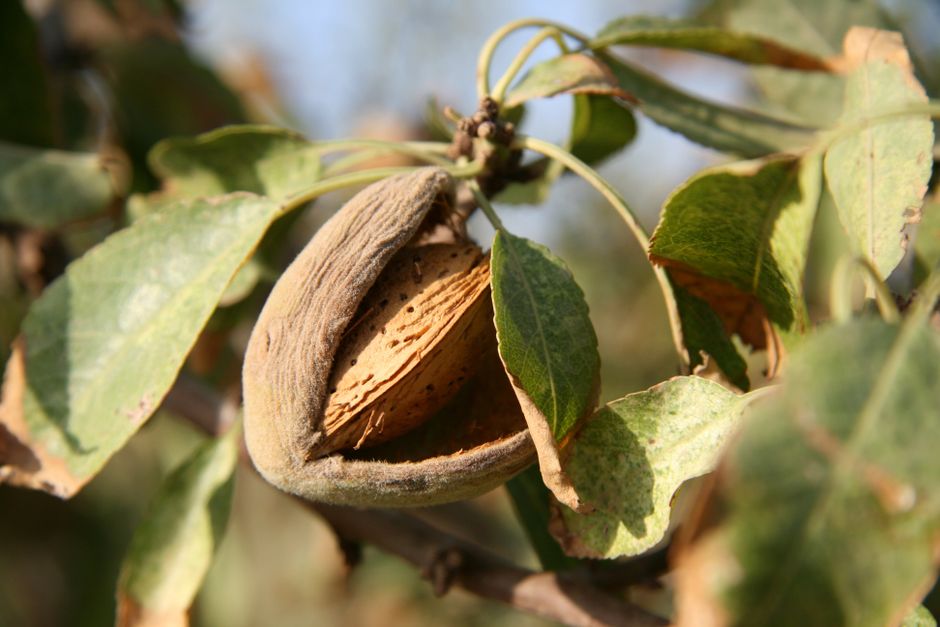
What sets almonds apart is their winning combination of satisfying crunch, mild buttery flavor and impressive nutrition. They are wonderfully versatile, eaten raw or roasted, ground into flour, blended into butter, or made into dairy-free milk. Affordable, portable and packed with nutrients, almonds are a true everyday superfood that fits into countless meals and snacks.
The benefits of almonds
Behind their satisfying crunch, almonds offer impressive nutrition.

- Exceptionally high in vitamin E — a powerful antioxidant for skin and cells.
- Rich in heart-healthy fats — mostly monounsaturated fats.
- Good source of protein and fiber — for fullness and steady energy.
- Provide magnesium — important for muscles, nerves and energy.
- May support heart health — linked to healthy cholesterol levels.
As WebMD notes, almonds are rich in vitamin E, healthy fats, protein and fiber, and are linked to benefits for heart health.
A heart-healthy, vitamin E powerhouse
Almonds stand out for two things: their heart-healthy fats and their exceptional vitamin E content. The fats in almonds are mostly monounsaturated, the same kind found in olive oil, which are associated with supporting healthy cholesterol levels and heart health.
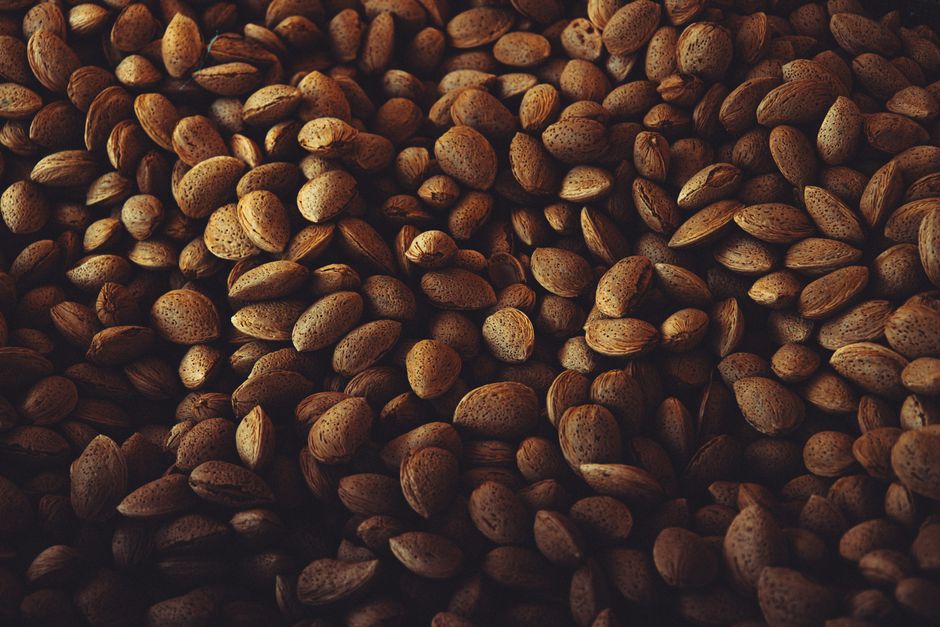
Almonds are also one of the very best food sources of vitamin E, a powerful fat-soluble antioxidant that protects your cells, supports your immune system and is wonderful for your skin. Just a small handful provides a generous portion of your daily needs. Together, these qualities make almonds a brilliant choice for heart-healthy eating.
Easy homemade almond butter
Making your own almond butter is surprisingly easy and tastes wonderfully fresh.
Ingredients
- 2 cups roasted almonds
- 1 pinch of salt
- 1 teaspoon honey (optional)
- 1 teaspoon oil if needed
Instructions
- Add the roasted almonds to a food processor.
- Blend, scraping down the sides, for about 8–10 minutes.
- Once smooth and creamy, blend in salt and honey, then store in a jar.
Raw vs. roasted almonds
Both raw and roasted almonds are nutritious, with a few differences worth knowing. Raw almonds retain all their nutrients in their most natural state and have a milder, slightly softer flavor, perfect for snacking, soaking or making homemade almond milk.
Roasted almonds have a deeper, richer, crunchier flavor that many people love, though high-heat roasting can slightly reduce some heat-sensitive nutrients. For the healthiest roasted option, choose dry-roasted almonds without added oils, and pick lightly salted or unsalted varieties to keep sodium in check. Both are excellent choices, so it comes down to your taste — and roasted almonds make especially delicious homemade almond butter.
Are almonds good for you?
For most people, almonds are a genuinely healthy and satisfying choice. They provide vitamin E, heart-healthy fats, protein, fiber and magnesium, supporting your heart, skin and steady energy, all in a convenient, portable form.

As with all nuts, the key is moderation, since almonds are calorie-dense; a small handful, about 23 almonds, is a perfect portion. Choosing raw or dry-roasted, unsalted almonds keeps them at their healthiest. Enjoyed as a snack, a butter or a milk, almonds are one of the most versatile and nourishing nuts you can add to a balanced diet, much like cashews and other nuts.
Delicious ways to enjoy almonds
Almonds shine in countless sweet and savory ways.
- A simple handful — a satisfying, portable snack.
- Almond butter — creamy and delicious on toast or in smoothies.
- Almond milk — a popular dairy-free milk.
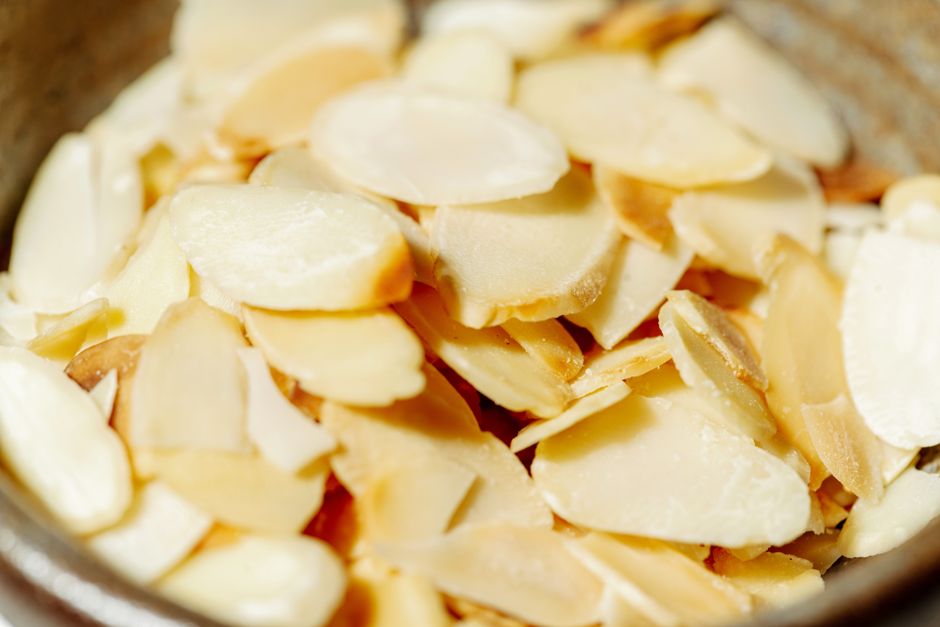
- Sliced on dishes — over salads, oatmeal and stir-fries.
- Almond flour — for grain-free baking.
A handful of almonds with a piece of fruit makes a perfectly balanced snack.
When to enjoy almonds
Almonds fit into many moments of the day. As a mid-morning or afternoon snack, a small handful satisfies hunger with protein, fiber and healthy fats. Before a workout, they provide steady, lasting energy.
At breakfast, almond butter or sliced almonds add nutrition and crunch to toast, oats and smoothies, while at dinner, they bring texture to salads and grain bowls. They are also a brilliant travel and lunchbox snack. However you enjoy them, almonds make healthy eating that little bit more delicious and satisfying.
Tips for buying and storing almonds
A few simple tips help you make the most of almonds. For snacking, choose raw or dry-roasted, unsalted almonds to keep them at their healthiest, and buy whole almonds for the longest shelf life, since ground almonds and almond flour spoil faster. Sliced or slivered almonds are handy for topping dishes.
Because almonds are rich in healthy fats, they keep best in an airtight container in a cool, dark place, or in the fridge or freezer for longer freshness, which helps prevent the oils from going rancid. Buy them in quantities you will use within a few months, and give them a quick smell before using — fresh almonds smell mild and sweet. Stored well, they stay crunchy and delicious for all your snacking and cooking.
Almonds are a crunchy, heart-healthy nut that earns its place as an everyday superfood. Rich in vitamin E, healthy fats, protein and fiber, they support your heart, skin and energy in the most satisfying way. Snack on a handful, blend them into creamy homemade butter, or sprinkle them over your favorite dishes. Enjoyed in sensible portions, almonds are one of the most versatile and nourishing nuts you can add to your day.
Wholesome crunch, the Green Apple way
We love adding wholesome nuts and seeds to our menu for natural crunch and nutrition. Come discover our nourishing bowls, smoothies and snacks made with real, quality ingredients.
Almonds are a heart-healthy nut that helps lower cholesterol — see more foods to lower cholesterol.
Frequently asked questions
What are the benefits of almonds?
Almonds are exceptionally high in vitamin E, rich in heart-healthy monounsaturated fats, and a good source of protein, fiber and magnesium. They support heart health, skin, immunity and steady energy.
How do you make almond butter?
Blend 2 cups of roasted almonds in a food processor for about 8-10 minutes, scraping down the sides, until smooth and creamy. Blend in a pinch of salt and honey if you like. Prep time is about 10 minutes.
How many almonds should you eat a day?
A small handful, about 23 almonds (roughly an ounce), is a perfect daily portion. Almonds are calorie-dense, so moderation is key, and choosing raw or dry-roasted, unsalted varieties keeps them healthiest.
Are raw or roasted almonds healthier?
Both are nutritious. Raw almonds retain all their nutrients naturally, while roasted have a richer flavor but may lose a little of some heat-sensitive nutrients. Choose dry-roasted without added oils and unsalted varieties for the healthiest roasted option.