Lemongrass Tea Benefits: Citrusy, Calming & Cleansing


Lemongrass Tea Benefits: Citrusy, Calming & Cleansing
Bright, citrusy and wonderfully aromatic, lemongrass tea is a refreshing herbal infusion beloved across Southeast Asia and beyond. Made from the fragrant lemongrass plant, this caffeine-free tea has a uplifting lemony aroma and a long tradition of use for digestion and relaxation. It is as soothing to sip as it is delicious.
Here are the key lemongrass tea benefits, an easy lemongrass tea recipe with prep and steep times, and tips to enjoy it at its best.
What is lemongrass tea?
Lemongrass tea is a herbal infusion made by steeping or simmering the stalks and leaves of the lemongrass plant in hot water. Lemongrass is a tall, fragrant grass widely used in Thai, Vietnamese and other Asian cuisines, prized for its fresh, citrusy aroma and flavor.
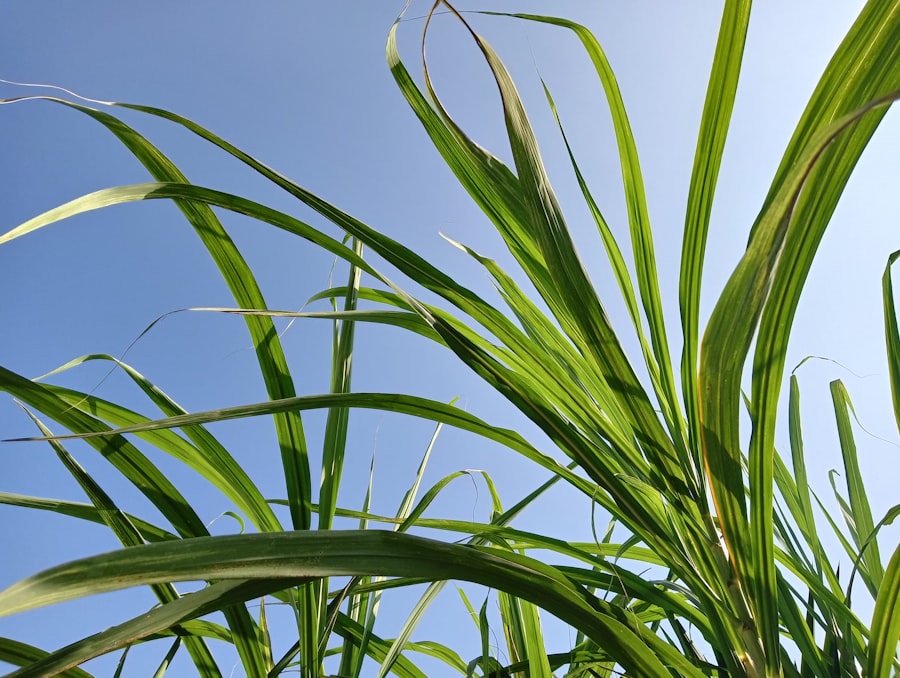
Despite its lemony scent, lemongrass is not related to lemons; its citrusy character comes from natural aromatic compounds. The resulting tea is light, refreshing and naturally caffeine-free, with a clean, uplifting flavor. Long valued in traditional medicine, lemongrass tea is enjoyed both for its taste and its soothing, cleansing reputation.
The benefits of lemongrass tea
Behind its citrusy aroma, lemongrass tea offers several appealing benefits.
- Soothes digestion — traditionally used to ease bloating and an upset stomach.
- Rich in antioxidants — containing beneficial plant compounds.
- Calming aroma — its citrusy scent is naturally relaxing.
- Caffeine-free and hydrating — a flavorful, calorie-free drink.
- May support healthy fluid balance — traditionally used as a gentle diuretic.
As Healthline reports, lemongrass tea contains antioxidants and is traditionally used to support digestion and overall wellbeing.
A soothing, cleansing tradition
Lemongrass tea has long been valued as a gentle, cleansing drink, and much of that reputation centers on digestion and hydration. In traditional practice, it has been used to ease digestive discomfort, calm bloating, and act as a mild, natural diuretic that supports healthy fluid balance.

Its antioxidants add to its appeal, helping protect cells from everyday oxidative stress. Combined with its bright, uplifting aroma, which many find naturally calming, lemongrass tea makes a lovely, refreshing drink to support digestion and relaxation. It fits beautifully into a routine that includes other gut-friendly habits.
Easy lemongrass tea recipe
This bright, citrusy tea is simple to make from fresh or dried lemongrass.
Ingredients
- 1 stalk fresh lemongrass (or 1 tablespoon dried)
- 1 cup water
- Honey to taste (optional)
- A slice of ginger (optional)
Instructions
- Trim and bruise the lemongrass stalk, then chop it.
- Simmer in the water for about 5 minutes.
- Strain, sweeten with honey if desired, and serve.

Fresh vs. dried lemongrass
Both fresh and dried lemongrass make a lovely tea, with a slight difference in flavor and method. Fresh lemongrass stalks give the brightest, most vibrant citrusy flavor; simply trim the woody ends, peel away any tough outer layers, bruise the stalk to release its oils, and chop before simmering.
Dried lemongrass is more convenient and keeps well in the cupboard, perfect for steeping like a regular tea whenever you fancy a cup. Fresh lemongrass benefits from a short simmer to draw out its flavor, while dried can simply be steeped in hot water. Either way, bruising or chopping the lemongrass helps release its fragrant, citrusy oils for the best-tasting tea.
Is lemongrass tea good for you?
For most people, lemongrass tea is a refreshing, healthy and soothing choice. It is caffeine-free, calorie-free, rich in antioxidants, and traditionally valued for supporting digestion, making it a lovely swap for sugary drinks.

A couple of gentle notes: pregnant women are often advised to avoid medicinal amounts of lemongrass, and anyone with a specific health condition should check with their doctor. For everyone else, a daily cup is a flavorful, hydrating way to enjoy its bright citrus aroma and soothing qualities. Hot or iced, it is one of the most uplifting herbal teas around.
Delicious ways to enjoy lemongrass tea
Lemongrass tea is wonderful on its own and pairs beautifully with other flavors.
- Lemongrass and ginger — a warming, extra-soothing combination.
- Lemongrass and honey — a touch of natural sweetness.
- Iced lemongrass tea — refreshing and cooling on hot days.
- Lemongrass and mint — doubly refreshing and aromatic.
- Lemongrass and lime — an extra citrusy, zingy lift.
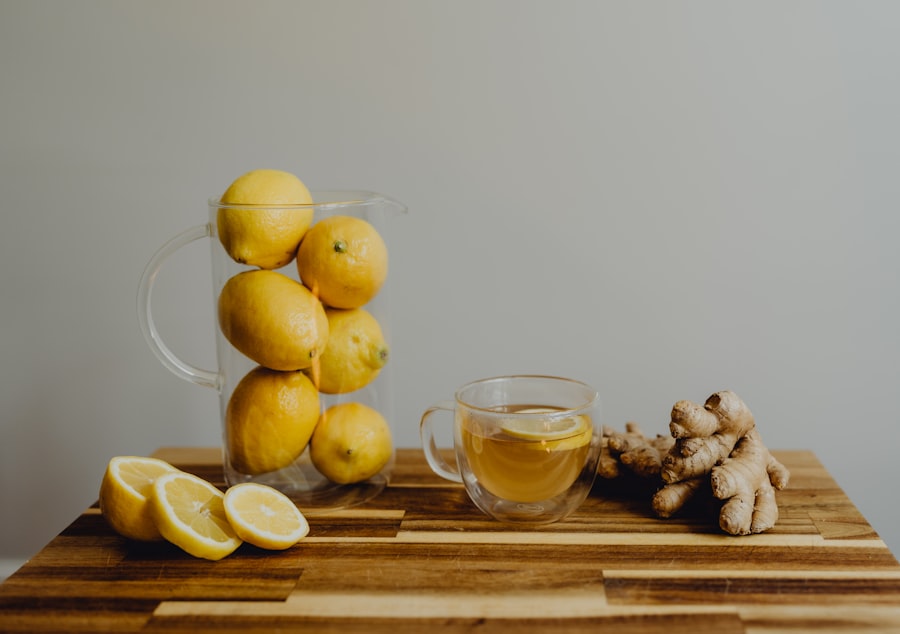
Lemongrass and ginger is a classic, soothing pairing worth trying.
When to enjoy lemongrass tea
Lemongrass tea suits many moments of the day. After a meal, it is a soothing, traditional digestive that helps you feel light and comfortable. In the afternoon, its bright, uplifting aroma offers a refreshing, caffeine-free lift.
In the evening, a warm cup is a calming way to unwind, its citrusy scent gently relaxing. On a hot day, iced lemongrass tea is wonderfully cooling and thirst-quenching. Whether you want a digestive aid, a refreshing drink or a calming ritual, lemongrass tea fits beautifully into your routine.
Tips for the perfect cup
A few simple tips ensure a delicious, aromatic brew. Always bruise or chop fresh lemongrass before brewing to release its fragrant oils, and give it a short simmer rather than a quick steep to fully draw out its citrusy flavor.
For dried lemongrass, steep it covered to trap the aromatic compounds. Add a slice of fresh ginger for warmth and extra soothing power, and taste before sweetening, since the tea is lovely on its own. For iced tea, brew it stronger to allow for melting ice, and serve over plenty of ice with a sprig of mint. Enjoy it fresh for the brightest flavor.
Growing and storing lemongrass
One of the joys of lemongrass tea is that the plant is easy to grow and keep on hand. Lemongrass thrives in warm climates like Miami’s, growing happily in a sunny spot in the garden or a large pot, and it multiplies readily, giving you a steady supply of fresh stalks for tea and cooking.
If you buy lemongrass from the store, the stalks keep for a couple of weeks in the fridge, or you can chop and freeze them for several months without losing much flavor. Dried lemongrass, meanwhile, stores well in an airtight container in a cool, dark place. With a little lemongrass always within reach, a fresh, fragrant cup of tea is never more than a few minutes away.
Lemongrass tea is a bright, citrusy and cleansing herbal infusion that delights the senses and soothes the body. Caffeine-free and rich in antioxidants, it is traditionally valued for easing digestion and offering a calming, uplifting aroma. Brew it from fresh or dried lemongrass, bruise the stalks to release their oils, and enjoy it hot or iced. Refreshing, fragrant and soothing, it is one of the most uplifting teas you can sip.
Bright and refreshing, the Green Apple way
We love drinks that refresh and soothe with real, natural ingredients — nothing artificial. Come explore our menu of juices, smoothies and wellness drinks made with the same care.
For another nourishing herbal tonic, discover mineral-rich nettle tea.
Frequently asked questions
What are the benefits of lemongrass tea?
Lemongrass tea is caffeine-free and rich in antioxidants, and is traditionally used to soothe digestion, ease bloating and act as a mild diuretic. Its citrusy aroma is also naturally calming and uplifting.
How do you make lemongrass tea?
Trim and bruise 1 stalk of fresh lemongrass (or use 1 tablespoon dried), chop it, and simmer in 1 cup of water for about 5 minutes. Strain and sweeten with honey if desired. Total time is about 10 minutes.
Is lemongrass tea good for digestion?
Yes, traditionally. Lemongrass tea has long been used to ease digestive discomfort and bloating, and its antioxidants and soothing aroma add to its appeal as a gentle, cleansing drink.
Does lemongrass tea have caffeine?
No. Lemongrass tea is a herbal infusion made from the lemongrass plant, not tea leaves, so it is naturally caffeine-free and can be enjoyed any time, including the evening.