Potassium-Rich Foods: Top Sources Beyond the Banana
Potassium-Rich Foods: Top Sources Beyond the Banana
When most people think of potassium, they think of bananas — but this essential mineral is found in a wide range of delicious foods, many of which contain even more than a banana. Potassium is vital for a healthy heart, strong muscles and balanced fluids, yet many people do not get enough. Happily, eating more is easy and tasty.
Here are the best potassium-rich foods beyond the banana, why this mineral matters, and an easy potassium-packed smoothie recipe with prep time.
Why potassium matters
Potassium is an essential mineral and electrolyte that your body relies on every single day. It helps regulate fluid balance, supports healthy muscle contractions and nerve signals, and plays a crucial role in keeping your heart beating steadily.
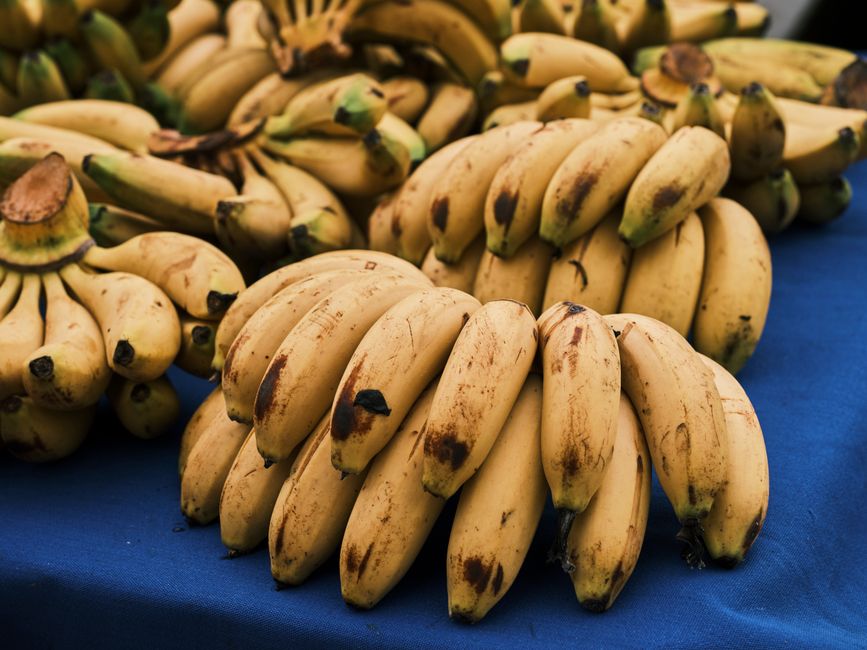
Perhaps its most celebrated role is in supporting healthy blood pressure, as potassium helps balance the effects of sodium in the body. Despite this, many people fall short of the recommended intake, partly because diets high in processed foods tend to be low in potassium and high in salt. Eating more potassium-rich whole foods is a simple way to support your heart and overall health.
The benefits of potassium
Getting enough potassium benefits your body in several key ways.
- Supports healthy blood pressure — by balancing sodium’s effects.
- Promotes heart health — helping maintain a steady heartbeat.
- Aids muscle function — important for contractions and preventing cramps.
- Maintains fluid balance — working as a key electrolyte.
- Supports nerve signals — essential for communication in the body.
As Medical News Today notes, potassium is vital for heart health, muscle function and blood pressure, and most people benefit from eating more potassium-rich foods.
The best potassium-rich foods
Many whole foods are excellent sources of potassium — some with even more than a banana. Variety makes getting enough easy and delicious.
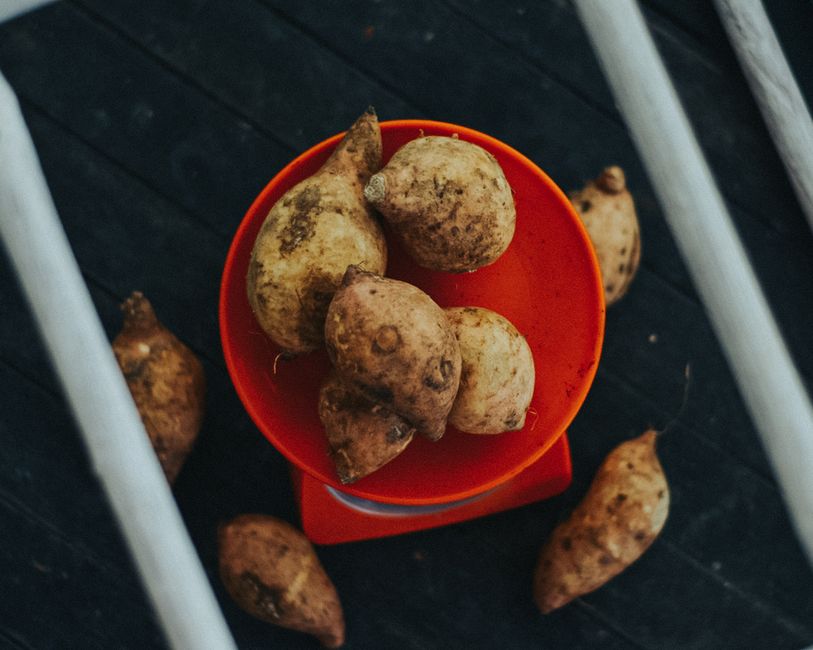
- Sweet potatoes — one potato can beat a banana for potassium.
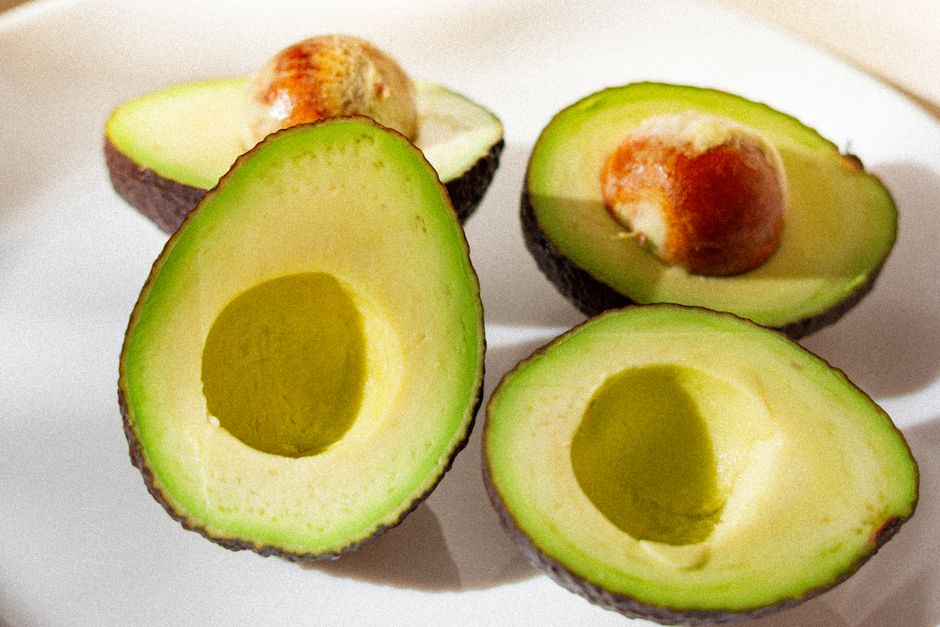
- Avocado — creamy, nutritious and surprisingly potassium-rich.
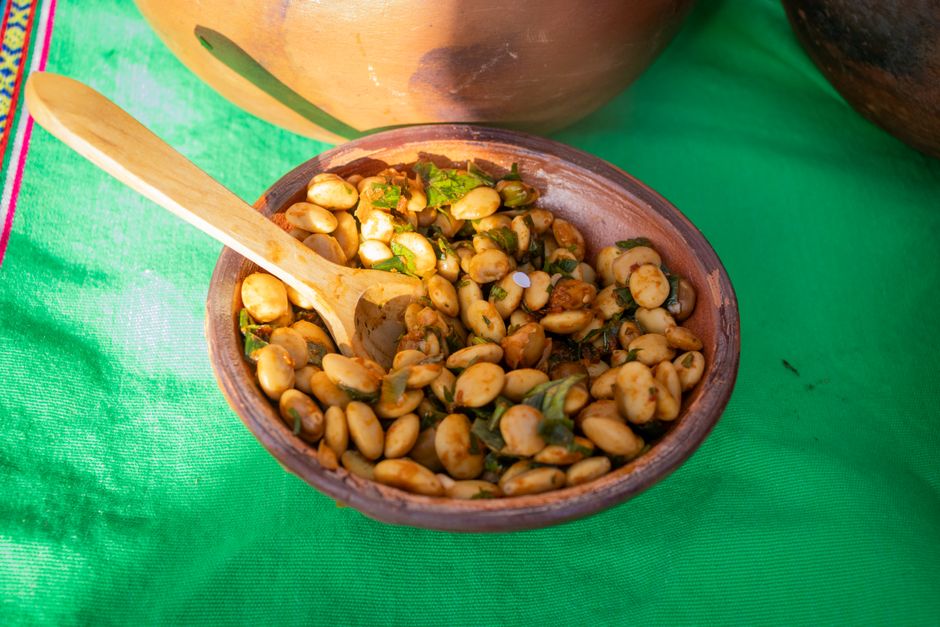
- White beans and legumes — among the highest plant sources.
- Spinach and leafy greens — nutrient-dense and versatile.
- Bananas — the classic, convenient potassium snack.
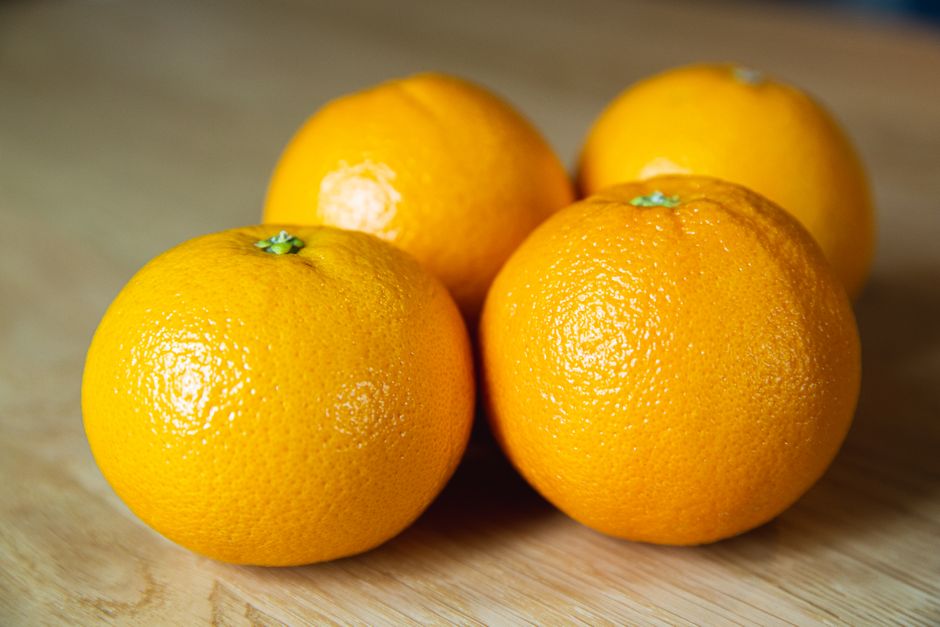
- Oranges and coconut water — hydrating, potassium-rich options.
Our beetroot guide covers another mineral-rich vegetable worth adding to your plate.
Easy potassium smoothie recipe
This creamy green smoothie combines several potassium-rich foods into one refreshing glass.
Ingredients
- 1 banana
- 1 handful spinach
- ½ avocado
- 1 cup coconut water
- ½ cup orange juice
- A few ice cubes
Instructions
- Add all the ingredients to a blender.
- Blend until smooth and creamy.
- Pour and enjoy this potassium-packed smoothie.
Potassium and sodium: the balancing act
One of the most important things to understand about potassium is its relationship with sodium. These two minerals work together to regulate fluid balance and blood pressure, and the balance between them matters as much as the amount of either one.
Most modern diets are far too high in sodium, largely from processed and packaged foods, and too low in potassium from whole foods. This imbalance can contribute to higher blood pressure over time. Eating more potassium-rich whole foods while cutting back on heavily processed, salty foods helps restore a healthier balance, supporting your heart. It is one of the simplest dietary shifts you can make for long-term wellbeing.
How to get enough potassium
Meeting your potassium needs is easy with a varied, whole-food diet, and you have plenty of tasty options. Aim to include potassium-rich foods across your meals rather than relying on any single source.
Enjoy sweet potatoes and beans in your dinners, add avocado and spinach to meals and smoothies, snack on fruit like bananas and oranges, and hydrate with coconut water after exercise. Because potassium is found in so many whole foods, a diet built around vegetables, fruits, legumes and whole grains naturally provides plenty. Cutting back on processed foods at the same time supports the all-important potassium-sodium balance.
Easy ways to add more potassium
Small swaps and additions make boosting potassium simple.
- Swap to sweet potato — a potassium-rich side or base.
- Add avocado — to toast, salads and smoothies.
- Include beans — in soups, stews and salads.
- Blend leafy greens — into your daily smoothie.
- Hydrate with coconut water — a natural electrolyte drink.
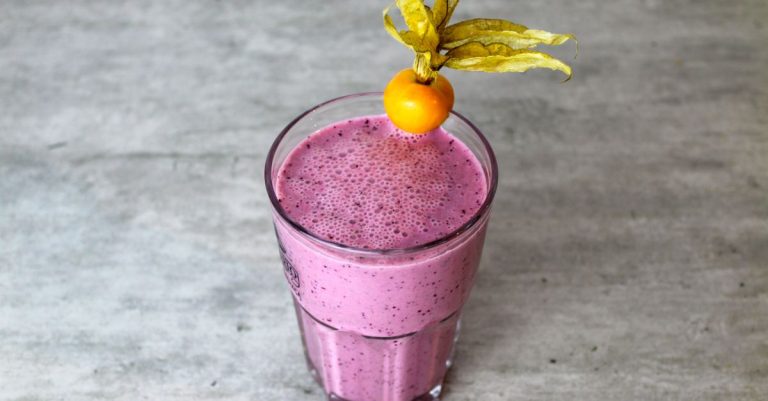
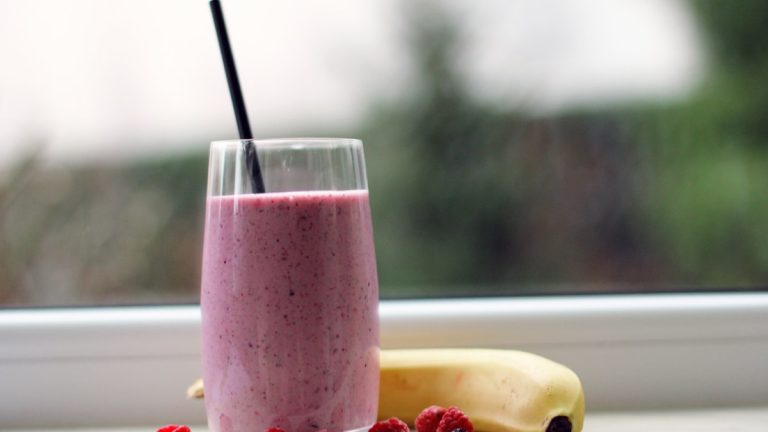
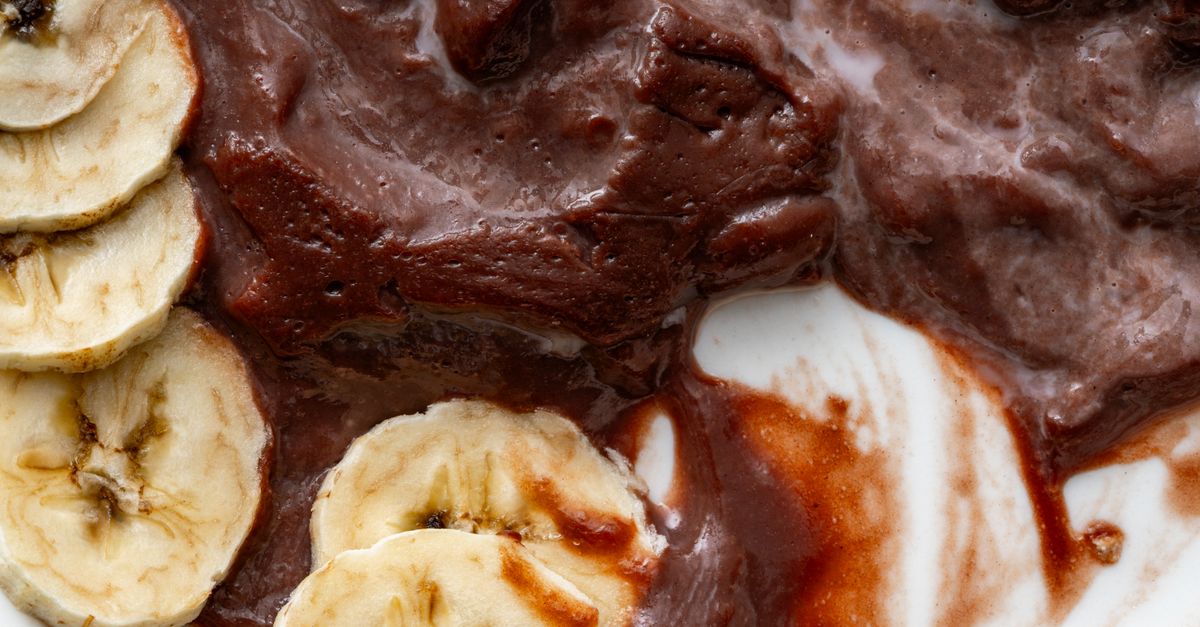
A potassium-rich smoothie is a refreshing way to combine several sources at once.
A note on potassium and the kidneys
For most healthy people, getting plenty of potassium from food is entirely safe and beneficial, as the kidneys keep levels carefully balanced and remove any excess. Eating potassium-rich fruits, vegetables and legumes is something the vast majority of us should do more of, not less.
There is one important exception worth mentioning: people with kidney disease, or those taking certain medications that affect potassium, may need to monitor or limit their intake, because their bodies cannot regulate potassium as effectively. If that applies to you, it is essential to follow your doctor’s guidance rather than simply eating more. For everyone else, though, a diet rich in whole-food potassium is one of the simplest and most worthwhile steps you can take for heart health.
When potassium matters most
Potassium supports your body every day, but certain times call for extra attention. After exercise, when you lose electrolytes through sweat, potassium-rich foods and drinks help with recovery and rehydration. For heart health, a consistently potassium-rich diet supports healthy blood pressure over the long term.
During hot weather, especially in a climate like Miami, replacing electrolytes lost through sweat is important. And whenever you are cutting back on processed foods, leaning into potassium-rich whole foods helps restore balance. Keeping these foods in your routine ensures your heart and muscles stay well supported.
Potassium is a heart-loving, muscle-supporting mineral that does far more than most people realize — and there is a whole world of potassium-rich foods beyond the humble banana. Sweet potatoes, avocado, beans, leafy greens, oranges and coconut water are all excellent sources. By building your meals around these whole foods and easing up on salty processed ones, you can support healthy blood pressure and overall wellbeing, one delicious bite at a time.
Heart-smart and fresh, the Green Apple way
Our menu is full of potassium-rich whole foods like leafy greens, avocado and fresh fruit. Come discover smoothies, bowls and juices that support your heart and energy deliciously.
For another bone- and muscle-supporting mineral, see the best calcium-rich foods.
Frequently asked questions
What foods are high in potassium?
Many foods beat the banana for potassium, including sweet potatoes, avocado, white beans and other legumes, spinach and leafy greens, oranges and coconut water. Variety makes getting enough easy.
Why is potassium important?
Potassium is an essential electrolyte that supports healthy blood pressure, a steady heartbeat, muscle function, fluid balance and nerve signals. It works with sodium to regulate fluids and pressure in the body.
How do you make a potassium smoothie?
Blend 1 banana, a handful of spinach, ½ avocado, 1 cup coconut water and ½ cup orange juice with ice until smooth. It combines several potassium-rich foods and takes about 5 minutes.
Is potassium good for blood pressure?
Yes. Potassium helps balance the effects of sodium in the body, which supports healthy blood pressure. Eating more potassium-rich whole foods while cutting back on salty processed foods helps restore a healthier balance.