Iron-Rich Foods: What to Eat to Beat Fatigue
Iron-Rich Foods: What to Eat to Beat Fatigue
If you often feel tired, run-down or low on energy, your iron intake could be part of the story. Iron is an essential mineral that helps your blood carry oxygen around your body, and falling short is one of the most common nutritional gaps — especially for women. The good news is that the right foods can help.
Here are the best iron-rich foods, how to boost your absorption, and an easy iron-boosting salad recipe with prep time.
Why iron matters
Iron plays a vital role in your body: it is a key part of hemoglobin, the protein in your red blood cells that carries oxygen from your lungs to the rest of your body. Without enough iron, your body cannot make enough healthy red blood cells.
This is why low iron often shows up as fatigue, weakness, pale skin and difficulty concentrating. Getting enough iron supports your energy, focus and overall vitality, making iron-rich foods an important part of a healthy diet, especially for women, who have higher needs.
The best iron-rich foods
Iron comes from both animal and plant foods, and the best sources are worth knowing.
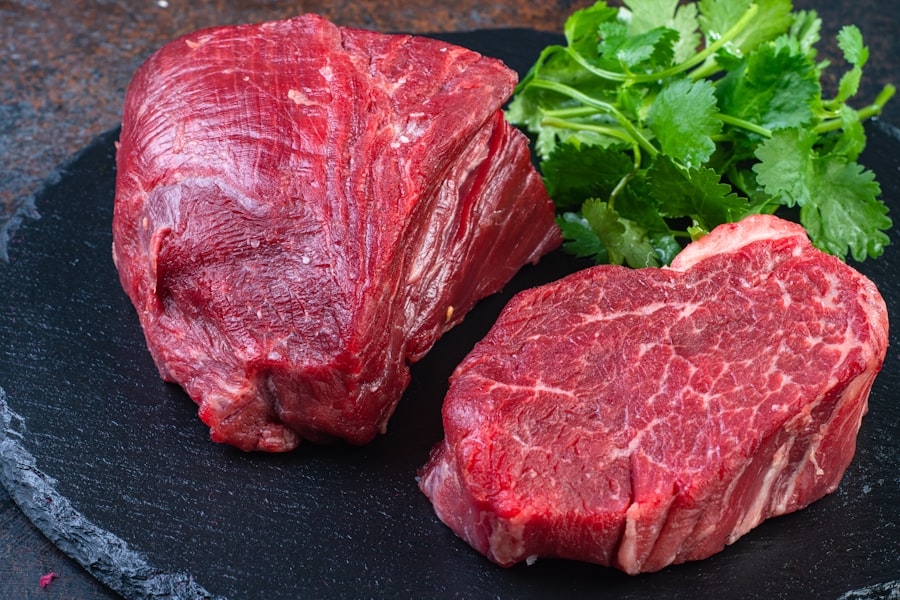
- Lean red meat — one of the best sources of easily absorbed heme iron.
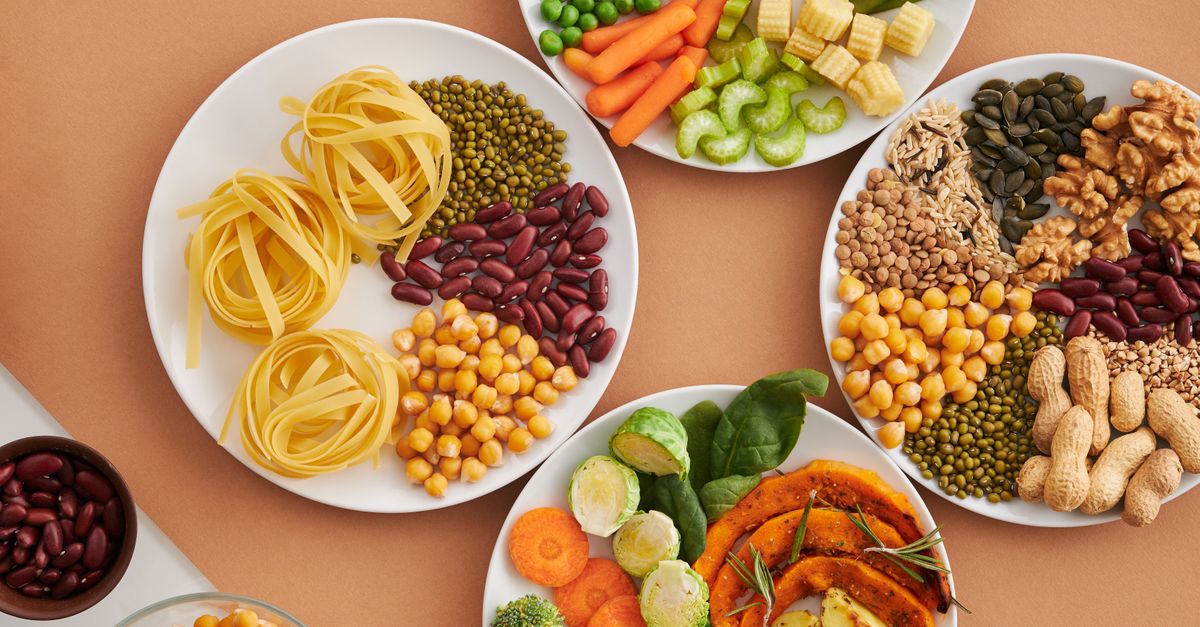
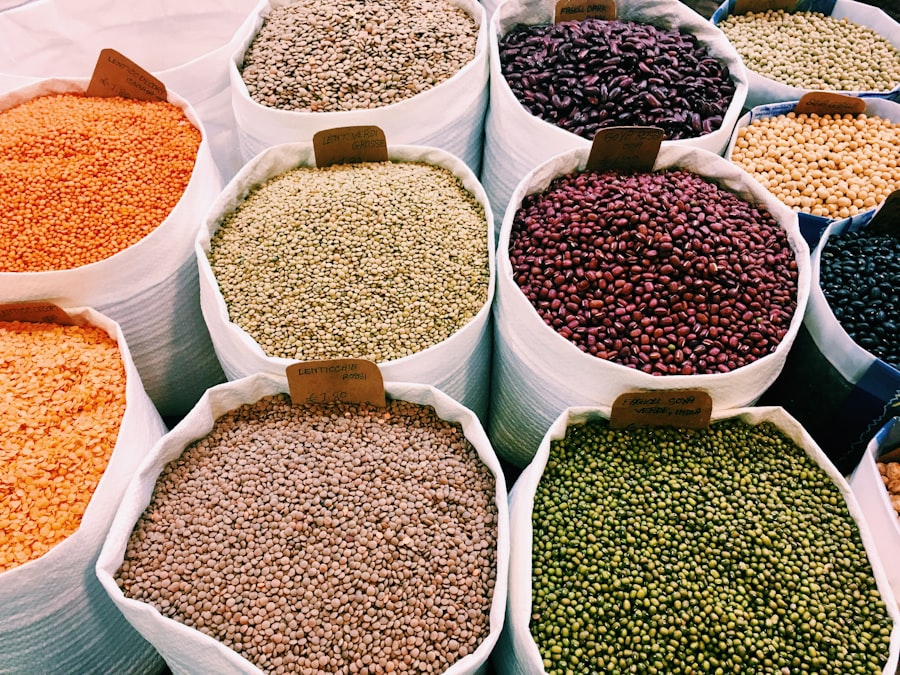
- Lentils and beans — excellent plant sources of iron and fiber.
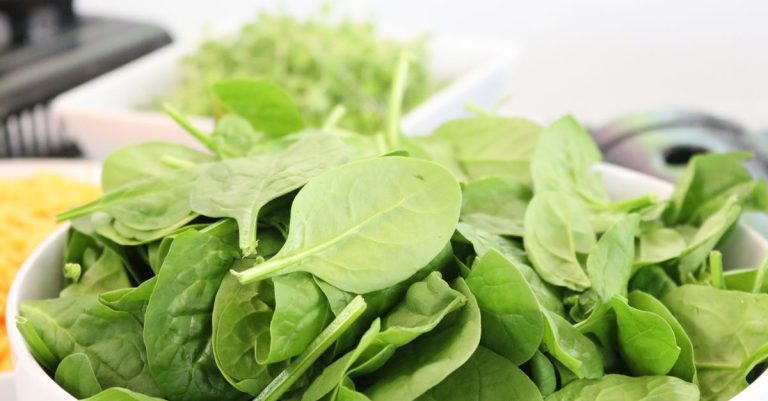
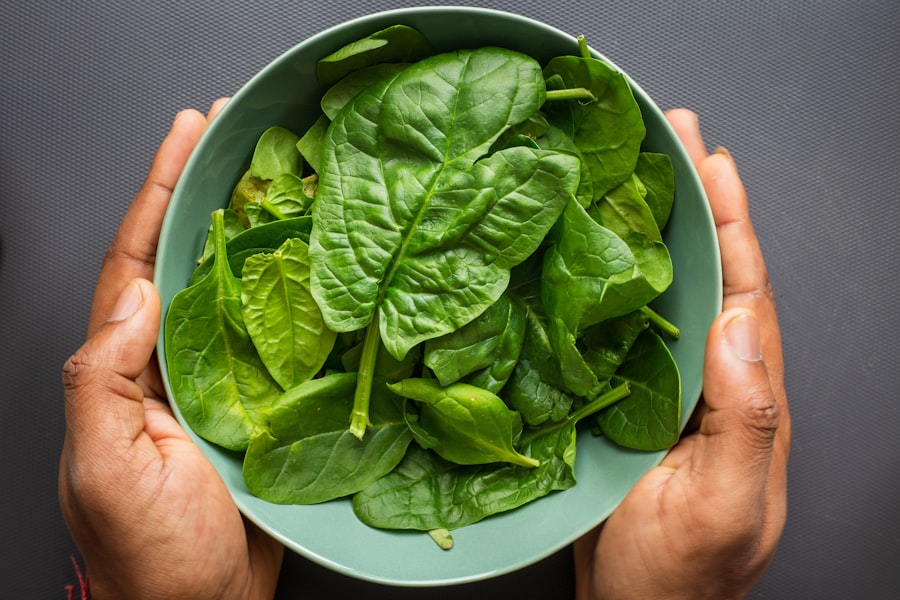
- Spinach and leafy greens — rich in plant iron and other nutrients.
- Pumpkin seeds — one of the best snack sources of iron.
- Tofu — a good plant-based, iron-rich protein.
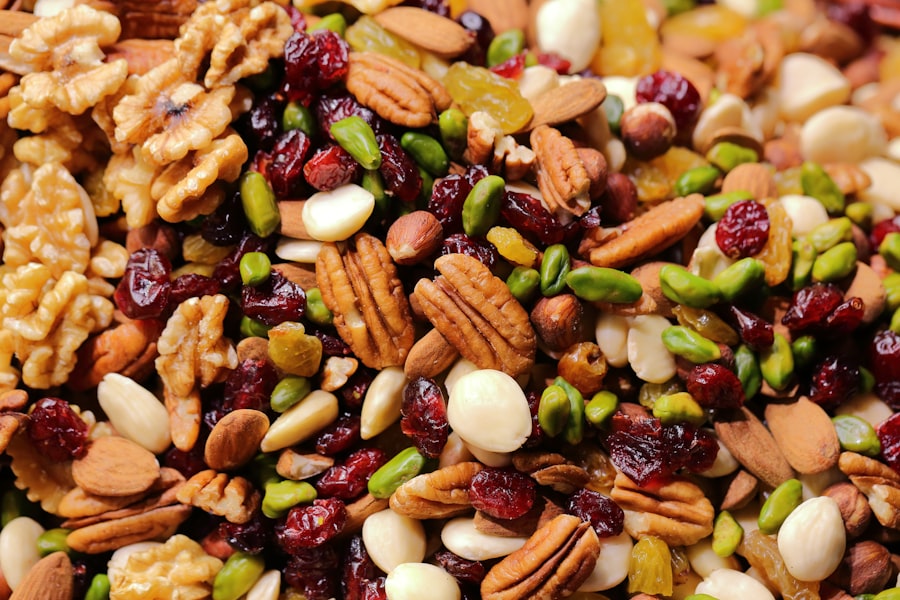
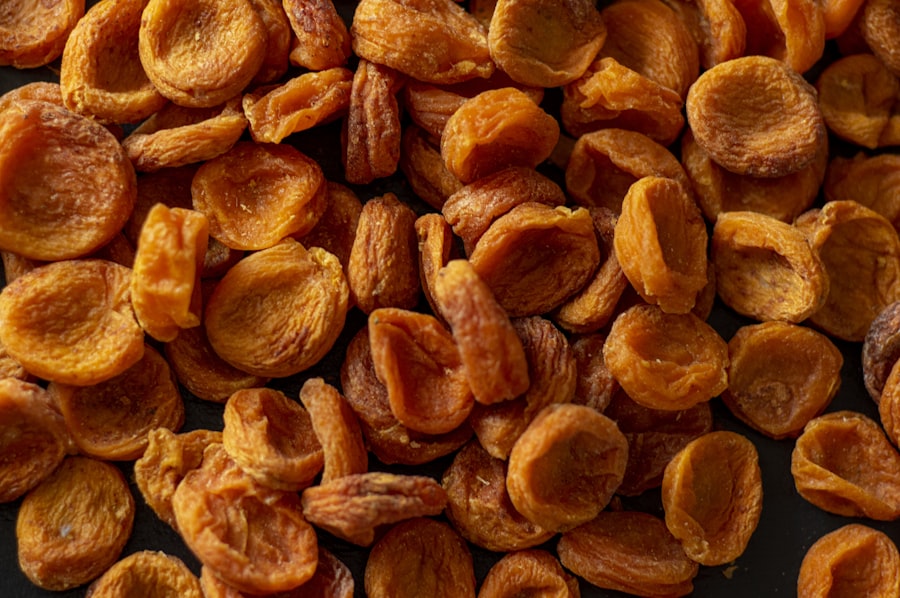
- Dried fruit — apricots and raisins provide a concentrated dose.
As Healthline explains, foods like lean meat, lentils, spinach, tofu and pumpkin seeds are among the best sources of iron.
Heme vs. non-heme iron
There are two types of dietary iron, and understanding the difference is helpful. Heme iron, found in animal foods like meat and fish, is absorbed easily and efficiently by your body.
Non-heme iron, found in plant foods like beans, lentils, spinach and seeds, is absorbed less easily on its own. This does not mean plant sources are not valuable — far from it — but it does mean that vegetarians, vegans and anyone relying on plant iron should pay attention to absorption, which is easily boosted with a simple trick we will cover next. Plant iron is a cornerstone of any plant-based diet.
The vitamin C trick
Here is the single most useful tip for getting more iron from your food, especially plant sources: pair iron-rich foods with vitamin C. Vitamin C dramatically increases the absorption of non-heme iron.
This is wonderfully easy to do in practice. Squeeze lemon over your spinach, add strawberries or orange segments to a salad with beans, or enjoy a vitamin-C-rich kiwi with an iron-rich meal. This simple pairing, as in the recipe below, can significantly boost how much iron your body actually absorbs from your food.
Easy iron-boosting salad recipe
This salad combines plant iron with vitamin C for maximum absorption, all in ten minutes.
Ingredients
- 4 cups fresh spinach
- ½ cup cooked lentils or chickpeas
- ¼ cup pumpkin seeds
- ½ cup strawberries or orange segments
- Olive oil and lemon to dress
Instructions
- Combine the spinach, lentils and pumpkin seeds in a bowl.
- Add the strawberries or orange for vitamin C.
- Dress with olive oil and lemon, and enjoy.
Iron for vegetarians and vegans
Vegetarians and vegans can absolutely meet their iron needs, but it takes a little awareness. Since plant iron is absorbed less easily, the focus should be on eating plenty of iron-rich plant foods and pairing them with vitamin C.
Excellent plant sources include lentils, beans, tofu, spinach, pumpkin seeds and fortified foods. Combining these with vitamin-C-rich fruits and vegetables at meals makes a real difference to absorption. With a varied, thoughtful diet, a plant-based eater can get plenty of iron, much like our guide to spinach benefits shows.
What hinders iron absorption?
Just as vitamin C boosts iron absorption, a few things can hinder it, which is worth knowing if your iron is low. Tea and coffee contain compounds called tannins that can reduce iron absorption, so it is best not to drink them with iron-rich meals.
Calcium can also compete with iron for absorption, so very high-calcium foods or supplements are best spaced apart from your main iron sources. None of this means you cannot enjoy these things — simply be mindful of timing them around your most iron-rich meals if you are working to boost your levels.
Signs you might need more iron
While only a doctor can diagnose low iron with a blood test, a few common signs are worth knowing. Persistent fatigue and weakness are the most common, along with pale skin, shortness of breath, dizziness and difficulty concentrating.
Some people also experience cold hands and feet or brittle nails. If you regularly experience these symptoms, especially if you are a woman, vegetarian or very active, it is worth speaking to your doctor. They can check your levels and advise whether dietary changes or a supplement would help.
Iron needs through life
Your iron needs change throughout life, which is worth understanding. Women of childbearing age have notably higher iron needs than men, due to monthly blood loss, and pregnancy increases needs further still.
Growing children and teenagers also need plenty of iron, as do endurance athletes, who can lose iron through intense training. After menopause, women’s iron needs drop closer to men’s. Being aware of where you are in life helps you judge how much attention to give iron-rich foods in your diet.
Can you have too much iron?
While low iron is common, it is also possible to get too much, usually from supplements rather than food. Excess iron can be harmful, which is why iron supplements should only be taken when a doctor has confirmed you need them.
Getting iron from food is safe and self-regulating for most people, as your body controls how much it absorbs. This is another reason to focus on iron-rich foods first, and to leave supplements to medical guidance.
Iron is a small mineral with a big impact on your energy and wellbeing. By including iron-rich foods like lean meat, lentils, spinach, tofu and pumpkin seeds in your diet — and pairing plant sources with vitamin C to boost absorption — you give your body what it needs to carry oxygen, fight fatigue and stay energized. A little attention to iron, especially for women and plant-based eaters, can make a real difference to how you feel.
Nourishing and energizing, the Green Apple way
We pack our smoothies, juices and bowls with iron-rich, nutrient-dense ingredients like leafy greens and seeds — no concentrates, no added sugar — so nourishing your body is easy and delicious. Explore more healthy food in Miami with us.
Frequently asked questions
What are the best iron-rich foods?
Lean red meat, lentils, beans, spinach and leafy greens, pumpkin seeds, tofu and dried fruit are among the best. Animal sources provide easily absorbed heme iron, while plant sources provide non-heme iron.
How can you boost iron absorption?
Pair iron-rich foods with vitamin C, which dramatically increases the absorption of plant (non-heme) iron. Squeeze lemon over spinach, add strawberries or orange to a bean salad, or enjoy a kiwi with an iron-rich meal.
What is the difference between heme and non-heme iron?
Heme iron, from animal foods like meat and fish, is absorbed easily. Non-heme iron, from plant foods like beans, spinach and seeds, is absorbed less easily — but pairing it with vitamin C boosts absorption significantly.
What are the signs of low iron?
Common signs include persistent fatigue and weakness, pale skin, shortness of breath, dizziness, difficulty concentrating, cold hands and feet, or brittle nails. Only a doctor can diagnose it with a blood test.