Sweet Potato Benefits: A Vibrant, Nutrient-Packed Root

Sweet Potato Benefits: A Vibrant, Nutrient-Packed Root
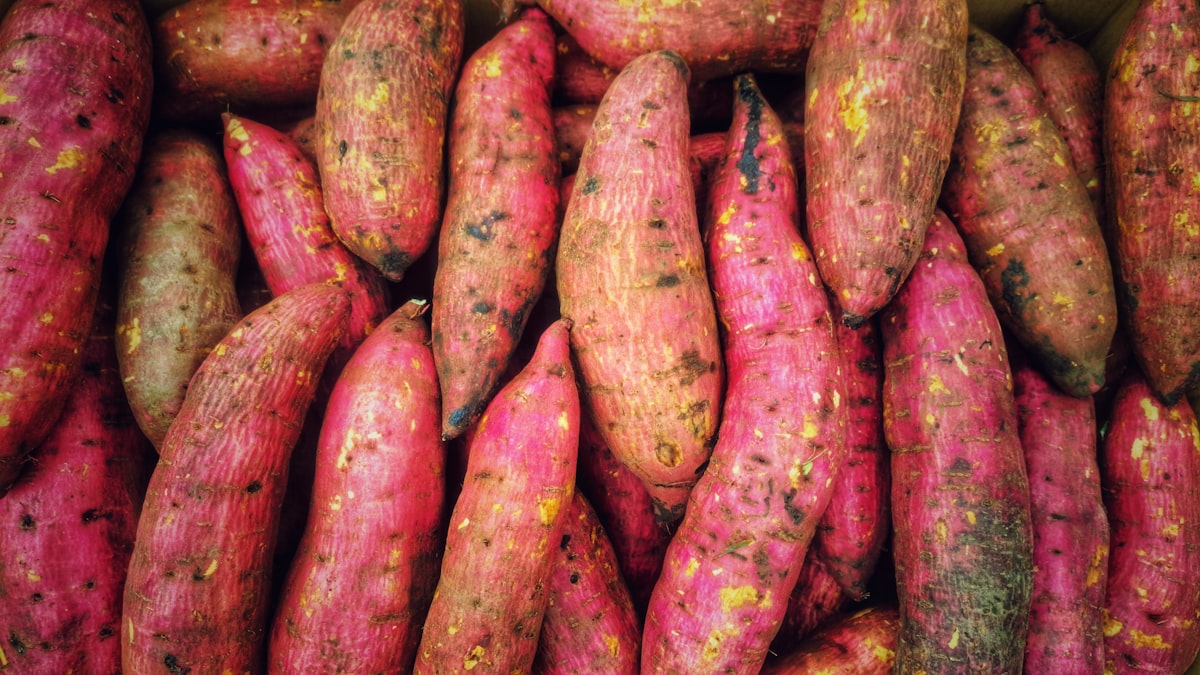
Vibrant orange, naturally sweet and wonderfully versatile, the sweet potato is one of the most nutritious vegetables you can eat. Far more than a holiday side dish, this humble root is packed with beta-carotene, fiber and antioxidants, making it a genuine superfood for your eyes, gut and immune system.
Here is what makes sweet potatoes so good for you, how to cook them, and an easy roasted sweet potato recipe with prep and cook times.
What makes sweet potatoes special?
Sweet potatoes stand out for their exceptional nutrient density, especially their remarkable beta-carotene content. That vivid orange color is a direct clue to how rich they are in this powerful antioxidant.
Beyond beta-carotene, sweet potatoes provide plenty of fiber, vitamin C, potassium and a range of antioxidants. They are naturally sweet yet have a gentler effect on blood sugar than you might expect, especially when not overcooked, making them a wholesome, satisfying complex carbohydrate.
The benefits of sweet potatoes
This colorful root delivers an impressive list of benefits.

- Exceptional beta-carotene — for healthy eyes, skin and immunity.
- High in fiber — supporting digestion, fullness and gut health.
- Rich in antioxidants — helping fight everyday oxidative stress.
- Good source of vitamin C — supporting your immune system.
- Provides potassium — for heart and muscle health.
As Healthline reports, sweet potatoes are exceptionally rich in beta-carotene, fiber and antioxidants that support eye, gut and immune health.
A beta-carotene powerhouse
The standout nutrient in sweet potatoes is beta-carotene, and they are one of the very best sources of it. Your body converts beta-carotene into vitamin A, which is essential for healthy vision, a strong immune system and glowing skin.
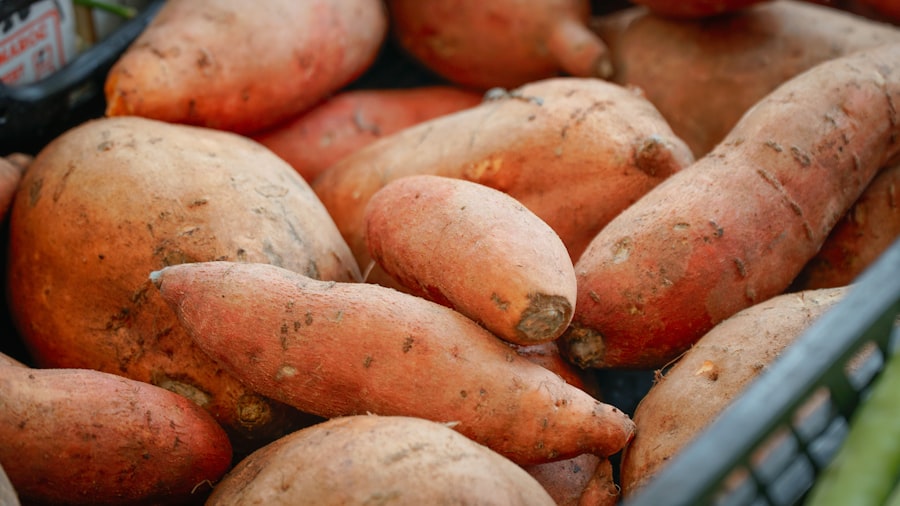
In fact, a single sweet potato can provide well over your daily requirement of vitamin A. Because beta-carotene is fat-soluble, eating sweet potatoes with a little healthy fat — like the olive oil in the recipe below — helps your body absorb even more. It is the same eye- and skin-friendly nutrient that makes carrots so valuable, as in our carrot juice guide.
Easy roasted sweet potato recipe
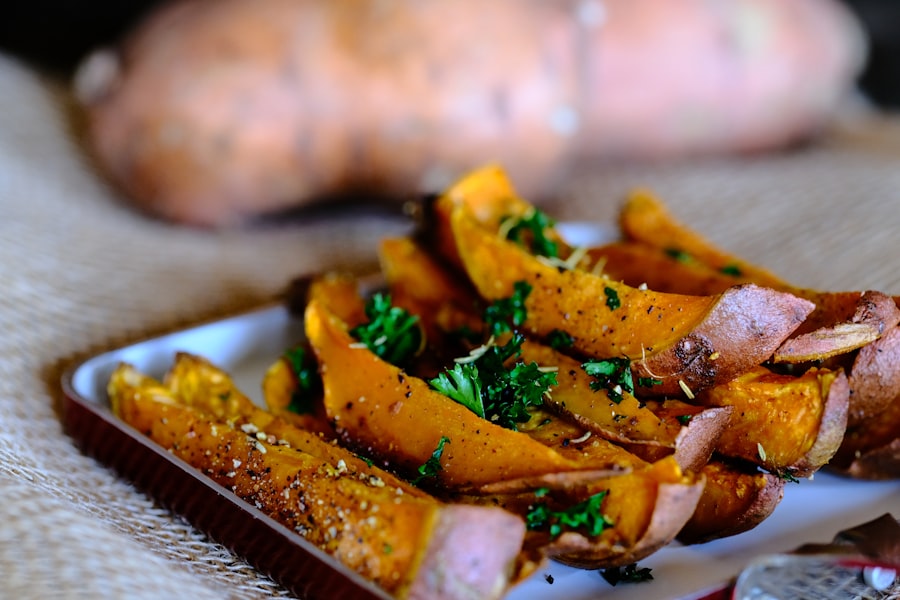
Roasting brings out the natural sweetness of sweet potatoes beautifully. This simple recipe is a perfect side dish or meal base.
Ingredients
- 2 large sweet potatoes
- 1–2 tablespoons olive oil
- Salt and pepper
- A pinch of paprika or cinnamon
Instructions
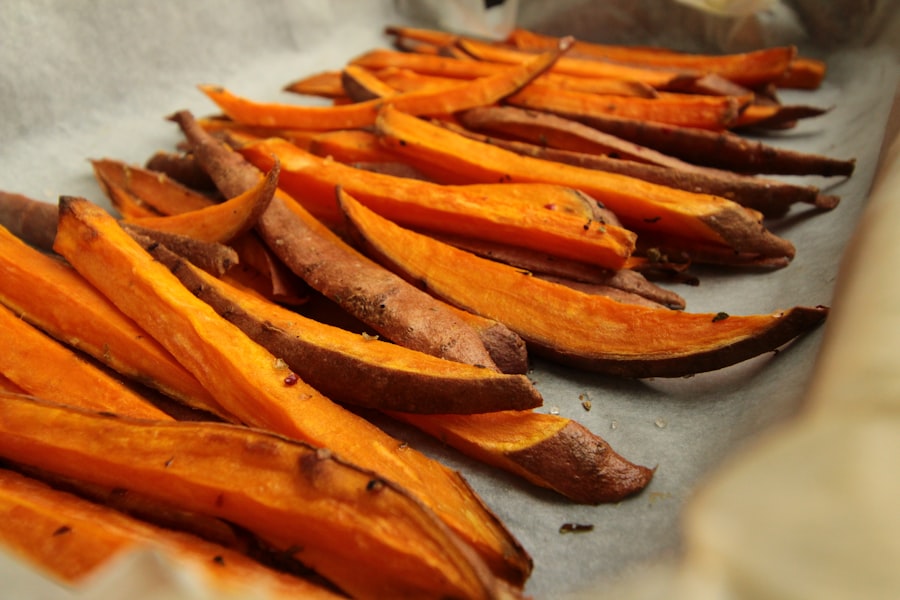
- Scrub and chop the sweet potatoes into cubes.
- Toss with olive oil, salt, pepper and paprika.
- Roast at 200°C / 400°F for about 25 minutes until tender and golden.
Sweet potatoes and gut health
Sweet potatoes are a wonderful food for your gut, thanks largely to their fiber content. They provide both soluble and insoluble fiber, which support healthy digestion, keep things moving and help you feel full.
That fiber also acts as a prebiotic, feeding the beneficial bacteria in your gut microbiome. A healthy gut supports not just digestion but also your immune system and overall wellbeing. Including fiber-rich foods like sweet potatoes is a delicious way to nourish your gut, as explored in our guide to gut health foods.
Are sweet potatoes good for weight loss?
Sweet potatoes can be a smart choice for weight management, despite being a starchy vegetable. Their fiber makes them genuinely filling, helping curb hunger and keep you satisfied, while their nutrients nourish your body.
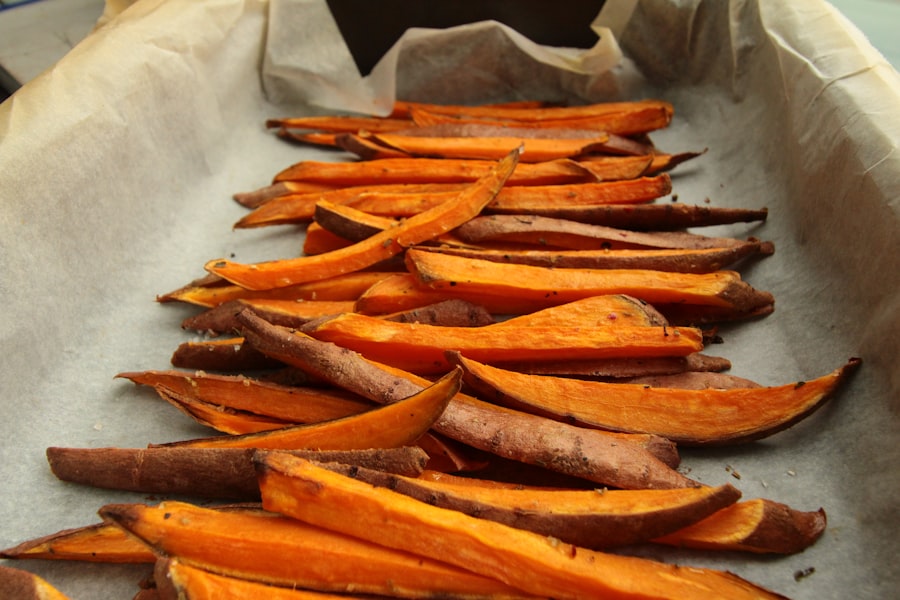
They also have a gentler effect on blood sugar than refined carbs, especially when baked or roasted rather than fried. Swapping less nutritious refined carbohydrates for a sweet potato adds fiber, vitamins and satisfaction to your meal. The key is in the preparation — roasted or baked rather than deep-fried or smothered in sugar.
Best ways to cook sweet potatoes
One of the joys of sweet potatoes is how versatile they are in the kitchen.
- Roasted — cubed with olive oil for caramelized, golden edges.
- Baked — whole, for a fluffy, naturally sweet base.
- Mashed — a creamy, comforting side dish.
- Sweet potato fries — baked for a healthier fry.
- In soups and stews — adding heartiness and natural sweetness.
Roasting and baking are the healthiest methods, bringing out their natural sweetness with little need for added fat or sugar.
Sweet potato vs. regular potato
Both are nutritious, whole-food vegetables, with a few differences worth knowing. Sweet potatoes are far higher in beta-carotene and vitamin A, and they tend to have a slightly gentler effect on blood sugar, along with a bit more fiber.
Regular potatoes are higher in some other nutrients, like potassium and vitamin C, and are equally wholesome when prepared well. Rather than one being “better,” they are simply different — both are healthy when baked, roasted or boiled rather than fried. Enjoying a variety of both gives you a broader range of nutrients.
Sweet potatoes and your skin
Sweet potatoes are a wonderful food for healthy, glowing skin. Their abundant beta-carotene, which your body turns into vitamin A, supports skin-cell repair and renewal, while their vitamin C helps your body make collagen for firm, supple skin.
The antioxidants in sweet potatoes also help protect your skin from the everyday damage that ages it. Eating sweet potatoes regularly, as part of a varied diet, gives your skin the nutrients it needs to look healthy and radiant from the inside out.
The different colors of sweet potato
While orange sweet potatoes are the most familiar, they come in several colors, each with its own nutritional strengths. Orange varieties are richest in beta-carotene, giving them their vivid color.
Purple sweet potatoes are packed with anthocyanin antioxidants, the same compounds found in blueberries, while white and yellow varieties offer their own blend of nutrients. Enjoying different colors gives you a broader range of antioxidants and makes your meals more interesting and beautiful.
The sweet potato is a true nutritional gem — vibrant, versatile and packed with beta-carotene, fiber and antioxidants that support your eyes, gut, skin and immune system. Roast it, bake it or mash it, pair it with a little healthy fat to absorb its beta-carotene, and enjoy it as a wholesome, naturally sweet addition to your meals. This humble orange root is one of the easiest and most delicious superfoods to love.
Wholesome and vibrant, the Green Apple way
We love colorful, nutrient-dense whole foods like sweet potatoes that make healthy eating delicious. Discover more healthy food in Miami with us, all made with clean, wholesome ingredients.
Frequently asked questions
What are the benefits of sweet potatoes?
Sweet potatoes are exceptionally rich in beta-carotene (vitamin A), fiber, vitamin C, potassium and antioxidants. They support eye health, gut health, immunity and skin, all in a naturally sweet, satisfying root.
Are sweet potatoes good for weight loss?
Yes, despite being starchy. Their fiber makes them filling and they have a gentler effect on blood sugar than refined carbs, especially baked or roasted. Swapping refined carbs for sweet potato adds fiber and nutrients.
What is the healthiest way to cook sweet potatoes?
Roasting and baking are the healthiest methods, bringing out their natural sweetness with little added fat or sugar. Avoid deep-frying or smothering them in sugar to keep them wholesome.
Are sweet potatoes better than regular potatoes?
Neither is simply “better.” Sweet potatoes are higher in beta-carotene and vitamin A with a gentler effect on blood sugar, while regular potatoes offer more of some other nutrients. Both are healthy when not fried.