Kombucha Benefits: The Fermented Tea for Gut Health


Kombucha Benefits: The Fermented Tea for Gut Health
Fizzy, tangy and a little bit funky, kombucha has gone from health-store curiosity to mainstream favorite. This fermented tea is prized above all for its probiotics — the beneficial bacteria that support a healthy gut — and it has become one of the most popular wellness drinks in the world.
Here is what kombucha really does, how to enjoy it safely, and an easy kombucha spritzer recipe with prep time.
What is kombucha?
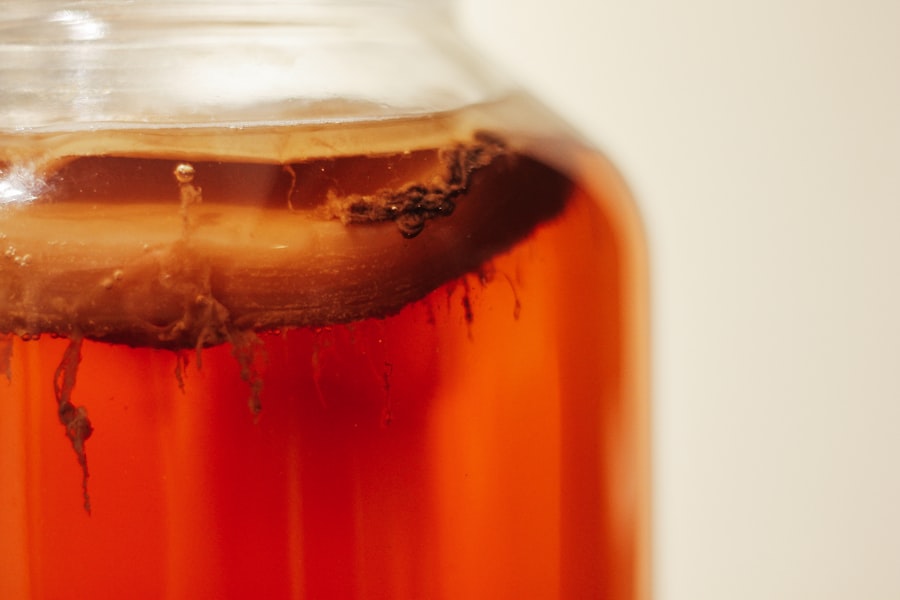
Kombucha is a fermented drink made from sweetened tea and a culture of bacteria and yeast known as a SCOBY. During fermentation, the culture consumes most of the sugar and produces beneficial acids, probiotics and a natural fizz, transforming sweet tea into a tangy, lightly effervescent drink.

The result is a refreshing beverage rich in probiotics, along with antioxidants from the tea and beneficial organic acids. This unique combination is the foundation of kombucha’s reputation as a gut-friendly wellness drink.
The benefits of kombucha
Kombucha offers several genuine benefits, most centered around the gut.
- Rich in probiotics — the beneficial bacteria that support a healthy gut microbiome.
- Supports digestion — its probiotics and acids may aid digestive health.
- Contains antioxidants — especially when made with green tea.
- A healthier swap — a flavorful, low-sugar alternative to soda.
- May support immunity — since much of your immune system lives in your gut.
As WebMD explains, kombucha is a fermented tea that provides probiotics and antioxidants, making it a popular gut-friendly drink.
Kombucha and gut health
The main reason people drink kombucha is for their gut, and it makes sense. As a fermented food, kombucha is naturally rich in probiotics, the beneficial bacteria that help keep your gut microbiome balanced and thriving.

A healthy gut is linked to far more than digestion — it supports your immune system, and may even influence your mood and energy. Adding a probiotic-rich drink like kombucha to your routine, alongside other fermented and fiber-rich foods, is a tasty way to support that inner ecosystem. For more on this, see our guide to gut health foods.
Easy kombucha spritzer recipe
While kombucha is delicious straight from the bottle, this simple spritzer makes a refreshing, low-sugar mocktail in minutes.
Ingredients
- 1 cup plain or fruit kombucha
- A splash of sparkling water
- Juice of ½ lime
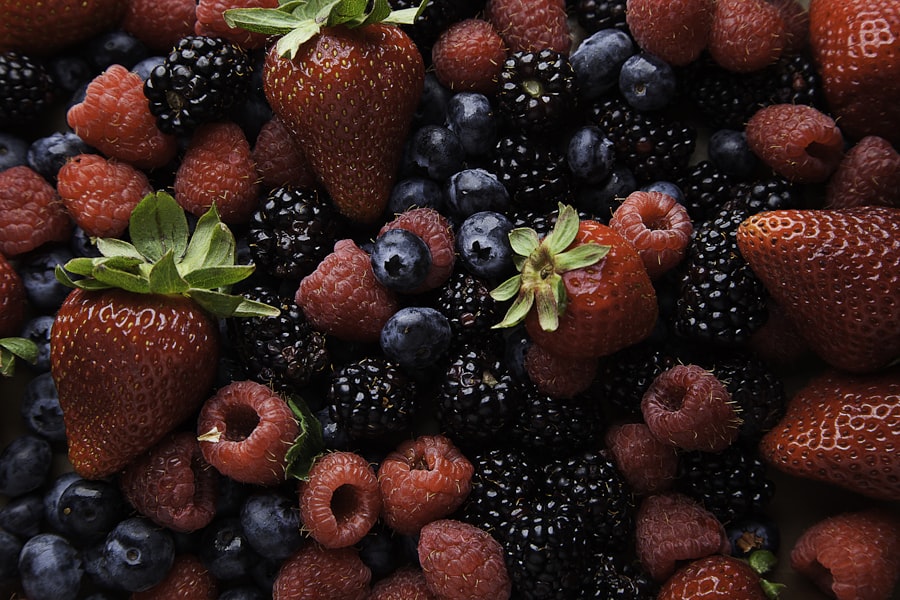
- Fresh berries or mint
- Ice to serve
Instructions
- Pour the kombucha over ice in a glass.
- Top with a splash of sparkling water and the lime juice.
- Garnish with berries or mint and enjoy.
Kombucha as a soda alternative
One of kombucha’s biggest appeals is as a healthier alternative to soda. If you love the fizz and flavor of a soft drink but want to cut back on sugar, kombucha is a brilliant swap.
It delivers that satisfying effervescence and a tangy, flavorful taste, but with far less sugar than soda and the bonus of probiotics and antioxidants. Just be sure to check the label, as some commercial kombuchas add quite a bit of sugar — the best choices are lower in sugar while still tasting great. Made this swap, kombucha can help you ditch the soda habit for good.
How much kombucha should you drink?
Kombucha is healthy, but like most good things, moderation is key. For most people, a glass a day — around 8 ounces — is a sensible, beneficial amount.

Because kombucha is fermented, it contains a tiny amount of natural alcohol and some caffeine from the tea, and drinking very large amounts could cause digestive upset in some people. Starting with a small serving and seeing how your body responds is wise, especially if you are new to fermented foods. As a daily glass within a balanced diet, kombucha is a refreshing, gut-friendly habit.
Who should be cautious with kombucha?
While kombucha is safe and beneficial for most people, a few should take extra care. Because it is fermented and contains trace alcohol and caffeine, pregnant women, young children and people with compromised immune systems may want to avoid it or check with a doctor first.
It is also best to choose commercially produced kombucha from a reputable brand, since improperly made homemade kombucha can occasionally carry a risk of contamination. For most healthy adults, though, a quality store-bought kombucha enjoyed in moderation is a safe, refreshing and gut-friendly choice.
What does kombucha taste like?
If you have never tried kombucha, the flavor can be a pleasant surprise. It is tangy and slightly sour, with a natural fizz and a subtle, almost vinegary edge that mellows with flavorings.
Plain kombucha has an earthy, tea-forward taste, while fruit-flavored versions — ginger, berry, citrus and many more — are sweeter and more approachable for beginners. If your first sip is more tart than expected, try a fruit-flavored variety or the spritzer above, and you may find yourself won over by its refreshing, grown-up fizz.
Kombucha and antioxidants
Probiotics get most of the attention, but kombucha’s antioxidants deserve a mention too, especially when it is made with green tea. Green tea is rich in catechins, powerful antioxidants that help protect your cells from everyday damage.
Because kombucha is brewed from tea, it carries these beneficial compounds along with its probiotics, giving you a double dose of goodness in one fizzy glass. A green-tea-based kombucha is a particularly antioxidant-rich choice, combining the benefits of fermented foods with those of green tea.
Can you make kombucha at home?
Kombucha can be brewed at home, and many enthusiasts enjoy the process, though it does require care. You need a SCOBY, sweetened tea, clean equipment and patience, letting the culture ferment over a week or two before flavoring and bottling.
Home brewing lets you control the sugar and flavors, but cleanliness is essential to avoid contamination. If you are new to it, starting with quality store-bought kombucha is the easiest, safest way to enjoy this fizzy, gut-friendly drink.
Kombucha has earned its place as one of the most popular wellness drinks for good reason. This tangy, fizzy fermented tea delivers gut-friendly probiotics, antioxidants and a satisfying alternative to sugary soda, all in one refreshing glass. Choose a lower-sugar variety, enjoy it in sensible amounts, and let kombucha be a flavorful, feel-good part of your routine — one more delicious way to support a happy, healthy gut.
Gut-friendly and fresh, the Green Apple way
We love fresh, natural drinks that support your wellbeing — from gut-friendly options to fresh juices and smoothies, all with no added sugar. Build your feel-good routine with us, part of the world of healthy food in Miami.
If you enjoy fermented, gut-friendly drinks, you may also like the health benefits of apple cider vinegar.
Frequently asked questions
What are the benefits of kombucha?
Kombucha is a fermented tea rich in probiotics that support a healthy gut, along with antioxidants from the tea. It aids digestion, makes a low-sugar alternative to soda, and may support immunity via gut health.
Is kombucha good for your gut?
Yes. As a fermented drink, kombucha is naturally rich in probiotics, the beneficial bacteria that help keep your gut microbiome balanced, which supports digestion, immunity and overall wellbeing.
How much kombucha should you drink a day?
A glass a day, around 8 ounces, is sensible for most people. Kombucha contains trace alcohol and some caffeine, so start with a small serving and avoid very large amounts.
Who should avoid kombucha?
Pregnant women, young children and people with compromised immune systems should be cautious or check with a doctor, as kombucha is fermented and contains trace alcohol and caffeine. Choose reputable commercial brands.