Anti-Inflammatory Foods: Eat to Fight Inflammation

Anti-Inflammatory Foods: Eat to Fight Inflammation
Inflammation is not always the enemy — it is your body’s natural defense against injury and infection. But when inflammation becomes chronic and lingers, it is linked to many long-term health problems. The good news is that what you eat can help.
Here are the best anti-inflammatory foods, the ones to limit, and an easy anti-inflammatory smoothie recipe with prep time.
What is chronic inflammation?
Short-term inflammation is helpful: it is how your body heals a cut or fights off a cold. The problem is chronic, low-grade inflammation that quietly persists over months and years.
This lingering inflammation is associated with conditions like heart disease, type 2 diabetes and joint problems. Diet is one of the biggest levers you can pull, because certain foods promote inflammation while others help calm it.
The best anti-inflammatory foods
An anti-inflammatory diet is colorful, whole and plant-forward. These foods are among the most powerful.
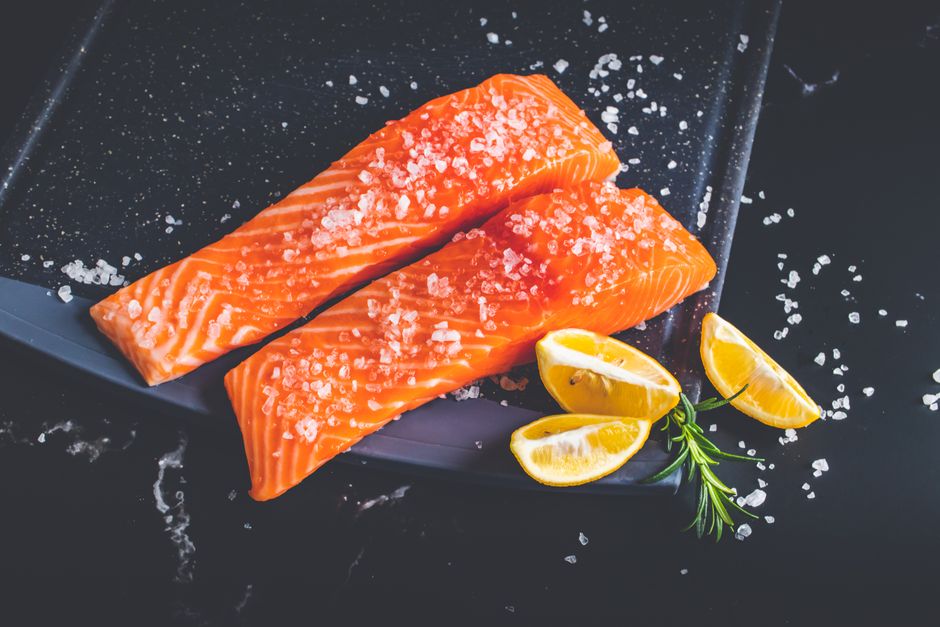
- Fatty fish — salmon and sardines are rich in anti-inflammatory omega-3 fats.
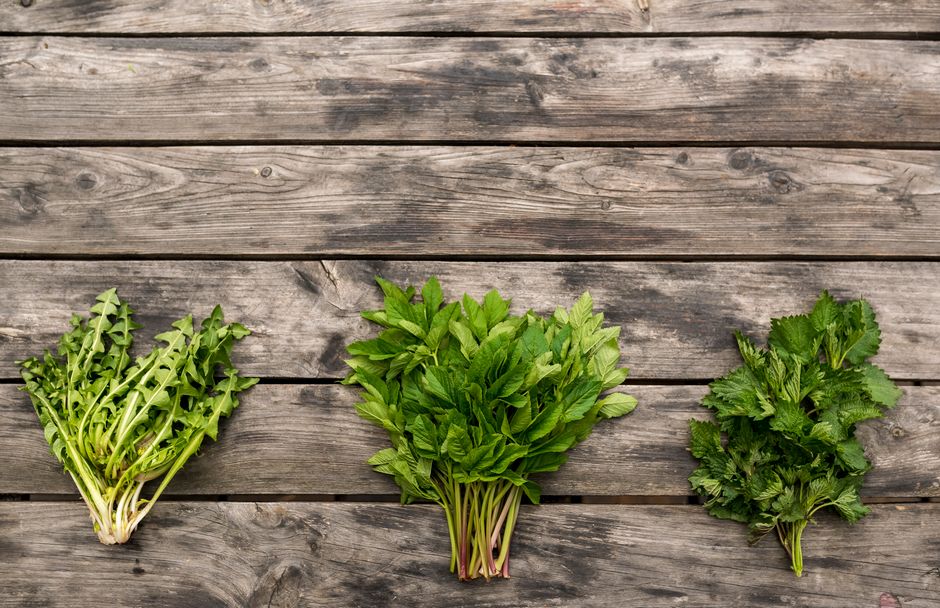
- Leafy greens — spinach and kale are loaded with antioxidants.
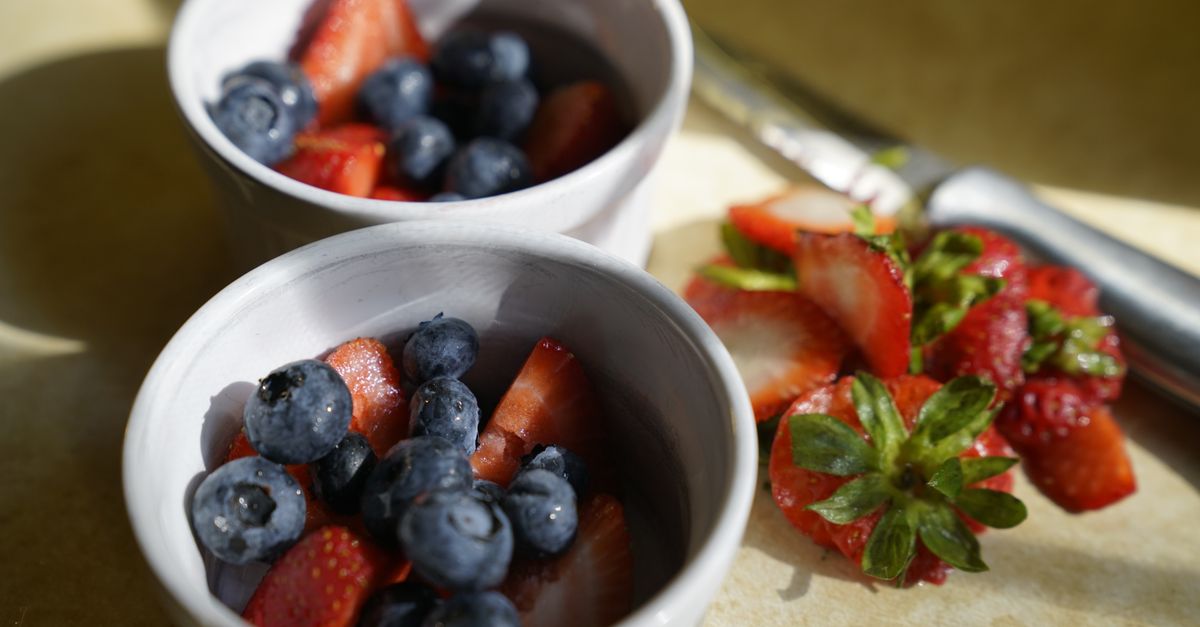
- Berries — their anthocyanins are potent inflammation fighters.
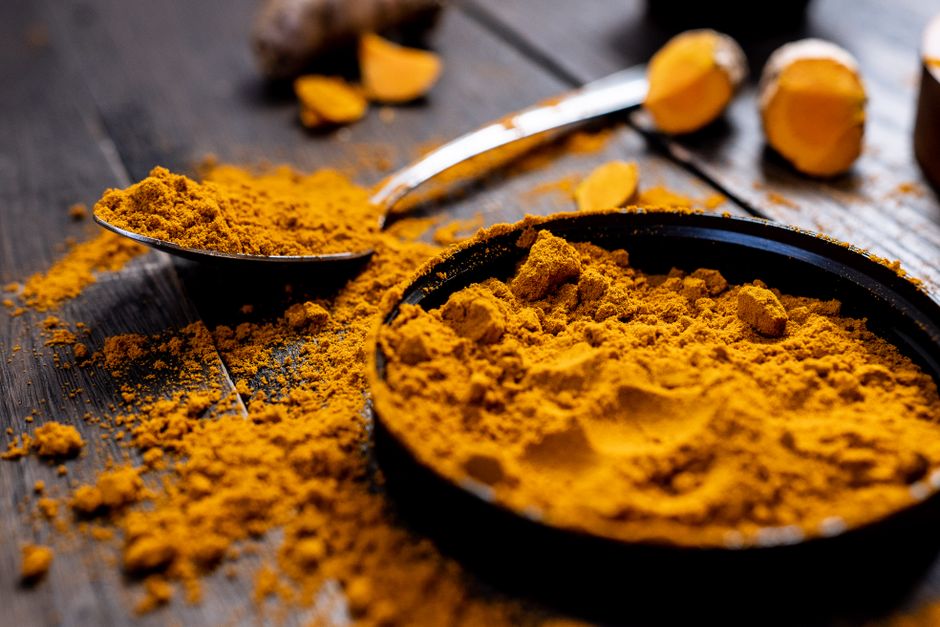
- Turmeric — its compound curcumin is famously anti-inflammatory.
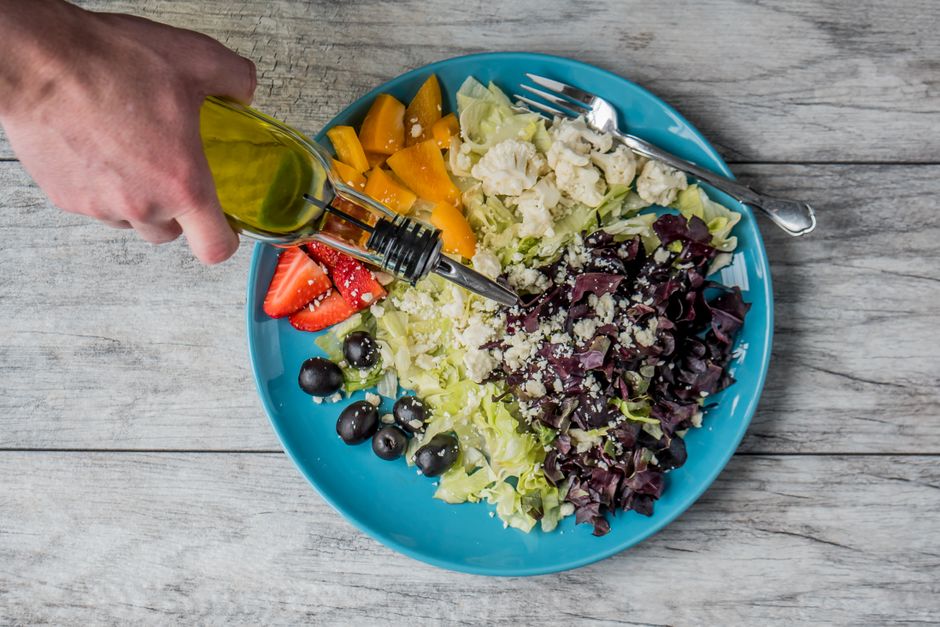
- Olive oil — extra-virgin olive oil contains anti-inflammatory compounds.
- Nuts and seeds — healthy fats and antioxidants in every handful.
As Harvard Health explains, a diet rich in fruits, vegetables, whole grains, healthy fats and fish can help reduce chronic inflammation.
The power of turmeric and ginger
Two ingredients stand out in the anti-inflammatory world: turmeric and ginger. Both have been used medicinally for centuries, and modern research supports their reputations.
Turmeric’s active compound, curcumin, is one of the most studied natural anti-inflammatories, while ginger’s gingerol offers similar effects. They work beautifully together — which is why you will find them paired in wellness drinks like our turmeric shots. A pinch of black pepper with turmeric dramatically boosts how much curcumin your body absorbs.
Easy anti-inflammatory smoothie recipe
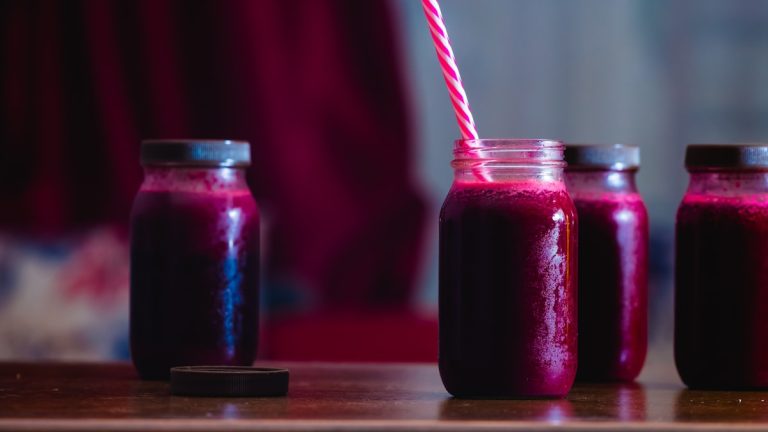
This golden smoothie brings together several anti-inflammatory stars in one glass.
Ingredients
- ½ cup frozen mango
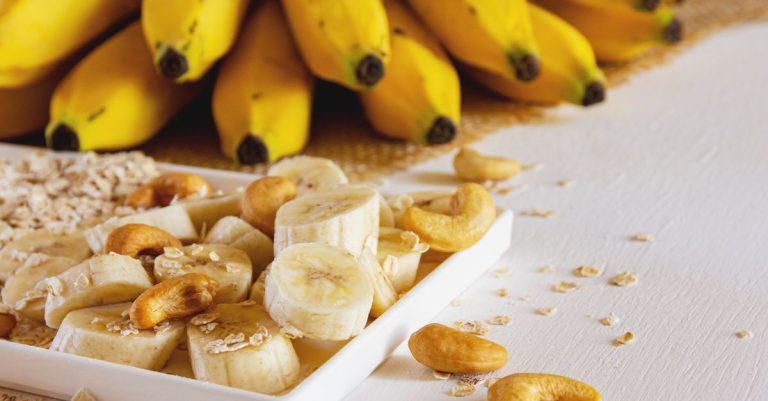
- ½ banana
- ½ teaspoon turmeric
- ½ inch fresh ginger
- 1 cup unsweetened almond milk
- Pinch of black pepper
Instructions
- Add all the ingredients to a blender.
- Blend until smooth and golden.
- Drink fresh, with that pinch of black pepper to boost the turmeric.
Foods that promote inflammation
Just as some foods fight inflammation, others encourage it. Cutting back on these is just as important as adding the good stuff.
- Refined carbs and added sugar — sodas, sweets and white bread can drive inflammation.
- Processed and fried foods — often high in unhealthy fats and additives.
- Processed meats — linked to inflammatory markers in many studies.
- Excess alcohol — can contribute to inflammation over time.
You do not have to avoid these completely — simply make them occasional rather than everyday choices.
The Mediterranean connection
If you want a ready-made anti-inflammatory eating pattern, look no further than the Mediterranean diet. It is one of the most studied and well-regarded ways of eating for reducing inflammation.
It is naturally rich in everything on the anti-inflammatory list: vegetables, fruit, whole grains, fish, olive oil, nuts and legumes, with little processed food or added sugar. You do not need to follow it perfectly to benefit. Simply shifting your meals in that direction — more plants, more fish, more olive oil, less processed food — brings real anti-inflammatory rewards.
Berries: small but mighty
Berries deserve a special mention in any anti-inflammatory diet. Their deep colors come from anthocyanins, antioxidant pigments that are powerful inflammation fighters.

Blueberries, strawberries, raspberries and blackberries are all excellent, and they are as delicious as they are beneficial. Toss them into smoothies, oatmeal and yogurt, or simply enjoy them by the handful. Because they are low in sugar relative to their antioxidant punch, berries are one of the easiest and tastiest anti-inflammatory foods to eat more of.
Hydration and inflammation
It is easy to overlook, but staying well hydrated supports your body’s ability to manage inflammation too. Water helps flush waste, supports circulation and keeps every system running smoothly.
Swapping sugary, inflammatory sodas for water, herbal teas or anti-inflammatory drinks is a simple win. Green tea is especially worth including, as it is rich in anti-inflammatory antioxidants. Small daily choices like these add up to meaningful support for a calmer, healthier body.
Spices that fight inflammation
Beyond turmeric and ginger, your spice rack holds several other anti-inflammatory gems. Cinnamon, garlic, cloves and rosemary all contain compounds studied for their ability to help calm inflammation.
The beauty of spices is that they add huge flavor for no calories and no sugar, making your food both tastier and healthier. Sprinkling a variety of them through your cooking is an easy, delicious way to boost the anti-inflammatory power of almost any meal.
Green tea and inflammation
Green tea is one of the most enjoyable anti-inflammatory drinks you can add to your day. It is rich in polyphenol antioxidants, especially one called EGCG, which has been widely studied for its anti-inflammatory effects.
Swapping a sugary soda or two for a cup of green tea, or its concentrated cousin matcha, is a simple daily upgrade. It hydrates, provides a gentle, calm energy, and floods your body with the kind of antioxidants that help keep inflammation in check.
How long until you feel a difference?
Shifting to an anti-inflammatory diet is a long game, not an overnight fix. Some people notice improvements in energy, digestion or joint comfort within a few weeks, while the deeper benefits build over months and years of consistent eating.
The key is to think of it as a sustainable way of eating rather than a short-term diet. Small, steady changes — more plants, more healthy fats, less processed food — add up to meaningful, lasting benefits for your whole body.
Fighting chronic inflammation does not require a complicated plan or special supplements — just a shift toward whole, colorful, plant-forward foods. Load your plate with berries, leafy greens, fatty fish, olive oil, turmeric and ginger, ease back on sugar and processed foods, and stay well hydrated. Over time, this anti-inflammatory way of eating supports your heart, joints and overall health, proving once again that food is some of the best medicine there is.
Eat to feel good, the Green Apple way
We build our menu around fresh, whole, anti-inflammatory ingredients — from turmeric and ginger shots to greens-packed smoothies and juices, all with no added sugar. It is the easy, delicious way to fight inflammation. Discover more healthy food in Miami with us.
For a whole anti-inflammatory way of eating, explore the Mediterranean diet benefits.
Frequently asked questions
What are the best anti-inflammatory foods?
Fatty fish, leafy greens, berries, turmeric, ginger, olive oil, nuts and seeds are among the best. They provide omega-3 fats, antioxidants and compounds like curcumin that help calm inflammation.
What foods cause inflammation?
Refined carbohydrates and added sugar, processed and fried foods, processed meats and excess alcohol can all promote inflammation. Make these occasional choices rather than everyday staples.
Is turmeric good for inflammation?
Yes. Turmeric’s active compound curcumin is one of the most studied natural anti-inflammatories. Pair it with a pinch of black pepper to dramatically boost how much your body absorbs.
What is the best diet for inflammation?
The Mediterranean diet is one of the most effective, being naturally rich in vegetables, fruit, whole grains, fish, olive oil, nuts and legumes, with little processed food or added sugar.