Watermelon Juice Benefits: Hydration, Recovery & Lycopene


Watermelon Juice Benefits: Hydration, Recovery & Lycopene
Is there anything more refreshing on a hot Miami day than ice-cold watermelon juice? This vibrant pink drink is the taste of summer — and it happens to be wonderfully good for you.
Here is what watermelon juice does for your body, plus a two-minute recipe with prep time to beat the heat.
What is in watermelon juice?
Watermelon juice is simply blended fresh watermelon, strained or left as-is. As the name suggests, it is mostly water — around 92% — which makes it one of the most hydrating drinks around.
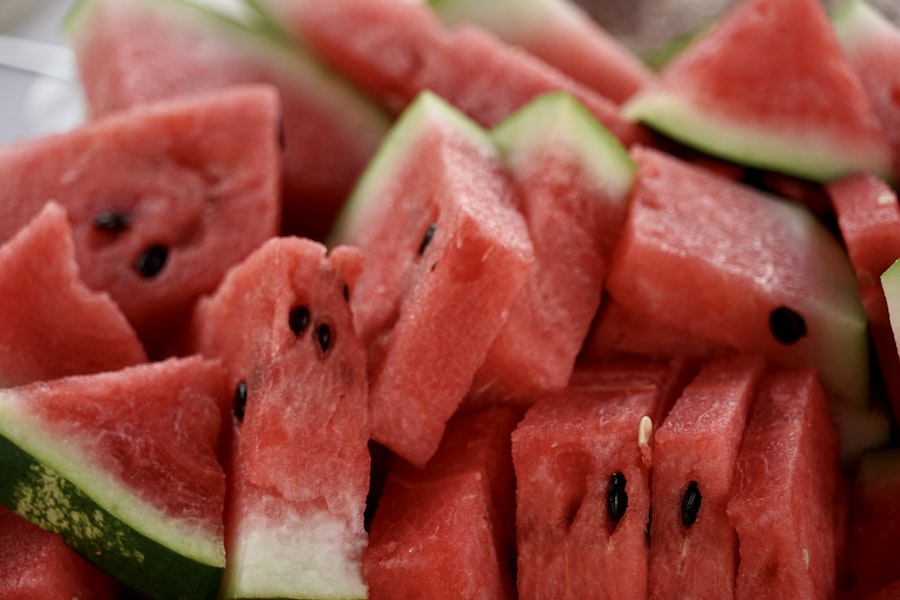
But it is far from empty calories. Watermelon delivers lycopene, the antioxidant that gives it that red-pink color, plus citrulline, vitamins A and C, and a little natural potassium.
The benefits of watermelon juice
Behind that sweet, summery taste are some real benefits.
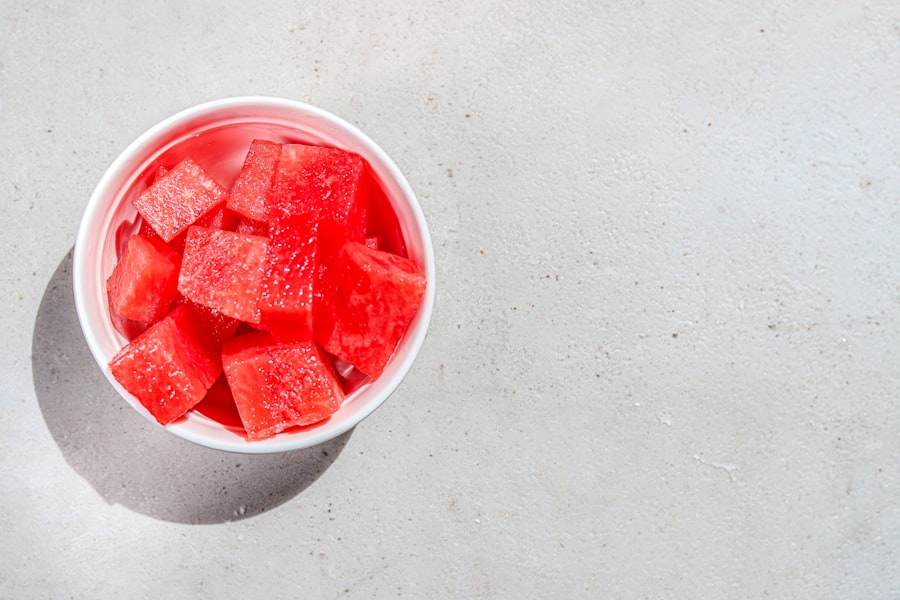
- Excellent hydration — being mostly water, it rehydrates beautifully on a hot day or after exercise.
- Rich in lycopene — this powerful antioxidant is linked to heart health and sun protection.
- Contains citrulline — an amino acid that supports blood flow and may aid exercise recovery.
- Vitamins A and C — for immune support and healthy skin.
- Low in calories — a lot of refreshment for very few calories.
A review of watermelon research published on NIH’s PMC highlights citrulline and lycopene as the compounds behind many of watermelon’s cardiovascular and recovery benefits.
Watermelon juice for hydration
If you struggle to drink enough plain water, watermelon juice is a delicious solution. Because the fruit is over 90% water, the juice hydrates almost as well as water while adding flavor, vitamins and minerals.
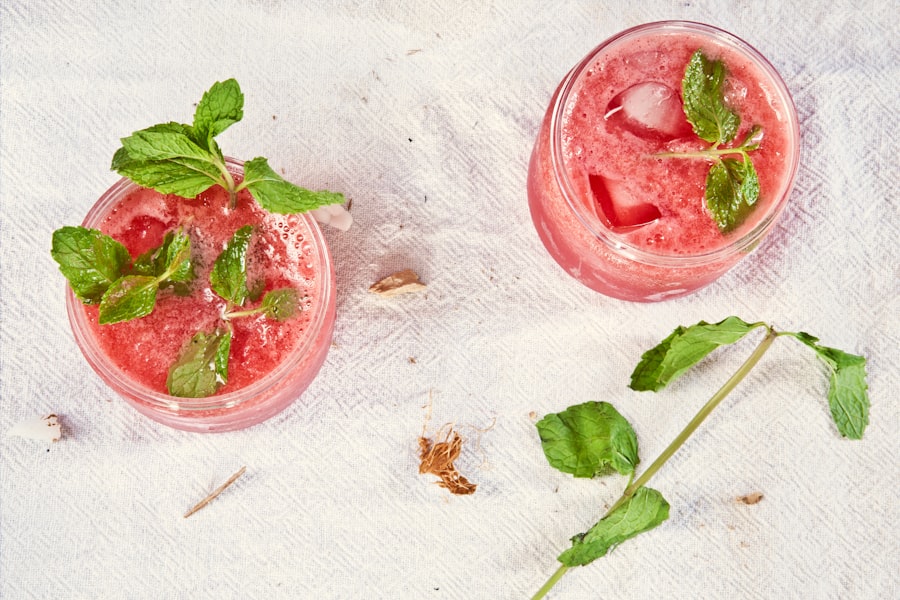
That makes it a fantastic choice in hot weather or after sweating. The natural electrolytes, including potassium, help replace what you lose, which is why watermelon is such a popular post-workout fruit. For more hydration ideas, see our detox water recipes.
Easy watermelon juice recipe
This could not be simpler — watermelon practically juices itself.
Ingredients
- 4 cups cubed seedless watermelon
- Juice of ½ lime
- A few fresh mint leaves
- Ice to serve
Instructions
- Blend the watermelon, lime and mint until smooth.
- Strain through a sieve if you prefer it clear.
- Serve immediately over plenty of ice.
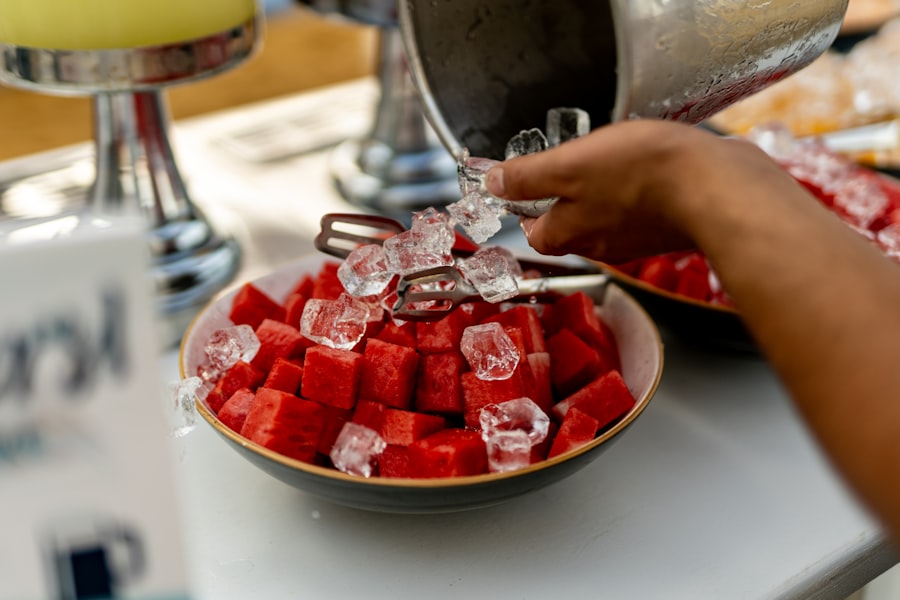
Watermelon juice for exercise recovery
Athletes have taken a real interest in watermelon, and citrulline is the reason. This amino acid is converted in the body to support nitric oxide production, which helps relax and widen blood vessels for better blood flow.
Some studies suggest watermelon juice may help reduce muscle soreness after exercise. Combined with its excellent hydration and natural sugars to refuel energy, it makes a natural, tasty recovery drink — a fruity alternative to the post-workout protein shake.
What is lycopene?
Lycopene is the antioxidant pigment that gives watermelon (and tomatoes) their red color, and it is one of watermelon juice’s standout nutrients.
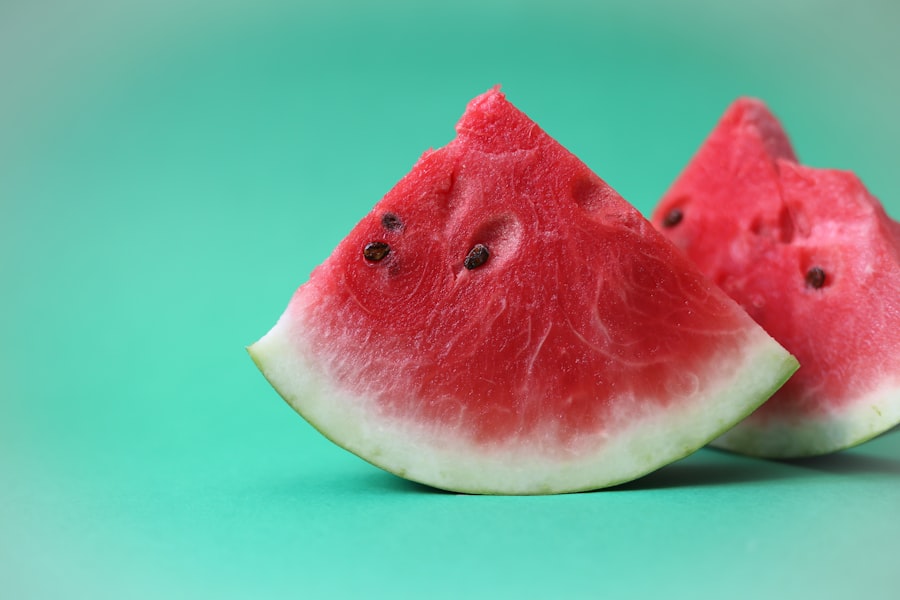
Research links lycopene to heart health and a possible role in protecting skin from sun damage from the inside out. Interestingly, watermelon is one of the richest sources of lycopene — even higher than raw tomatoes — making a glass of watermelon juice a genuinely antioxidant-rich choice.
Is watermelon juice high in sugar?
Watermelon tastes very sweet, so people often assume the juice is loaded with sugar. In fact, because watermelon is mostly water, a serving has a fairly modest amount of sugar for how sweet it tastes.
That said, juicing concentrates several cups of fruit into one glass, so portion size still matters. A sensible glass is a refreshing, hydrating treat. Adding lime and mint, or a handful of cucumber, stretches the flavor while keeping the sugar gentle.
Fun watermelon juice variations
Plain watermelon juice is glorious, but a few additions make it even better.
- Watermelon-mint — the classic cooling combination.
- Watermelon-cucumber — extra hydrating and even more refreshing.
- Watermelon-lime — a zingy twist that balances the sweetness.
- Watermelon-ginger — a little warmth and spice against the cool fruit.
Freeze any leftover juice into ice pops for the ultimate healthy summer treat.
Can you drink watermelon juice every day?
Yes — watermelon juice is light, hydrating and low in calories, so a daily glass is perfectly reasonable for most people. It is one of the more guilt-free fresh juices you can choose.
The main thing to remember is that juicing concentrates the fruit, so a sensible glass beats an enormous one. Pairing it with cucumber or a squeeze of lime stretches the flavor and keeps the natural sugar gentle, making it an easy everyday refresher.
Watermelon juice and your heart
The lycopene and citrulline in watermelon are both linked to cardiovascular health. Lycopene is an antioxidant associated with healthy cholesterol and blood pressure, while citrulline supports the nitric oxide that helps blood vessels relax.
Together they make watermelon juice a heart-friendly choice, especially as part of a diet rich in fruits and vegetables. It is a delicious reminder that some of the best things for your heart also happen to taste wonderful.
Don’t waste the rind
Here is a tip most people miss: the pale rind of the watermelon is edible and surprisingly nutritious, containing even more citrulline than the red flesh. You can blend a thin strip of the inner rind into your juice for an extra nutrient boost.
It adds a mild, cucumber-like note and helps reduce food waste at the same time. Just scrub the melon well first, and blend the inner rind along with the flesh.
Watermelon juice nutrition highlights
- Water — over 90%, for outstanding hydration.
- Lycopene — more than raw tomatoes, gram for gram.
- Citrulline — supports blood flow and exercise recovery.
- Vitamins A and C — for healthy skin and immune support.
Few drinks capture summer quite like watermelon juice, and few are so effortlessly good for you. It hydrates better than almost anything, delivers heart-friendly lycopene and recovery-supporting citrulline, and tastes like pure sunshine — all for very few calories. Blend it fresh, keep your portions reasonable, and dress it up with mint, lime or cucumber. On a sweltering Miami afternoon, it might just be the perfect glass.
Stay cool, the Green Apple way
We blend our watermelon and fruit juices fresh to order — no concentrates, no added sugar — for the brightest, most refreshing flavor in every cup. It is summer in a glass, any time of year.
For another naturally hydrating, electrolyte-rich drink, discover the benefits of coconut water.
Frequently asked questions
What are the benefits of watermelon juice?
Watermelon juice is extremely hydrating and rich in lycopene, an antioxidant linked to heart health, plus citrulline for blood flow and recovery, and vitamins A and C — all for very few calories.
Is watermelon juice good for hydration?
Yes. Watermelon is over 90% water and contains natural electrolytes like potassium, making the juice excellent for rehydrating on hot days or after exercise.
How do you make watermelon juice?
Blend cubed seedless watermelon with lime and mint, then strain if you prefer it clear. It takes about 10 minutes with no cooking.
Is watermelon juice high in sugar?
Because watermelon is mostly water, a serving has a fairly modest amount of sugar for how sweet it tastes. Keep portions reasonable, since juicing concentrates several cups of fruit into one glass.