Pineapple Juice Benefits: Digestion, Immunity & Bromelain


Pineapple Juice Benefits: Digestion, Immunity & Bromelain
Sweet, tangy and unmistakably tropical, pineapple juice tastes like a vacation in a glass. But beyond the flavor, this golden juice brings some genuine health benefits to the table.
Here is what makes pineapple juice special — including its star enzyme, bromelain — plus an easy recipe with prep time.
What is in pineapple juice?
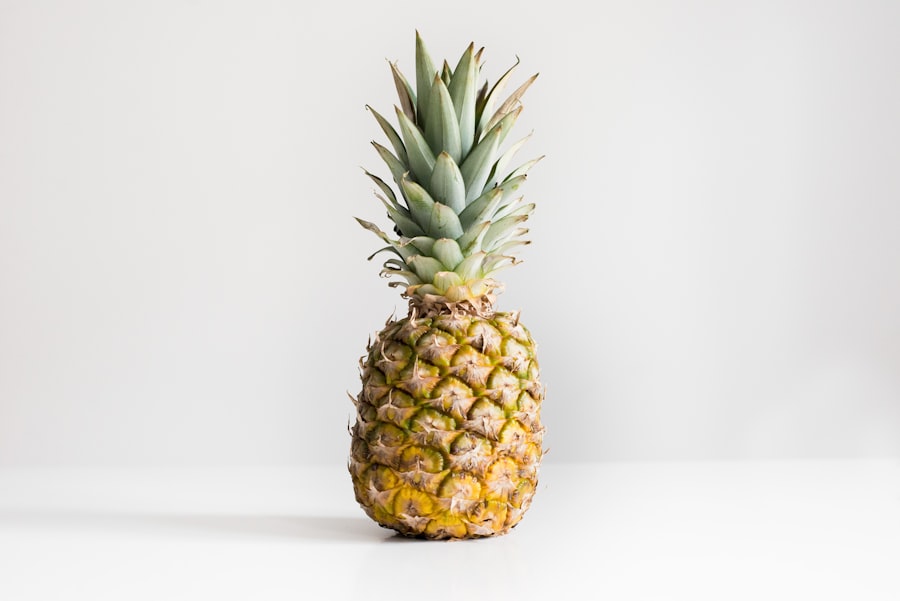
Pineapple juice is pressed or blended from the sweet yellow flesh of fresh pineapple. It is naturally rich in sugar, which gives it that tropical sweetness, but it also delivers a serious nutrient payload.
A glass provides plenty of vitamin C, manganese, B vitamins and antioxidants — plus bromelain, a group of enzymes found almost nowhere else in such abundance.
The benefits of pineapple juice
Pineapple juice is more than a sweet treat. Here is what it offers.
- Aids digestion — bromelain helps break down protein, which can ease digestion.
- Immune support — it is rich in vitamin C, a key nutrient for immune function.
- Anti-inflammatory — bromelain has been studied for its anti-inflammatory effects.
- Antioxidants — pineapple contains compounds that help fight oxidative stress.
- Hydration — like most fruit juices, it is mostly water and helps top up fluids.
As WebMD notes, pineapple juice is a good source of vitamin C and manganese and contains bromelain, an enzyme linked to digestion and reduced inflammation.
The magic of bromelain
Bromelain is what sets pineapple apart from almost every other fruit. This natural enzyme breaks down proteins, which is why fresh pineapple can make your tongue tingle and why it is used as a meat tenderizer.

In the body, bromelain may help with digestion and has been studied for easing inflammation and swelling, including after surgery or injury. Most of the strongest research uses concentrated bromelain supplements, but enjoying fresh pineapple juice is a pleasant way to get a natural dose.
Easy fresh pineapple juice recipe
Skip the cartons full of added sugar — fresh pineapple juice is easy to make and tastes infinitely better.
Ingredients
- ½ fresh pineapple, peeled and cored
- ½ cup water
- Juice of ½ lime
- A few fresh mint leaves (optional)
Instructions
- Chop the pineapple into chunks.
- Blend with the water and lime until smooth.
- Strain if you like it clear, then serve over ice with mint.

It is a tropical cousin to our other fresh blends — see why we love cold-pressed juice.
Is pineapple juice high in sugar?
Yes — this is the one thing to keep in mind. Pineapple is a naturally sweet fruit, so its juice is higher in sugar than vegetable-forward juices like celery or green blends.
That does not make it unhealthy, but it does mean portion size matters. A small glass is a refreshing, nutrient-rich treat; a large daily serving adds up on sugar. Diluting it with water, as in the recipe above, or blending it with greens keeps things balanced. For lower-sugar options, see our guide to celery juice benefits.
Pineapple juice for a sore throat
A glass of pineapple juice is a time-honored home remedy for a scratchy throat, and there may be something to it. The bromelain and vitamin C combination can help soothe inflammation, and some research has even looked at pineapple juice for easing coughs.
It is no substitute for medicine when you are truly ill, but a soothing, vitamin-C-rich drink when you feel a tickle coming on is a comforting, natural choice — warm or cold.
Pineapple juice and exercise
Pineapple juice can be a smart post-workout refresher. Its natural sugars help replenish energy, while the fluid and potassium support rehydration after you sweat.
The bromelain angle is interesting too: because it has been studied for reducing inflammation and swelling, some athletes enjoy pineapple as part of their recovery routine. Blend it into a smoothie with protein and you have a tropical recovery drink that tastes like dessert.
Choosing and storing pineapple
The best pineapple juice starts with a ripe pineapple. A few tips help you pick a good one.
- Smell the base — a ripe pineapple smells sweet and fragrant at the bottom.
- Check the color — golden-yellow skin usually means ripe and sweet.
- Give it a gentle squeeze — it should yield slightly, not feel rock-hard.
- Use it fresh — once cut, store in the fridge and juice within a few days.
A perfectly ripe pineapple needs almost nothing else to make a spectacular juice.
Can you drink pineapple juice every day?
You can, as long as you keep the serving modest. A small daily glass of fresh pineapple juice is a pleasant way to get vitamin C, antioxidants and a little bromelain.
Because it is naturally sugary, a giant daily serving is best avoided — especially if you are watching your sugar intake. Diluting it with water, blending it with greens, or alternating it with lower-sugar vegetable juices keeps your routine balanced while still letting you enjoy that tropical flavor regularly.
Pineapple juice in the kitchen
Beyond drinking it, fresh pineapple juice is a wonderful ingredient. Its bromelain makes it a natural meat tenderizer, so it shines in marinades for chicken, pork and shrimp.
It also brightens smoothies, salad dressings and tropical sauces, and a splash adds instant sunshine to sparkling water. Just remember that bromelain breaks down protein, so fresh pineapple juice will keep gelatin from setting — one quirky exception worth knowing.
Pineapple juice nutrition at a glance
Here is what a typical serving of fresh pineapple juice brings to the table.
- Vitamin C — a large share of your daily need in a single glass.
- Manganese — important for bone health and metabolism.
- Bromelain — the protein-digesting enzyme unique to pineapple.
- Natural sugars — for quick energy, which is why portion size matters.
Pineapple juice proves that something can taste like a treat and still do your body good. With its vitamin C, antioxidants and unique bromelain enzyme, it supports digestion, immunity and recovery — as long as you keep an eye on the natural sugar and enjoy sensible portions. Make it fresh from a ripe pineapple, dilute or blend it to balance the sweetness, and savor a little taste of the tropics that is genuinely good for you.
Taste the tropics, the Green Apple way
We blend our tropical juices fresh to order with real fruit — no concentrates, no added sugar — for bright, natural flavor in every glass. It is the easiest way to enjoy pineapple at its best.
Love pineapple? Blend it into our creamy pineapple smoothie recipe.
Frequently asked questions
What are the benefits of pineapple juice?
Pineapple juice is rich in vitamin C, manganese and antioxidants, and it contains bromelain, an enzyme that aids digestion and has anti-inflammatory effects. It supports immunity, digestion and hydration.
What is bromelain?
Bromelain is a group of enzymes found in pineapple that breaks down protein. It is linked to easier digestion and has been studied for reducing inflammation and swelling.
How do you make fresh pineapple juice?
Blend chunks of fresh pineapple with a little water and lime, then strain if you prefer it clear. It takes about 10 minutes with no cooking.
Is pineapple juice high in sugar?
Yes, pineapple is naturally sweet, so its juice is higher in sugar than vegetable juices. Enjoy small portions, dilute it with water, or blend it with greens to keep it balanced.