Cold-Pressed Juice: Benefits & Why It’s Better

Cold-Pressed Juice: Benefits & Why It’s Better
Walk into any modern juice bar and you will see the words “cold-pressed” everywhere. But what does it actually mean, and is cold-pressed juice really better than regular juice?
The short answer is yes — the method matters. Here is what cold-pressed juice is, why it is healthier, and how it stacks up against ordinary juice.
What is cold-pressed juice?
Cold-pressed juice is made by using a hydraulic press to squeeze juice from fruits and vegetables, rather than a fast-spinning blade.
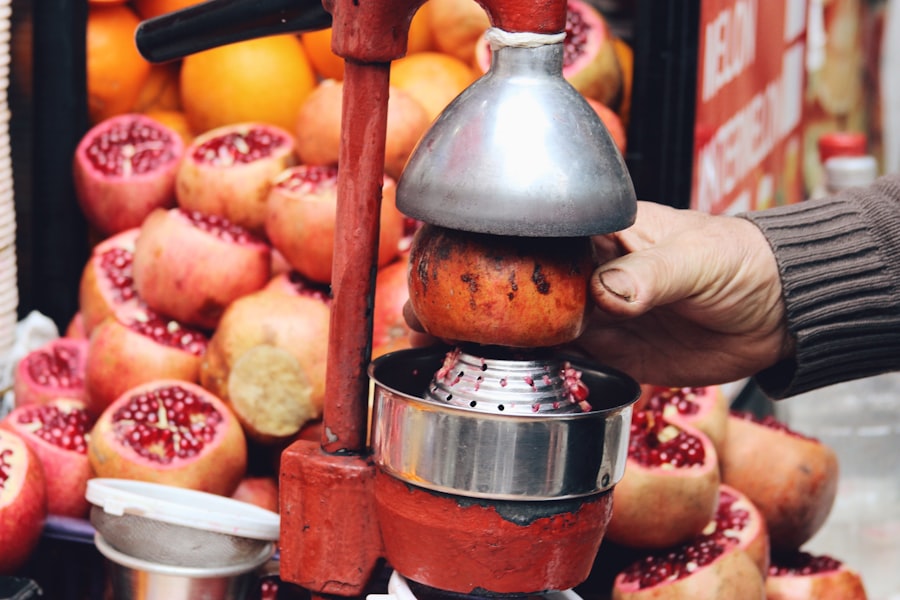
The key is the lack of heat. Conventional juicers spin at high speed, generating heat and air that can degrade delicate nutrients. A cold press works slowly and gently, with no added heat — hence “cold-pressed.”
The benefits of cold-pressed juice
That gentle method translates into a few real advantages.
- More nutrients — cold pressing preserves more heat-sensitive vitamins like vitamin C.
- More antioxidants — less heat and oxidation means more polyphenols survive.
- Live enzymes — the gentle process keeps more of the produce’s natural enzymes intact.
- Fresher taste — the juice tastes brighter and closer to the original fruit and vegetables.
- Gentler on digestion — many people find cold-pressed juice easier on the stomach.
As Harvard’s Nutrition Source reminds us, juice of any kind is best enjoyed alongside whole fruits and vegetables.
Cold-pressed juice vs. regular juice
The difference is mostly about processing and what survives it.
- Method — cold-pressed uses gentle pressure; regular juice often uses high-speed, heat-generating extraction.
- Nutrients — cold-pressed retains more heat-sensitive vitamins and antioxidants.
- Processing — many bottled juices are pasteurized with heat and may contain added sugar or preservatives.
- Shelf life — cold-pressed juice is freshest and has a shorter life, which is the trade-off for keeping more nutrients.
- Cost — cold-pressed costs more because it uses more produce and a slower process.
According to Healthline, there is no proof juice is healthier than whole produce — but if you are drinking juice, fresh and minimally processed is the better choice.
Does cold-pressed juice have less sugar?
It can. Because cold-pressed juice is not heat-treated, it avoids the breakdown of complex sugars that can happen in some processing.
The bigger factor, though, is the recipe. A vegetable-forward cold-pressed juice — heavy on greens, cucumber and celery with just a little fruit — will always be lower in sugar than a fruit-only blend. For more on getting the most from it, see our guide to green juice benefits.
Making the most of cold-pressed juice
To get the full value of cold-pressed juice, keep these tips in mind.
- Drink it fresh — the nutrients are at their peak soon after pressing.
- Go vegetable-forward — more greens, less fruit, for lower sugar.
- Pair it with food — juice complements meals; it does not replace whole produce.
- Choose made-to-order — freshly pressed beats anything that has sat on a shelf.
Thinking of a bigger reset? Read our honest juice cleanse guide first.
How long does cold-pressed juice last?
Freshness is the trade-off for keeping more nutrients. Because cold-pressed juice is not heat-treated or heavily preserved, it has a short shelf life.
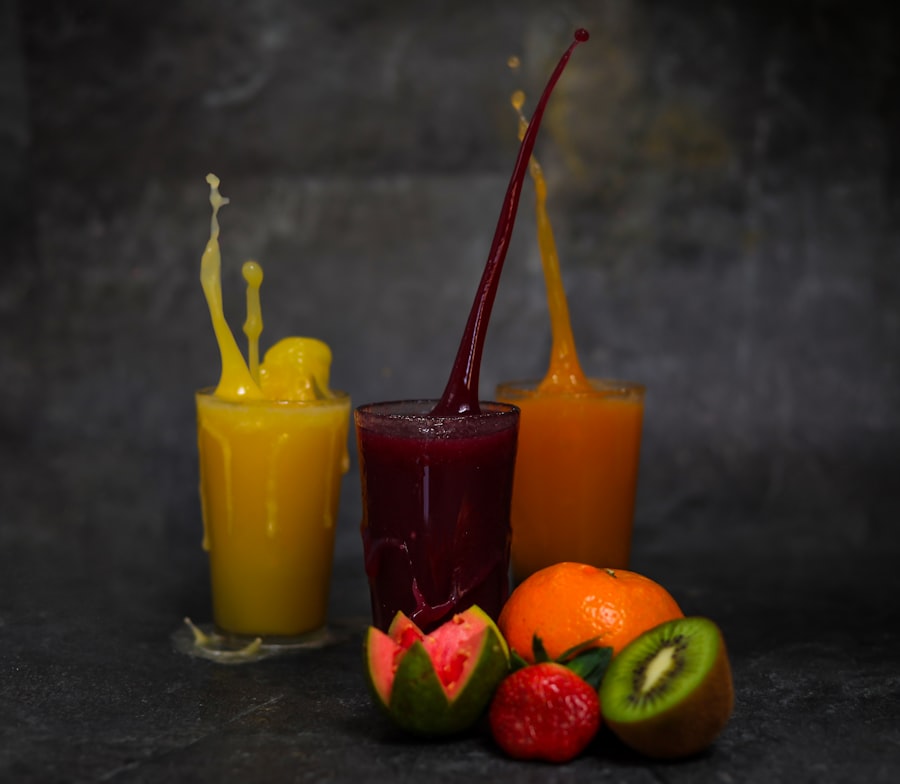
Fresh, unpasteurized cold-pressed juice is best enjoyed within a day or two, kept cold the whole time. The nutrients and flavor are at their peak right after pressing and fade as the juice sits, which is exactly why made-to-order is the gold standard.
Is cold-pressed juice worth the cost?
Cold-pressed juice does cost more than ordinary juice, and there is a reason. The slow press uses more produce per bottle and a gentler, more time-consuming process.
What you get for the extra cost is more of the good stuff — heat-sensitive vitamins, antioxidants and live enzymes — plus a fresher taste and no added sugar or preservatives. If juice is an occasional treat, the difference may not matter much; if it is a daily habit, the quality upgrade is worth considering.
Best cold-pressed juice combinations
The healthiest cold-pressed juices lead with vegetables and use fruit for a touch of sweetness. A few crowd-pleasing blends:
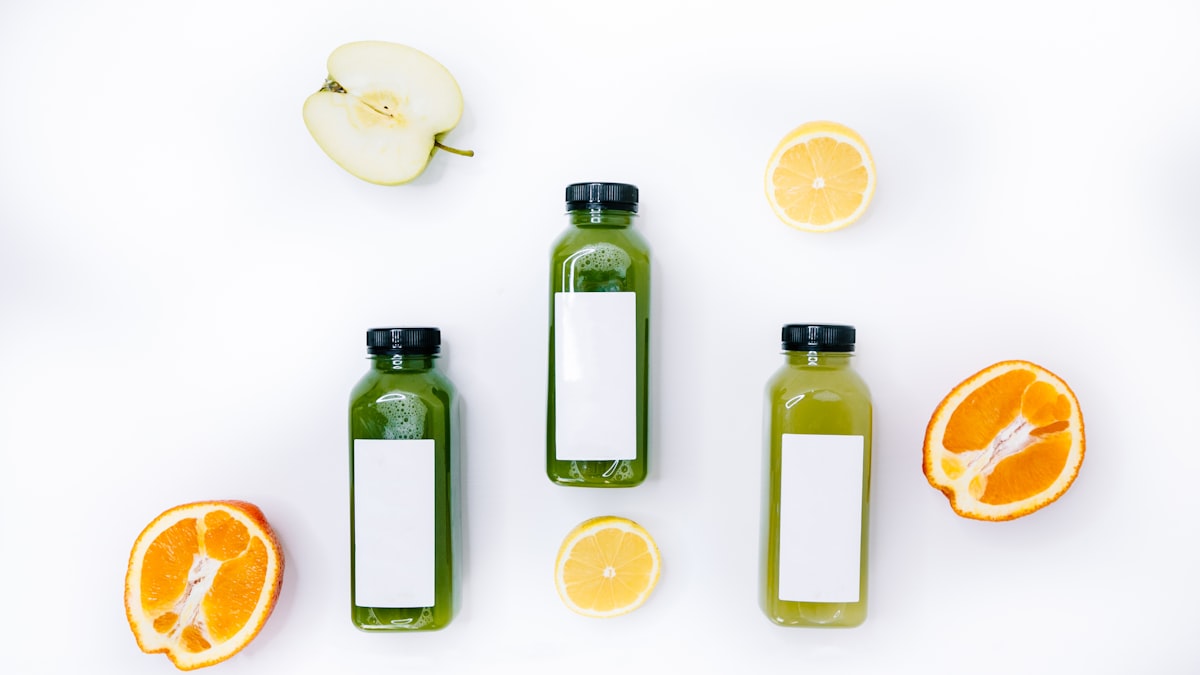
- Green classic — kale, spinach, cucumber, celery, green apple and lemon.
- Citrus zing — orange, carrot, ginger and a little turmeric.
- Beet boost — beet, apple, carrot and ginger for a vibrant, earthy juice.
Keep the fruit modest and the vegetables generous, and you get bright flavor with less sugar. The beet blend is an athlete favorite — see all the benefits of beet juice for stamina and blood pressure.
The cold-pressed process, step by step
Understanding how cold-pressed juice is made shows why it is different.
- Wash and chop — fresh produce is cleaned and cut to fit the press.
- Grind — the fruit and vegetables are first crushed into a pulp.
- Press — a hydraulic press applies thousands of pounds of pressure to squeeze out every drop, with no heat and minimal air.
- Bottle fresh — the juice is bottled right away to lock in flavor and nutrients.
Because there is no fast-spinning blade generating heat, fragile vitamins and enzymes survive far better than in conventional juicing.
Cold-pressed juice and a healthy lifestyle
Even the best juice is one part of a bigger picture. Cold-pressed juice is a fantastic way to add nutrients and hydration, but it works best alongside whole foods, not in place of them.
Use it to complement balanced meals — a green juice with breakfast, or an afternoon pick-me-up instead of a sugary drink. Lean on vegetables, keep fruit modest, and enjoy it fresh, and cold-pressed juice becomes a genuinely healthy daily habit rather than an occasional splurge.
Is cold-pressed juice safe?
Fresh cold-pressed juice is safe for most people, but because it is usually unpasteurized, it can carry bacteria if it is not handled and stored properly. Keep it refrigerated, drink it fresh, and buy from a place with high hygiene standards. People who are pregnant, very young, elderly or immune-compromised may prefer pasteurized juice to be safe.
In the end, cold-pressed juice is about quality over shortcuts. The gentle method captures more of what makes fruits and vegetables good for you, and a vegetable-forward recipe keeps the sugar sensible. Drink it fresh, treat it as a complement to whole foods rather than a replacement, and you get all the upside — bright flavor, real nutrients and easy hydration — from every single glass.
Fresh-pressed, the Green Apple way
We press our juices fresh to order with all-natural produce — no concentrates, no added sugar — so you get the brightest flavor and the most nutrients in every cup. Stop by or order ahead, and taste what genuinely fresh, cold-pressed juice is supposed to be.
For a tropical, enzyme-rich option, discover the benefits of pineapple juice and its bromelain.
Frequently asked questions
What is cold-pressed juice?
Cold-pressed juice is made by pressing fruits and vegetables with a hydraulic press instead of a fast, heat-generating blade. The gentle, heat-free method preserves more vitamins, antioxidants and enzymes.
Is cold-pressed juice better than regular juice?
For nutrition, yes. Cold-pressed juice retains more heat-sensitive vitamins and antioxidants than high-speed or pasteurized juice, and it usually has no added sugar or preservatives.
Does cold-pressed juice have less sugar?
It can, especially when it is vegetable-forward. The biggest factor is the recipe — a juice heavy on greens and light on fruit will be lower in sugar than a fruit-only blend.
How long does cold-pressed juice last?
Because it is not heat-treated, fresh cold-pressed juice has a short shelf life and is best enjoyed soon after pressing, which is the trade-off for keeping more nutrients.