Acai Bowl Benefits: Are Acai Bowls Healthy?

Acai Bowl Benefits: Are Acai Bowls Healthy?
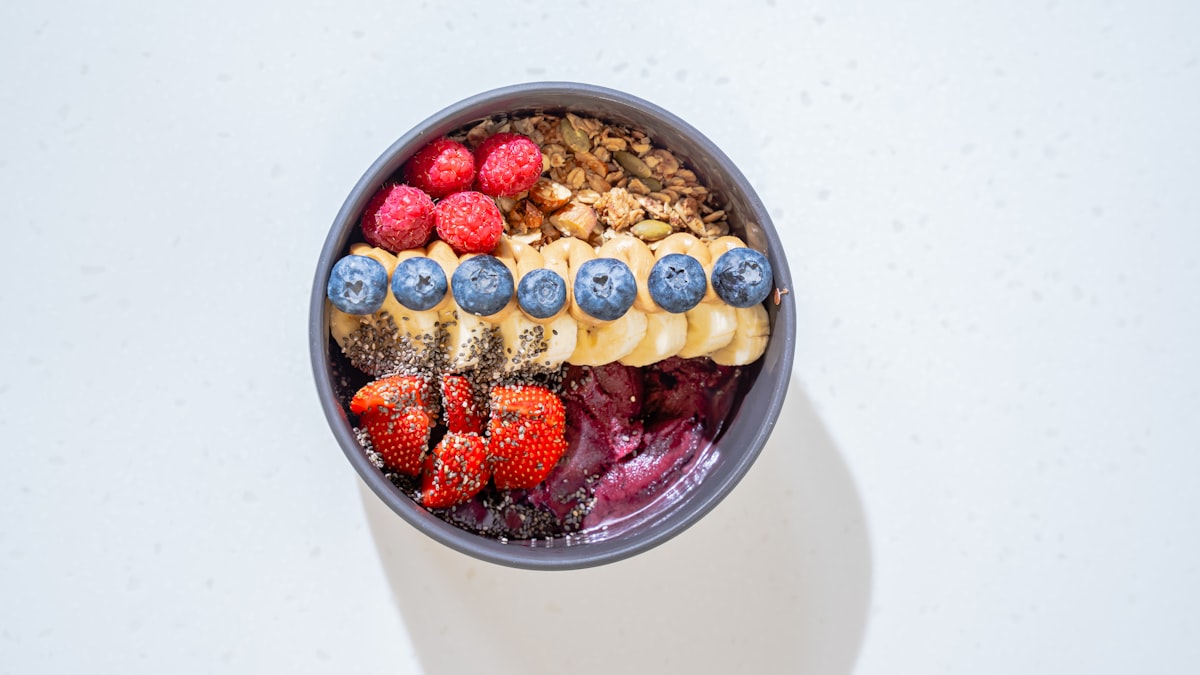
Few breakfasts are as photogenic — or as beloved in Miami — as the acai bowl. This thick, purple blend of acai berries topped with fruit, granola and seeds is everywhere, and for good reason.
But are acai bowls actually healthy, or just a pretty dessert in disguise? Here is the honest answer, the real benefits, and an easy recipe with prep and cook times so you can make one at home.
What is acai?
Acai (ah-sigh-EE) is a small, dark purple berry from the acai palm in the Amazon. It is blended into a thick, frozen puree that forms the base of an acai bowl.
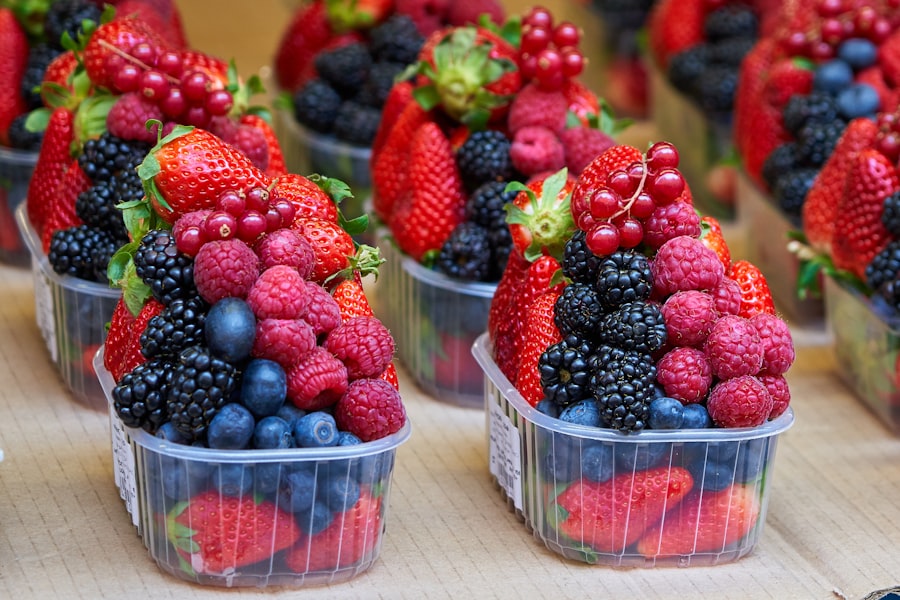
On its own, acai is naturally low in sugar and rich in plant compounds. Its deep color comes from anthocyanins, the same powerful antioxidants found in blueberries and red apples.
The benefits of acai bowls
When built well, an acai bowl is a genuinely nutritious meal. Here is what it brings to the table.
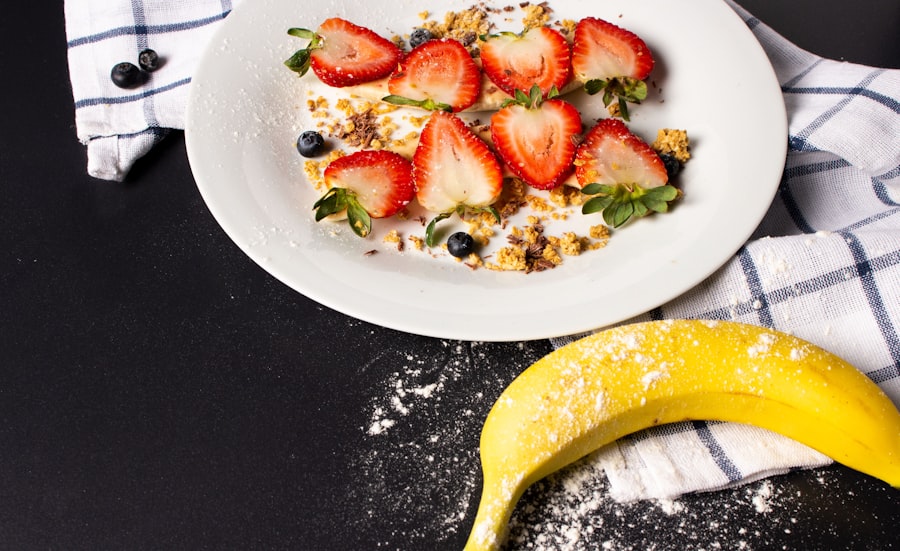
- Loaded with antioxidants — acai is especially high in anthocyanins, which help fight everyday oxidative stress.
- Healthy fats — unusually for a fruit, acai contains heart-friendly fats.
- Fiber — both the acai and the toppings add fiber for fullness and digestion.
- Vitamins and minerals — you get potassium, calcium and vitamins from the fruit and add-ins.
- Heart support — research links acai to improvements in good HDL cholesterol.
According to Healthline, acai berries are a nutrient-dense source of antioxidants and healthy fats.
So, are acai bowls healthy?
It depends entirely on how they are built. The acai base is healthy — the question is what goes on top.
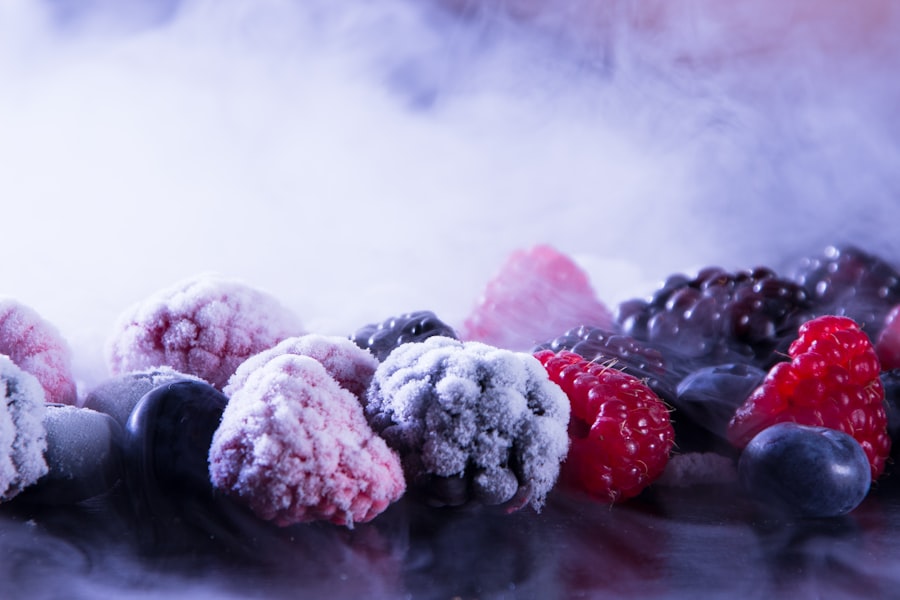
Many shop-bought bowls are loaded with added sugar, sweetened sorbet, sugary granola and honey drizzles, which can push a single bowl well past 500 calories. The American Heart Association recommends limiting added sugar, and it is the biggest pitfall in a store-bought bowl.
The fix is simple: keep the sweeteners minimal and let whole fruit do the work. Made thoughtfully, an acai bowl is a wholesome, antioxidant-rich meal.
Easy homemade acai bowl recipe
The best way to control the sugar is to make your own. This version takes minutes and needs no cooking.
Ingredients
- 1 frozen acai puree packet (unsweetened)
- ½ frozen banana
- ½ cup frozen mixed berries
- ¼ cup almond milk (just enough to blend)
- Toppings: granola, sliced banana, fresh berries, chia seeds
Instructions
- Blend the frozen acai, banana, berries and a splash of almond milk until thick and smooth — keep it spoonable, not pourable.
- Spoon into a bowl and smooth the top.
- Arrange your toppings and eat right away.
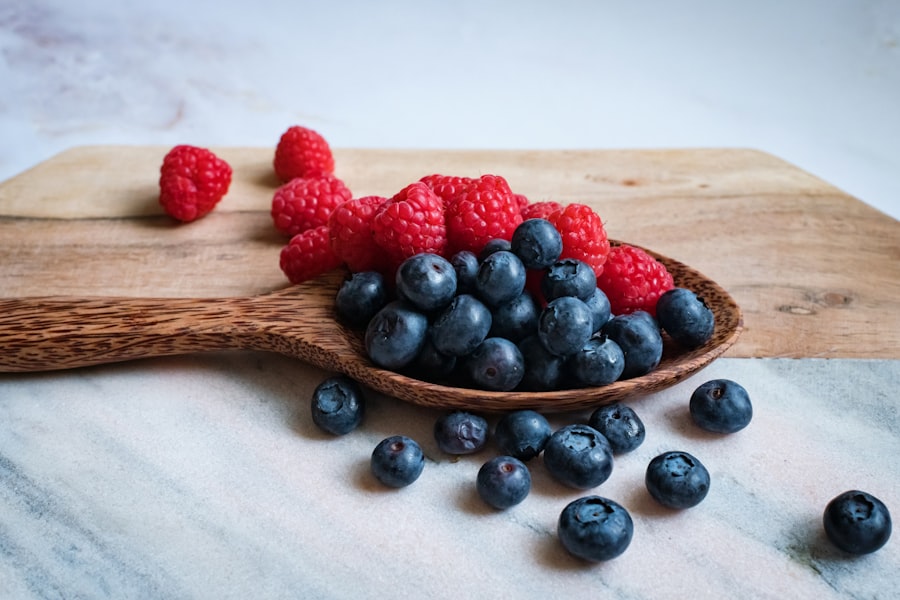
Tips for a healthier acai bowl
Whether you make it or order it, these tweaks keep your bowl on the healthy side.
- Skip added sweeteners — use unsweetened acai and let the fruit sweeten it.
- Watch the granola — a sprinkle adds crunch; a cup adds a lot of sugar and calories.
- Add protein — a spoon of nut butter or a scoop of protein makes it more filling.
- Mind the portion — a smaller bowl is a snack; a giant one is a full meal.
Want it without the prep? Our bowls are part of the wider world of healthy food in Miami, made fresh with quality ingredients.
Acai bowl calories and nutrition
The calorie count of an acai bowl varies enormously with its size and toppings. A modest homemade bowl can land around 250–350 calories, while a large shop bowl piled with sweet granola and honey can top 500–600.
A well-built bowl delivers a generous dose of fiber, healthy fats and antioxidants, plus potassium and vitamins from the fruit. The trouble starts when sweetened bases and heavy toppings turn it into dessert.
- Calories: ~250–600+ depending on size and toppings
- Fiber: a good amount from acai, fruit and granola
- Healthy fats: naturally present in acai
- Antioxidants: high, thanks to anthocyanins
How to build the perfect acai bowl
The secret to a healthy, satisfying bowl is balance. Use this simple framework and you cannot go wrong.
- Base: unsweetened acai blended with frozen banana and berries for natural sweetness.
- Protein: a scoop of protein powder or a spoon of nut butter to keep you full.
- Crunch: a small handful of granola or nuts — a sprinkle, not a cup.
- Fresh fruit: sliced banana, strawberries and blueberries for fiber and color.
- Seeds: chia or hemp for omega-3 fats and extra fiber.
Keep the honey drizzle light or skip it entirely — the fruit provides plenty of sweetness.
Acai bowl vs. smoothie bowl
People often use the terms interchangeably, but there is a difference. An acai bowl is built specifically on an acai puree base, giving it that signature deep-purple color and antioxidant punch.
A smoothie bowl can be made from any blended fruit and vegetables — mango, berries or greens. Both are thick, spoonable and topped with fruit and granola, and both are healthy when you keep the added sugar in check. The acai version simply leads with that one special berry.
Where does acai come from?
Acai berries grow on tall palm trees in the Amazon rainforest, where they have been a staple food for local communities for centuries. Because the berries spoil quickly after harvest, they are almost always frozen or freeze-dried into the puree and powder we use far from the Amazon.
That long journey is also why acai is usually sold as an unsweetened frozen pack rather than fresh fruit. When you buy one, look for pure acai with no added sugar so you start your bowl on the healthiest possible footing.
Who should enjoy acai bowls?
Acai bowls suit almost anyone looking for an antioxidant-rich, plant-based meal — from athletes refueling after a workout to anyone who simply loves a fresh, fruit-forward breakfast.
If you are watching your sugar or calories, build a smaller bowl with unsweetened acai and lighter toppings. Made that way, an acai bowl fits comfortably into most healthy eating patterns, and it is a delicious way to hit your daily fruit and antioxidant goals.
Acai bowls, done right
An acai bowl can absolutely be part of a healthy diet — the key is real fruit, minimal added sugar and sensible toppings. Built that way, it is a delicious, antioxidant-packed way to start the day.
Love acai bowls? Learn how to make the perfect smoothie bowl with any fruit you like.
Frequently asked questions
Are acai bowls actually healthy?
They can be very healthy when built with unsweetened acai, whole fruit and modest toppings. The main pitfall is added sugar from sweetened bases, sugary granola and honey, which can make a bowl high in calories.
How long does it take to make an acai bowl?
A homemade acai bowl takes about 10 minutes of prep with no cooking — just blend the frozen acai with fruit and a little milk, then add toppings.
What are the benefits of acai?
Acai is rich in antioxidants called anthocyanins, plus healthy fats, fiber, potassium and vitamins. It is linked to better HDL cholesterol and supports heart and digestive health.
How many calories are in an acai bowl?
It varies widely. A modest homemade bowl can be 250–350 calories, while large shop bowls with sweet granola and honey can exceed 500–600 calories.