Omega-3 Foods: The Best Sources for Heart & Brain Health

Omega-3 Foods: The Best Sources for Heart & Brain Health
Omega-3 fatty acids are among the most important fats for your health, yet many people do not get enough. Essential for your heart, brain and more, these healthy fats cannot be made by your body, so you must get them from food. The good news is that a range of delicious foods — from fatty fish to seeds and nuts — are rich in omega-3s.
Here are the best omega-3 foods, why these fats matter, and an easy omega-3-rich smoothie recipe with prep time.
Why omega-3s matter
Omega-3 fatty acids are a type of healthy, essential fat that plays crucial roles throughout the body. They are vital for heart health, brain function, healthy vision, and managing inflammation, among many other jobs.

The three main types are EPA and DHA, found mainly in fatty fish and seafood, and ALA, found in plant foods like seeds and nuts. Because your body cannot produce omega-3s on its own, and only partially converts plant-based ALA into the more active EPA and DHA, getting these fats directly from food is important. A diet rich in omega-3 foods supports your long-term health in powerful ways.
The benefits of omega-3s
Getting enough omega-3s supports your body in several important ways.
- Support heart health — linked to healthy triglycerides and blood pressure.
- Boost brain function — DHA is a key structural fat in the brain.
- Help manage inflammation — omega-3s are anti-inflammatory.
- Support eye health — DHA is important for the retina.
- Nourish skin — helping keep it supple and hydrated.
As Healthline reports, omega-3s are essential fats found in fatty fish, seeds and nuts that support heart, brain and overall health.
The best omega-3 foods
Many foods provide omega-3s, across both seafood and plant sources.
- Fatty fish — salmon, mackerel and sardines, rich in EPA and DHA.
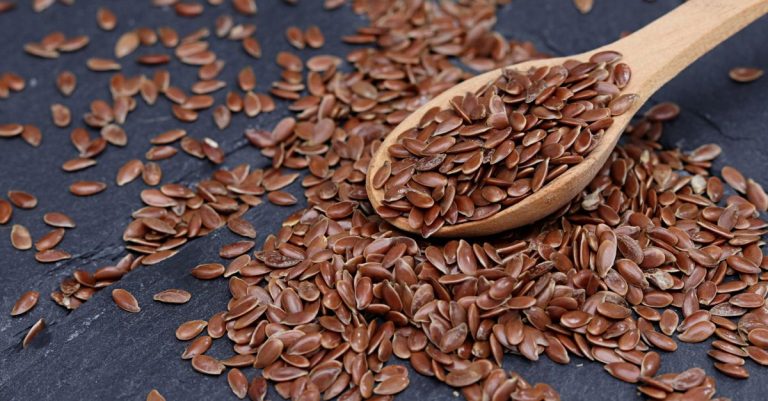
- Flaxseed — one of the best plant sources of ALA.
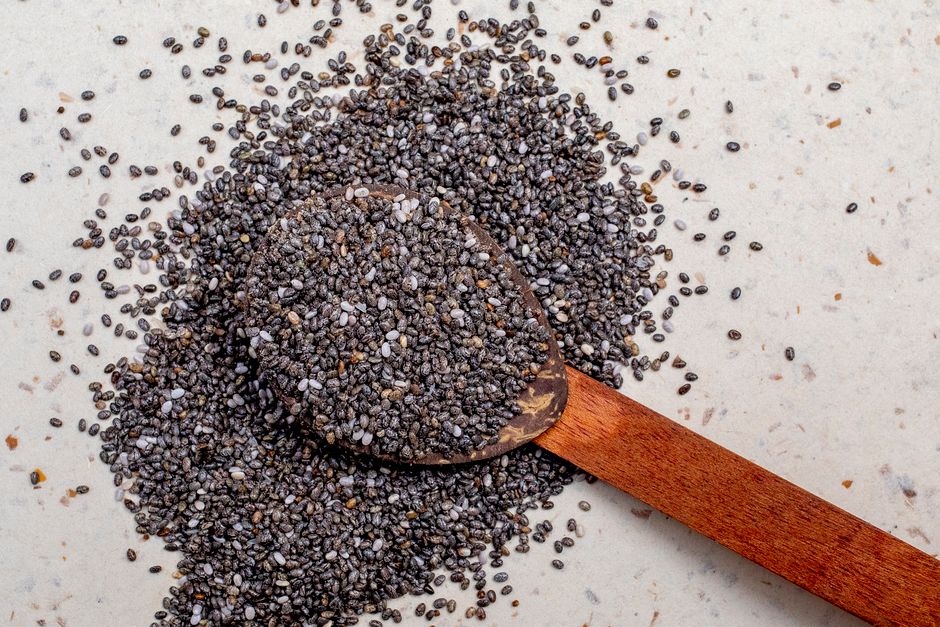
- Chia seeds — tiny seeds packed with plant omega-3s.
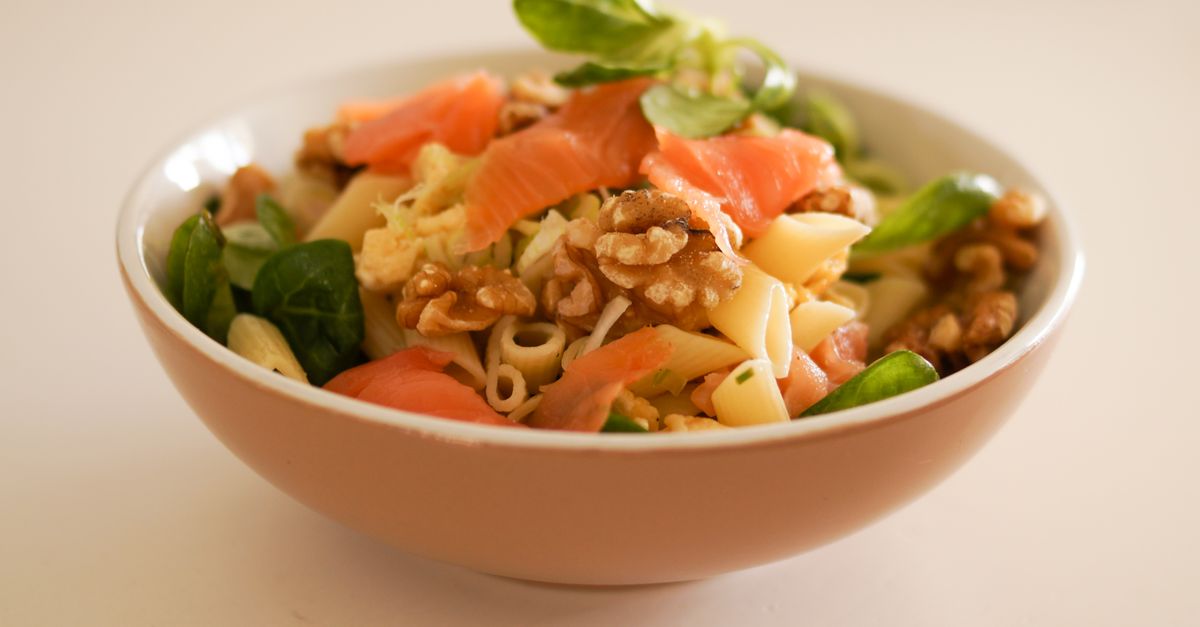
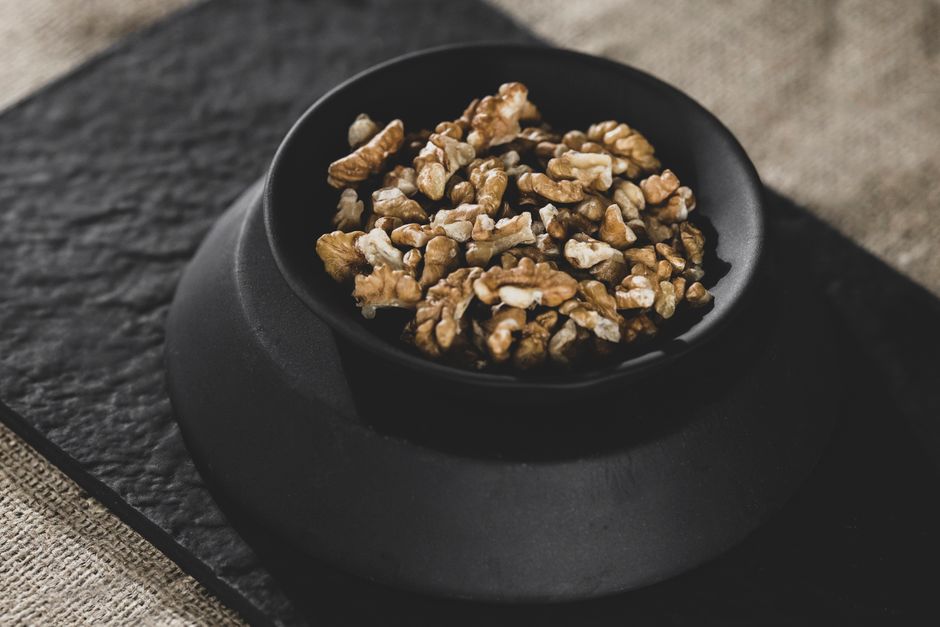
- Walnuts — the standout omega-3-rich nut.
- Hemp seeds — with a healthy balance of omega fats.
- Algae and algae oil — a plant source of EPA and DHA.
Our guides to chia seeds and walnuts cover two omega-3 favorites.
Easy omega-3 smoothie recipe
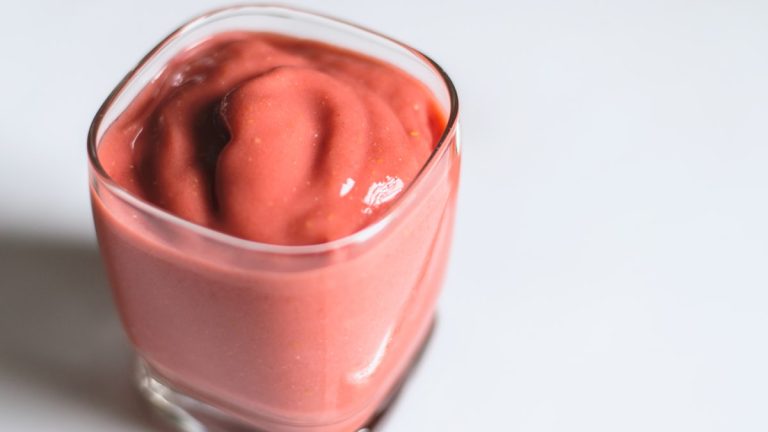
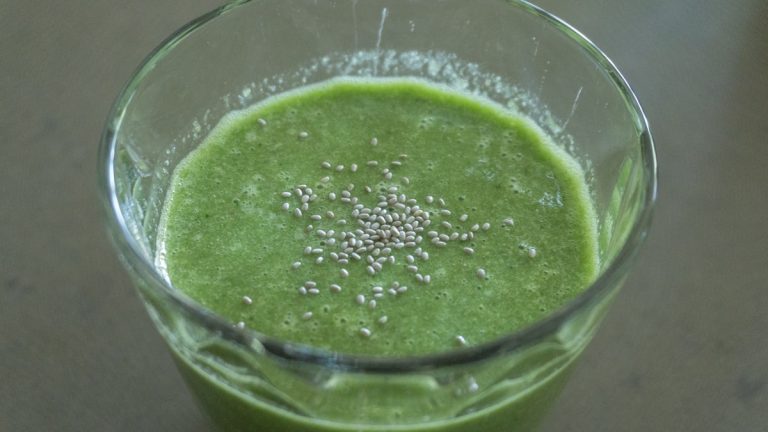
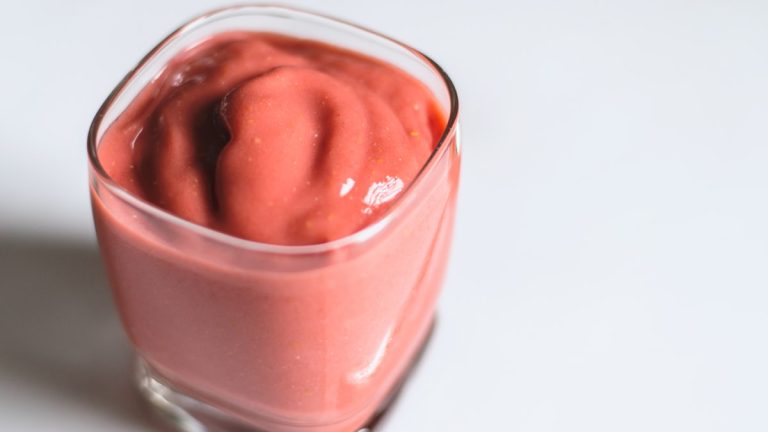
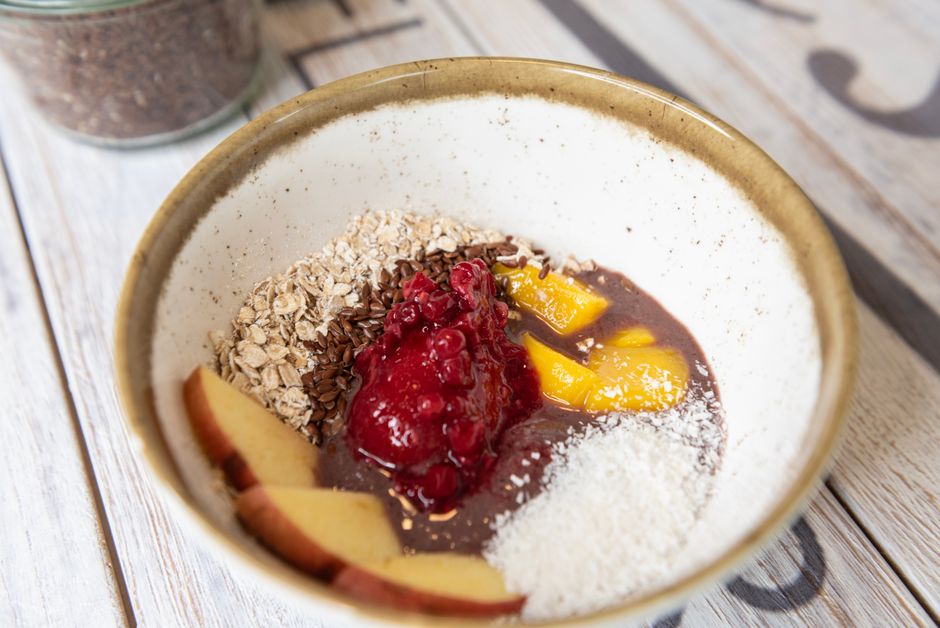
This smoothie packs several plant-based omega-3 foods into one delicious glass.
Ingredients
- 1 tablespoon ground flaxseed
- 1 tablespoon chia seeds
- 1 tablespoon walnuts
- 1 cup mixed berries
- 1 banana
- 1 cup milk of choice
Instructions
- Add all the ingredients to a blender.
- Blend until smooth and creamy.
- Pour and enjoy this omega-3-rich smoothie.
Fish vs. plant omega-3s
An important thing to understand about omega-3 foods is the difference between marine and plant sources. Fatty fish and seafood provide EPA and DHA, the two most active and directly usable forms of omega-3, which is why oily fish is considered the gold standard source.
Plant foods like flax, chia and walnuts provide ALA, which your body can convert into EPA and DHA, but only in small amounts. This means that if you eat fish, a couple of servings of oily fish a week is a great way to get EPA and DHA directly. If you are vegetarian or vegan, focus on plenty of ALA-rich seeds and nuts, and consider an algae-based supplement, which provides EPA and DHA from a plant source. Either way, omega-3 foods are well worth prioritizing.
How to get enough omega-3s
Meeting your omega-3 needs is achievable with a thoughtful diet. If you eat fish, aim for a couple of servings of fatty fish like salmon, mackerel or sardines each week, which provides a generous dose of EPA and DHA.

Alongside or instead, include plant sources daily: sprinkle ground flaxseed and chia onto oats, yogurt and smoothies, snack on walnuts, and use these seeds in baking. Grinding flaxseed helps your body absorb its omega-3s. For those avoiding all animal products, an algae-based omega-3 supplement is a smart addition. Building these foods into your routine ensures a steady supply of these essential fats, much like prioritizing other healthy fats.
Easy ways to add more omega-3s
Small daily habits make boosting omega-3s simple.
- Add ground flax — to oatmeal, yogurt and smoothies.
- Snack on walnuts — an easy omega-3-rich nut.
- Sprinkle chia — into puddings, smoothies and bowls.
- Eat oily fish — a couple of servings a week.
- Blend a smoothie — combining several omega-3 seeds and nuts.
An omega-3 smoothie is one of the easiest ways to combine several plant sources.
When omega-3s matter most
Omega-3s support your body throughout life, but some moments stand out. For heart health, a consistently omega-3-rich diet supports healthy triglycerides and blood pressure over the long term. For brain and cognitive health, these fats are valuable at every age, from development to healthy aging.
During pregnancy, omega-3s, especially DHA, are important for the baby’s brain and eye development. For managing everyday inflammation, a steady intake helps too. Making omega-3 foods a daily and weekly habit ensures your heart, brain and body always have these essential fats.
Omega-3 supplements: do you need them?
With fish oil and algae supplements widely available, you might wonder whether you need them. For most people who regularly eat oily fish or plenty of omega-3-rich seeds and nuts, food can provide enough, and getting nutrients from whole foods has added benefits.
However, supplements can be genuinely useful in certain cases: if you rarely eat fish, follow a vegan diet, or have specific health needs, a fish oil or algae-based omega-3 supplement can help fill the gap, with algae oil offering EPA and DHA from a plant source. If you are considering a supplement, it is worth discussing it with your doctor, who can advise on whether you need one and at what dose. For everyone else, prioritizing omega-3 foods is the simplest, most natural approach.
Omega-3 fatty acids are essential fats your body cannot make, yet they are vital for your heart, brain, eyes and more. The solution is delicious: fatty fish like salmon, plus seeds like flax and chia and nuts like walnuts, are all rich sources. Aim for oily fish a couple of times a week if you eat it, lean on omega-3 seeds and nuts daily, and blend them into smoothies. Prioritizing omega-3 foods is one of the smartest things you can do for your long-term health.
Nourishing fats, the Green Apple way
Our menu is full of omega-3-rich seeds, nuts and wholesome ingredients that nourish your heart and brain. Come discover smoothies, bowls and dishes made for whole-body wellness.
Frequently asked questions
What foods are high in omega-3?
The best sources include fatty fish like salmon, mackerel and sardines (rich in EPA and DHA), plus plant sources like flaxseed, chia seeds, walnuts and hemp seeds (rich in ALA). Algae oil offers a plant source of EPA and DHA.
How do you make an omega-3 smoothie?
Blend 1 tablespoon each of ground flaxseed, chia seeds and walnuts with 1 cup mixed berries, 1 banana and 1 cup milk until smooth. It combines several plant-based omega-3 foods and takes about 5 minutes.
What is the difference between fish and plant omega-3s?
Fatty fish provide EPA and DHA, the most active, directly usable forms of omega-3. Plant foods like flax, chia and walnuts provide ALA, which the body converts to EPA and DHA only in small amounts. Algae oil offers EPA and DHA from a plant source.
Why are omega-3s important?
Omega-3s are essential fats that support heart health, brain function, healthy vision and managing inflammation. Because your body cannot make them, you need to get them from food like fatty fish, seeds and nuts.