Walnuts Benefits: The Brain-Shaped Superfood Nut

Walnuts Benefits: The Brain-Shaped Superfood Nut
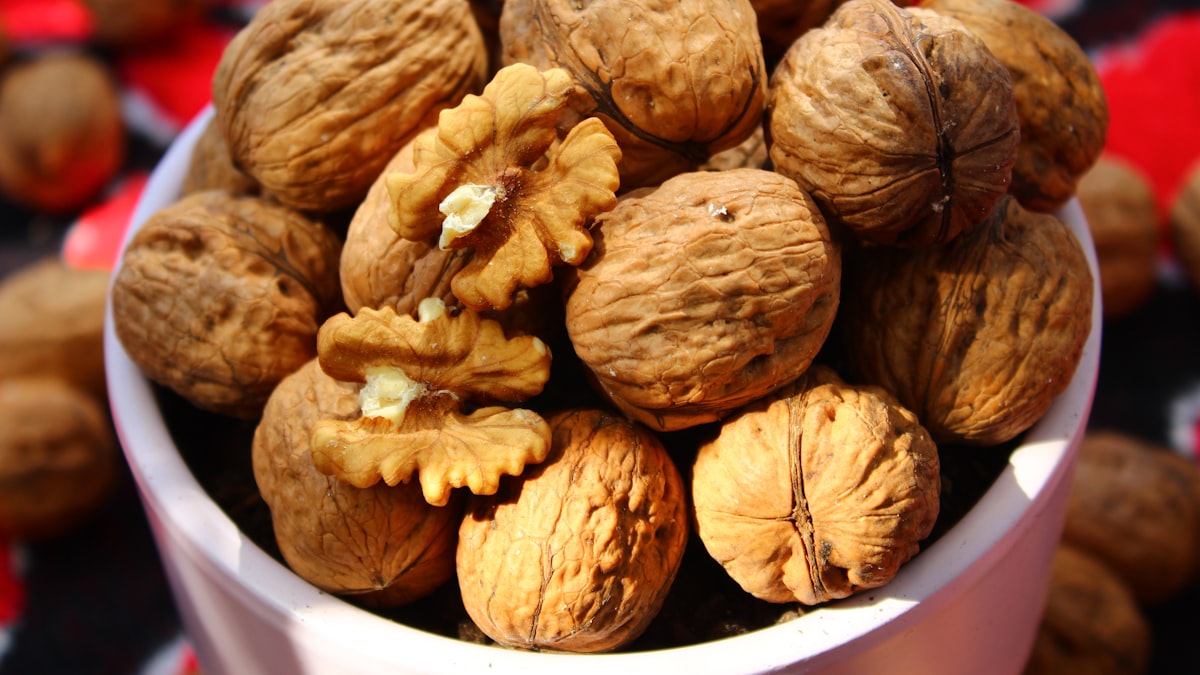
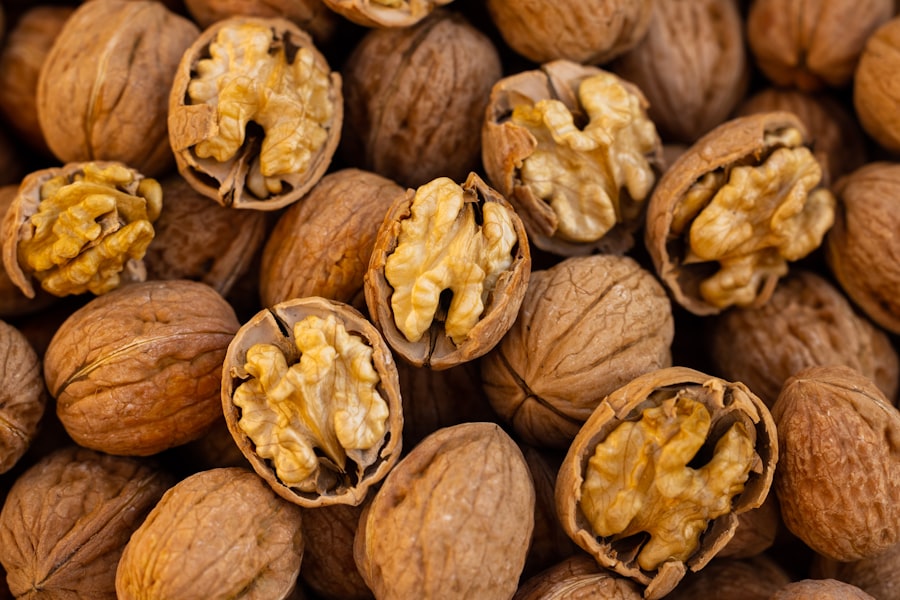
With their distinctive brain-like shape, walnuts have long been associated with brain health — and as it turns out, there is real science behind the folklore. Rich in omega-3 fats and antioxidants, walnuts are one of the most nutritious nuts you can eat, supporting your brain, heart and overall health.
Here is what makes walnuts so good for you, how many to eat, and an easy maple walnut yogurt bowl recipe with prep time.
What makes walnuts special?
Walnuts stand out among nuts for one particular reason: they are an exceptional plant source of omega-3 fatty acids. While most nuts are rich in healthy fats, walnuts are uniquely high in a type of omega-3 called ALA.
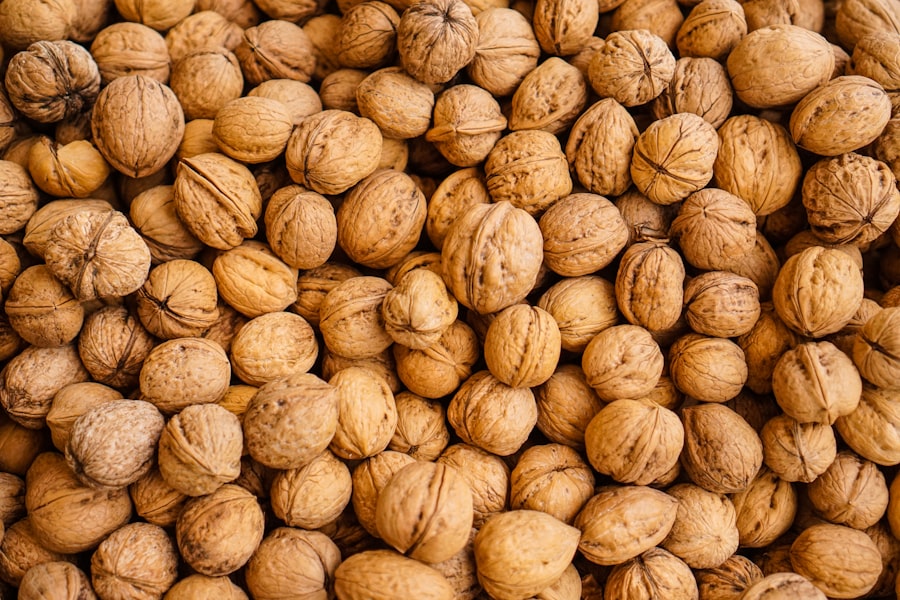
On top of these prized omega-3 fats, walnuts deliver protein, fiber, antioxidants and minerals like magnesium. This combination of healthy fats and nutrients is what earns walnuts their superfood reputation, and it is why they are so often recommended as part of a healthy diet.
The benefits of walnuts
Walnuts are backed by plenty of research, and the benefits are impressive.
- Rich in omega-3s — one of the best plant sources of these healthy fats.
- Support brain health — their nutrients are linked to better cognitive function.
- Heart-friendly — associated with healthier cholesterol and heart health.
- High in antioxidants — among the highest antioxidant content of common nuts.
- Support fullness — their fat, protein and fiber keep you satisfied.
As Medical News Today notes, walnuts are rich in omega-3 fats and antioxidants linked to brain and heart health.
Walnuts and brain health
The old idea that walnuts are good for your brain because they look like one turns out to have a kernel of truth. Walnuts are rich in the omega-3 fat ALA, along with antioxidants and other nutrients that support brain health.
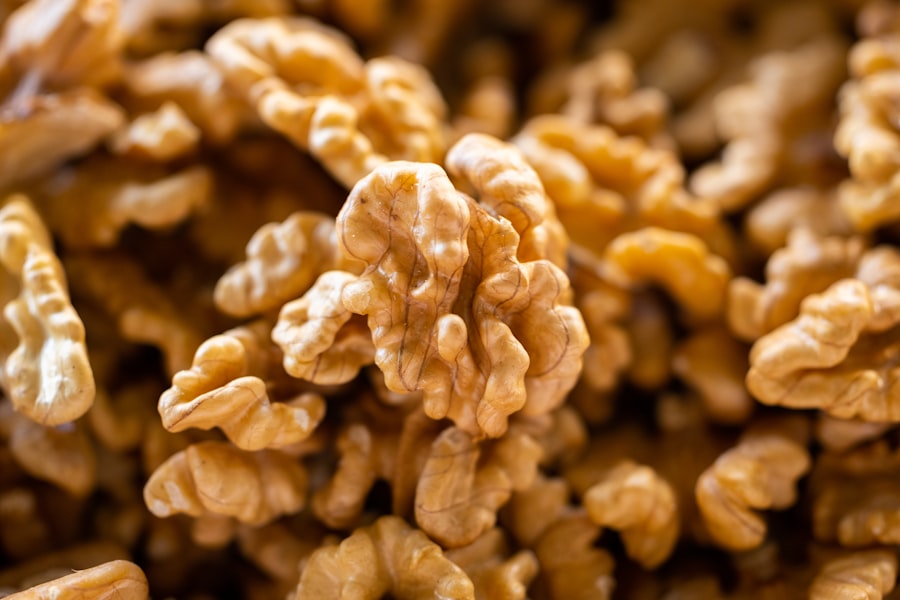
Research has linked walnut consumption to better cognitive function and may even play a role in protecting the brain as we age. While no single food is a magic bullet for the mind, walnuts are one of the most brain-friendly foods you can eat — a delicious reason to add a handful to your day, much like the brain-supporting blueberries.
Easy maple walnut yogurt bowl recipe
One of the tastiest ways to enjoy walnuts is in a simple, satisfying yogurt bowl.
Ingredients
- 1 cup Greek yogurt
- ¼ cup walnuts, chopped
- ½ apple or pear, diced
- A drizzle of maple syrup
- A sprinkle of cinnamon
Instructions
- Spoon the Greek yogurt into a bowl.
- Top with walnuts and diced fruit.
- Drizzle with maple syrup, sprinkle with cinnamon, and enjoy.
Walnuts and heart health
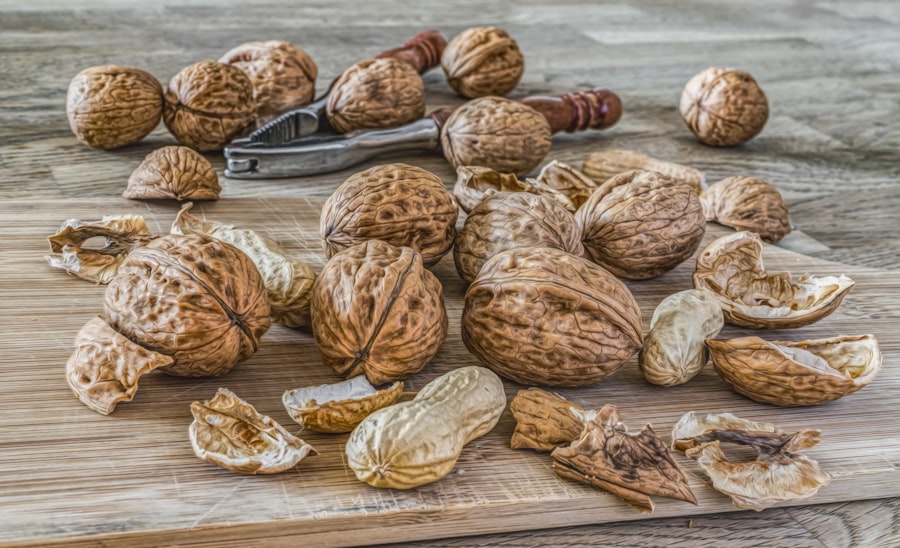
Walnuts are one of the best foods for your heart, and the evidence is strong. Their omega-3 fats and other healthy fats help support healthy cholesterol levels, while their antioxidants protect the heart and blood vessels from damage.
Studies consistently link regular nut consumption, and walnuts in particular, to a lower risk of heart disease. Swapping a processed snack for a small handful of walnuts is a simple, delicious way to look after your heart. They fit beautifully into heart-healthy eating patterns like the Mediterranean diet.
How many walnuts should you eat?
Walnuts are nutritious, but they are also calorie-dense, so portion matters. A small handful — about an ounce, or roughly seven whole walnuts — is a perfect daily serving.
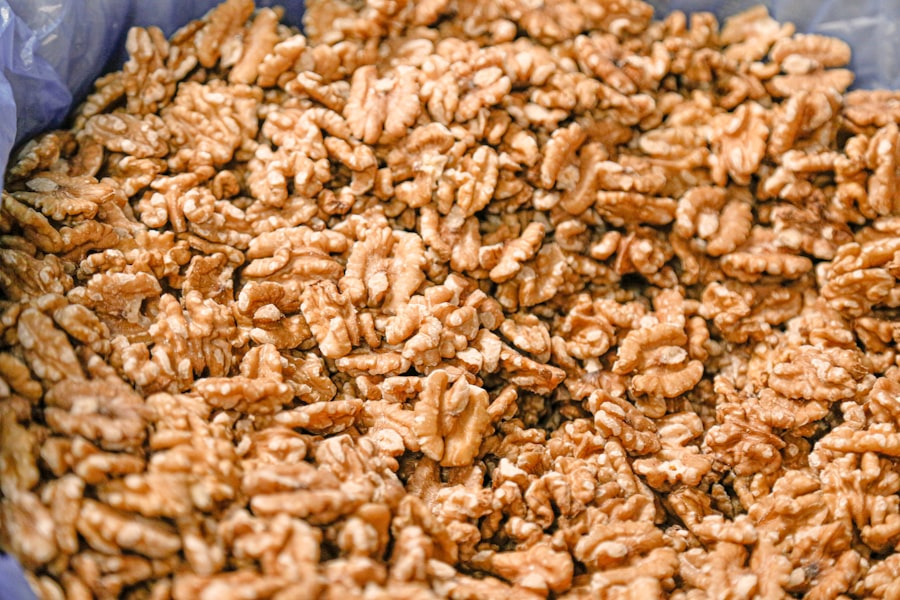
That amount delivers a satisfying dose of omega-3 fats, antioxidants, protein and fiber without overdoing the calories. Because walnuts are so rich and filling, a handful makes an excellent snack. Stick to a sensible portion, and you get all the brain- and heart-friendly benefits this superfood nut has to offer.
Easy ways to enjoy walnuts
Walnuts are wonderfully versatile and easy to add to all sorts of meals.
- As a snack — a handful on their own, raw or lightly toasted.
- On oatmeal or yogurt — for crunch, omega-3s and healthy fat.
- In salads — toasted walnuts add texture and richness.
- In baking — a classic addition to breads, muffins and cookies.
- Chopped over vegetables — for a nutty, satisfying finish.
However you enjoy them, walnuts add crunch, nutrition and a satisfying richness.
Raw vs. toasted walnuts
Both raw and toasted walnuts are healthy, with a few small differences. Raw walnuts keep all their nutrients intact and have a soft, mild, slightly bitter flavor.
Toasting brings out a deeper, nuttier, more aromatic flavor that many people prefer, and it adds a satisfying crunch, though high heat can slightly reduce some of the delicate omega-3 fats. For the most nutrition, raw or lightly toasted is best, and either way you get the heart- and brain-friendly benefits walnuts are known for. Just store them properly, as their healthy fats can go rancid — keep them in a sealed container in the fridge or freezer.
Walnuts and gut health
Walnuts are good for your gut as well as your brain and heart. They are a source of fiber, which feeds the beneficial bacteria in your gut, and research suggests that eating walnuts may help support a healthy, diverse gut microbiome.
A thriving gut supports digestion, immunity and overall wellbeing, so the benefits of a daily handful of walnuts extend well beyond their famous omega-3 fats. It is one more reason this versatile nut deserves a regular place in your diet.
Walnuts for a plant-based diet
For vegetarians and vegans, walnuts are an especially valuable food. As one of the best plant sources of omega-3 fats, they help fill a nutritional gap that can be harder to meet on a plant-based diet.
They also add plant protein, healthy fat and satisfying richness to meals. Sprinkled over salads, blended into dressings or eaten as a snack, walnuts are a simple, delicious way to boost the nutrition of any plant-based plate.
Walnuts truly live up to their brain-shaped reputation. As one of the best plant sources of omega-3 fats, packed with antioxidants and linked to better brain and heart health, they are one of the simplest and most delicious superfoods to add to your day. Enjoy a measured handful as a snack, sprinkle them over yogurt and salads, and keep them fresh in the fridge. This humble nut is a genuine powerhouse of nutrition.
Wholesome and nutty, the Green Apple way
We love wholesome ingredients like walnuts that make healthy eating delicious — from nourishing bowls to smoothies, all with no added sugar. Build your healthy habit with us, part of the world of healthy food in Miami.
For another mineral-rich seed, discover the benefits of pumpkin seeds.
Frequently asked questions
What are the benefits of walnuts?
Walnuts are one of the best plant sources of omega-3 fats, plus antioxidants, protein and fiber. They support brain health, heart health and fullness, making them a genuine superfood nut.
Are walnuts good for your brain?
Yes. Walnuts are rich in the omega-3 fat ALA and antioxidants, and research links them to better cognitive function and brain health as we age, living up to their brain-shaped reputation.
How many walnuts should you eat a day?
A small handful, about an ounce or roughly seven whole walnuts, is a perfect daily serving. That provides omega-3s, antioxidants, protein and fiber without overdoing the calories.
Should you eat walnuts raw or toasted?
Both are healthy. Raw walnuts keep all their nutrients, while toasting adds flavor and crunch but can slightly reduce the delicate omega-3 fats. Store them in the fridge or freezer to keep them fresh.