Cinnamon Benefits: A Sweet Spice with Real Health Perks

Cinnamon Benefits: A Sweet Spice with Real Health Perks
Warm, sweet and comforting, cinnamon is one of the most beloved spices in the world — the cozy flavor of autumn baking and morning oatmeal. But beyond its delicious taste, cinnamon has some genuinely impressive health benefits, particularly when it comes to antioxidants and blood sugar.
Here is what cinnamon really does for your body, the important difference between the two types, and an easy cinnamon oatmeal recipe with prep and cook times.
What is cinnamon?
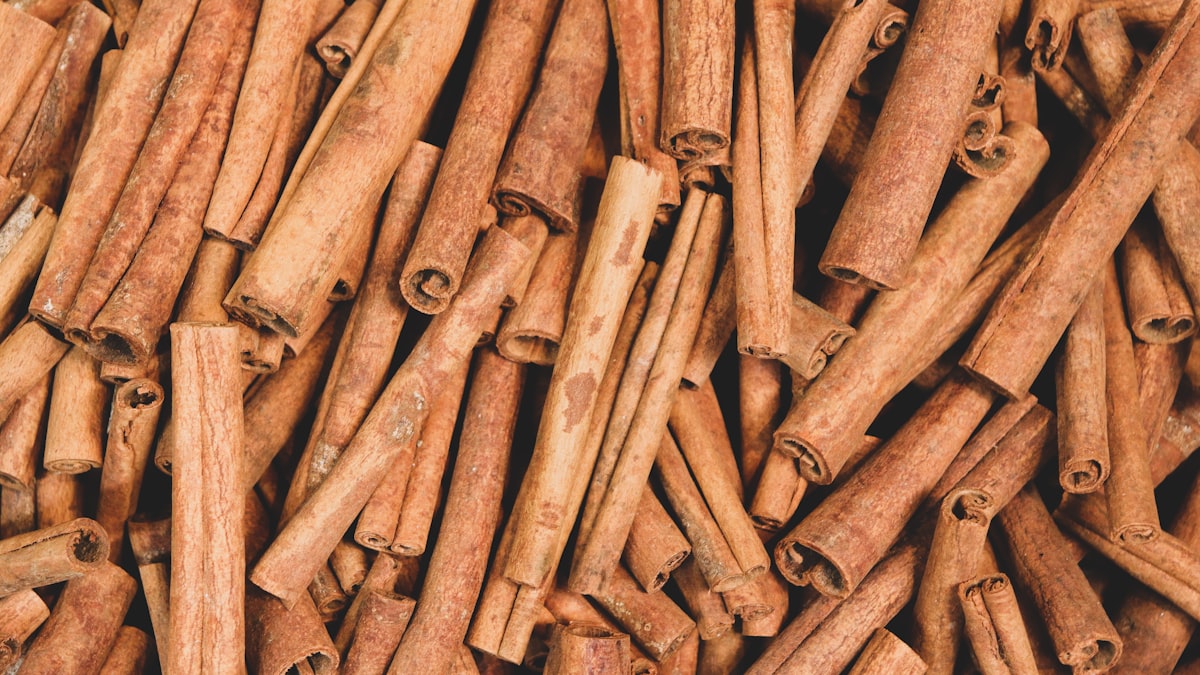
Cinnamon is a spice made from the inner bark of cinnamon trees, which curls into the familiar sticks as it dries. It has been treasured for thousands of years, once so valuable it was considered a gift fit for kings.

Its warm, sweet flavor comes from beneficial compounds, especially one called cinnamaldehyde, which is responsible for much of cinnamon’s aroma and many of its health effects. Cinnamon is also remarkably rich in antioxidants, ranking among the most antioxidant-dense spices.
The benefits of cinnamon
Cinnamon is more than a flavoring — it offers several research-backed benefits.
- Rich in antioxidants — among the most antioxidant-packed spices, helping fight oxidative stress.
- Supports blood sugar — cinnamon may help improve blood sugar control.
- Anti-inflammatory — its compounds may help calm inflammation.
- Heart-friendly — linked to support for healthy cholesterol levels.
- Adds flavor without sugar — a delicious way to sweeten foods naturally.
As WebMD notes, cinnamon is rich in antioxidants and has been studied for its benefits to blood sugar and heart health.
Cinnamon and blood sugar
One of cinnamon’s most studied benefits is its effect on blood sugar. Research suggests that cinnamon may help improve insulin sensitivity and modestly lower blood sugar levels, particularly after meals.
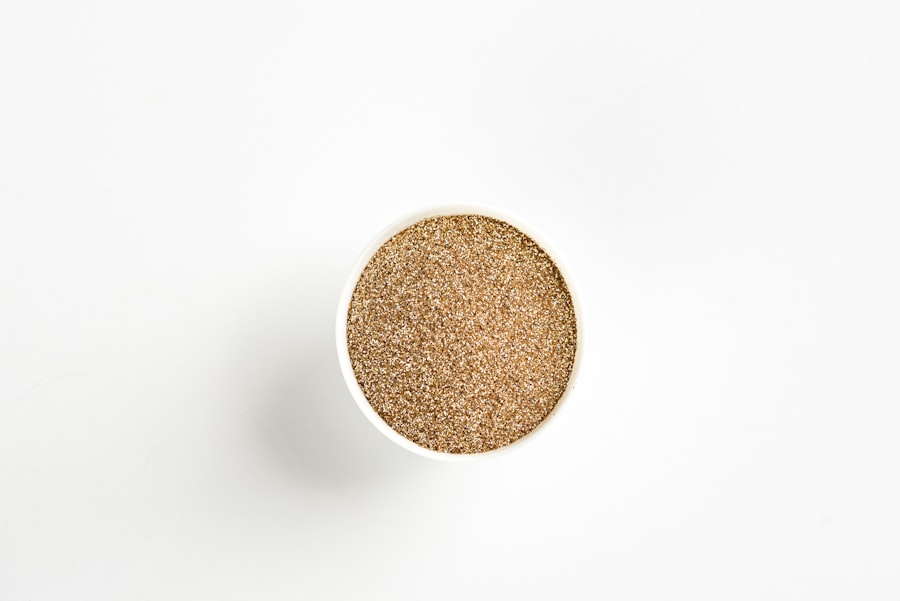
This makes cinnamon a smart spice for anyone looking to support steady blood sugar and energy. A simple way to use it is to sprinkle cinnamon on naturally sweet foods like oatmeal, yogurt and fruit, where it adds flavor and may help blunt the blood sugar response. It is a delicious, easy habit with a potential real benefit.
Easy cinnamon oatmeal recipe
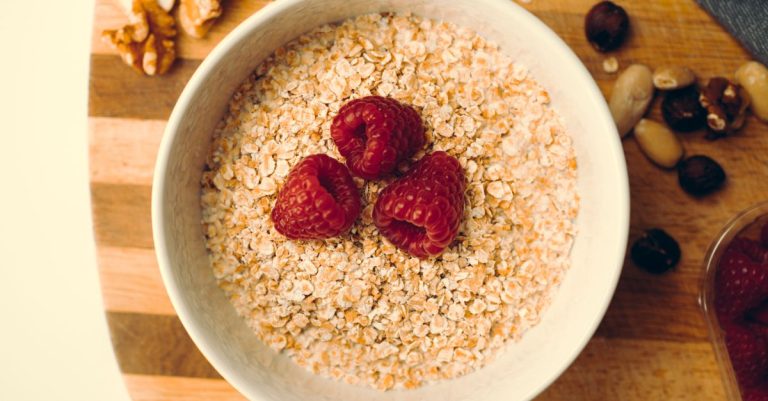
There is no cozier way to enjoy cinnamon than in a warm bowl of spiced oatmeal, ready in under ten minutes.
Ingredients
- ½ cup rolled oats
- 1 cup milk or water
- ½ teaspoon cinnamon
- ½ apple, diced
- A drizzle of honey
- A handful of walnuts
Instructions
- Simmer the oats with the milk, cinnamon and apple for about 5 minutes.
- Stir until creamy.
- Top with honey and walnuts and serve warm.

It pairs the blood-sugar benefits of cinnamon with the heart-healthy fiber of oats for a wonderfully balanced breakfast.
Ceylon vs. Cassia cinnamon
Here is an important thing many people do not know: there are two main types of cinnamon, and they are not quite the same. Cassia cinnamon is the common, inexpensive variety found in most supermarkets, with a strong, classic cinnamon flavor.
Ceylon cinnamon, sometimes called “true cinnamon,” is milder, more delicate and more expensive. The key difference is that Cassia contains higher levels of a compound called coumarin, which can be harmful in very large amounts. For occasional use, either is fine, but if you use a lot of cinnamon regularly, Ceylon is the safer choice. It is worth knowing which one is in your spice rack.
Antioxidants in cinnamon
Cinnamon is a true antioxidant powerhouse, ranking among the most antioxidant-rich spices you can buy. These antioxidants, including its polyphenols, help protect your cells from the everyday damage caused by free radicals.

In fact, cinnamon consistently scores remarkably high on measures of antioxidant content, even compared to some superfoods. This means that every time you sprinkle cinnamon on your oatmeal or stir it into your coffee, you are adding a meaningful dose of these protective compounds to your day — all for a delicious, warming flavor and no extra calories.
Easy ways to enjoy cinnamon
Cinnamon is wonderfully versatile and easy to add to your daily routine.
- On oatmeal and yogurt — a classic, blood-sugar-friendly sprinkle.
- In coffee or tea — a warming, naturally sweet touch.
- In smoothies — it adds flavor with no sugar.
- In baking — the cozy heart of countless recipes.
- On fruit — sprinkled over apples or bananas for a simple treat.
A daily dash of cinnamon is one of the easiest and tastiest healthy habits around.
Cinnamon for your heart
Beyond blood sugar, cinnamon may offer benefits for your heart. Some research suggests that cinnamon can help support healthy cholesterol levels and reduce certain markers linked to heart health.
Combined with its rich antioxidant content and anti-inflammatory properties, this makes cinnamon a heart-friendly spice. As part of a balanced diet, sprinkling cinnamon on your food is a simple, delicious way to support your cardiovascular health while cutting back on sugar.
Cinnamon as a sugar substitute
One of cinnamon’s most practical benefits is its ability to make foods taste sweeter without any sugar. Its warm, naturally sweet flavor tricks your palate, so you can use less sugar in your coffee, oatmeal and baking.
This is a clever trick for anyone looking to cut back on added sugar. A generous sprinkle of cinnamon on fruit, yogurt or a latte adds plenty of cozy sweetness for no calories and no sugar — while delivering antioxidants and potential blood-sugar benefits at the same time.
How to store cinnamon
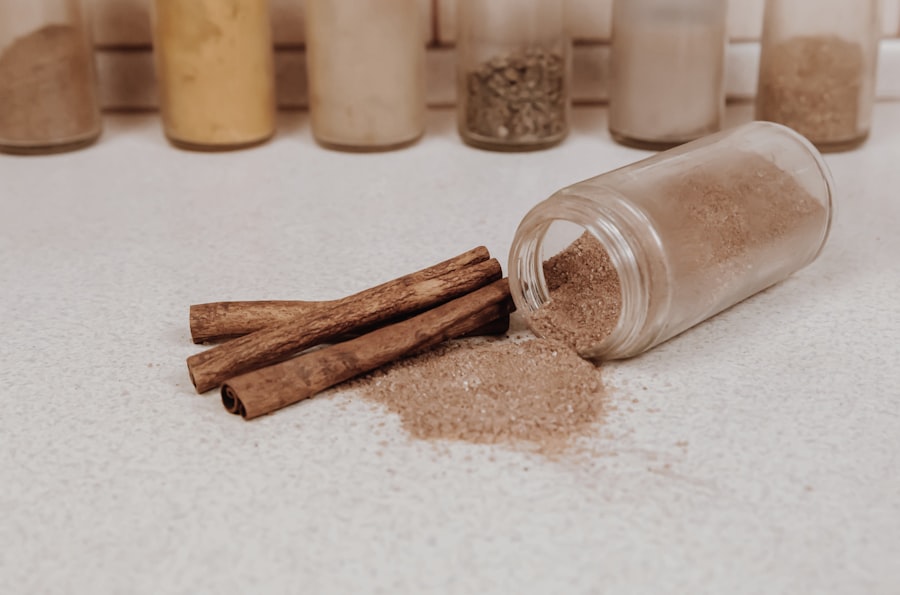
To keep cinnamon fresh and flavorful, store it in an airtight container away from heat and light. Ground cinnamon stays at its best for about six months to a year, while cinnamon sticks last even longer and can be freshly grated whenever you need them.
Cinnamon is the rare spice that makes food taste like a treat while genuinely benefiting your health. Packed with antioxidants and studied for its support of blood sugar and heart health, it lets you add warm, natural sweetness to your day with no sugar at all. Choose Ceylon cinnamon if you use it often, sprinkle it generously on oatmeal, fruit and coffee, and enjoy this cozy, ancient spice as a delicious daily habit.
Naturally sweet and spiced, the Green Apple way
We love natural flavors like cinnamon that make healthy food taste delicious without added sugar — from spiced smoothies to wholesome bowls. Taste the difference natural makes with us.
Cinnamon pairs beautifully with sweet potato — see the benefits of sweet potatoes.
Frequently asked questions
What are the benefits of cinnamon?
Cinnamon is rich in antioxidants and has been studied for supporting blood sugar control, calming inflammation and supporting heart health. It also lets you add warm, natural sweetness to food without sugar.
Does cinnamon help with blood sugar?
Research suggests cinnamon may help improve insulin sensitivity and modestly lower blood sugar after meals. Sprinkling it on foods like oatmeal, yogurt and fruit is a simple way to enjoy this potential benefit.
What is the difference between Ceylon and Cassia cinnamon?
Cassia is the common, inexpensive supermarket cinnamon with a strong flavor, while Ceylon (“true cinnamon”) is milder and more expensive. Cassia is higher in coumarin, so Ceylon is the safer choice if you use a lot regularly.
How much cinnamon should you eat a day?
For most people, a teaspoon or so a day used in food is a pleasant, beneficial amount. If you use Cassia cinnamon heavily, be mindful of its coumarin content, or choose Ceylon cinnamon instead.