Green Apple vs Red Apple: Which Is Healthier?
Green Apple vs Red Apple: Which Is Healthier?
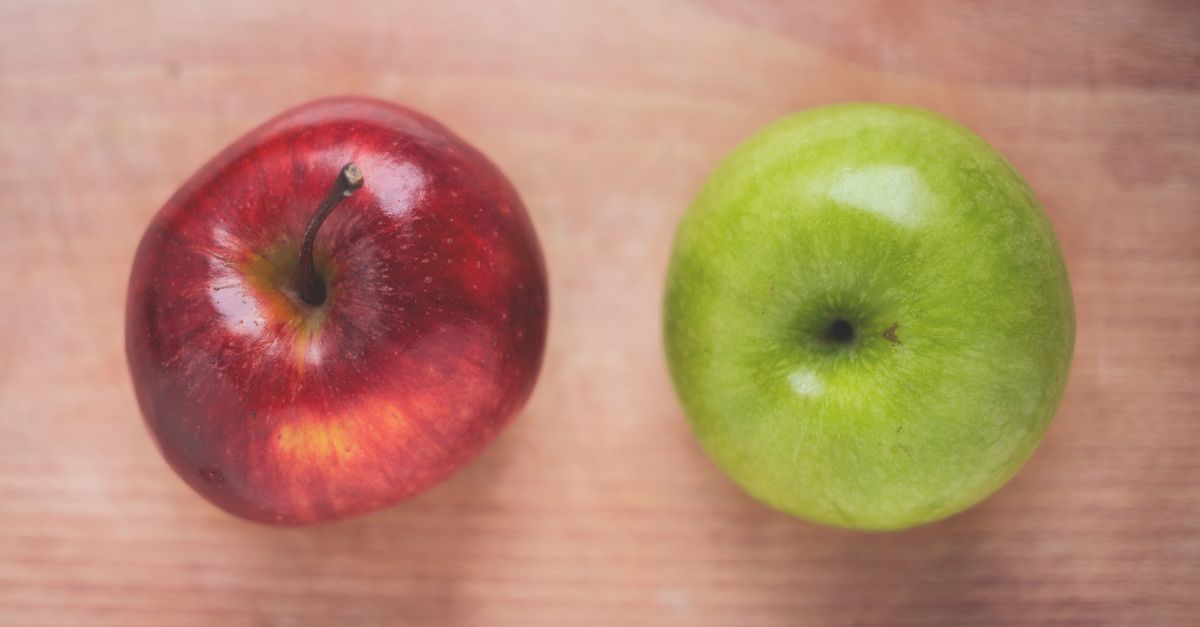
An apple a day is great advice — but does the color matter? Green apples and red apples look and taste different, and shoppers often wonder which one is the healthier pick.
The short answer: both are excellent for you, with small differences that can help you choose based on your goals. Here is the honest comparison.
Green apple vs red apple at a glance
Nutritionally, the two are more alike than different. Both deliver fiber, vitamin C and beneficial plant compounds for very few calories.
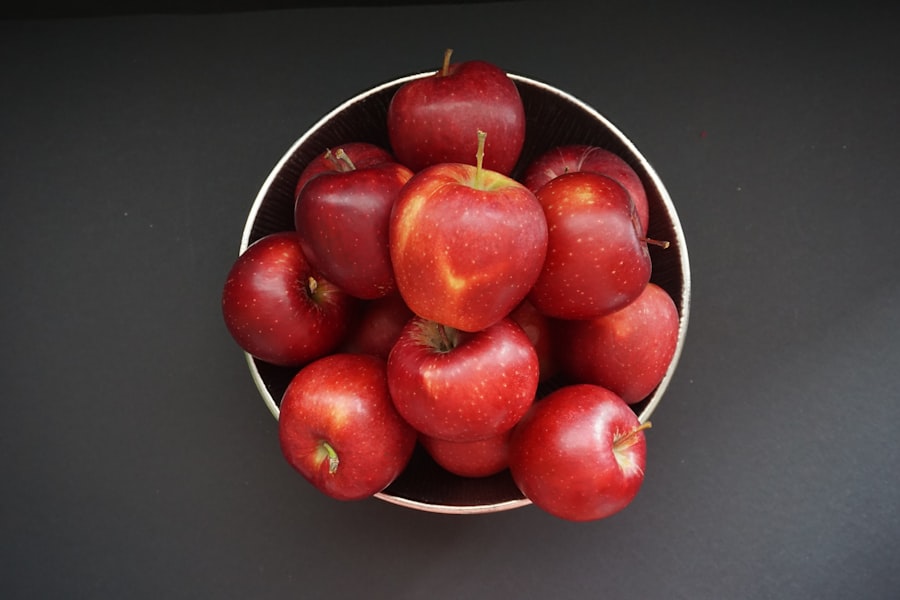
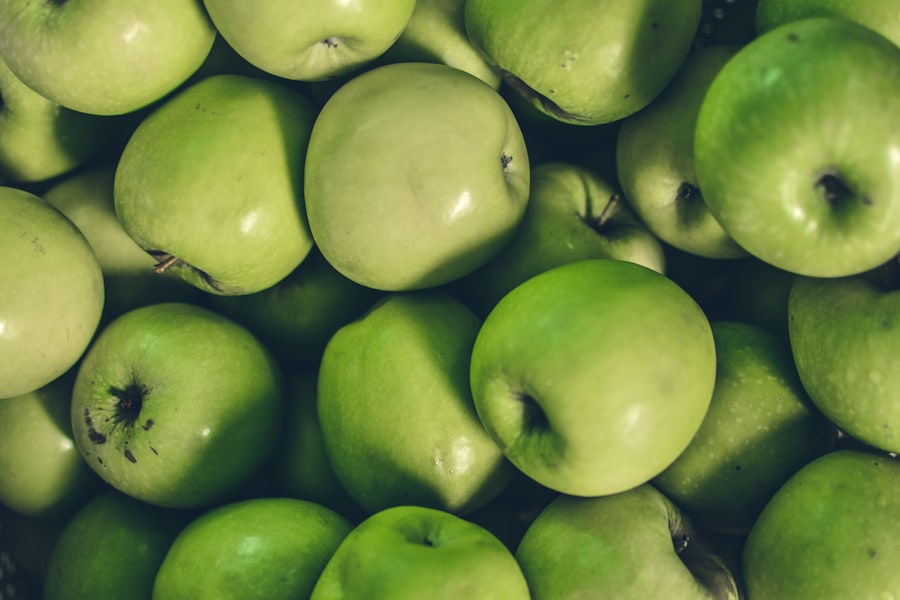
- Green apples — tart, crisp, slightly lower in sugar and calories, with a touch more fiber.
- Red apples — sweeter, with more antioxidants like anthocyanins that give the skin its color.
For the exact figures on the green variety, see our guide to green apple calories and nutrition facts.
Sugar and calories
If you are watching sugar, green apples have a slight edge. Tart varieties like Granny Smith tend to be around 10% lower in both sugar and calories than sweet red apples.
The difference is small — we are talking a handful of calories — but for anyone managing blood sugar or cutting back on sweetness, the tart green apple is a smart choice. Learn more in our breakdown of how many calories are in a green apple.
Fiber and gut health
Green apples contain a little more fiber, including pectin, a soluble fiber known for supporting healthy cholesterol and feeding good gut bacteria.
That extra fiber is part of why green apples are so filling, which makes them a favorite for weight management. Both colors, though, are solid sources of fiber when you eat the skin.
Antioxidants
Here red apples pull ahead. Their red skin is rich in anthocyanins and other antioxidants linked to heart health and reduced inflammation, and they tend to be higher in beta carotene.
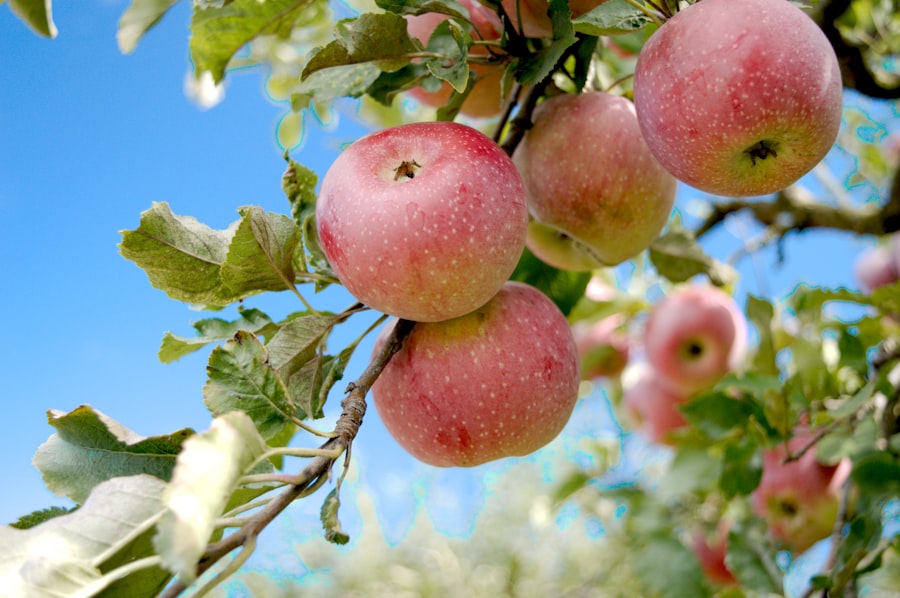
According to the Tufts Health & Nutrition Letter, the differences are minor, and the best approach is simply to enjoy both varieties as part of a balanced diet.
Taste and how to use each
Flavor is where the two really diverge, and it can guide how you use them.
- Green apples — tart and firm, perfect for smoothies, salads and baking where you want structure and a little zing.
- Red apples — sweet and soft, ideal for snacking straight or pairing with nut butter.
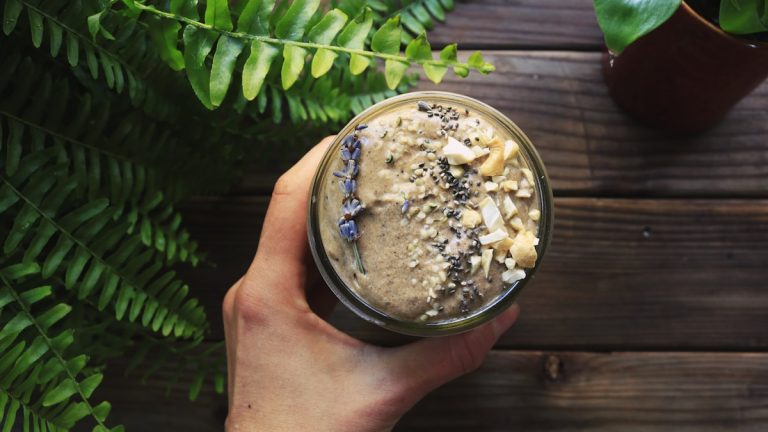
We lean on tart green apples in our kitchen because they hold up beautifully in smoothies and fresh-pressed juices.
So which should you choose?
There is no clear winner — it depends on what you want. As the experts at Healthline note, all apples are a healthy choice.
- Choose green for lower sugar, a bit more fiber, and a tart, crisp bite.
- Choose red for more antioxidants and natural sweetness.
- Best of all, eat a mix and enjoy the benefits of both.
What green and red apples have in common
It is easy to focus on the differences, but the similarities are the bigger story. Both green and red apples are nutritional all-stars.
- Low in calories — a medium apple of either color has roughly 80–95 calories.
- High in water and fiber — both are filling and hydrating, around 85% water.
- Good source of vitamin C — supporting immunity and skin.
- Skin-on benefits — most of the fiber and antioxidants live in the peel, so eat them unpeeled.
In other words, the healthiest apple is the one you will actually eat. Color is a minor detail next to the simple habit of eating apples regularly.
How to store and enjoy apples
To get the most from either variety, a little care goes a long way.
- Refrigerate them — apples last far longer in the crisper drawer than on the counter.
- Keep them whole until you eat them — sliced apples brown quickly; a squeeze of lemon slows it.
- Wash before eating — rinse well since the skin is where the nutrients are.
- Pair for balance — apple with nut butter or cheese makes a satisfying, balanced snack.
However you store them, the easiest way to enjoy more apples is to blend them. A tart green apple shines in a smoothie or a fresh juice.
The power of the peel
Whichever color you choose, do not peel your apple. The skin is where much of the nutrition lives.
Apple peel holds the majority of the fruit’s fiber, along with most of its antioxidants, including the anthocyanins that make red apples red. Peeling an apple removes a large share of these beneficial compounds.
The peel also contains ursolic acid, a compound studied for its role in muscle and metabolic health. So the simple habit of eating apples skin-on gives you more of everything that makes them healthy — just wash them well first.
Apples and everyday health
The old saying about an apple a day has real substance. Regularly eating apples is associated with better heart health, steadier blood sugar and healthy digestion, thanks to their fiber and antioxidants.
None of that depends on color. The benefit comes from the simple, repeatable habit of choosing a whole apple over a processed snack. Green or red, an apple is one of the most convenient, affordable health foods there is. Keep a bowl of both on hand, and the healthy choice becomes the easy one.
Which apple should you buy?
At the store, the best choice comes down to how you will use it and what you enjoy.
If you want a tart, crisp apple that holds its shape for cooking, salads or smoothies, reach for a green Granny Smith. If you prefer a sweet, soft apple to eat out of hand, a red variety like Gala, Fuji or Honeycrisp is hard to beat.
For the freshest fruit, look for apples that are firm, with smooth, unbruised skin and a fragrant smell. Locally grown, in-season apples usually taste best and cost less. And do not be afraid to buy both colors — variety keeps your fruit bowl interesting and your nutrition well-rounded. Whichever you choose, the most important thing is simply to keep apples within easy reach so you actually eat them.
Apples, the Green Apple way
However you like your apples, we put them to delicious use. Our menu features the tart green apple in smoothies, juices and more — fresh, all-natural and made to order.
Frequently asked questions
Is a green apple healthier than a red apple?
Green apples are slightly lower in sugar and calories with a touch more fiber, while red apples have more antioxidants. The differences are small, and both are healthy choices.
Which apple has less sugar, green or red?
Tart green apples like Granny Smith tend to have about 10% less sugar than sweet red varieties, making them a good pick if you are watching sugar.
Do red apples have more antioxidants?
Yes. The red skin is rich in anthocyanins and other antioxidants linked to heart health, and red apples tend to be higher in beta carotene.
Which apple is best for weight loss?
Green apples have a slight edge thanks to slightly lower sugar and a bit more filling fiber, but eating whole apples of any color supports weight management.